
ChatGPT болон хиймэл оюуны системүүдээ ажиллуулах дата төвүүдээ өргөжүүлэхээр зорьж буй компани орон нутгийн иргэдтэй илүү нээлттэй харилцахаа амлав.
OpenAI дата төв барих төлөвлөгөө болон байгаль орчинд үзүүлэх нөлөөллийн талаар илүү дэлгэрэнгүй мэдээлж, төслийн эхэн үеэс орон нутгийн иргэдийг оролцуулна гэж мэдэгдэв. Мөн нууцлалын гэрээг төрийн албан тушаалтнуудаас шаардах явдлыг хязгаарлаж, нууц мэдээлэлтэй холбоотой тохиолдлыг онцгойлон авч үзэхээр болжээ.
АНУ-ын арваннэгдүгээр сарын 3-ны завсрын сонгуулийн дараа дата төв барихыг хязгаарлах, хориглохыг дэмжсэн кампанит ажлуудын ихэнх амжилт олж, тэдгээрийг дэмжсэн олон улс төрч ялагдсан байна. Иргэд дата төвүүдийн цахилгаан, усны хэрэглээ, орон нутгийн дэд бүтцэд үзүүлэх дарамт болон эдийн засгийн өгөөж нь учруулах нөлөөг нөхөх эсэхэд эргэлзэж байна.
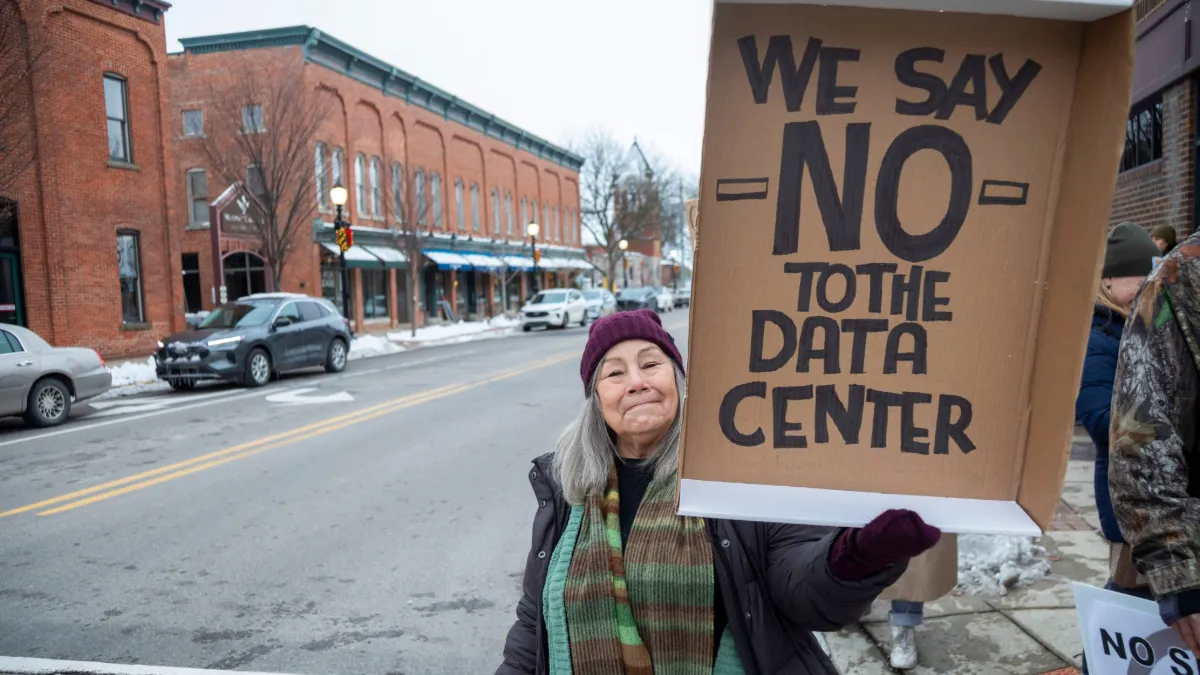
Технологийн компаниуд дата төвийг ажлын байр, татварын орлого бий болгох ирээдүйн хөрөнгө оруулалт хэмээн танилцуулдаг ч хэрэглээ нэмэгдэх нь цахилгааны төлбөр өсгөх, дэд бүтцийг шинэчлэх зардал гаргах эрсдэлтэй. Энэ асуудал уламжлалт намын зааг даван улс төрийн сэдэв болж, шинэ дата төвийн төслүүд орон нутгийн эсэргүүцэлтэй тулгарч байна.
OpenAI орон нутгийн санаа зовоосон асуудлыг тусгасан гэрээ байгуулж, амлалтаа ил тод болгохоор төлөвлөжээ. Тус компани өөрийн эзэмшиж, ажиллуулдаг дата төвүүдийн цахилгаан болон дэд бүтцийн бүх зардлыг хариуцна гэж амласан ч энэ нь бүх иргэдийн болгоомжлолыг арилгах эсэх тодорхойгүй байна. Өргөжихөд шаардлагатай тооцоолох хүчин чадлыг нэмэгдүүлэх явц олон нийтийн эсэргүүцлээс шалтгаалан удааширч, өртөг өсөх эрсдэлтэй.
Дэлгэрэнгүйг эх сурвалжаас харах
↓Эх сурвалжийг нээх ↓
OpenAI wants to build more enormous data centers to power ChatGPT and its increasingly ambitious AI systems. Unfortunately, Americans are becoming considerably less enthusiastic about having those facilities built in their neighborhoods.
Following a midterm election in which opposition to data centers became a significant political issue, OpenAI promised in a new announcement to be more transparent and listen more carefully to the communities expected to host them.
Under its new community infrastructure commitments, OpenAI says it will provide more information about construction plans and their environmental effects. The company is also moving away from requiring public officials to sign non-disclosure agreements during negotiations, with limited exceptions for sensitive information. It’s a notable change for an industry that has often approached local development as though the promise of technological progress should be enough to overcome almost any objection.
The timing of the announcement is notable as it comes after the Nov. 3 U.S. elections, which saw the resounding victory of almost every effort to restrict or forbid new data centers and the defeat of many of their political advocates. Across the country, communities have been questioning the electricity demands of AI infrastructure and whether the economic benefits justify the disruption.
The sweetness-and-light approach differs from the inevitability many AI companies have promoted around the technology. Given the origin of the new message, it wouldn’t be surprising if some of the pro-data center efforts were drafted or tested with AI assistance. ChatGPT might be helping persuade Americans to welcome more infrastructure for itself.
Data center resistance
To encourage acceptance, AI companies have couched data centers as essential investments in America’s technological future and promised new jobs and tax revenue.
But those living near a proposed site have their own calculations regarding how much energy, water, and other resources the data centers consume. That might mean higher bills or a strain on the local infrastructure that could lead to its failure or necessitate expensive upgrades. The possibility of paying more for electricity so a technology company can operate a profitable AI service isn’t an especially compelling sales pitch. And whether the long-term economic benefits will match the promises made during development remains uncertain.
Those concerns have helped turn data center construction into a political issue that crosses traditional party lines. Communities that disagree about plenty of other subjects can find common ground in opposing a massive industrial facility near their homes. The technology industry is discovering that local opposition doesn’t disappear simply because a project involves artificial intelligence.
The midterm results have made that lesson harder to ignore. Candidates and local campaigns challenging data center expansion found receptive audiences among voters worried about infrastructure costs and environmental effects.
ChatGPT tries to win over the neighborhood
OpenAI’s response promises a more cooperative approach. The company says its new framework will involve communities earlier in the development process and provide clearer information about the consequences of proposed facilities. It also intends to establish local agreements that address concerns and make commitments more transparent. The company even promises to cover all electricity and infrastructure costs for the facilities it owns and operates.
The decision to reduce the use of non-disclosure agreements is probably essential in the current political climate. Suspicious residents are demanding to know what representatives are negotiating on their behalf, particularly when those decisions could affect local finances and infrastructure for years. The company has highlighted local investments tied to existing developments, though that may not convince every community that a massive data center is a good neighbor.
The company’s new approach also has the unmistakable feel of a marketing campaign. OpenAI needs more computing capacity, and growing public opposition threatens to make it slower and more expensive to obtain. Americans are becoming increasingly willing to challenge the assumption that every new AI facility represents progress worth welcoming. If OpenAI wants to keep expanding, it will need to offer something more convincing than polished promises, whether a human or a chatbot helped write them.

