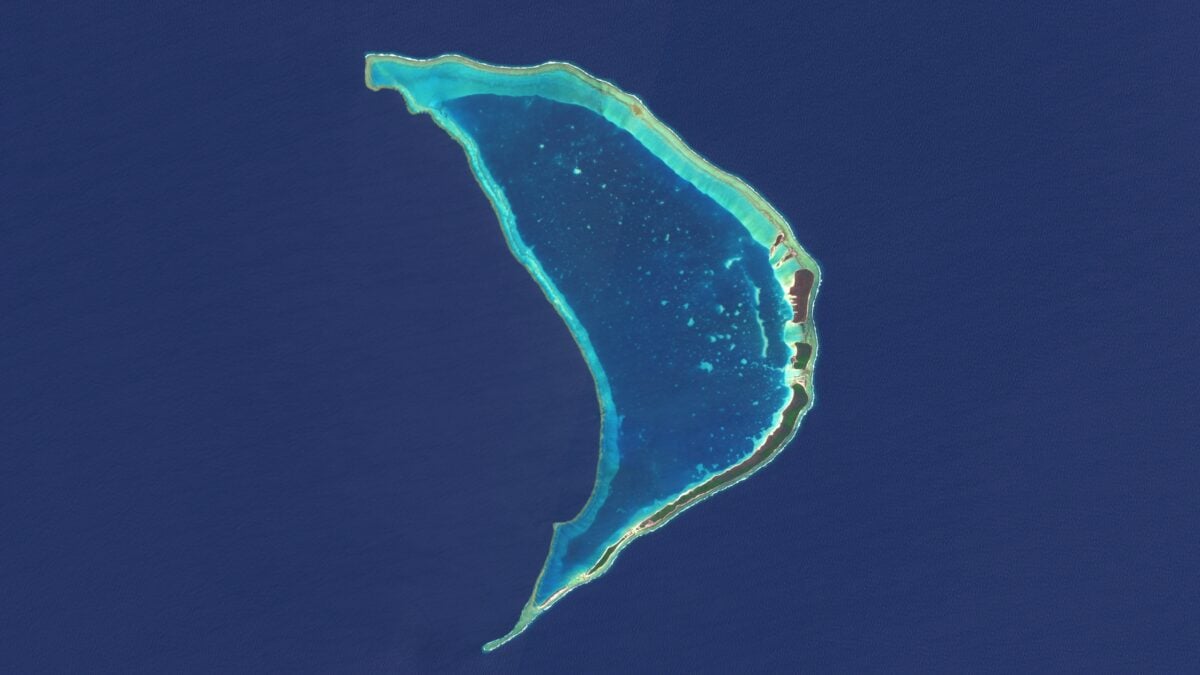
Бикар, Бокак атоллын судалгаа нь хүний шууд нөлөө харьцангуй бага бүсүүдийг хамгаалах, бусад газарт алдагдсан экосистемийг ойлгоход чухал жишээ болж байна.
Маршаллын арлуудын Бикар, Бокак атоллыг судлаачид 2023 онд хуурай газраас далайн гүн хүртэл шинжилж, экосистемийн төлөвийг үнэлжээ. Өнгөрсөн жил эдгээр атоллыг тус улсын анхны үндэсний далайн дархан цаазат газар болгон зарласан байна. Хүн ам суурьшсан хамгийн ойрын атоллоос Бикар 100 гаруй, Бокак бараг 400 километрийн зайд оршдог.
Судалгаагаар 38 овгийн 266 бүлэг шүрэн хадны загас бүртгэж, загасны биомасс Бокакт илүү байгааг тогтоожээ. Акулууд урд хадны загасны биомассын Бикарт 26.8, Бокакт 33.9 хувийг эзэлсэн байна. Судлаачид шумбагч төхөөрөмжөөр 275 метр хүртэлх гүнд 138 бүлэг загас илрүүлсний 14 нь Маршаллын арлуудад өмнө нь бүртгэгдээгүй байж болзошгүй; гүний камер нэмэлт 79 бүлгийг баримтжуулжээ.
Атоллуудад 17 зүйлийн далайн шувуу бүртгэж, яст мэлхийн 71 мөр, 132 үүрний нүх олсон бөгөөд ихэнх нь Бикарт байв. Хэдийгээр хад, нутгийн ургамал, шувуудын колони болон том махчин амьтад элбэг ч эдгээр газар хүний нөлөөгүй, онгон хэвээр гэсэн үг биш: нутагшуулсан Полинезийн харх хоёр атоллд байгаагаас гадна дулаарч буй ус, шүрний цайралт, далайн хүчилжилтийн нөлөө тэднийг тойрч гарахгүй. Судлаачдын үзэж буйгаар, харьцангуй бүрэн бүтэн экосистемийг хамгаалж, судлах нь байгаль хамгаалал, нөхөн сэргээлтэд хэрэгтэй мэдээлэл өгнө.
Дэлгэрэнгүйг эх сурвалжаас харах
↓Эх сурвалжийг нээх ↓
What would the ocean look like if humans had barely touched it?
It’s not easy to tell. Our marine environment is in a state of perilous transformation, threatened by wildlife extinctions, coral deterioration, and worsening levels of pollution, acidity, and heat.
But while there aren’t many places left on Earth where the ocean looks untouched, far out in the Pacific, two isolated havens have been hiding something extraordinary.
In a new study in Frontiers in Marine Science, scientists surveyed the Bikar and Bokak coral atolls, which last year were declared the first national marine sanctuary in the Marshall Islands.
There is good reason to enforce protection of these special places, as they represent some of the most intact ecosystems remaining in the region, according to marine ecologist Alan Friedlander from the University of Hawai’i.
“Bikar and Bokak are not just treasures for the Marshall Islands but for the entire planet, a gift from the community of Utirik Atoll, which has traditionally and vigilantly safeguarded these fragile ecosystems for decades,” Friedlander says.
While traditional Marshallese communities have known about Bikar and Bokak for centuries, their extreme remoteness from humans has left them uniquely unspoiled.
Bikar is situated over 100 kilometers (62 miles) from the nearest inhabited atoll, and Bokak lies even further, at almost 400 kilometers away from people.
The new findings stem from a 2023 research expedition to study the atolls, aiming to give us our best understanding yet of their ecosystems.
“Remote oceanic atolls provide some of the last opportunities to examine ecological structure and functioning in systems where predator assemblages, seabird colonies, native vegetation, and cross-habitat ecological processes remain comparatively less affected by direct local human pressures,” Friedlander and fellow researchers write in their paper.
“By integrating observations from land to the deep sea, this study provides one of the most comprehensive ecosystem assessments conducted for remote central Pacific atolls and offers rare insight into the structure of relatively intact tropical marine ecosystems in the Anthropocene.”
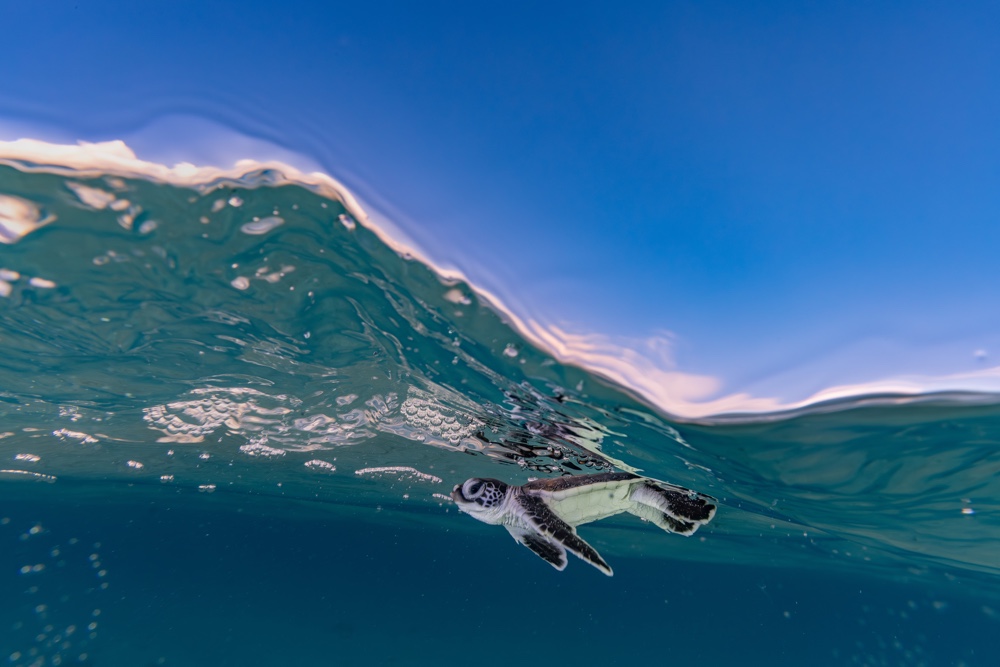
The field expeditions – which helped inform and secure Bikar and Bokak’s protected status – observed 266 reef fish taxa from 38 families, with greater biomass of fish seen at Bokak.
Sharks were a standout, representing the biggest individual component of fore-reef biomass, accounting for 26.8 percent at Bikar and 33.9 percent at Bokak.
Using submersibles, the scientists documented 138 fish taxa living at greater depths (up to 275 meters), with the researchers noting 14 of the groups appeared to represent previously unreported records for the Marshall Islands. Deep-sea cameras observed an additional 79 groups of fishes living at even lower depths.
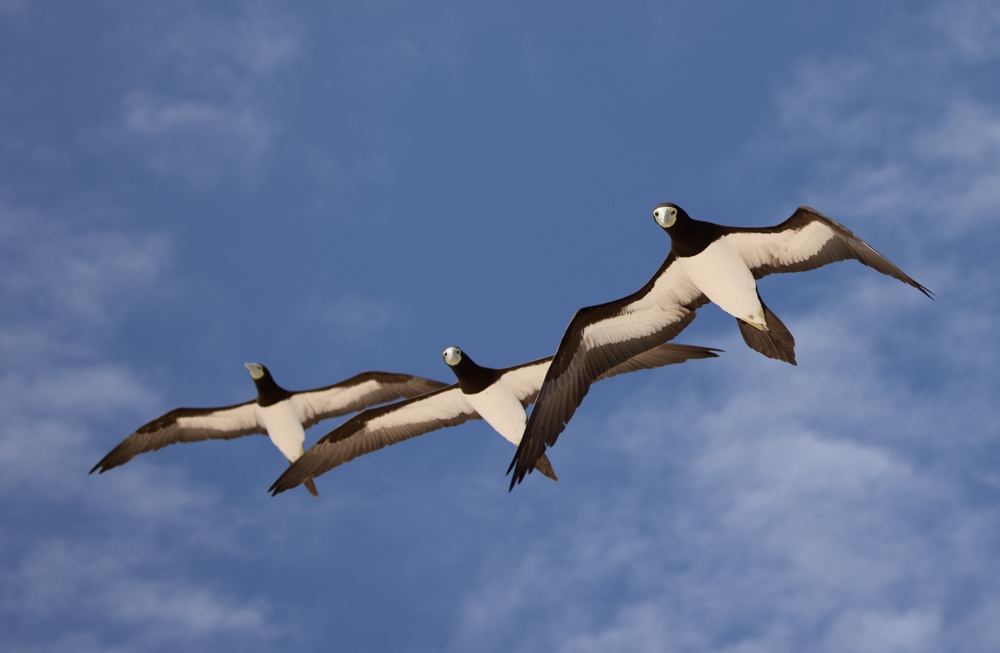
The researchers also documented 17 seabird species across the atolls, and recorded 71 turtle crawls and 132 turtle nest pits, concentrated largely at Bikar.
“These atolls have extensive seabird colonies, mature native vegetation, active turtle nesting, high reef-fish biomass and large predators, coral-dominated reefs at Bokak, structurally complex mesophotic habitats, and surprisingly diverse and poorly known deep-sea communities,” Friedlander says.
“They are among the best ecological reference systems we have to better understand what we have lost elsewhere and to provide fundamental insights needed for effective conservation and restoration efforts.”
Even among these remote Pacific atolls, however, signs of ecological interference are visible.
At the time of the 2023 surveys, both Bikar and Bokak contained populations of introduced Polynesian rats (Rattus exulans), and while the atolls enjoy considerable isolation from human influences, they are not shielded from the global trends of warming waters, coral bleaching, and ocean acidification.
“We use ‘relatively intact’ as a comparative description rather than as an assumption that remote reefs represent pristine or historically undisturbed states,” the researchers write.
“Remoteness can reduce some forms of direct local human pressure, but it does not eliminate historical, introduced, or global anthropogenic influences, and ecological condition should therefore be evaluated from observed ecosystem attributes rather than remoteness alone.”
But even if Bikar and Bokak are not completely untouched, they’re about as untouched as it gets.
And that means we need to study and learn all we can about these special places, because the sad truth is that most coral atolls do not look like this anymore, because of human activity.
In a stark illustration of the contrasts, just days after surveying Bokak in 2023, the research expedition moved onto Bikini Atoll, the notorious site of US nuclear tests in the mid–20th century.
“In those years, the bombing vaporized three islands and left behind radioactive contamination that, to this day, leaves the atoll uninhabitable,” an expedition member wrote in a field diary.
“Overall the feeling is somber here. Things just feel a bit off. The first dives found some fish and a few spots with live coral, but also a lot of pulverized, dead reef with not much living on it.”
The findings are reported in Frontiers in Marine Science.
This article was fact-checked by Fiona MacDonald and edited by Fiona MacDonald. While we pride ourselves on our process, we are only human. If you spot a mistake, please let us know.

