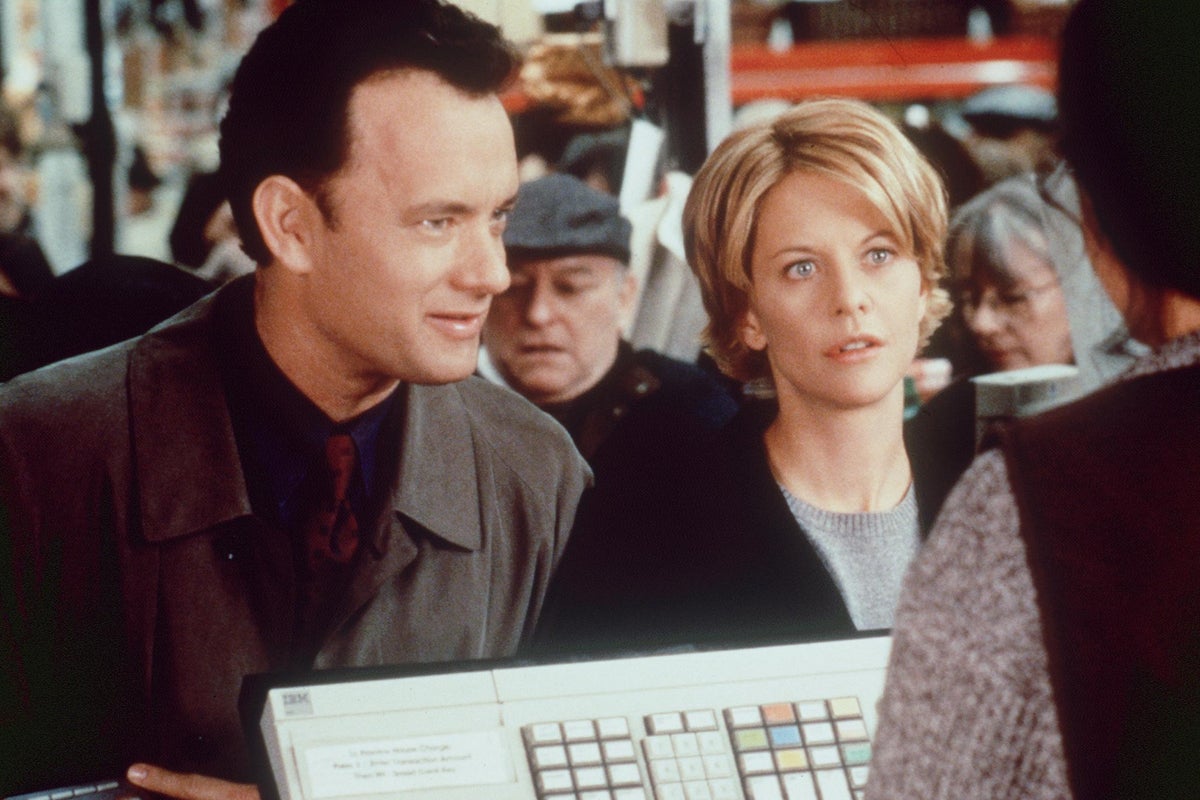
Warner Bros.-ын шинэ бүтээлийг Жейсон Орли найруулахаар болж, зохиолыг Дебора Каплан, Харри Элфонт нар дахин боловсруулж байна.
You’ve Got Mail-ийн шинэ хувилбарыг найруулахаар Жейсон Орли ажиллаж байна. Тэрээр жүжигчин Пит Дэвидсонтой удаан хугацаанд хамтран ажилласан бөгөөд одоо зохиолч Дебора Каплан, Харри Элфонт нарын бичсэн зохиолыг шинэчилж байгаа аж.
Нора Эфроны найруулсан 1998 оны романтик инээдмийн кинонд Мег Райан, Том Хэнкс нарын дүрүүд цахим орчинд нэрээ нууцлан танилцаж, бие биедээ дурладаг ч бодит амьдрал дээрээ бизнесийн өрсөлдөгч гэдгээ мэддэггүй. Тэдний цахим захидал харилцаа тухайн үеийн шинэ технологийг киноны гол хэсэг болгосон бол шинэ хувилбарын өмнө болзоо, харилцаанд чатбот өргөн ашиглагддаг болсон өнөө цагт энэ түүхийг хэрхэн нийцүүлэх сорилт байна.
Esquire энэ долоо хоногт мэдээлснээр, саяхны судалгаанд оролцсон насанд хүрэгчдийн 26 хувь нь болзоондоо туслуулахын тулд хиймэл оюун ашигладаг гэжээ. Мөн нэг эрэгтэй болзоогоо бичиж аваад, ярианы хуулбарыг Claude-д оруулан зөвлөгөө хүсдэгээ ярьсан байна.
Киноны анхны хувилбар ч 1937 оны Parfumerie жүжгээс эхтэй түүхийн нэгэн шинэчилсэн найруулга байв. Ийнхүү шинэ бүтээл романтик харилцааг бичгээр илэрхийлдэг уламжлалыг хиймэл оюуны тусламжтай харилцаа давамгайлсан орчинд хэрхэн өгүүлэх нь гол асуулт болж байна.
Дэлгэрэнгүй эх сурвалжийг харах
Эх сурвалжийг нээх ↓
Want to bookmark your favourite articles and stories to read or reference later? Start your Independent Membership today.
Already a member?
Pete Davidson rolls over in an unmade bed and looks down at his phone. It’s a dating app notification. He thumbs through four photos of Sydney Sweeney, sighs, and opens ChatGPT. “Read this profile and send her something witty,” he instructs the bot. On the other side of New York, in a surprisingly spacious apartment for a 20-something, Sweeney’s phone pings. “Hey Gemini,” she says without looking, “Reply.”
Is this what we’ve got to look forward to from the recently announced reboot of You’ve Got Mail? It’s too early to say. At this stage, all we know is that director Jason Orley (a longtime collaborator of former SNL star Davidson) is attached to direct at Warner Bros., and he’s currently reworking a script cooked up by Can’t Hardly Wait scribes Deborah Kaplan and Harry Elfont. The challenge facing them is how to make a story about star-crossed pen pals make sense in an age of post-literate dating.
Nora Ephron’s beloved romantic comedy You’ve Got Mail was released in 1998, just two years after the launch of Hotmail made email widely available to the general public. It followed humble Manhattanite Kathleen Kelly (Meg Ryan) and wealthy heir Joe Fox (Tom Hanks) as they fall for each other after meeting on an anonymous online message board, using their respective AOL aliases shopgirl and NY152, unaware they were also real-life business rivals.
While the new technology provided the film with a contemporary hook, the way Hanks and Ryan corresponded via email was in pure Ephronese: long, romantic letters filled with whimsical observational humor, as when Ryan’s character writes about seeing a butterfly float off the subway “where I assume it went to Bloomingdale’s to buy a hat that will turn out to be a mistake, as almost all hats are.” You don’t get that from Gmail’s suggested replies.
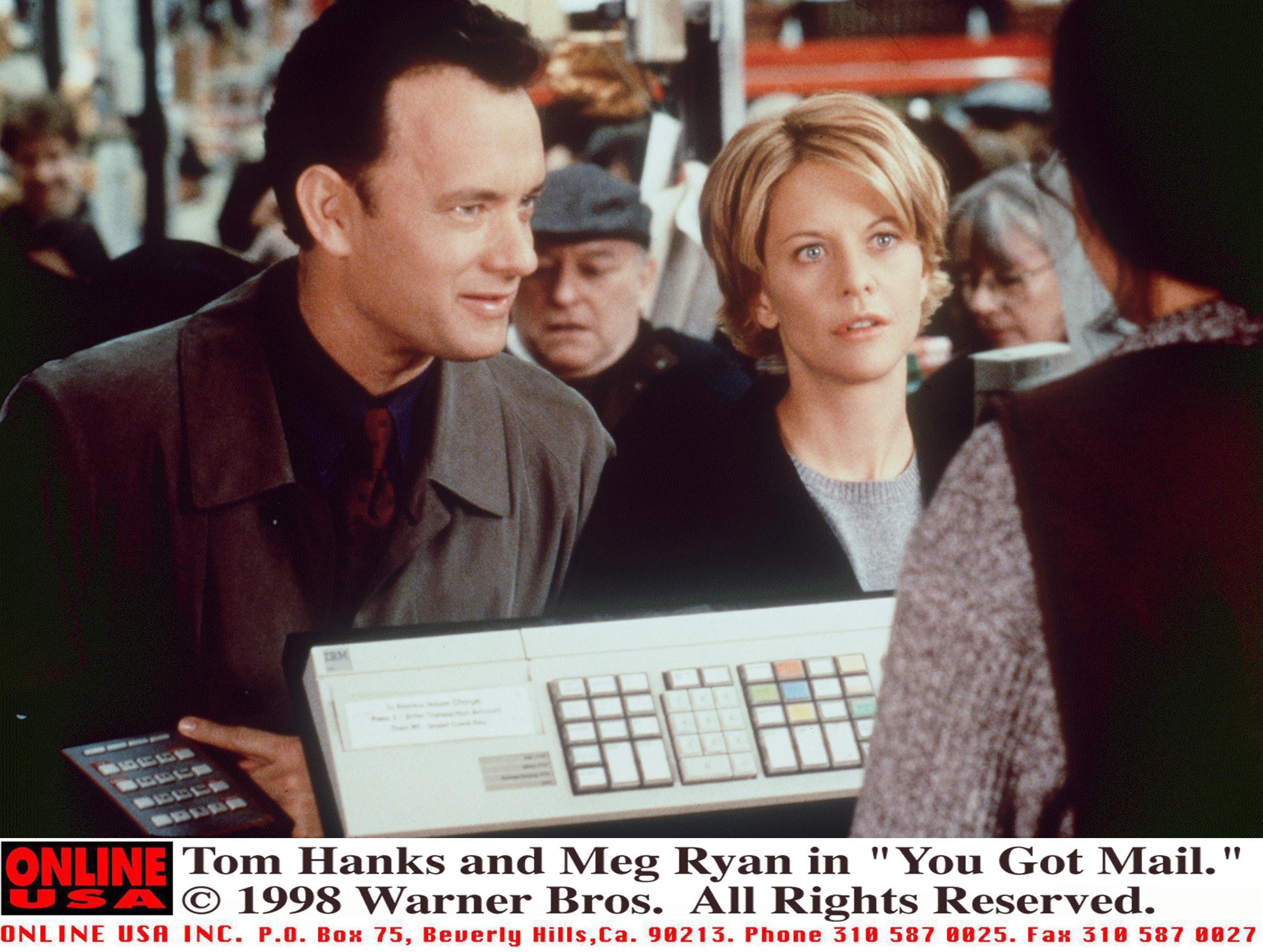
Through modern eyes, it has to be said, there’s plenty that’s capital-p Problematic with Ephron’s film. Not only does Hanks’ character make the decidedly creepy choice to withhold the information about who he is after he’s realized he’s corresponding with Ryan’s character, but he also works for a huge corporate bookstore chain that mercilessly and gleefully crushes her mother’s independent children’s book shop under its boot. At least we now know that his company too will surely be put out of business by online shopping within a few years. There’s always a bigger evil out there somewhere.
The film was itself a remake and already a throwback. It was back in 1937 that Hungarian playwright Miklós László wrote Parfumerie, about co-workers at a Budapest gift shop who bicker and squabble while secretly falling in love through the medium of anonymous letters. The play was adapted into the 1940 romantic comedy The Shop Around the Corner, starring Jimmy Stewart and Margaret Sullavan, and also inspired the 1949 Judy Garland musical film In the Good Old Summertime and the 1963 Broadway musical She Loves Me.
Clearly, we as audiences can’t get enough of enemies-to-lovers romance, but today it seems more unlikely than ever that a pair of young singletons might invest the time and energy to pour their hearts and souls into the written word.
As Esquire reported this week, a recent study found that 26 percent of adults use AI for help with dating, and they found at least one man willing to admit to recording his dates so that he can run the full transcripts through Claude later and ask for feedback on what’s working.

Watch Apple TV free for 7 day
New subscribers only. £9.99/mo. after free trial.
Plan auto-renews until cancelled.
ADVERTISEMENT. If you sign up to this service we will earn commission. This revenue helps to fund journalism across The Independent.
While some dating coaches attribute this reliance on technology to men being terrified about how to talk to the opposite sex, some of the women on the receiving end believe there’s a simpler explanation. “In a lot of cases,” one said. “It’s just laziness.”
That’s what the forthcoming reboot of You’ve Got Mail is up against. In a world where even writing so much as a shopping list has been outsourced to our robotic helpers, perhaps returning to this story should be applauded as an aspirational attempt to believe that love really can begin from a solid foundation of genuine communication. As Greg Kinnear, playing Ryan’s initial, technophobic writer boyfriend, tells her of her relatively anodyne PC: “You think this machine’s your friend, but it’s not.”
With a little luck, the reboot can deliver a timely message that it’s time to cast AI bots and other new-fangled technologies aside, to stare deep into the recesses of one’s own soul and to write, with your own fragile human hands, a heartfelt, poetic missive, when you really mean: “U up?”

