Black Pony Immersive-ийн анхны тоглоом ганц тоглогчийн, өгүүлэмжид төвлөрсөн FPS байх бөгөөд shooter, stealth, RPG элементүүдийг хослуулна.
Arkane-ийн бүтээлч замналд өөрийн сайн мэддэг төрөлдөө төвлөрөх шийдвэр чухал байсныг Харви Смит онцолжээ. Тэрээр System Shock-д ажилласны дараа Warren Spector-той Deus Ex дээр хамтран ажиллаж, улмаар Рафаэль Колантониотой Dishonored-ийг бүтээсэн юм. Arkane тухайн үед санхүүгийн эрсдэлтэй байсан ч өөрсдийн сонирхдог, чаддаг immersive sim төрлөөсөө хазайхгүй байхыг сонгожээ.
Студийн энэ чиг баримжаа нь BioShock 2-ын хэд хэдэн түвшнийг хөгжүүлэх ажилд Arkane-ийг урьсан шалтгаан болсон гэж Смит ярьсан байна. Харин Redfall-ийн хувьд immersive sim-ийн зарчмыг хамтын looter-shooter хэлбэрт шингээхэд хүндрэлтэй байсныг тэр хүлээн зөвшөөрч, студи games-as-a-service тоглоом дээр ажиллах ёсгүй байсан гэжээ. Arkane Austin хаагдсаны дараа Смит, Ben Horne нар immersive sim бүтээх зорилгоор Black Pony Immersive-ийг байгуулсан байна.
Студийн одоогоор нэрлээгүй анхны тоглоом нь нэгдүгээр биеийн өнцгөөс тоглох shooter, stealth, RPG төрлүүдийг хослуулж, тоглогчдод бүтээлчээр тоглож, судлах боломж олгоно. Смитийн хэлснээр энэ нь ганц тоглогчийн, өгүүлэмж болон уур амьсгалд төвлөрсөн бүтээл байх аж. Тэрээр immersive sim-ийн “уламжлалт зарчмыг” хүндэтгэхийн зэрэгцээ шинэ зүйлээр шүтэн бишрэгчдийг гайхшруулахыг өөрт нь зэрэгцэн орших хоёр хүсэл хэмээн тодорхойлжээ.
Смит тоглоомын орчноос урган гарсан системүүд танил механикийг ч шинэлэг болгож чадна гэж үздэг. Dishonored-ийн бусдад эзэмших чадвар Hitman-ы хувирах механикаас санаа авсан ч харуулын биеэр гэрлийн хаалтыг нэвтрэх, харх болон хувирч хонгилоор орох зэрэг боломж болж өргөжсөн байна. Black Pony өмнө хийсэн зүйлээ шинэ сэдэв, орчинд өөрөөр ашиглан нэг төрлийн тоглоомоор хязгаарлагдахгүй байхыг Смит хүсэж байна.
Дэлгэрэнгүйг эх сурвалжаас харах
↓Эх сурвалжийг нээх ↓
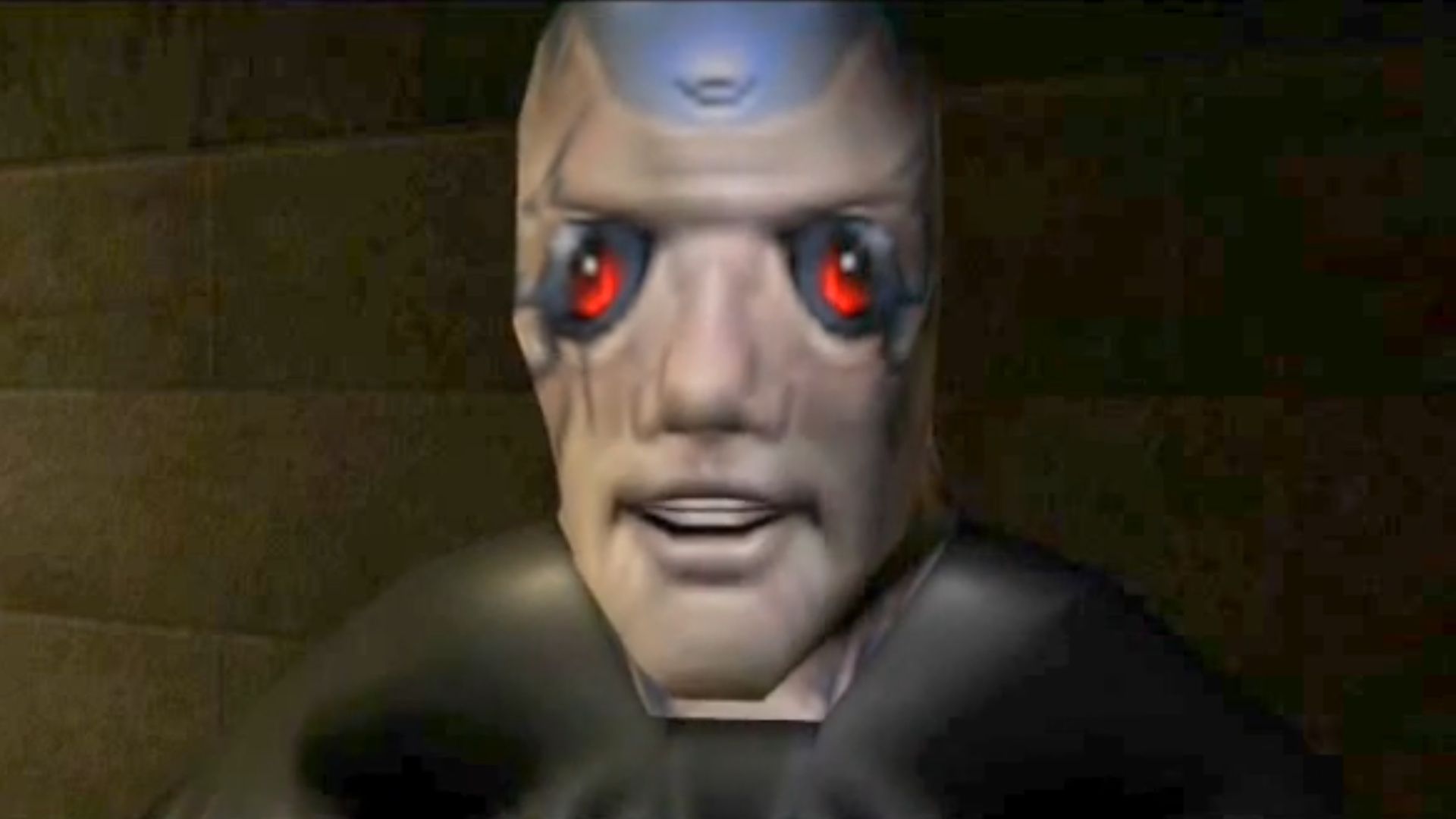
Harvey Smith remembers the 10 months he spent as quality assurance lead on System Shock as a “brush with greatness”.
“I had loved Ultima Underworld, and then I got to work with the very people that were rolling off of Underworld onto this new cyberpunk game,” he says. “Looking Glass fought like cats and dogs, but man, they were passionate about what they were doing. And this was a mission for them.”
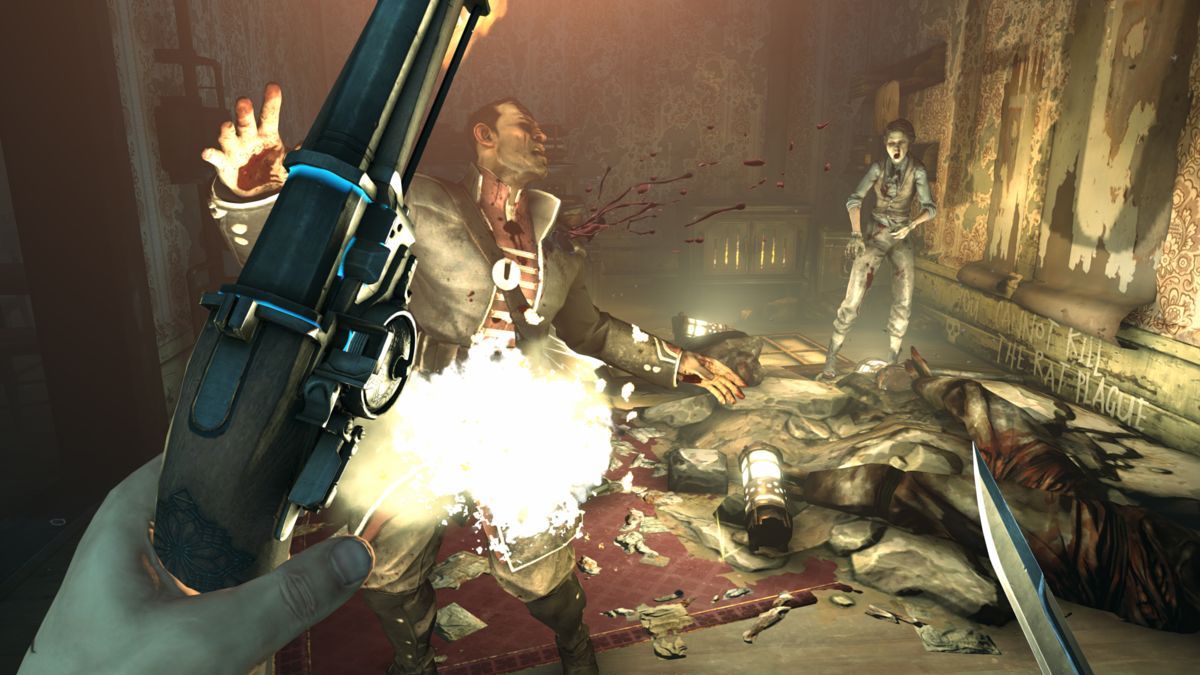
Afterwards, when Smith joined System Shock producer Warren Spector at Ion Storm Austin, “we just applied that same hunger to Deus Ex,” he says. “And then when I got together with Raphaël Colantonio, we were like, ‘Why just live a normal life? Why fucking punch in and sit at a desk and run some numbers? We’re just dying to do this, right?’ And so we made Dishonored.”
It’s a simplified take on the story—one that skips the wilderness years spent fighting for funding before Arkane partnered with Bethesda. But the stubborn and single-minded outlook Smith describes is crucial to explaining his career in immersive sims. If he had been more sensible—less determined to funnel his days into spiritually satisfying work in the genre that first lit his creative fire—Arkane would never have made Dishonored at all.
“When Arkane was independent, very often people would come in and they would try to get us to work on some game that was not in our wheelhouse,” he says. “People would say, ‘You’re going to go under by turning your nose up at doing this DLC for this third-person action shooter, this is money.’ And we’d be like, ‘Yeah, but we don’t like those. We don’t know how to do them well, and we think that game is dumb. So we’re generally going to say no, and gamble the company on doing what we are known for.'”
Arkane very nearly did go under, pursuing its dogged goal of making immersive sims. But eventually, that doggedness was recognised by its peers in the games industry.
There are many ways to fail, many ways to succeed. But specialising in what you love is not a bad path.
Harvey Smith
“There was a moment we were pretty desperate, and a bunch of people working on BioShock 2 said, ‘God, we’re in a tight spot. We need somebody to take on a bunch of levels. You know who’s out there? Arkane.’ So we took Christophe Carrier, our level design director, who is really the wellspring from which a lot of that thinking at Arkane came from. We took him and a team, and we put them on BioShock 2. And that only happened because people associated us with that kind of game.”
By saying “no” enough times, Arkane defined itself clearly in the eyes of its fellows—as a team of consummate worldbuilders and determined architects of intricate first-person levels that rewarded deep exploration. In time, players came to recognise the studio for the same thing, and loved Arkane for it. “In a sense the purity was more valuable than the jack-of-all-trades,” Smith says. “There are many ways to fail, many ways to succeed. But specialising in what you love is not a bad path.”
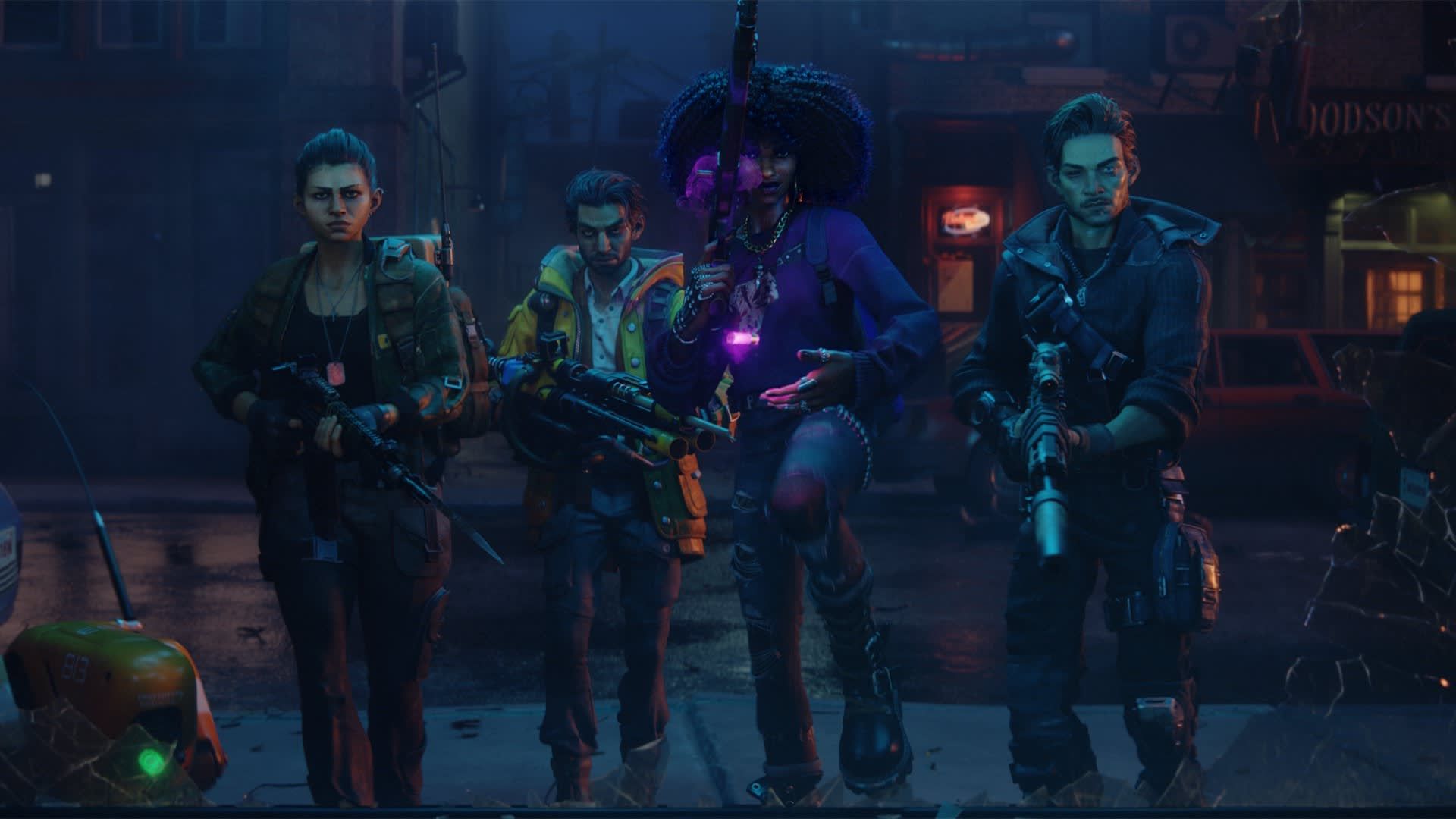
Things only really went wrong a decade after Dishonored, with Redfall—the FPS that struggled to incorporate imsim values into co-op looter-shooting. “That was a game that did not come together,” Smith says. “And we never should have been working on a games-as-a-service game, to be honest.”
With its sleepy Massachusetts backdrop, leftfield movement abilities and a grounded theme of community resistance in the face of corporate greed, Redfall had some memorable and redeeming features. But it was a disappointment, and became a lightning rod for criticism of Xbox, who by that time was Arkane’s owner.
“There were many things that seemed to converge all at once when Redfall was releasing,” says Ben Horne, the production director of Redfall who co-founded Black Pony Immersive along with Smith. “I believe it was the first $70 price point game that Xbox had put out at the time. It was, I think, subject to some of the console wars.”
To make matters worse, Arkane had developed a performance mode for Redfall on consoles, but held it back after noticing dips in its framerate. “That turned into a huge thing where people came and said, ‘Oh, how come this isn’t 60 fps at launch?,'” Horne says. “And so there were all of those things that were happening that we were trying to manage, but I think the bigger issue there is that we were working on something that was just outside of our expertise. Getting back to what we do best was the number one priority. For Harvey and myself, for the folks at Arkane and now at Black Pony, this is what our focus is.”
Sometimes it blows up in our face, and sometimes it results in Deus Ex or Dishonored.
Ben Horne
Smith and Horne co-founded Black Pony Immersive in the wake of Arkane Austin’s closure, with the explicit goal of making immersive sims. Before Redfall, Horne had worked for years on annual NBA games in California. “You know occasionally you meet somebody who’s on fire, they’re very talented, and you can tell that they’re hungry for something that is out there?,” Smith says. “I’ve been in games 33 years now, and I would never want to weaponise this, but I can always tell when somebody needs something more substantial or more spiritual in their lives professionally. And that is, honestly, what we chase all the time. Sometimes it blows up in our face, and sometimes it results in Deus Ex or Dishonored.”
Horne, for his part, still remembers his first day at Arkane. “Production director Susan Kath came up to me and was just like, ‘Hey, why don’t you play this build? We’re about to release this DLC’. I think I left the office at midnight. I could not pull away from it.”
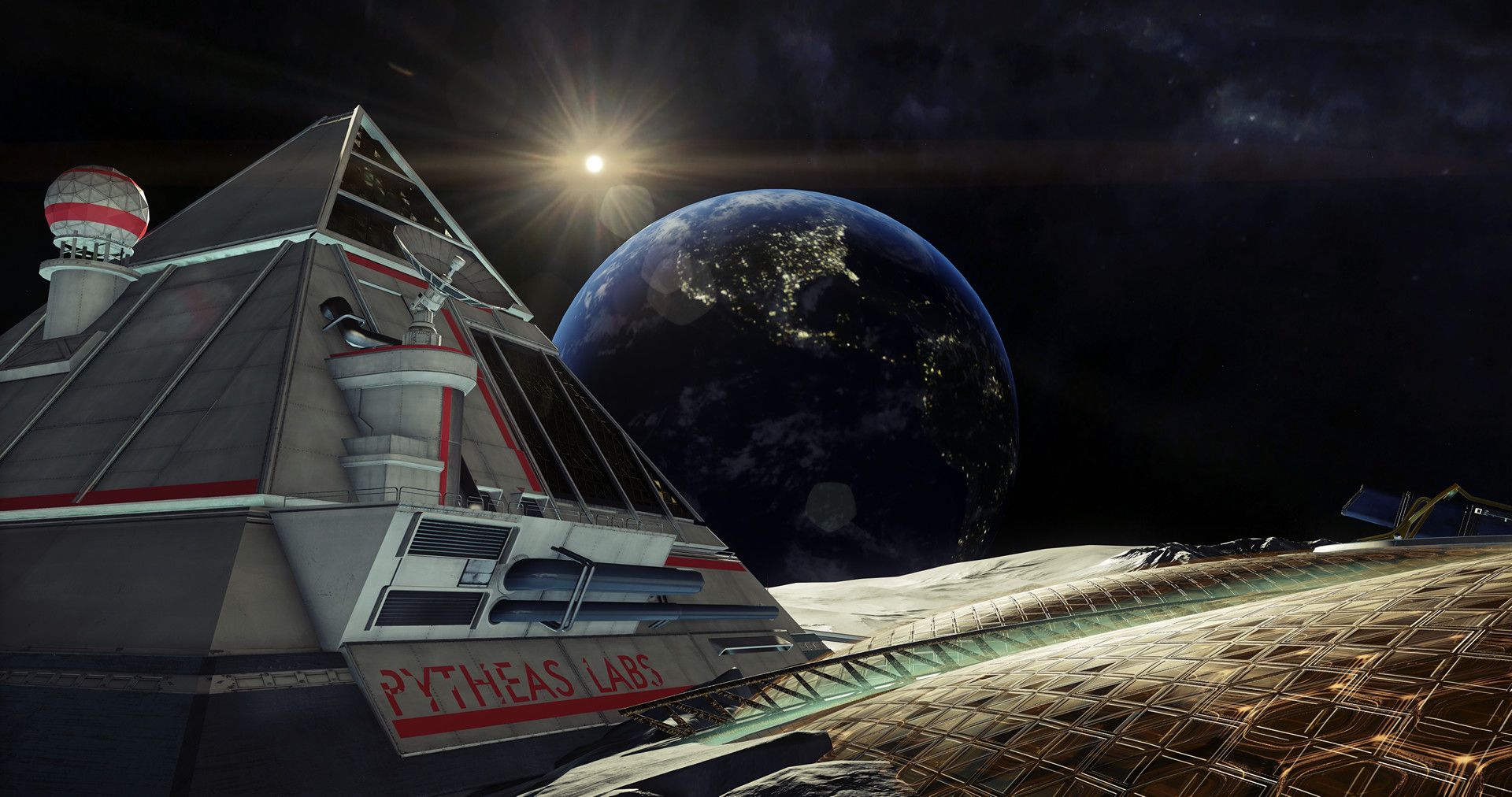
The creative director of that DLC, Prey: Mooncrash, was Ricardo Bare, who also works at Black Pony today. “Ricardo is a deep thinker about the cosmos and what sentience, awareness and consciousness are,” Smith says. “If you play Prey, you get to hear people asking questions about why some creatures are capable of empathy and some are not. Ricardo likes to think about those things, so while he’s also a game designer and a writer and thinks about literary themes, he comes in thinking about that metaphysical layer as well.”
The games Smith directs, meanwhile, have consistently explored systems of power and exploitation. “Dishonored is underpinned by that theme,” he says. “The Outsider overtly and indirectly talks about themes related to the abuse of power. And you know, Deus Ex was a political awakening for me. I didn’t know that much about politics, embarrassingly enough, when I was in my 20s, and I started working with Warren Spector.”
Smith and Spector collaborated for nine years across two Deus Ex games. “Warren was well-versed in the way politics and power work across the world,” Smith says. “The personal is the political because someone has power over your life.”
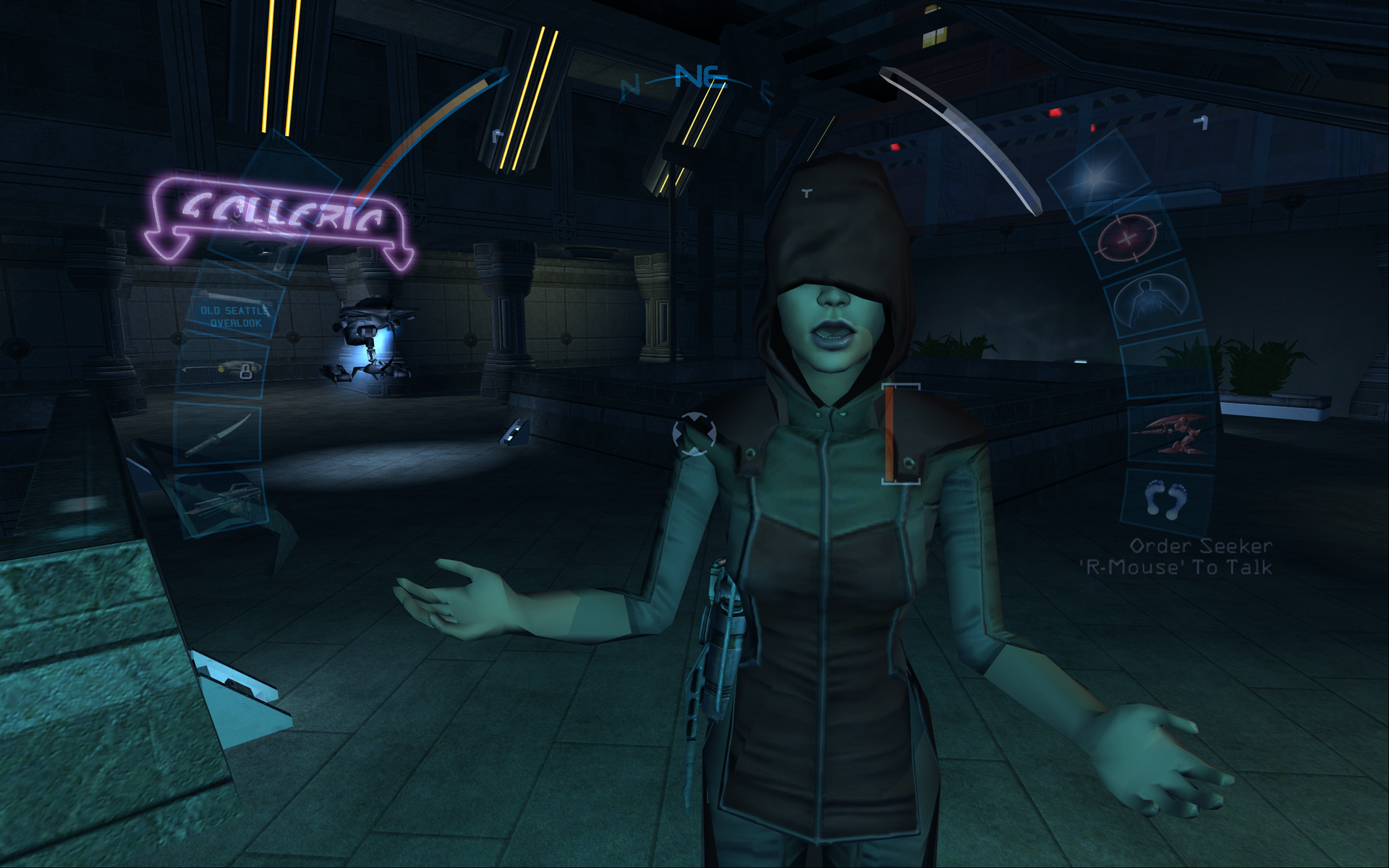
Somewhere in the mix of these themes, perhaps, is the key to understanding the perspective of Black Pony’s unannounced debut game. And mechanically speaking, we already know exactly what to expect. “First-person games that are a hybrid of shooter, stealth and RPG, where the player can be creative and explore,” Smith says. “It’s very player-paced, it’s singleplayer, it’s narrative-driven. There’s a lot of atmospherics. That’s what we burn to do.”
During the years that Smith and Colantonio co-directed Dishonored, they shared an office and spent lots of time travelling together—discussing the precepts of the genre they’d devoted their professional lives to. “We realised that when it comes to immersive sims, some people are very dogmatic,” Smith says. “They want to carry forward the sacred writings. You can’t deviate from that, or you’re a heretic. And other people are like, ‘Yeah, sure, this is a cool base, but where can we go with it? What can we do that’s new?’ And that is always the challenge. That’s the two wolves inside me. On one hand, I want to pay off those expectations. On the other hand, I want to exceed them.”
Smith is a big believer in systems that flow from a game’s setting. In his experience, even familiar gameplay ideas can be revitalised by new fiction. One example is Dishonored’s possession power, which began as Arkane’s riff on disguises in Hitman.
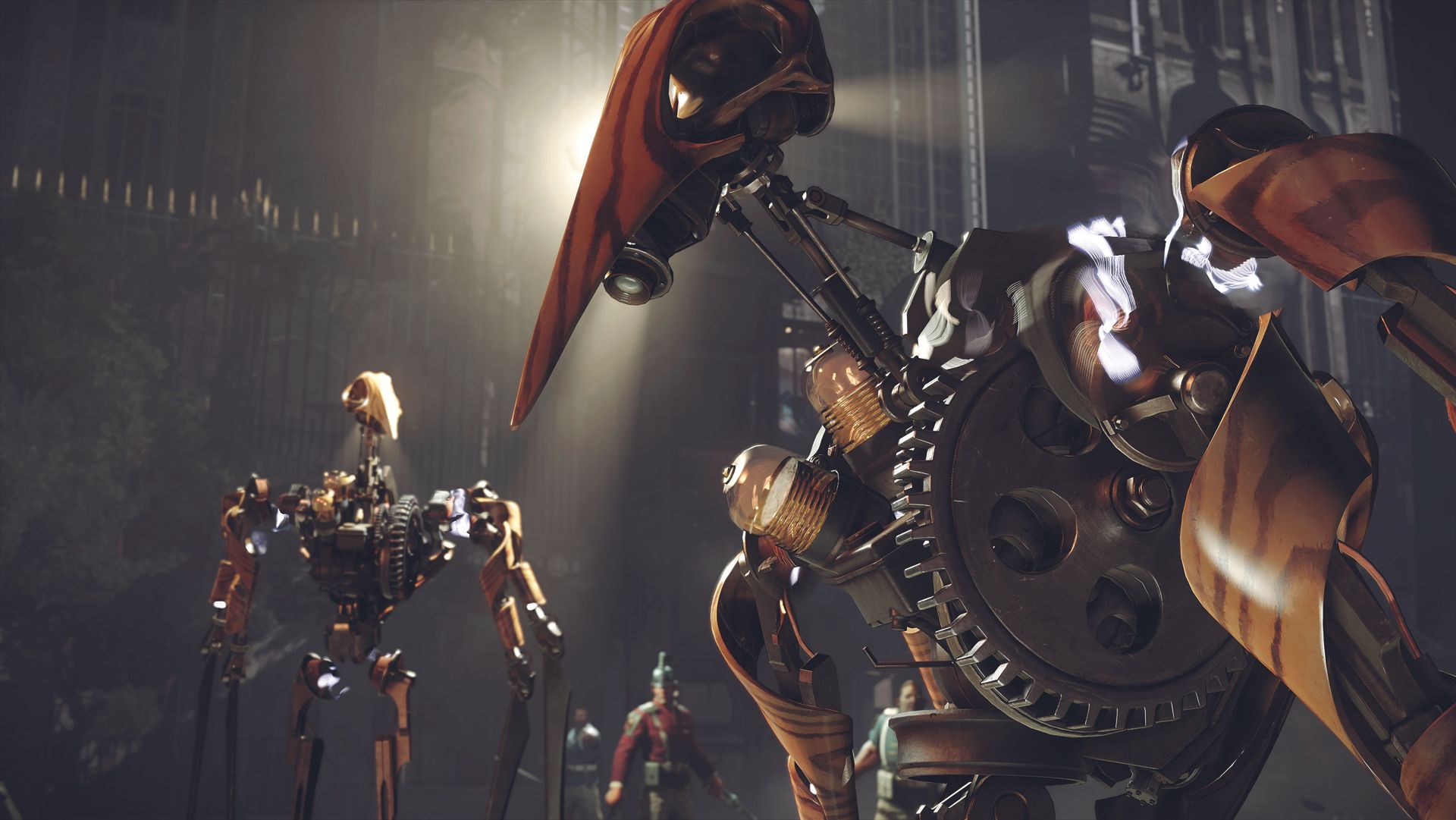
“I need to put on the disguise so the guard won’t kill me and I can walk past the other guards,” Smith says. “But then we were like, ‘Well, if I’m in his body, then I can walk through the Wall of Light because it’s attuned to the guards. Or if I possess a rat, I can get into the rat tunnels and come into the building. And if I walk past the guard, the guard literally tries to stomp me because I’m a rat.'”
Let’s hope Black Pony’s not the one trick pony, right?
Harvey Smith
Suddenly, level designers were creating routes that allowed players to possess a fish in a fountain, follow the pipes up the u-bend, and emerge in the toilet of an assassination target. “We got a lot of love for that,” Smith says. “But it was magical to us too.”
He hopes the same approach will see Black Pony Immersive join Arkane, Ion Storm and Looking Glass in the lineage of great immersive sim studios. “Even if we’re doing the same type of game we’ve done for a long time, we can find a way to take a thing we’ve done before and recontextualise it because of the new subject matter,” he says. “Let’s hope Black Pony’s not the one trick pony, right?”
2026 games: All the upcoming games
Best PC games: Our all-time favorites
Free PC games: Freebie fest
Best FPS games: Finest gunplay
Best RPGs: Grand adventures
Best co-op games: Better together

