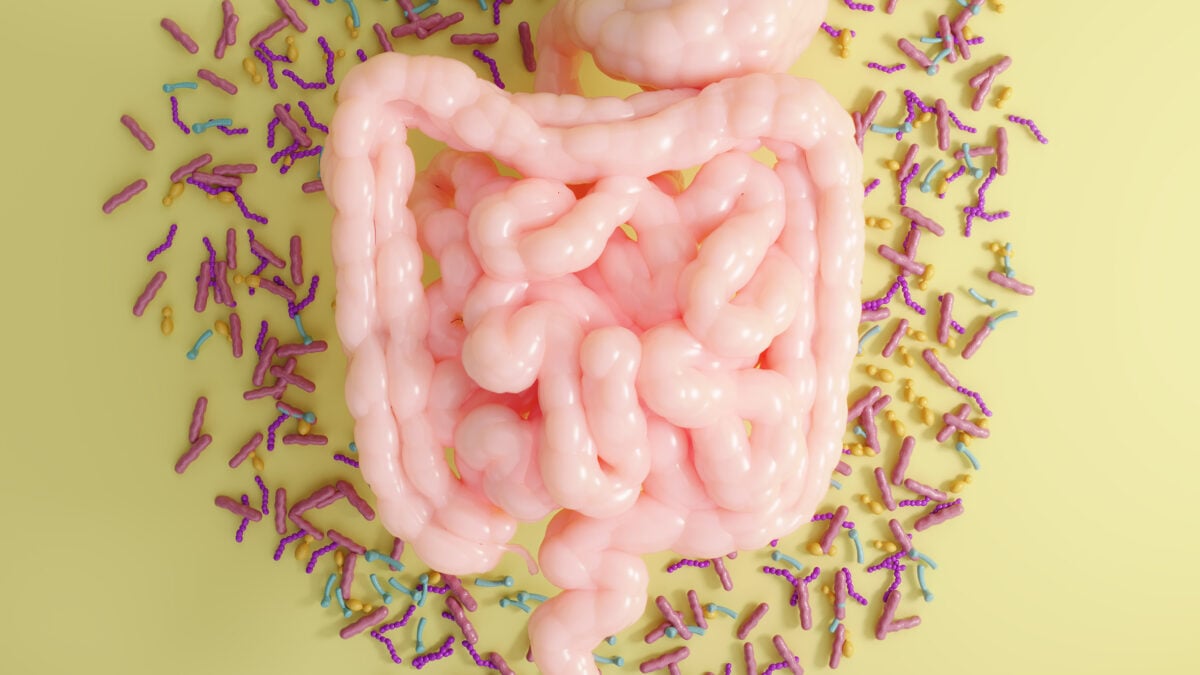
Судалгаагаар ургамлын гаралтай эслэг болон шингэдэггүй уураг гэдэсний бичил биетнээс үүсэх зарим бодисын тэнцвэрийг эрүүл мэндэд ашигтай чиглэлд өөрчилдөг болохыг харуулжээ.
Принстоны их сургуулийн молекул биологич Женна АбуСалим, Жошуа Рабиновиц нарын удирдсан хоёр судалгаа PNAS болон Nature Metabolism сэтгүүлд нийтлэгджээ. Эрдэмтэд гэдэсний бактери амин хүчлүүдийг задлахад үүсдэг фенолын метаболит хэмээх бодисыг шинжилж, тирозин болон фенилаланинаас гарах бүтээгдэхүүнд хоол хүнсний нөлөөг судалсан байна.
{embed}
Судалгаагаар эслэг болон ургамлын гаралтай шингэдэггүй уураг буюу Prif нь тирозиноос үүсэх эрүүл мэндэд сөрөг төрлийн фенолын метаболитын хэмжээг бууруулж, фенилаланинаас үүсэх ашигтай төрлийнхийг нэмэгдүүлдэг болохыг тогтоожээ. Хулганад хийсэн туршилтаар эслэг дуусах үед бактери гэдэсний ханын салстыг задалж эхэлж, биед сөрөг нөлөө үзүүлж болзошгүй нэгдэл үүсгэж байв; харин ашигтай нэгдлүүдийн ихэнх нь Prif уургаас үүссэн байна.
Мөн хулгана, харх, хүний эсэд хийсэн туршилтаар индол-3-лактат, индол-3-ацетат зэрэг, өмнө нь зөвхөн гэдэсний бактериас үүсдэг гэж үзэж байсан зарим метаболит биеийн бусад хэсгийн эсэд ч бий болж болохыг илрүүлжээ. Судалгааны үр дүн нь хооллолт бичил биетний үүсгэдэг бодисуудад хэрхэн нөлөөлдгийг ойлгох, цаашдын эмчилгээ болон хоол тэжээлийн судалгааг чиглүүлэхэд ач холбогдолтой ч хүний эрүүл мэндэд үзүүлэх урт хугацааны нөлөөг цаашид судлах шаардлагатай.
Дэлгэрэнгүйг эх сурвалжаас харах
↓Эх сурвалжийг нээх ↓
We know that the fiber and proteins in plant-based foods are good for us, but what’s less clear is exactly how they bring about beneficial effects in the body – something that researchers have now taken a closer look at.
The findings, published in PNAS and Nature Metabolism, show the processes through which plant proteins and fiber produce health-promoting chemicals (metabolites) in the blood.
A related discovery reveals that beneficial chemicals, previously thought to be produced exclusively by gut microbes, can in fact be made by other cells, too.
Taken together, it’s a significant step forward in understanding diet, gut composition, and health.
Both studies were led by molecular biologists Jenna AbuSalim and Joshua Rabinowitz from Princeton University, and both shed new light on where the metabolites in our bodies that do us good are actually coming from.
“There’s growing interest across medical disciplines in manipulating the human microbiome or using its metabolic products themselves for therapy,” says Rabinowitz.
“Diet holds great promise for controlling the microbiome and its outputs. But to devise effective therapeutic interventions, we need to understand what aspects of the diet control which microbial outputs.”
The terms used can get quite technical – this was a detailed chemical analysis, after all – but in simple terms the researchers were looking at chemicals called phenol metabolites, produced as gut bacteria digest certain amino acids.
These phenols are released by amino acids called tyrosine and phenylalanine, and the researchers found that fiber and particular proteins from plants alike influenced the types of chemicals being triggered from the same raw materials.
“Our studies showed that both the fiber and indigestible proteins from plants – which we call ‘proteins imitating fiber’, or Prif – shift the balance of phenol metabolites from the harmful kind made from tyrosine to the healthful variety derived from phenylalanine,” says AbuSalim.
Further experiments on mice showed that if and when the fiber runs out, bacteria can start feeding on the mucus lining the gut walls, producing compounds that are potentially harmful to the body.
In contrast, the good chemicals come almost entirely from the Prif proteins mentioned earlier. These proteins are working together with fiber to push gut bacteria metabolites in the right direction, and keep them there.
“We think Prifs represent an emerging class of dietary nutrients that shape the composition of the gut microbiome and could have a far-reaching influence on metabolic health,” says AbuSalim – so much so that food packaging might one day come with its Prif content listed as well as the amount of fiber it contains.
The researchers also discovered that a broader range of metabolites, known to be closely related to health and previously believed to all come from gut bacteria, could also be produced by metabolism processes elsewhere in the body.
Chemicals such as indole-3-lactate and indole-3-acetate, for example, could be produced by other cells outside of the gut, according to experiments carried out by the researchers on cells from mice, rats, and humans.
When it comes to the bigger picture of maintaining good health, including through our diets, the studies will be helpful in the future development of treatments – whether that’s in terms of drugs that affect gut bacteria, or research interpreting dietary interventions.
It’s also another reminder to get as many plant-based foods in your diet as possible – as they really seem to promote positive gut metabolites, and healthier bodily functions.
Next, the researchers could look more directly at how diet changes influence human health over time, when it comes to phenol metabolite production, and examine in more detail how cells outside the gut produce the chemicals covered in these studies.
“A clearer picture of how different foods interact with the microbiome to modulate the production of bacterial metabolites will help sharpen the guidance nutritionists and doctors can give to people for disease prevention and therapy,” says Rabinowitz.
The research has been published in PNAS and Nature Metabolism.