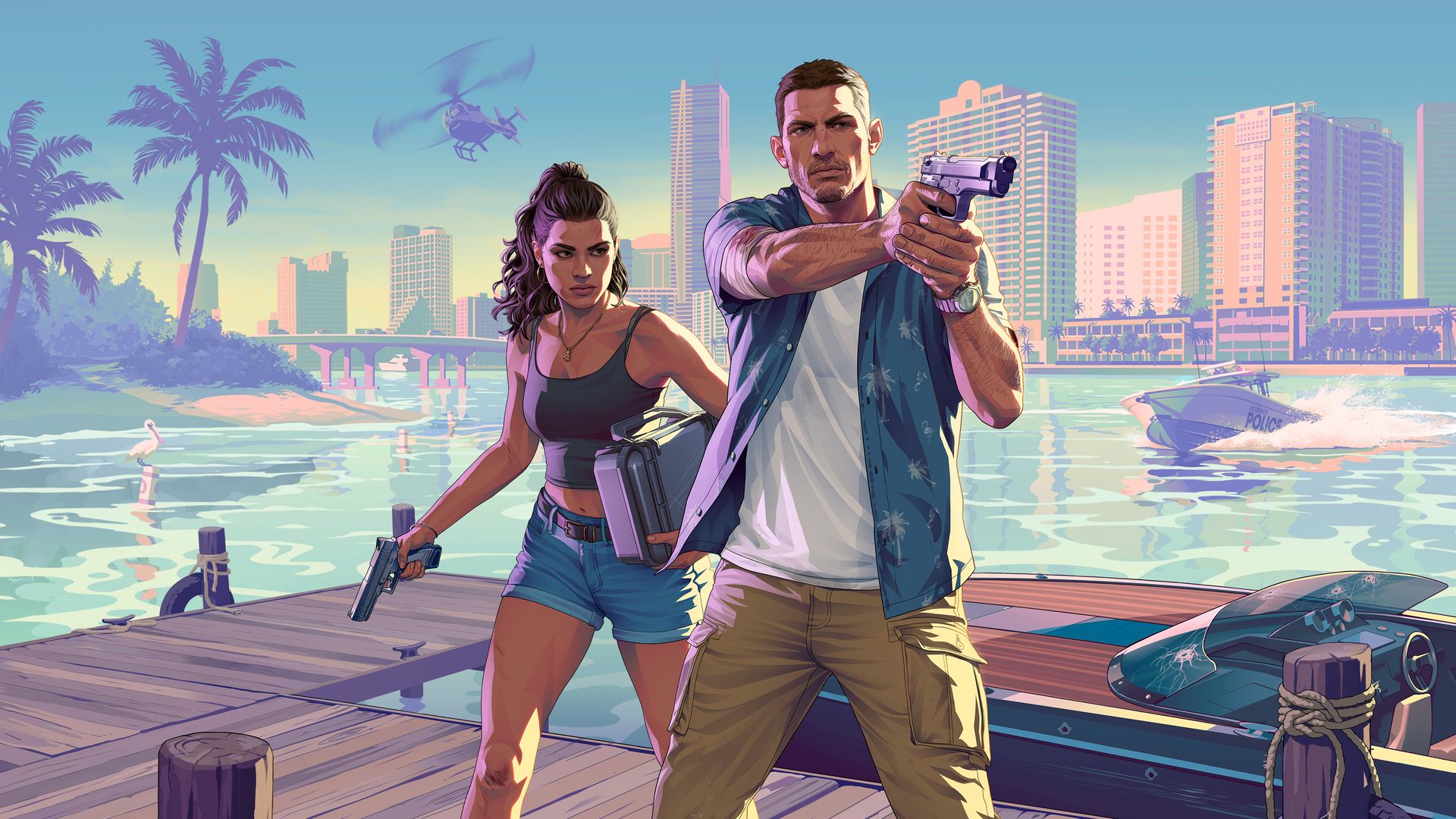
Хиймэл оюун ухаан тоглоомын явцыг шинэчилж болох ч хүний бүтээлч оролцоо, ажлын байр, хэрэглэгчдийн хандлага гол сорилт хэвээр байна.
Take-Two Interactive-ийн гүйцэтгэх захирал асан Бен Федер тоглоом хөгжүүлэлтэд хиймэл оюун ухаан ашиглах талаарх тоглоомчдын байр суурь өөрчлөгдөж магадгүй гэж үзжээ. Тэрээр Grand Theft Auto IV, Red Dead Redemption, Borderlands, BioShock зэрэг тоглоомын нээлтийн үеийг удирдаж байсан бөгөөд анимэйшний салбар гар зургаас компьютер графикт шилжсэнтэй энэ өөрчлөлтийг зүйрлэсэн байна. Федерийнхээр, хиймэл оюуныг тоглоомчдод бодитоор үнэлүүлэхүйц томоохон жишээ салбарт хэрэгтэй аж.
Тэрээр хиймэл оюуныг зөвхөн зардал бууруулах хэрэгсэл бус, тоглоомын явцыг эрс өөрчилж, шинэ төрлийн туршлага бий болгох боломж гэж хардаг. Гэвч Toy Story киноны дүрсийг анимэйшнчид кадр бүрээр нь бүтээж, шинэ дижитал хэрэгслийг туслах байдлаар ашигласан бол хиймэл оюун ухаан өмнөх хүний бүтээлийг сургаж, түүн дээр үндэслэн шинэ агуулга үүсгэдэг нь ялгаатай. Федер хиймэл оюунд төвлөрсөн төслүүдэд хөрөнгө оруулдаг TIRTA Ventures-ийг удирддаг.
Grand Theft Auto VI-г хиймэл оюуны оролцоогүй бүтээсэн гэж Take-Two-ийн одоогийн гүйцэтгэх захирал Страус Зелник нээлтийн өмнө мэдэгдсэн бөгөөд Леонида мужийг хүмүүс нарийн боловсруулсан гэж хэлжээ. Гэсэн ч компани хиймэл оюуныг ашиглах хэдэн зуун туршилтын төсөл хэрэгжүүлж, энтертайнментын салбарын хамгийн үр ашигтай компани болох зорилго тавьсан байна. Зелник мөн OpenAI, Anthropic зэрэг компаниудыг тоглоом хөгжүүлэгчдийн оюуны өмчийг хиймэл оюунаар хуулбарлах боломж олгож байна хэмээн шүүмжилсэн; Anthropic Claude-ийг бодит тоглоомыг шууд хуулбарлахаас сэргийлж шинэчилсэн бол OpenAI ChatGPT-д ижил өөрчлөлт хараахан хийгээгүй байна.
Зелник хиймэл оюун ухааны зорилго нь хүний ажлыг орлуулах бус, давтагддаг ажлыг багасгаж, томоохон тоглоомын хөгжүүлэлтийн хугацааг хөнгөвчлөх гэж тайлбарлажээ. Гэвч суурь код бичих, чанарын шалгалт, концепц зураг зурах зэрэг ажил нь шинэ ажилтнуудын ур чадвар эзэмших шат болдог тул эдгээрийг автоматжуулах нь салбарт туршлагатай боловсон хүчний хомсдол үүсгэж болзошгүй. Мөн хиймэл оюуны оролцоотой тоглоомд өндөр үнэ төлөхөөс тоглоомчид татгалзах, ашигласан гэх өчүүхэн сэжигт ч хүчтэй эсэргүүцэх эрсдэл бий; харин хүний бүтээлч шийдвэр гол хэвээр байж, хиймэл оюун ухаан туслах үүрэгтэй бол илүү сайн тоглоом, богино хүлээлт, боломжийн үнээр хүлээн зөвшөөрөгдөх эсэх нь хараахан тодорхойгүй байна.
Дэлгэрэнгүйг эх сурвалжаас харах
↓Эх сурвалжийг нээх ↓
With the long-awaited release of Grand Theft Auto VI finally having arrived after a 13-year wait — and receiving stunning preliminary reviews in the process — the former CEO of Take-Two Interactive has said he believes that attitudes towards the use of generative AI in game development could be set to change.
Ben Feder presided over the release of hits such as Grand Theft Auto IV, Red Dead Redemption, Borderlands, and BioShock during his tenure, but believes that the negative sentiment surrounding AI mirrors the switch that animators made from hand-drawn frames to computer-generated images.
Feder argues that the gaming industry is waiting for a singular, groundbreaking moment where AI will prove its worth to gamers, similar to Toy Story’s demonstration of how computer-generated imagery revolutionized the animation industry, and allowed for deeper storytelling rather than detracting from it.
GTA VI untouched by AI, but Take-Two’s approach is changing
“A lot of incumbents think about AI as a way of reducing costs, which it is,” Feder said in an interview with The Game Business. “Will it actually reduce costs or just kind of make the games bigger for the same cost? I don’t know. But I personally, and my firm, is more interested in what AI can do to radically change gameplay.”
There is a somewhat glaring contradiction in Feder’s beliefs. Toy Story was 100% human-authored with animators painstakingly shaping every individual frame, just with the assistance of a new digital tool. On the other hand, AI condenses existing human work into a probabilistic representation of what it is asked to create, removing the originality of human intent.
Feder’s perspectives may be somewhat skewed in favor of AI given his current work heading TIRTA Ventures, a venture capital fund investing in AI-native projects.
He argues that AI could instead give companies a way to add value by fundamentally reshaping gameplay and introducing a new generation of gaming experiences.
Well, GTA VI appears to have done exactly that without any AI assistance at all. Take-Two’s current CEO Strauss Zelnick assured fans before release that generative AI played “zero part” in the creation of GTA VI, and that the State of Leonida — where the latest release is set — was meticulously crafted by humans.
On the other hand, Zelnick said Take-Two is “actively embracing generative AI” across “hundreds of pilots” to test the worthiness of the technology in helping the company become the “most efficient company in the entertainment business.”
‘Efficient’ is an interesting choice of words, and follows a similar vein of vocabulary used by big tech companies in brutal waves of layoffs following the adoption of AI.
Zelnick is also heavily protective of the highly valuable intellectual property Take-Two has created in GTA VI, and recently called out companies like OpenAI and Anthropic for allowing their users to clone the IP of game developers through AI platforms, especially as multiple AI companies have accused China of ‘distilling’ their models — effectively stealing their own IP. Ironic.
Anthropic has since updated the backend of its Claude model to prevent users from making direct copies of existing games, but OpenAI is yet to make the same changes to ChatGPT.
Does AI really fit into games development?
Zelnick insists his pledge to increase efficiency isn’t about replacing human work, but instead reducing the burdensome load of repetitive tasks that currently cause production cycles of AAA games to run into the decades.
But those same burdensome loads — such as basic coding, quality assurance, and concept art design — have traditionally been entry-level workloads. If you cut out the work of junior positions, who replaces the seniors when they retire? AI adoption in this sense could cause a talent vacuum that leads game design to regress, rather than birth a new golden age of entertainment.
There is also the glaring issue of charging premium prices for a game that has been in part created using AI. Many gamers’ views on the technology have significantly hardened, with even the slightest suggestion of AI use in a trailer or artwork leading to outcry and review-bombing. Those handing over $80+ for a game expect their purchase to go towards rewarding human craftsmanship.
Given that GTA fans waited 13 years for a new game — and that Skyrim has just celebrated its 15th anniversary with only a title teaser to tide fans over for a new Elder Scrolls installment — there could be a balance to be struck.
Should humans remain in control of the full creative direction and AI only play an assistive role, it is entirely possible that fans would endure the use of generative AI if it leads to better games, shorter wait times, and reasonable pricing.
Whether that will actually happen remains to be seen.