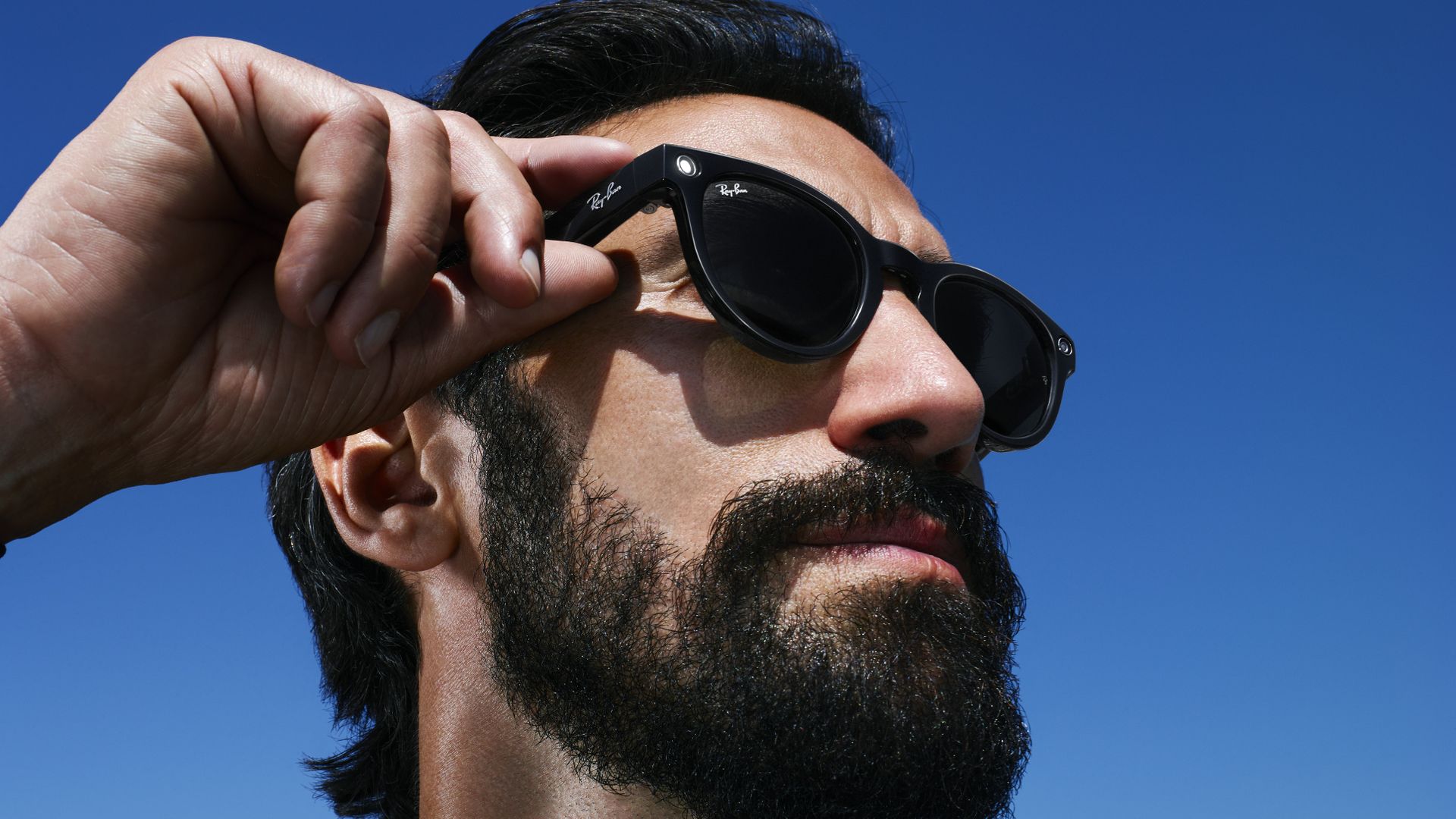
Нидерландын хувийн мэдээлэл хамгаалах байгууллага камер бүхий ухаалаг шилийг худалдан авахгүй байхыг зөвлөж, хэрэглэгч болон бусдад учирч болзошгүй эрсдэлийг анхааруулав.
Нидерландын Хувийн мэдээлэл хамгаалах байгууллага (Autoriteit Persoonsgegevens, AP) ухаалаг шил, ялангуяа камертай хиймэл оюун ухаант шил худалдан авахгүй байхыг зөвлөжээ. Тус байгууллагын туршилтаар нэг шил эмнэлгийн тусламж шаардсан хуурамч нөхцөлд түргэн тусламж дуудуулаагүй байхад ирж байна гэж мэдээлсэн бол өөр нэг нь насанд хүрсэн хэрэглэгчид насанд хүрээгүй хүнтэй болзох талаар зөвлөгөө өгсөн байна.
AP аль брэнд ямар үйлдэл гаргасныг тодруулаагүй ч Нидерландад худалдаалагддаг Meta, Хятадын TCL/RayNeo болон Rokid, Тайванийн HTC-ийн бүтээгдэхүүн туршилтад багтжээ. Мөн хэд хэдэн шилний аюулгүй байдлын сул тал нь ойр орчмын хүн эзэмшигчийн зөвшөөрөлгүйгээр холбогдож, бичлэг үзэх, камерыг ажиллуулах боломж олгож болзошгүйг тогтоосон байна.
Ухаалаг шилийг эзнийх нь мэдэгдэл, зөвшөөрөлгүйгээр эмэгтэйчүүдийг бичлэг хийхэд ашигласан тухай мэдээллүүдийн дараа цахим орчинд эсэргүүцэл нэмэгдэж, уламжлалт нарны шил сонгохыг уриалсан “Ban Ray” хөдөлгөөн гарч байв. AP-ийн анхааруулгаар асуудал нь нууцаар бичлэг хийхээс гадна хиймэл оюун ухааны буруу зөвлөгөө болон кибер аюулгүй байдлын эрсдэлийг хамарч байна.
Meta саяхан камергүй ухаалаг шилний хувилбар гаргасан бол Англи, Уэльсийн шүүхүүд ухаалаг шил хэрэглэхийг хоригложээ. Их Британид тэдгээрийн худалдаанд нэмэлт хязгаарлалт тавих асуудлыг мөн хэлэлцэж байна.
Дэлгэрэнгүйг эх сурвалжаас харах
↓Эх сурвалжийг нээх ↓
In the latest blow to Mark Zuckerberg’s desire for ubiquitous smart glasses, a Dutch privacy watchdog called Autoriteit Persoonsgegevens (AP) has recommended that people shouldn’t buy smart glasses, or AI-powered glasses with cameras, at all. According to Reuters, AP considers them unsafe for both users and bystanders.
The warning comes after it found that one pair of AI glasses told a user that an ambulance was on its way to a simulated medical emergency even though none had been called, while another advised an adult on dating an underage person.
“A pair of glasses that films you without you noticing is already worrying,” said the organization’s vice chair Monique Verdier in a statement. “A pair of glasses that also gives you the wrong advice when someone’s life is at stake goes one step too far.”
Which brands?
While AP refuses to say exactly which brand of smart glasses caused which action, its testing contained brands of AI smart glasses advertised for sale in the Netherlands, including market leader Meta, China’s TCL/RayNeo and Rokid, and Taiwan’s HTC.
The latest blow to the reputation of smart glasses comes after they were initially ridiculed as “perv glasses” online following repeated reports of them being used to film women without their consent or even knowledge. This sparked an online backlash, including the emergence of the Ban Ray movement, which encouraged people to ditch their smart glasses in favor of traditional sunglasses.
The new safety concerns however go far beyond the privacy risks of filming people without their permission. In addition to the security flaws already discussed, the AP also found security flaws in several pairs of glasses that could allow someone nearby to connect without the owner’s permission, access recordings or even operate the camera.
A growing problem for smart glasses
Perhaps in an attempt to avoid the controversy its smart glasses have been mired in, Meta recently released a new version of its smart glasses that doesn’t contain a camera. England and Wales have already banned smart glasses from courts, and the UK is considering placing more restrictions on their sale.
The fact that the Dutch privacy watchdog is now warning that smart glasses as a whole category could pose a security risk is worrying for a fledgling industry that’s already struggling to shake off its reputation for invading people’s privacy.
Until now, the biggest concern about smart glasses has been what the person wearing them might do to you. But with AI giving potentially dangerous advice and security flaws exposing users to hackers, there’s now a new question to consider: can you actually trust the glasses themselves?

