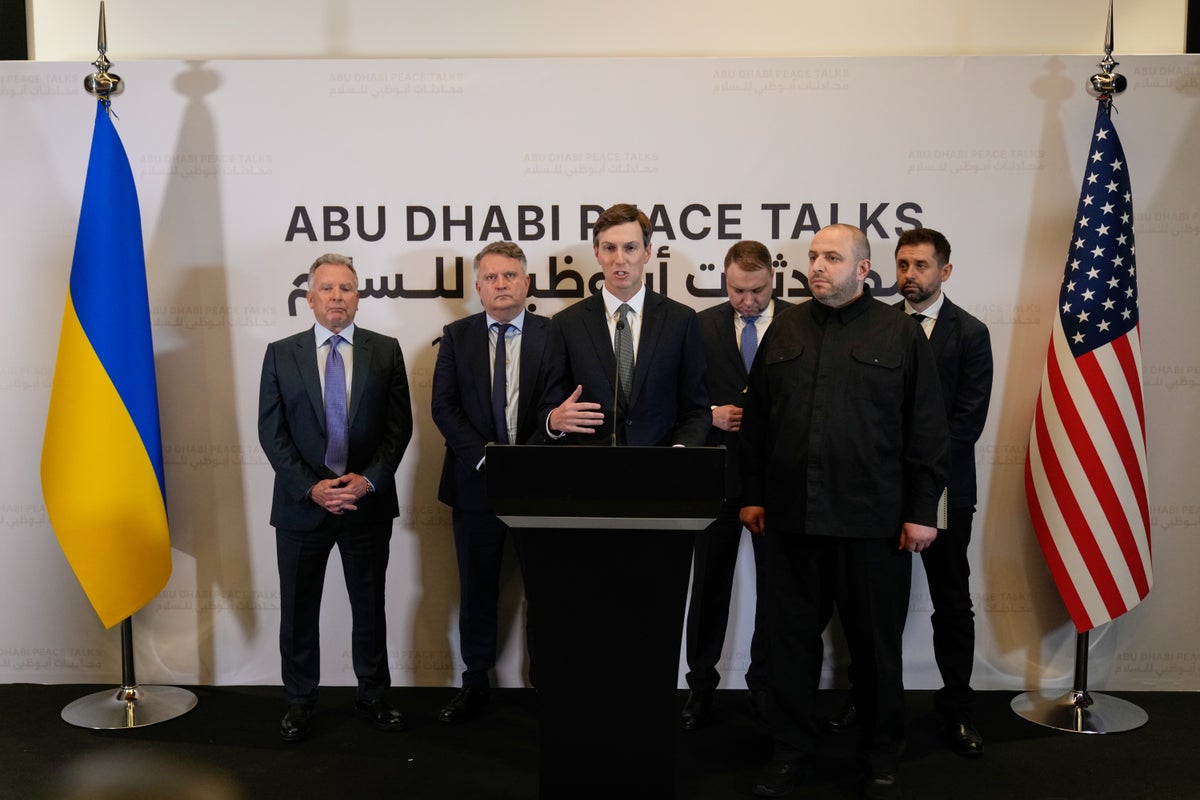
АНУ-ын Европын аюулгүй байдлын тогтолцооны талаар хэлэлцэх саналыг Кремль дэмжиж, НАТО-гийн талаарх өмнөх шаардлагуудаа дахин хөндлөө.
Украины дайн бараг таван жил үргэлжилж буй энэ үед Кремль дайны дараах Европын аюулгүй байдлын асуудлаар хэлэлцэх АНУ-ын саналыг нааштай хүлээн авчээ. Ерөнхийлөгч Дональд Трампын элч нарын дэвшүүлсэн уг санаачилга Оросын байр суурийг бэхжүүлж, НАТО-г сулруулах эрсдэлтэй гэж Украин болон барууны холбоотнууд нь болгоомжилж байна. Путин Украины асуудлаар Трамп, БНХАУ-ын дарга Ши Жиньпин нартай БНХАУ-ын Шэньжэнь хотод болсон АПЕК-ийн дээд хэмжээний уулзалтын үеэр анх удаа гурван талт уулзалт хийсэн нь Киевийг оролцуулахгүйгээр тохиролцоо хийх вий гэсэн болгоомжлолыг нэмэгдүүлжээ.
Орос улс 2021 оны арванхоёрдугаар сард АНУ болон НАТО-д хүргүүлсэн төслийн баримт бичигтээ Украин, Гүрж болон хуучин ЗХУ-ын бүрэлдэхүүнд байсан бусад улсыг НАТО-д элсүүлэхгүй байхыг шаардсан юм. Мөн Украин болон хуучин Зөвлөлтийн орнуудад зэвсэг байрлуулах, цэргийн ажиллагаа явуулахгүй байх, НАТО-гийн цэргийг 1997 онд байгаагүй бүс нутгаас татах санал тавьжээ. Орос, АНУ-ын хөлөг онгоц болон бөмбөгдөгч онгоцны эргүүл, цэргийн сургуулилтыг хязгаарлах зэрэг саналыг НАТО-гийн гишүүд хүлээн аваагүй бөгөөд Путин үүнийг 2022 оны хоёрдугаар сарын 24-нд Украин руу довтлох шийдвэрийнхээ гол шалтгаан гэж тайлбарласан; Украин болон холбоотнууд нь довтолгоог өдөөн хатгалгагүй түрэмгийлэл хэмээн буруушаадаг.
Путин барууны орнууд Оросын НАТО-гийн тэлэлтийн талаарх гомдлыг үл тоосон гэж дахин шүүмжилж, Европын аюулгүй байдлыг хэлэлцэхэд Европын орнууд оролцох ёстой хэмээн мэдэгджээ. Москва Европын төлөөлөгчдийг хэлэлцээний байр сууриа танилцуулахаар урьсан ч үндсэн шаардлагаасаа ухрахгүй, дайны дараа Украинд Европын цэрэг байрлуулахыг зөвшөөрөхгүй бөгөөд тэднийг хууль ёсны бай гэж үзнэ гэж анхааруулсан байна. Кремлийн гадаад бодлогын зөвлөх Юрий Ушаковын хэлснээр, Путин арваннэгдүгээр сарын 12-нд Трампын элч Стив Уиткофф, Жаред Кушнер нартай уулзахдаа 2021 оны саналуудыг сануулж, одоо тэдгээрийг шинэчилсэн байр сууриар баяжуулна гэжээ.
Зарим ажиглагч Оросын шаардлагууд хэлэлцээний эхний байр суурь бөгөөд бусад асуудлаар буулт хийх боломж байж магадгүй гэж үзэж байна. Кремлийг дэмжигч тайлбарлагч Алексей Наумов зэвсэглэл, цэргийн дэд бүтцийн байршуулалт, Украины ирээдүйн армийн хэмжээ, аюулгүй байдлын баталгаа болон хэрэгжилтэд хяналт тавих механизмын талаар тохиролцох орон зай бий гэжээ. Карнегийн Орос, Евразийн төвийн шинжээч Татьяна Становая Москва 2022 оноос хойш анх удаа дайны “үндсэн шалтгаан” гэж нэрлэдэг асуудлаа хэлэлцэх бодит боломж харж байгаа ч яриа хэлэлцээ бүтэлгүйтвэл үргэлжлүүлэн тулалдахад бэлэн гэж тайлбарласан байна.
Европын удирдагчид Москва АНУ-тай тохиролцсоноор Украин болон Европын аюулгүй байдал суларч болзошгүйд санаа зовж байгаа бөгөөд ЕХ-ны гадаад бодлогын тэргүүн Кая Каллас хэлэлцээг үргэлжлүүлэхээс өмнө гал зогсоохыг шаардах ёстой гэж мэдэгджээ. Украины Ерөнхийлөгч Володимир Зеленский дайныг дуусахаас өмнө Европын аюулгүй байдлын шинэ тогтолцоог хэлэлцэх нь НАТО-г сулруулж, тивийн хил хязгаарыг өөрчлөхөд хүргэж болзошгүйг анхааруулсан байна. Харин Кушнер пүрэв гарагт Берлинд Зеленский болон Европын удирдагчидтай уулзсаны дараа Трамп Европын талтай хамтран тохиролцоо хийхийг зорьж байгаа бөгөөд дайны дараах Украинд НАТО-той төстэй аюулгүй байдлын баталгаа олгох хувилбарт нээлттэй гэж хэлжээ. Трамп уулзалтын үеэр утсаар холбогдсон гэж Кушнер мэдээлсэн бол Становая хэлэлцээ Европын холбоотнуудын зөрчлийг гүнзгийрүүлж, бодит үр дүнд хүрэх магадлал бага гэж үзсэн байна.
Дэлгэрэнгүйг эх сурвалжаас харах
↓Эх сурвалжийг нээх ↓
Want to bookmark your favourite articles and stories to read or reference later? Start your Independent Membership today.
Already a member?
{
experienceElement.style.display = ‘none’;
let checks = 0;
const maxChecks = 50;
const checkDrawerVisibility = setInterval(() => {
const drawer = document.querySelector(‘.pn-drawer–login, .pn-drawer, #login-drawer, .login-drawer-container, [class*=”login-drawer”]’);
const drawerCloseBtn = document.querySelector(‘#drawer > div > button’);
const isDrawerVisible =
(drawer &&
(drawer.offsetParent !== null ||
drawer.classList.contains(‘is-open’) ||
window.getComputedStyle(drawer).display !== ‘none’)) ||
drawerCloseBtn;
checks++;
if (isDrawerVisible) {
clearInterval(checkDrawerVisibility);
const monitorClosure = setInterval(() => {
const drawerStillHere = document.querySelector(
‘.pn-drawer–login, .pn-drawer, #login-drawer, .login-drawer-container, [class*=”login-drawer”]’
);
const innerContent = document.querySelector(‘#drawer > div’);
const isVisible =
(drawerStillHere &&
(drawerStillHere.offsetParent !== null ||
drawerStillHere.classList.contains(‘is-open’) ||
window.getComputedStyle(drawerStillHere).display !== ‘none’)) ||
innerContent;
if (!isVisible) {
clearInterval(monitorClosure);
experienceElement.style.display = ‘flex’;
}
}, 500);
if (drawerCloseBtn) {
drawerCloseBtn.addEventListener(
‘click’,
() => {
setTimeout(() => {
experienceElement.style.display = ‘flex’;
}, 100);
},
{ once: true }
);
}
} else if (checks >= maxChecks) {
clearInterval(checkDrawerVisibility);
experienceElement.style.display = ‘flex’;
}
}, 200);
};
{
document.documentElement.classList.add(‘mos-bookmark-open’);
const el = document.querySelector(‘.bookmark-experience’);
if (el) el.style.display = ‘flex’;
document.cookie = ‘mos-plan-select=; Max-Age=0; path=/; expires=Thu, 01 Jan 1970 00:00:00 UTC;’;
el?.querySelector(‘.subscribe-link’)?.addEventListener(‘click’, (e) => {
e.preventDefault();
document.cookie = ‘mos-plan-select=; Max-Age=0; path=/; expires=Thu, 01 Jan 1970 00:00:00 UTC;’;
setTimeout(() => {
window.location.href = “https://www.independent.co.uk/subscribe/app?regSourceMethod=Bookmarks”;
}, 500);
}, { once: true });
el?.querySelector(‘.close-btn’)?.addEventListener(‘click’, () => {
document.documentElement.classList.remove(‘mos-bookmark-open’);
}, { once: true });
});
]]>
After nearly five years of fighting in Ukraine, the Kremlin is eagerly embracing a U.S. offer to discuss postwar European security, and Moscow is using that diplomatic opening to reaffirm the tough demands that President Vladimir Putin put forward before the start of his full-scale invasion.
The proposal to discuss broader security arrangements for Europe was floated by U.S. President Donald Trump’s envoys, and that has worried Ukraine and its Western allies, who fear it will play into Moscow’s hands and weaken NATO.
The Kremlin strongly backed the U.S. idea, describing a review of the broader European security framework as vital for a settlement of Europe’s most devastating conflict since World War II.
cookie.trim() === ‘__DEBUG__=true’)) { console.log(‘Ad logs: “mpu1”, injectedAtParagraph: 3’); }]]>
Putin discussed the Ukrainian conflict with Trump and Chinese President Xi Jinping on the sidelines of the APEC summit in Shenzhen, China, their first trilateral meeting. That encounter had fueled fears in Ukraine that they could discuss a possible settlement without Kyiv’s participation.
Ukrainian President Volodymyr Zelenskyy wants a ceasefire to include a security framework to ensure that Russia does not attack his country again, and European leaders argue that such an architecture already exists in the form of NATO.
Russia’s demands date back to 2021
In draft agreements submitted to the U.S. and NATO in December 2021, two months before the invasion, Russia demanded that Washington and its allies pledge to exclude NATO’s expansion to Ukraine, Georgia or any other nation that was once part of the Soviet Union.
cookie.trim() === ‘__DEBUG__=true’)) { console.log(‘Ad logs: “taboola-carousel-thumbnails”, injectedAtParagraph: 6’); }]]>
Moscow also demanded that the U.S. and its allies make a commitment to not deploy weapons or conduct any military activities in Ukraine and other ex-Soviet nations.
The documents also obliged the alliance not to station any troops in areas where they weren’t present in 1997 — before NATO moved to incorporate former Soviet bloc countries and ex-Soviet republics.
cookie.trim() === ‘__DEBUG__=true’)) { console.log(‘Ad logs: “mpu2”, injectedAtParagraph: 8’); }]]>
They also suggested a freeze on patrols by Russian and U.S. warships and bombers near each other’s borders. In addition, they called for efforts to reduce the risk of incidents involving Russia and NATO warships and aircraft, primarily in the Baltic and the Black seas; a reduction in the scope of military drills; and greater transparency and other confidence-building measures.
NATO allies have rejected the Russian demands as a nonstarter.
Putin described the West’s refusal to consider these proposals as the main reason behind his decision to send troops into Ukraine on Feb. 24, 2022, arguing that he had to act to fend off a major threat to Russia’s national security. Ukraine and its allies denounce the invasion as an unprovoked act of aggression.
cookie.trim() === ‘__DEBUG__=true’)) { console.log(‘Ad logs: “mpu3”, injectedAtParagraph: 10’); }]]>
Moscow sees an opportunity to revive and expand its demands
Speaking after the meeting with Xi and Trump, Putin reaffirmed his criticism of the West for failing to take Moscow’s complaints about NATO’s expansion into account.
“They just spat at our opinion,” he said.
Putin bluntly rejected the European response to Moscow’s plans. He called it “political diarrhea” and “nonsense,” saying that “everybody understands that we don’t strive for a war with Europe.”
He said Russia is open to discussing the continent’s security arrangements with the Europeans as the U.S. has suggested, and scoffed at “hysterics in some European capitals” over Washington’s offer.
“We understand that it makes no sense to discuss issues related to security in Europe without the Europeans,” Putin declared. He said Moscow invited a European delegation to visit and state its negotiating position before deciding on the date and format of Ukrainian talks.
Russia is ready to search for compromise, he said, but will not budge on its key demands. He has sternly warned that Russia will not accept the deployment of any European troops into Ukraine after the hostilities end and see them as a legitimate target.
Kremlin foreign affairs adviser Yuri Ushakov said that during talks with Trump envoys Steve Witkoff and Jared Kushner on Nov. 12 in the Kremlin, Putin reminded them of Moscow’s 2021 security proposals, noting that they envisioned the pullback of NATO forces from Central and Eastern Europe.
Ushakov said the Kremlin would now update them with “fresh considerations.”
Some see room for compromise by Russia
While Putin appears adamant on keeping Kyiv out of NATO and blocking any Western troops on Ukrainian soil, some observers say Moscow could be open to concessions on its other demands, including the rollback of NATO troops from Central and Eastern Europe.
Alexei Naumov, a pro-Kremlin political commentator, argued that Russian demands represented an initial bargaining position that could become more flexible during talks.
“Between maintaining the current status quo and the full realization of Russia’s demands, there is a vast space for compromise: mutual arms limitations, agreements regarding the deployment of military infrastructure, the parameters for a future Ukrainian military, security guarantees, and mechanisms to monitor their implementation,” he said in a commentary.
“Russia is currently negotiating from a position of strength, but that does not at all mean there will be no compromises.”
Tatiana Stanovaya, an expert at the Carnegie Russia Eurasia Center, said that “for the first time since 2022, Moscow sees a concrete opening for negotiations that could address what it calls the ‘root causes’ of the war.”
“The Kremlin thinks the opportunity is worth pursuing, even though its expectations for this round are low,” she said. “If the talks fail, Russia is prepared to keep fighting until another opening presents itself.”
Russia expert Mark Galeotti, who heads the Mayak Intelligence consultancy, said Moscow’s set of demands could reflect “the classic attempt to start with a very, very exaggeratedly ambitious list of proposals with the expectation that you get haggled down.”
Putin could be searching for a face-saving way to end the war without achieving the land gains in Ukraine that he had sought, Galeotti noted in a recent podcast.
Ukraine and its allies fear security talks will benefit Moscow
European leaders fear that Putin could persuade Trump to support a peace settlement that would weaken not only Ukraine but broader European security.
The European Union’s top diplomat, Kaja Kallas, said Europe must insist on a ceasefire before taking the negotiations further — the opposite of what Putin demands.
“If we start to talk about what Russia is asking regarding the security architecture, we actually walk into the traps that Russia is setting us,” she said at a meeting of the European Political Community in Dublin earlier this month.
Zelenskyy also has warned that the U.S. proposal to discuss a new security framework for Europe before the war’s end could be dangerous, arguing that Moscow could use such discussions to weaken NATO and reshape the continent’s borders.
Kushner, meanwhile, said after meeting with Zelenskyy and European leaders on Thursday in Berlin that Trump wants to make a deal with Europe “by his side” and is not looking to impose a unilateral agreement. He also emphasized that Trump is “open” to NATO-like security guarantees for postwar Ukraine, added that he believes Russia is “comfortable” with the allies offering such assurances to Kyiv.
Trump called into the Berlin talks following his meeting with Putin, Kushner said.
Stanovaya noted that Putin wants Europe to accept that Russia will have to be part of any negotiation on European security and predicted that the prospective talks will fuel differences among the allies.
“I expect the process to deepen divisions within Europe, with little prospect of concrete results,” she said in a post on X.

