
Бангкокт болсон жагсаалд оюутнууд боловсролын тэгш хүртээмж, залуусын бодлого боловсруулахад оролцох боломжийг шаардаж, цэрэг татлага болон нийгмийн бусад асуудлыг хөнджээ.
Тайландын оюутан, залуу идэвхтнүүд баасан гарагт Бангкок хотын Ардчиллын хөшөөний дэргэд жагсаж, боловсролын шинэчлэл болон залуусын шийдвэр гаргах үйл явцад оролцох боломжийг шаардлаа. Studem Network, Free Thai Youth зэрэг оюутны сүлжээнүүдийн зохион байгуулсан жагсаал Хүүхдийн эрхийг хамгаалах дэлхийн өдөртэй давхацжээ. Жагсагчид муурын чихтэй тууз зүүж, Ерөнхий сайд Анутин Чарнвиракулийн “хулгана” гэсэн утгатай хочийг ёжилсон уриа барьсан байна.
Зохион байгуулагчид жагсаал улс төрийн аль нэг намтай холбоогүй гэж мэдэгдэв. Оролцогчид албадан цэргийн алба, цагаач ажилчдыг ялгаварлан гадуурхах явдал, Тайланд-Камбожийн мөргөлдөөнийг тойрсон үндсэрхэг үзлийн хурцадмал байдлыг шүүмжилжээ. Оюутны сүлжээний төлөөлөгч Теерапатын хэлснээр, Тайландад чанартай дунд болон их боловсрол эзэмших боломж гэр бүлийн санхүүгийн байдлаас ихээхэн хамаарч, залуус сургалтын зээл болон төгссөний дараах ажлын байрны тодорхойгүй байдалтай нүүр тулж байна.
Studem Network боловсролыг тэгш хүртээмжтэй болгох, сургуулиудад ардчилсан эрх чөлөөг нэмэгдүүлэх, бодлого боловсруулахад залуусыг бодитоор оролцуулах, шүүмжлэн сэтгэх чадварыг чухалчилсан тогтолцоо бүрдүүлэх гэсэн дөрвөн шаардлага тавьжээ. Тус сүлжээний мэдэгдэлд залуус одоогийн тогтолцоонд дасан зохицохоос гадна нийгмийн бүтцийг шүүмжилж, өөрчлөх чадвартай боловсрол хүсэж буйг дурдсан байна. Теерапат жагсагчид Үндсэн хуулиар олгогдсон эрхээ эдэлж байгаа бөгөөд улс төрийн намууд ард түмэнд үйлчлэх ёстой гэж хэлжээ.
Жагсаал 19:25 цагийн орчимд тайван өндөрлөж, зохион байгуулагчид оролцогчдоос хогоо цэвэрлэхийг хүссэн байна. Цагдаагийн мэдээлснээр, цуглааныг урьдчилан мэдэгдсэн бөгөөд хэв журам сахиулж, замын хөдөлгөөн зохицуулахаар алба хаагчдыг ажиллуулжээ.
Бямба гарагт Анутин жагсаал хуульд нийцсэн нөхцөлд Засгийн газар шаардлагыг сонсож, хэрэгжүүлэх боломжтой саналуудыг холбогдох байгууллагад уламжилна гэж мэдэгдэв. Азийн Энэтхэг, Бангладеш, Балба, Шри-Ланка, Пакистан зэрэг оронд залуусын жагсаал өрнөж, авлига, ажилгүйдэл, боловсролын хүртээмж, тэгш бус байдал болон иргэний эрх чөлөөний асуудлыг хөнджээ. Эдгээр хөдөлгөөнд нийтлэг ажиглагдаж буй гомдол нь залуус өөрсдийн ирээдүйд нөлөөлөх шийдвэрээс гадуур үлдэж байна гэсэн ойлголт бөгөөд нийгмийн сүлжээ нь мэдээлэл түгээх, дэмжигчдийг дайчлахад чухал хэрэгсэл болж байна.
Дэлгэрэнгүйг эх сурвалжаас харах
↓Эх сурвалжийг нээх ↓
Want to bookmark your favourite articles and stories to read or reference later? Start your Independent Membership today.
Already a member?
{
experienceElement.style.display = ‘none’;
let checks = 0;
const maxChecks = 50;
const checkDrawerVisibility = setInterval(() => {
const drawer = document.querySelector(‘.pn-drawer–login, .pn-drawer, #login-drawer, .login-drawer-container, [class*=”login-drawer”]’);
const drawerCloseBtn = document.querySelector(‘#drawer > div > button’);
const isDrawerVisible =
(drawer &&
(drawer.offsetParent !== null ||
drawer.classList.contains(‘is-open’) ||
window.getComputedStyle(drawer).display !== ‘none’)) ||
drawerCloseBtn;
checks++;
if (isDrawerVisible) {
clearInterval(checkDrawerVisibility);
const monitorClosure = setInterval(() => {
const drawerStillHere = document.querySelector(
‘.pn-drawer–login, .pn-drawer, #login-drawer, .login-drawer-container, [class*=”login-drawer”]’
);
const innerContent = document.querySelector(‘#drawer > div’);
const isVisible =
(drawerStillHere &&
(drawerStillHere.offsetParent !== null ||
drawerStillHere.classList.contains(‘is-open’) ||
window.getComputedStyle(drawerStillHere).display !== ‘none’)) ||
innerContent;
if (!isVisible) {
clearInterval(monitorClosure);
experienceElement.style.display = ‘flex’;
}
}, 500);
if (drawerCloseBtn) {
drawerCloseBtn.addEventListener(
‘click’,
() => {
setTimeout(() => {
experienceElement.style.display = ‘flex’;
}, 100);
},
{ once: true }
);
}
} else if (checks >= maxChecks) {
clearInterval(checkDrawerVisibility);
experienceElement.style.display = ‘flex’;
}
}, 200);
};
{
document.documentElement.classList.add(‘mos-bookmark-open’);
const el = document.querySelector(‘.bookmark-experience’);
if (el) el.style.display = ‘flex’;
document.cookie = ‘mos-plan-select=; Max-Age=0; path=/; expires=Thu, 01 Jan 1970 00:00:00 UTC;’;
el?.querySelector(‘.subscribe-link’)?.addEventListener(‘click’, (e) => {
e.preventDefault();
document.cookie = ‘mos-plan-select=; Max-Age=0; path=/; expires=Thu, 01 Jan 1970 00:00:00 UTC;’;
setTimeout(() => {
window.location.href = “https://www.independent.co.uk/subscribe/app?regSourceMethod=Bookmarks”;
}, 500);
}, { once: true });
el?.querySelector(‘.close-btn’)?.addEventListener(‘click’, () => {
document.documentElement.classList.remove(‘mos-bookmark-open’);
}, { once: true });
});
]]>
Students and young activists in Thailand gathered at a public monument in Bangkok on Friday to demand education reform and greater youth participation in policymaking.
Organised by student networks including Studem Network and Free Thai Youth, the demonstration at the Democracy Monument coincided with World Children’s Day.
Protesters wore cat-ear headbands and held placards that read “wear cat ears to chase out Noo”, a reference to prime minister Anutin Charnvirakul’s nickname, meaning mouse or rat in Thai.
cookie.trim() === ‘__DEBUG__=true’)) { console.log(‘Ad logs: “mpu1”, injectedAtParagraph: 3’); }]]>
The organisers said the rally was independent of political parties.
Participants raised concerns about compulsory military conscription, discrimination against migrant workers, and nationalist tensions surrounding the Thai-Cambodian conflict.
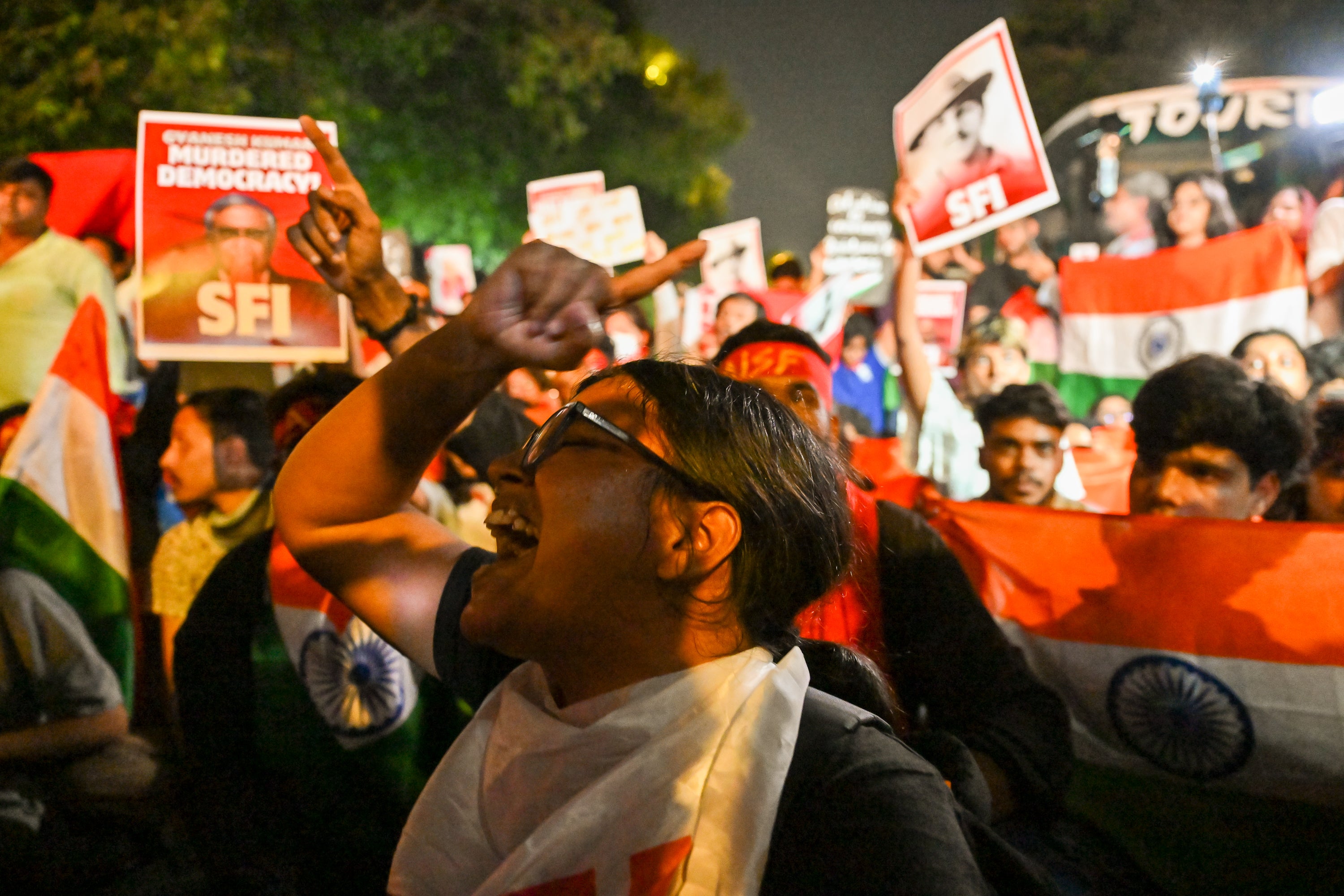
The protests are the latest in the series of demonstrations witnessed across Asia by the Gen Z – the demographic born roughly between 1997 and 2012. This is a new generation of protesters who are challenging governments over issues ranging from corruption and unemployment to education, inequality and restrictions on civil liberties.
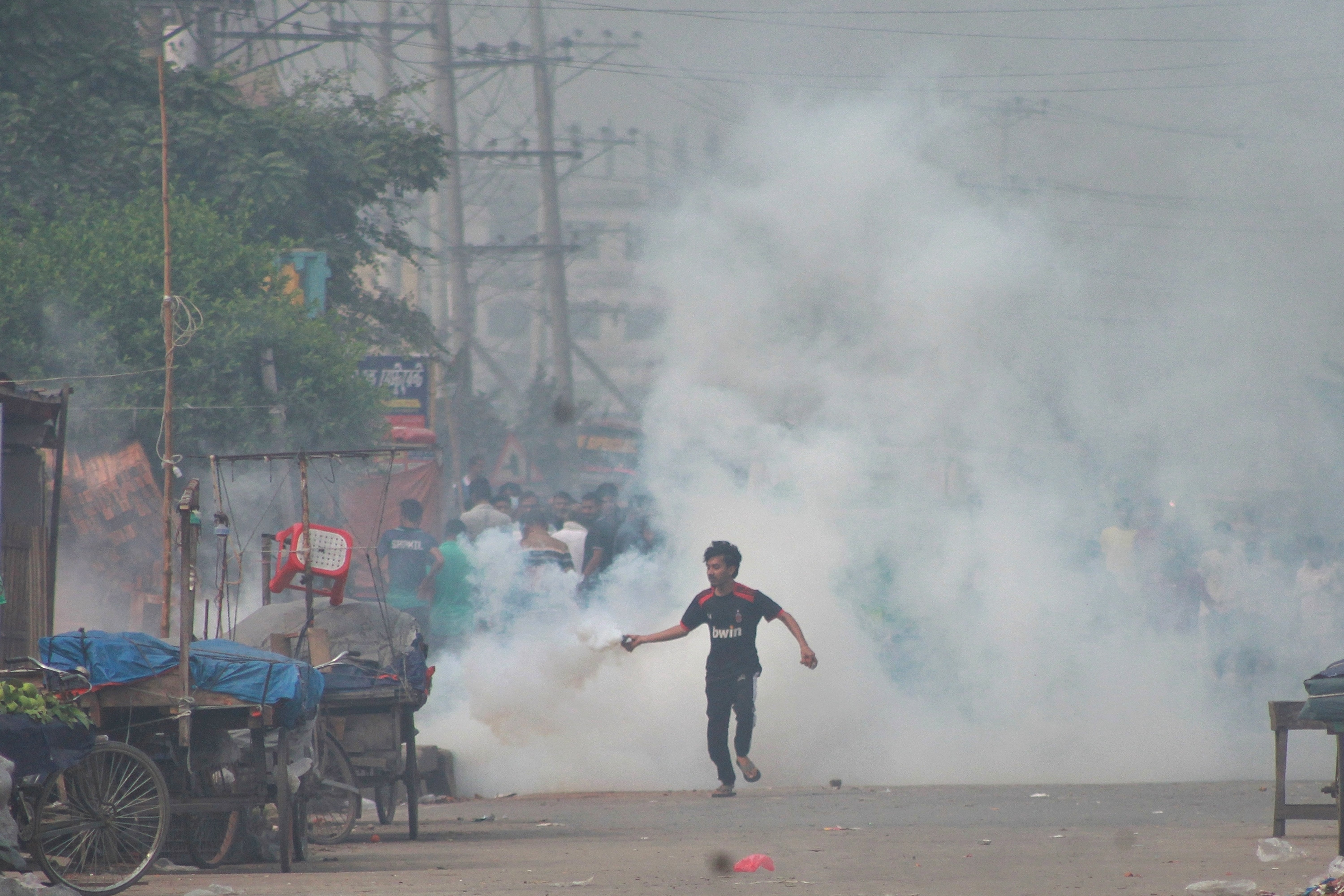
Similar demonstrations have erupted in several countries, including India, Bangladesh, Nepal, Sri Lanka and Pakistan. The countries have very different political systems, but many share a common grievance of young people feel excluded from decisions that will shape their futures.
cookie.trim() === ‘__DEBUG__=true’)) { console.log(‘Ad logs: “taboola-carousel-thumbnails”, injectedAtParagraph: 6’); }]]>
A representative of the student network Teerapat participating in the Friday protest in Thailand, told the Strait Times that access to quality secondary and university education in Thailand remained heavily dependent on family finances.
Young people were also burdened with student loans while facing uncertain employment prospects after graduation.
cookie.trim() === ‘__DEBUG__=true’)) { console.log(‘Ad logs: “mpu2”, injectedAtParagraph: 8’); }]]>
In its statement, Thai youth and student democracy group Studem Network outlined four demands.
These include equal access to quality education, greater democratic freedoms within schools, meaningful youth participation in policymaking and an education system that prioritises critical thinking rather than simply preparing people to serve commercial interests, reported The Nation.
“We do not simply want an education that teaches us to compete and survive within the existing system. We want an education that allows us to criticise, question and collectively transform the social structures that oppress us,” the network said, according to The Nation.
cookie.trim() === ‘__DEBUG__=true’)) { console.log(‘Ad logs: “mpu3”, injectedAtParagraph: 10’); }]]>
Teerapat rejected allegations that political parties were behind the demonstration, saying young people were exercising their constitutional rights in response to genuine grievances.
“We are not slaves to political parties. Political parties are supposed to serve the people,” he said.
The protest ended peacefully at about 7.25pm, with organisers asking participants to clear rubbish before leaving. Police said the gathering had been notified in advance and officers had been deployed to maintain order and manage traffic.
On Saturday, Anutin said his government was prepared to hear the protesters’ demands, provided demonstrations remained within the law. He said officials would examine proposals and refer those considered feasible to the relevant government agencies. He also played down the fears the demonstrations could escalate into unrest similar to youth-led movements elsewhere.
From education to unemployment and corruption
The protests are part of a wider wave of youth-led mobilisation across Asia, although the immediate triggers and demands vary between countries.
In India, the Cockroach Janta Party (CJP) movement has channelled anger over alleged examination paper leaks, unemployment and limited opportunities into a broader campaign for government accountability.
The movement began as an online joke after Supreme Court Chief Justice Surya Kant compared some unemployed young people to “cockroaches”. It subsequently developed into a nationwide campaign demanding examination reforms and the resignation of education minister Dharmendra Pradhan in July.
The demonstrations have also exposed growing distrust of institutions, with protesters questioning the government’s handling of education, employment and their right to peaceful dissent.
The activists returned for the second time to protest in October against chief election commissioner Gyanesh Kumar, who is accused of leading a controversial revision to voter rolls.
The opposition parties and activists say is designed to disenfranchise hundreds of millions in order to tilt the electoral field in favour of Narendra Modi’s ruling BJP party.
However, this time around, they faced detentions, legal action and restrictions on demonstrations, along with the revocation of the designated protest site of Jantar Mantar. Three other venues provided to replace Jantar Mantar are located kilometres away, the power centre in the Indian capital.
In Nepal, demonstrations in September 2025 were initially triggered by a government ban on 26 social media platforms but were fuelled by longstanding anger over corruption, nepotism, unemployment and poor governance.

The uprising forced the government from power and led to the appointment of Sushila Karki, a former Supreme Court judge, as interim prime minister.
However, the victory has not resolved the protesters’ grievances.
An Associated Press report in 2026 found that activists were increasingly frustrated with the interim administration, accusing it of failing to investigate corruption allegations or hold officials accountable for the deaths and injuries during the protests. The September 2025 crackdown left 76 people dead and more than 2,300 injured, according to the news agency.
Indonesia has witnessed similar discontent.
Youth-led demonstrations have targeted corruption, economic inequality, welfare cuts and generous allowances for parliamentarians.
More recently, on 10 November, student and activist groups protested in several cities against corruption, environmental damage and the rising cost of living, calling for president Prabowo Subianto’s resignation.
Human Rights Watch said Indonesian security forces used rubber bullets, water cannons and tear gas to disperse demonstrators in Yogyakarta, injuring several people and detaining more than 150, including children. The organisation called for an impartial investigation into allegations of excessive force.
What connects the protests?
Despite their different political contexts, the movements share several underlying concerns: economic insecurity, widening inequality, corruption and the perception that established political institutions are failing younger generations.
A Reuters analysis published on 29 October identified poor education facilities, limited employment opportunities, rising living costs, housing pressures and a lack of political representation among the recurring grievances driving Gen Z demonstrations.
Social media has also become an important organising tool, allowing activists to share information, mobilise supporters and draw attention to grievances beyond their immediate communities. Online satire and unconventional campaign symbols have helped some movements reach audiences beyond traditional political organisations.
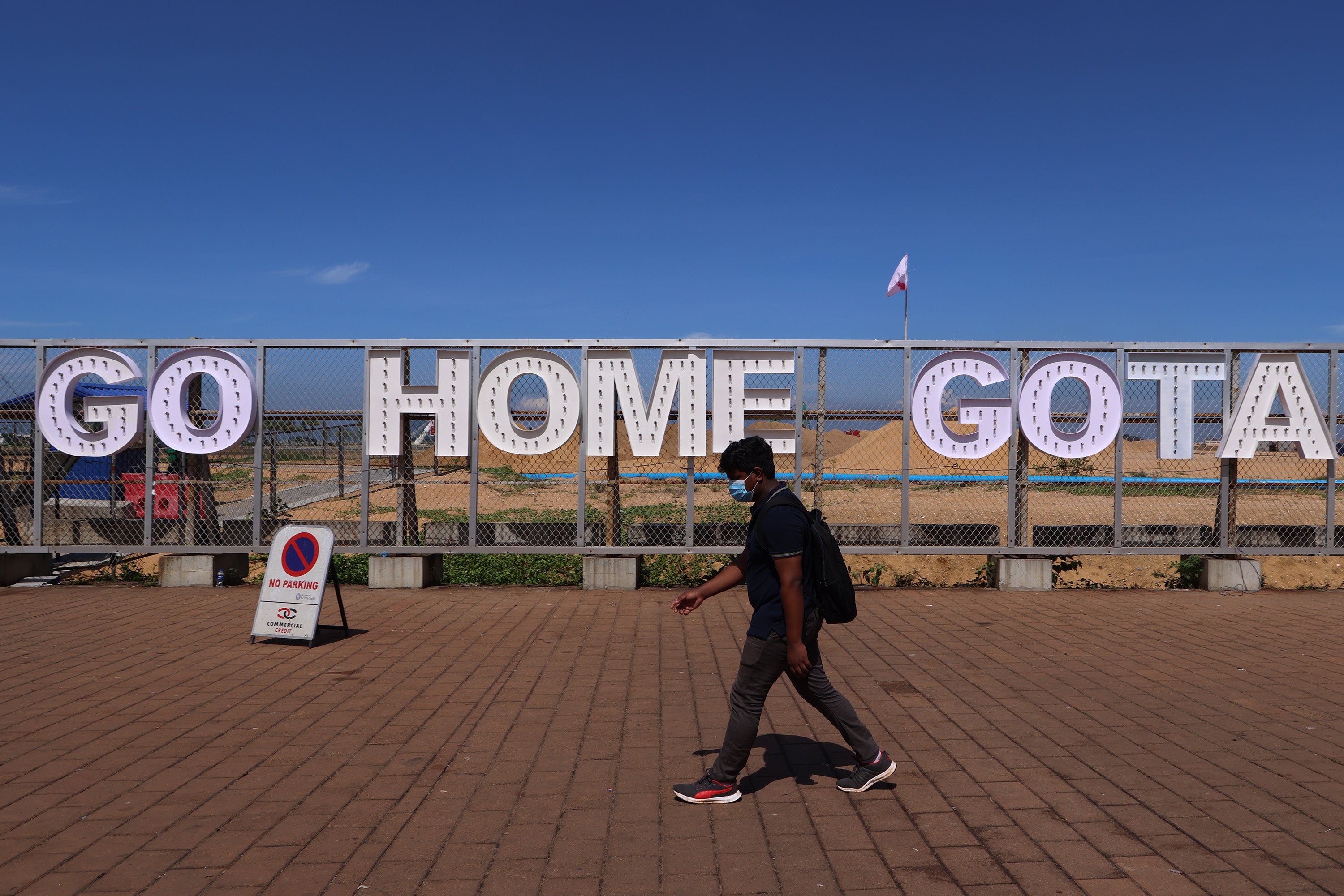
However, mobilising crowds does not necessarily translate into lasting political change.
Nepal’s experience illustrates the difficulties of maintaining a united movement after a government falls, particularly when protesters have different expectations of what should follow.
In Thailand, Teerapat said the movement’s future would depend on whether people outside Bangkok, who faced similar difficulties, chose to participate.
“Bangkok is not the whole of Thailand,” he said.
He added that young people were not simply seeking the removal of the government but wanted meaningful solutions to the problems they faced.
“We are the country’s present, and together we will help shape its future,” he said.

