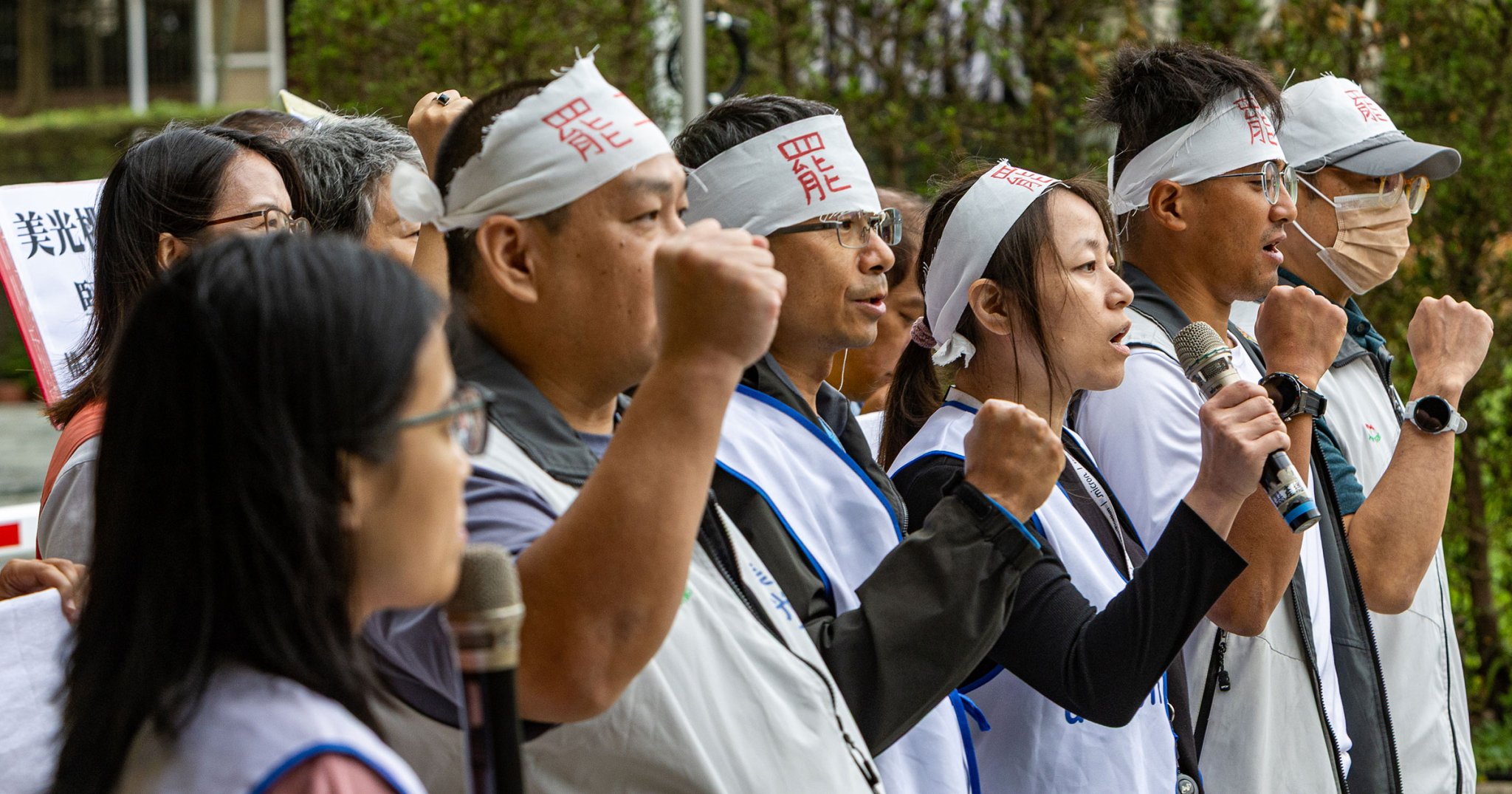
Хиймэл оюун ухаан болон өгөгдөл боловсруулалтын салбарын гол бүрэлдэхүүн хэсэг болох чип үйлдвэрлэлийн ажилчид өөрсдийн хөдөлмөрийн үнэлэмжийг нэмэгдүүлэхээр нэгдэж байна.
Дэлхийн чип үйлдвэрлэлийн төв болсон Тайваньд АНУ-ын Micron Technology компанийн ажилчид цалин болон урамшууллаа нэмэгдүүлэх шаардлагаар түүхэндээ анх удаа ажил хаялт зарлалаа. Аравдугаар сард болсон энэхүү богино хугацааны ажил хаялт нь Micron компани санхүүгийн жилийн хугацаанд цэвэр ашгаа 8.5 тэрбум ам.доллароос 85 тэрбум ам.доллар болгон өсгөсөн үед тохиосон юм.
Micron компанийн Тайвань дахь ажилчдыг төлөөлж буй Taoyuan болон Taichung үйлдвэрчний эвлэлүүд цалин, улирлын урамшуулал, тэтгэврийн хуримтлалыг нэмэгдүүлэхийг шаардаж байна. Taoyuan үйлдвэрчний эвлэлийн тэргүүн Жерри Лин компанийн ашиг орлого өсөж байгаа ч удирдлагуудын болон жирийн ажилчдын орлогын ялгаа их байгааг шүүмжилжээ.
Аравдугаар сарын 22-нд Micron компани Taichung үйлдвэрчний эвлэлтэй гэрээ байгуулснаа зарласан ч уг тохиролцоо нь ил тод бус, ашгаас хуваалцах асуудлыг тусгаагүй хэмээн ажилчид эсэргүүцэв. Үүний улмаас Taoyuan үйлдвэрчний эвлэлийн 2,300 гаруй ажилчин уг хэлэлцээрийг хүлээн зөвшөөрөхөөс татгалзаж, цаашид тэмцлийн хэлбэрүүдийг үргэлжлүүлэх боломжтой гэдгээ илэрхийлсэн байна.
Тайванийн Үндэсний Чун Чен их сургуулийн Хөдөлмөрийн харилцааны профессор Ву Ю-рэнгийн үзэж буйгаар, энэхүү тэмцэл нь Өмнөд Солонгосын SK Hynix зэрэг гадаадын томоохон компаниудын ажилчдын дунд өрнөж буй ижил төстэй хөдөлгөөнүүдтэй холбоотой аж. Тайванийн Хөдөлмөрийн асуудал эрхэлсэн сайд асан Пан Ши-вэй хиймэл оюун ухааны чипний эрэлт нэмэгдэхийн хэрээр дэлхийн эдийн засагт чухал байр суурь эзлэх энэ салбарт ашиг орлогын хуваарилалт болон хөдөлмөрийн маргаан улам бүр түгээмэл болох төлөвтэй байна гэв.
Дэлгэрэнгүйг эх сурвалжаас харах
↓Эх сурвалжийг нээх ↓
Thanks to its position at the epicenter of AI, robotics, data processing, and a host of other critical applications, the chip industry has become arguably one of the most pivotal in the world. That gives the workers staffing the semiconductor plants incredible amount of leverage — a reality many are starting to wake up to.
Exhibit A: the mounting dispute between Taiwanese workers and management at Micron Technology, the leading American memory chipmaker.
The dispute, first reported by Rest of World, sparked the first ever strike in the history of Taiwan’s chip industry. Roughly a dozen workers chose to stage a spontaneous day-long strike over the course of a day in October, after Micron failed to reach an agreement on boosting salaries and bonuses with their labor union.
That protest came as Micron — a company based out of Idaho, with factories in Taiwan — posted a record profit of nearly $85 billion in net income on the fiscal year, up from $8.5 billion the year prior.
Micron’s Taiwanese employees are represented by two various groups, the Taoyuan union and the Taichung union. Workers represented by both have demanded higher salaries, quarterly bonuses, and larger contributions to pension accounts across Micron’s Taiwan operations.
“Making a profit is perfectly fine,” president of the Taoyuan union, Jerry Lin, told Rest of World, “but the rank and file should get a share of the profit instead of this unequal distribution between high-level executives and the rank-and-file.”
Though the Taoyuan union has backed the workers with strong demands, those represented by Taichung aren’t exactly thrilled with their representation.
On October 22, Micron announced an agreement with Taichung union representatives acquiescing to the demands, at least on paper. But that agreement, Taiwan’s Central News Agency reported, was criticized both for its lack of transparency and lack of profit-sharing component, which are central to the rank-and-file’s demands.
Workers belonging to the unions weren’t pleased. As Rest of World reported, the Taoyuan rank-and-file — some 2,300 semiconductor workers — overwhelmingly voted to reject the deal, and retain their option to mount a strike in the future.
“We do not accept the deal. None of our demands were fulfilled,” an anonymous worker represented by Taoyuan told the publication. “We are surprised that the Taichung union representatives signed the deal.”
As labor relations professor at Taiwan’s National Chung Cheng University, Wu Yu-ren told Rest of World, the rising militancy among Taiwanese semiconductor workers was inspired by rising consciousness among semiconductor workers abroad, like those at South Korea’s SK Hynix.
“High-tech companies really need to take a closer look at how they manage labor relations,” Pan Shih-wei, Taiwan’s former labor minister told Rest of World. And as as AI chips become ever-more central to the world economy, we can expect “discussions about strikes and the distribution of profits will become increasingly common.”
More on AI chips: Jensen Huang Was Allegedly Making Graphics Cards Hard to Obtain on Purpose to Boost Profits
The post You Know These AI Chips That Are Making Billions of Dollars? The Workers Building Them Say They’re Being Paid Peanuts, and Now They’re Realizing They Have Leverage appeared first on Futurism.

