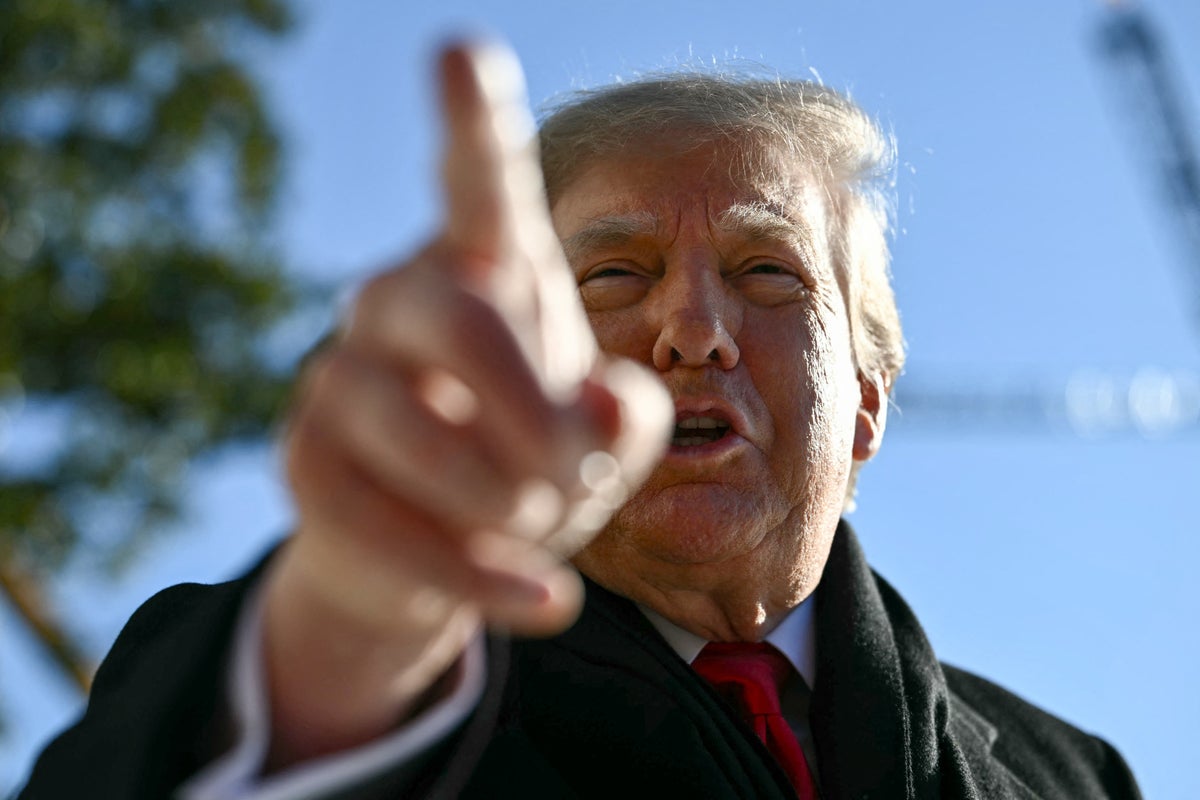
Ерөнхийлөгч Дональд Трамп завсрын сонгуулийн ялагдал болон нислэгийн системийн сааталд хариуцлага хүлээхээс зайлсхийж, өрсөлдөгчид болон өмнөх засаг захиргааг буруутгав.
Трамп наймдугаар сард Өмнөд Каролинад болсон уулзалтын үеэр өөрийгөө сонгуулийн саналын хуудсанд байгаа мэтээр төсөөлөхийг хүсэж байгаагаа хэлж, Бүгд найрамдах намын нэр дэвшигчдийг сонгуулийн өмнө идэвхтэй дэмжсэн. Ардчилсан нам Төлөөлөгчдийн танхим болон Сенатад хяналтаа тогтоосны дараа тэрээр сонгуульд өөрөө нэр дэвшээгүйг онцолж, санал өгөгчид өөрт нь дуртай ч дэмжсэн нэр дэвшигчдэд нь таатай ханддаггүй байсан гэж тайлбарлав.
Трамп хоёрдугаар сарын сүүлээр эхлүүлсэн Ирантай хийсэн дайны улмаас шатахууны үнэ өсөж, уг асуудал сонгогчдод таалагдаагүйг хүлээн зөвшөөрөхийн зэрэгцээ таагүй мэдээлэл цацсан хэвлэлүүдийг буруутгасан. Арваннэгдүгээр сарын 13-нд холбооны нисэхийн удирдлагын системийн техникийн саатлаас болж улс даяар нислэгүүд дөрвөн цагаас илүү хугацаагаар зогсоход тэрээр Жо Байдены засаг захиргааг буруутгаж, өөрөө хариуцлага хүлээхгүй гэж мэдэгдэв.
Саатлын улмаас олон мянган нислэг хойшилж, цуцлагдсан бөгөөд Арканзас мужийн Эль-Дорадо дахь радио байгууламжид хуучин зэс утсыг шилэн кабелиар солих үеэр асуудал үүссэн байна. Конгресс өнгөрсөн онд нислэгийн удирдлагын системийг шинэчлэхэд 12.5 тэрбум ам.доллар баталсан ч Тээврийн сайд Шон Даффи 50 тэрбум ам.долларын санхүүжилт шаардлагатай гэж мэдэгдсэнээр өмнөх хөрөнгийг хэрхэн зарцуулсан тухай асуулт гарчээ.
Улс төрийн стратегич Мэри Элизабет Элкордигийн хэлснээр, бусдыг буруутгах нь Трампын дэмжигчдийн үнэнч байдлыг бэхжүүлж болох ч бие даасан сонгогчид асуудал өөрсдөд нь шууд нөлөөлөх үед хариуцлага, шийдэл шаардах магадлалтай. Судалгааны байгууллагын үүсгэн байгуулагч Эрик Гунтерман Трампын тактикийг нэг талаас улс төрийн өрсөлдөгчдөд, нөгөө талаас өөрийн намын нэр дэвшигчид болон консерватив хэвлэлүүдэд бурууг тохох гэж ангилжээ.
Трамп Ираны дайн, шатахууны үнийн өсөлттэй холбоотой шүүмжлэлд хариулахын оронд Вашингтоны барилгын төслүүдийг сайшааж, асуулт тавьсан сэтгүүлчдийг шүүмжилсэн тохиолдлууд гарсан. Элкордигийн үзэж буйгаар, бурууг бусдад тохох нь богино хугацаанд мэдээллийн анхаарлыг өөрчилж болох ч хариуцлага хүлээхгүй байдал давтагдвал олон нийтийн итгэлд сөргөөр нөлөөлж болзошгүй.
Дэлгэрэнгүйг эх сурвалжаас харах
↓Эх сурвалжийг нээх ↓
Want to bookmark your favourite articles and stories to read or reference later? Start your Independent Membership today.
Already a member?
{
experienceElement.style.display = ‘none’;
let checks = 0;
const maxChecks = 50;
const checkDrawerVisibility = setInterval(() => {
const drawer = document.querySelector(‘.pn-drawer–login, .pn-drawer, #login-drawer, .login-drawer-container, [class*=”login-drawer”]’);
const drawerCloseBtn = document.querySelector(‘#drawer > div > button’);
const isDrawerVisible =
(drawer &&
(drawer.offsetParent !== null ||
drawer.classList.contains(‘is-open’) ||
window.getComputedStyle(drawer).display !== ‘none’)) ||
drawerCloseBtn;
checks++;
if (isDrawerVisible) {
clearInterval(checkDrawerVisibility);
const monitorClosure = setInterval(() => {
const drawerStillHere = document.querySelector(
‘.pn-drawer–login, .pn-drawer, #login-drawer, .login-drawer-container, [class*=”login-drawer”]’
);
const innerContent = document.querySelector(‘#drawer > div’);
const isVisible =
(drawerStillHere &&
(drawerStillHere.offsetParent !== null ||
drawerStillHere.classList.contains(‘is-open’) ||
window.getComputedStyle(drawerStillHere).display !== ‘none’)) ||
innerContent;
if (!isVisible) {
clearInterval(monitorClosure);
experienceElement.style.display = ‘flex’;
}
}, 500);
if (drawerCloseBtn) {
drawerCloseBtn.addEventListener(
‘click’,
() => {
setTimeout(() => {
experienceElement.style.display = ‘flex’;
}, 100);
},
{ once: true }
);
}
} else if (checks >= maxChecks) {
clearInterval(checkDrawerVisibility);
experienceElement.style.display = ‘flex’;
}
}, 200);
};
{
document.documentElement.classList.add(‘mos-bookmark-open’);
const el = document.querySelector(‘.bookmark-experience’);
if (el) el.style.display = ‘flex’;
document.cookie = ‘mos-plan-select=; Max-Age=0; path=/; expires=Thu, 01 Jan 1970 00:00:00 UTC;’;
el?.querySelector(‘.subscribe-link’)?.addEventListener(‘click’, (e) => {
e.preventDefault();
document.cookie = ‘mos-plan-select=; Max-Age=0; path=/; expires=Thu, 01 Jan 1970 00:00:00 UTC;’;
setTimeout(() => {
window.location.href = “https://www.independent.co.uk/subscribe/app?regSourceMethod=Bookmarks”;
}, 500);
}, { once: true });
el?.querySelector(‘.close-btn’)?.addEventListener(‘click’, () => {
document.documentElement.classList.remove(‘mos-bookmark-open’);
}, { once: true });
});
]]>
“Pretend, please, that I’m on the ballot,” President Donald Trump said at a rally in South Carolina in August, weeks before his party’s midterm shellacking. He continued his pleas, almost daily, when traveling across the country to stump for Republicans in the lead-up to the election. But then came the blue tsunami.
As Trump saw the big blue waves crashing into reliably red states, handing the Democrats control of the House and Senate, he ducked.
“I was not on the ballot, but I campaigned hard for some people, and I think if I was on the ballot, it would have been a much different situation because you saw the level of popularity and love,” Trump told 60 Minutes correspondent Ross Douthat the Sunday after the crushing midterm defeat on November 3. “There was love with massive rallies. You had to transfer those voters, however, to candidates that they didn’t like.”
cookie.trim() === ‘__DEBUG__=true’)) { console.log(‘Ad logs: “mpu1”, injectedAtParagraph: 3’); }]]>
Trump came close in that interview to taking some responsibility, admitting that the war he started in Iran in late February, which caused gas prices to soar, wasn’t popular with voters. But then he used his common defense tactic of shifting the blame onto the media for unfavorable coverage.
While the president has always been known to deflect blame — so much so that he refuses to accept that his Democratic rival Joe Biden beat him in the 2020 presidential election to this day — he’s been increasingly using the strategy in his second term to fend off criticism.
The question is: will it pay off?
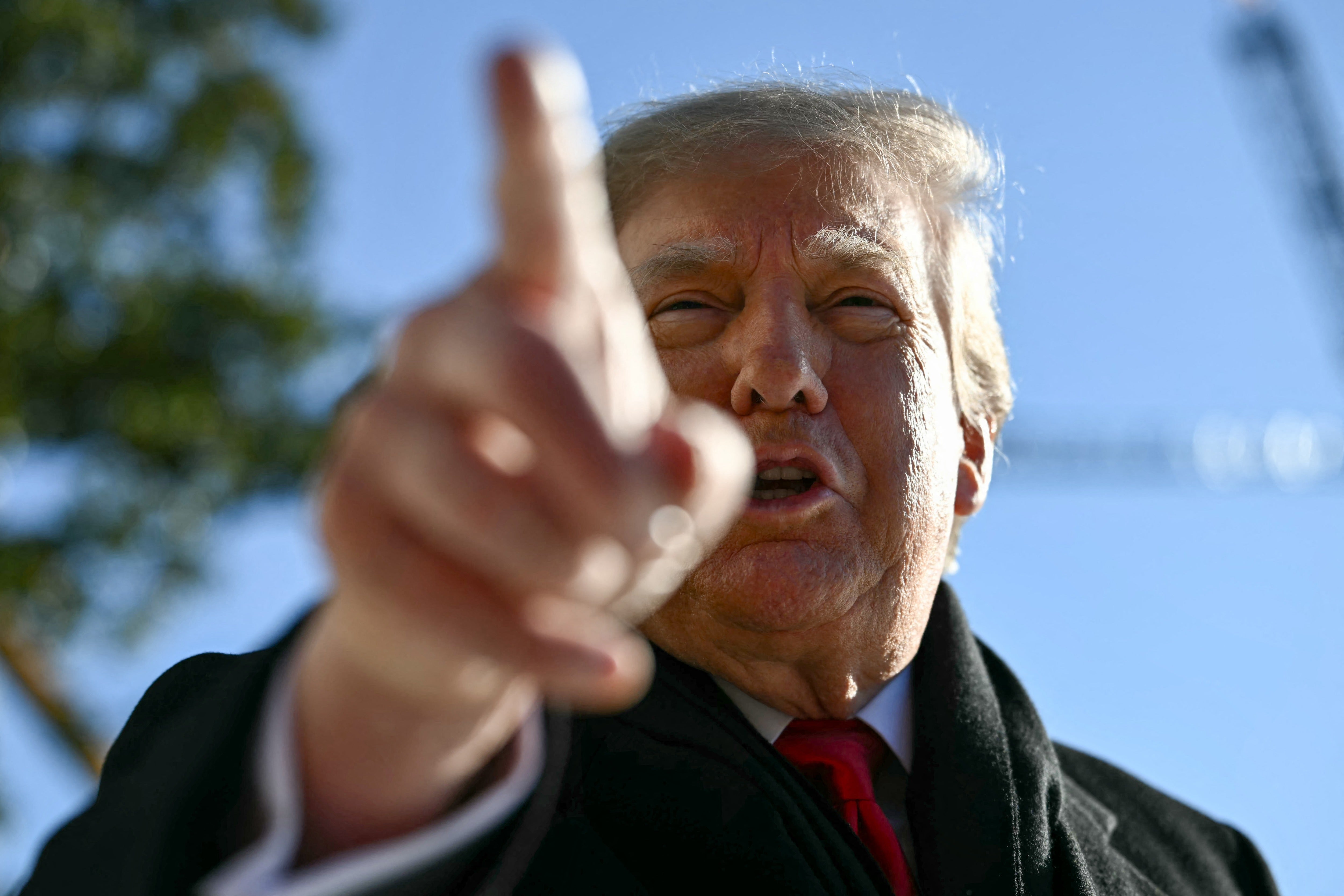
“From a political communications perspective, there’s a reason this approach has worked for him,” Mary Elizabeth Elkordy, president of New York-based public relations firm Elkordy Global Strategies, told The Independent. “Trump has spent years positioning himself as someone fighting against a political establishment, and blaming institutions, political opponents, or government officials reinforces that identity.”
cookie.trim() === ‘__DEBUG__=true’)) { console.log(‘Ad logs: “taboola-carousel-thumbnails”, injectedAtParagraph: 6’); }]]>
“For his core supporters, these explanations may actually strengthen their loyalty because they fit into a narrative they’ve already accepted.”
But the political strategist warned that independent voters may not buy it.
“Where this becomes more complicated is with independent voters and people who aren’t firmly in his corner. Blaming someone else may work when the issue feels distant or abstract, but when Americans are personally affected by something like a nationwide [travel] outage, they want accountability and solutions,” Elkordy said.
cookie.trim() === ‘__DEBUG__=true’)) { console.log(‘Ad logs: “mpu2”, injectedAtParagraph: 8’); }]]>
“At some point, voters stop asking who caused the problem and start asking why the person in charge isn’t fixing it.”
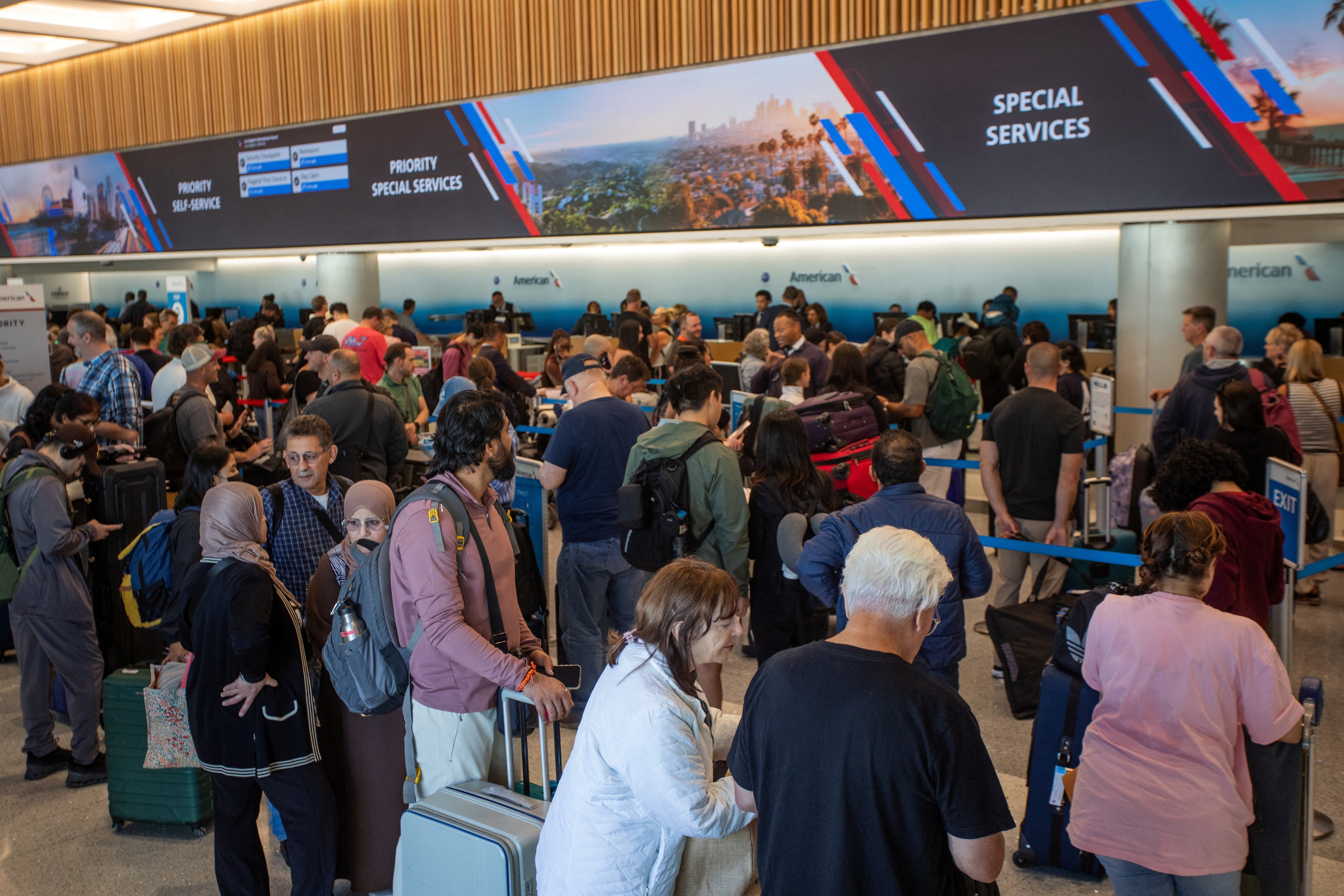
When the Federal Aviation Administration grounded all flights nationwide for more than four hours on November 13 due to a technical failure that threw airports into chaos, Trump didn’t take accountability. Instead, he blamed Biden — who’s been out of office for nearly two years.
cookie.trim() === ‘__DEBUG__=true’)) { console.log(‘Ad logs: “mpu3”, injectedAtParagraph: 10’); }]]>
“The Biden Administration was an FAA disaster. Everything they touched turned bad. Big money spent unwisely, making an old and broken system worse than when they began,” Trump wrote on Truth Social.
He later doubled down, telling reporters, “I don’t take any responsibility” for the outage and commended Transportation Secretary Sean Duffy’s crisis management.
“They did a great job — Secretary Duffy — they acted incredibly. Everybody was safe. Nobody was hurt. No crashes. No nothing,” the president said.
Thousands of flights were delayed and canceled because of the FAA outage, which stemmed from a contractor replacing old copper wire with fiber optic cable at a radio facility in El Dorado, Arkansas.
“We have the knowledge and plan for the Flight Control Systems, we need Congress to give the money, FAST! Our FAA is doing a great job, and is ready to go,” Trump added.
Congress already approved $12.5 billion last year to pay for upgrades to the country’s air traffic system, The New York Times noted. But the outage caused Duffy to call for $50 billion in funding, as questions have now swirled about how the $12 billion was spent.
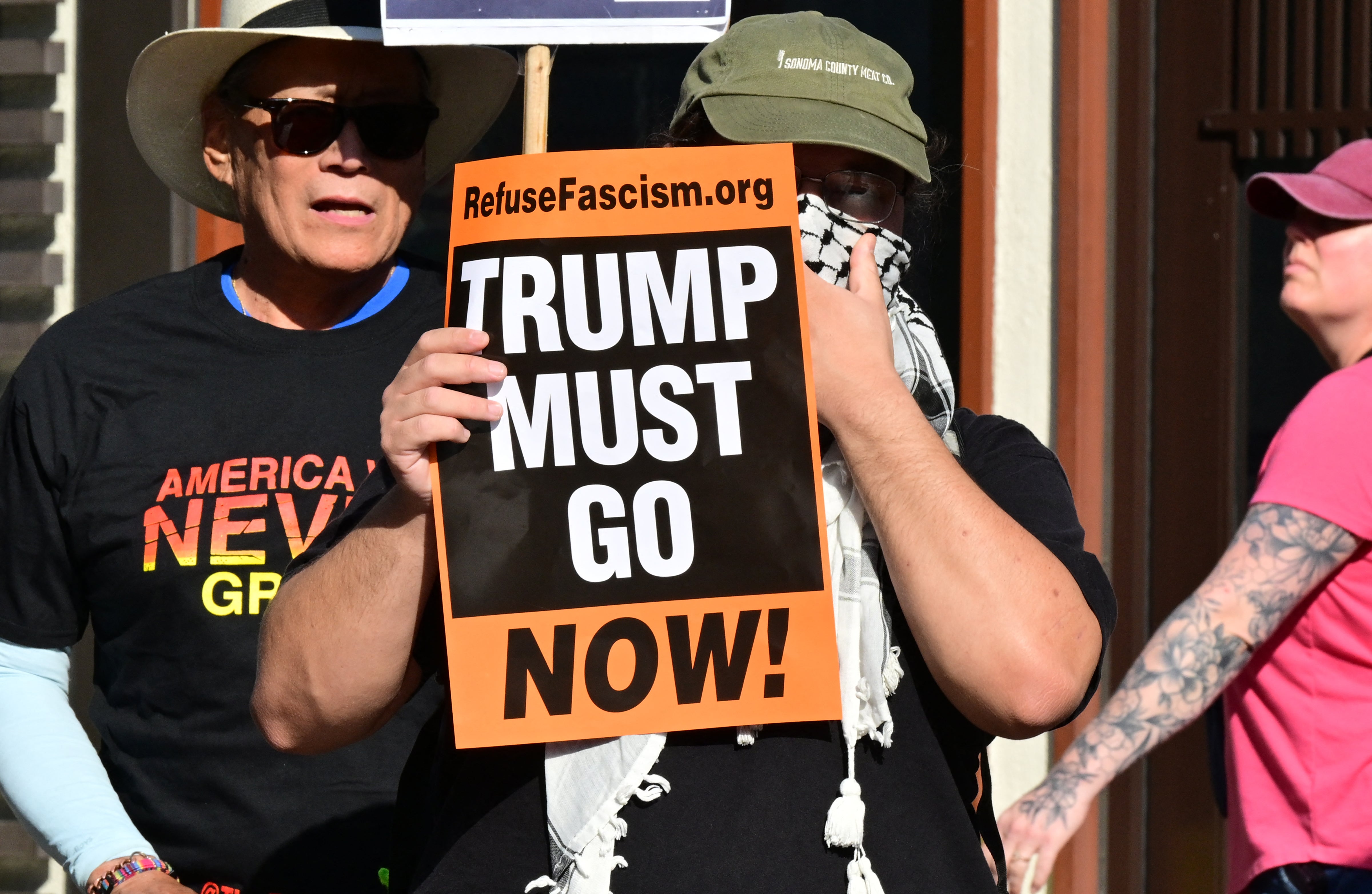
Eric Guntermann, the founder of Toronto-based polling firm Empirical Intelligence, divided Trump’s defense tactics into two types.
The first is “tactics that seek to activate partisan identity and mobilize Republicans against out-party leaders,” Guntermann told The Independent. “This is what we saw recently with him blaming Biden for the FAA outage.”
Guntermann said the second type is “tactics that blame Republican candidates and conservative media figures for being insufficiently loyal to the MAGA cause/Republican Party.
“This is what we saw in his response to the midterms. This allows him to distance himself from his party’s failure, while reinforcing his position as a leader in the party.”
The expert warned of the risks associated with both strategies.
“Blaming political opponents can reinforce partisan divisions without necessarily changing people’s minds about who is responsible. Blaming allies can create divisions within the coalition,” Guntermann said. “More broadly, these tactics become harder to sustain when voters associate negative outcomes with decisions made by the president himself, particularly amid economic pressures related to the Iran war and tariffs.”
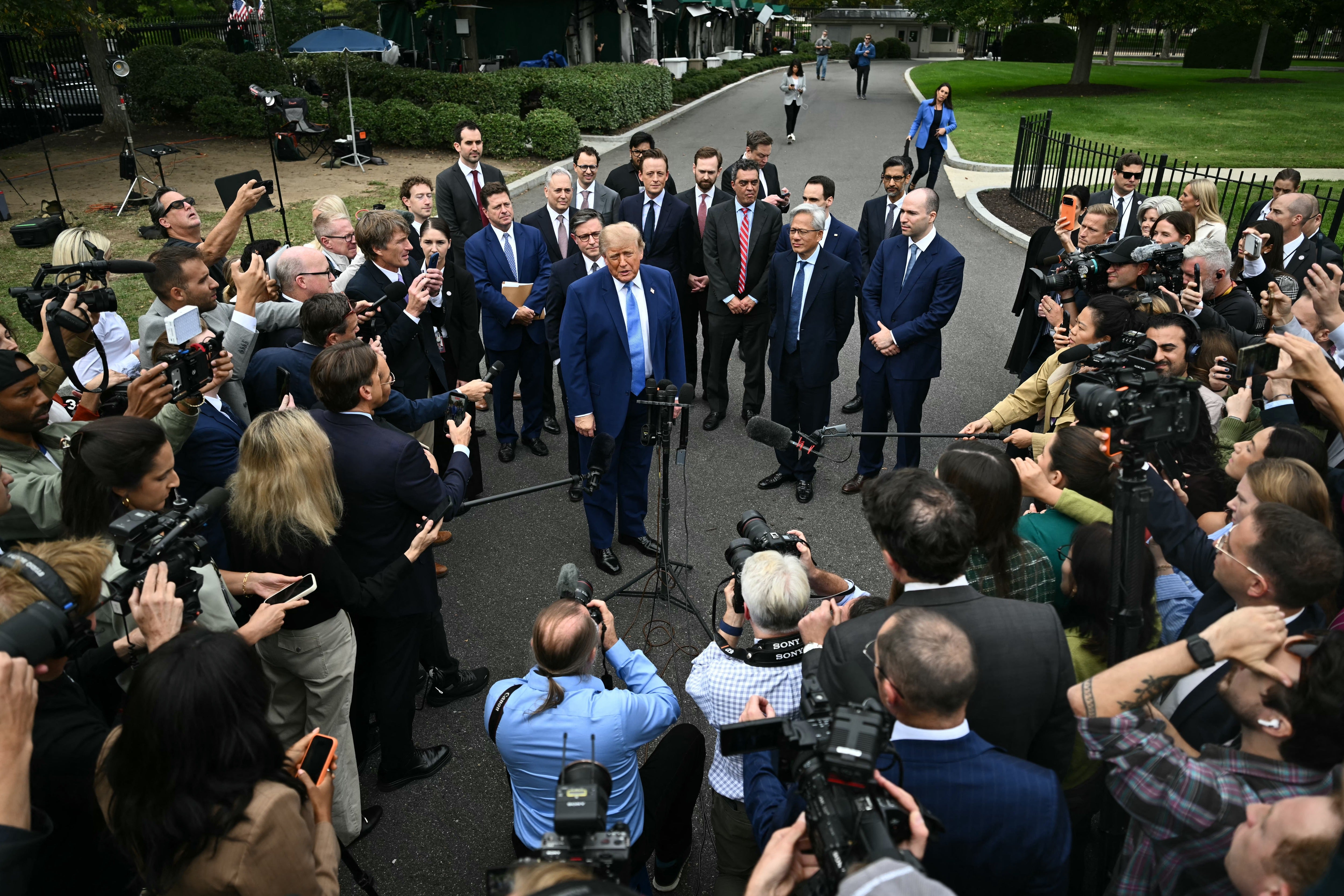
As Americans struggle to fill up their tanks amid Iran’s chokehold over the Strait of Hormuz, a vital oil waterway that has been at the center of the war, Trump has insisted he had to start the war because Iran posed an imminent threat with its nuclear weapons program.
But while many are living paycheck to paycheck, Trump can’t help but boast about his construction projects around Washington, D.C., including a massive golden White House ballroom, a grand 250-foot arch at the end of Arlington Memorial Bridge — and, of course, the infamous Lincoln Memorial Reflecting Pool redesign that ended with algae blooms and peeling paint.
While the reflecting pool was still under renovation in May, Trump went to visit the construction site. It was there that ABC News Senior Political Correspondent Rachel Scott pressed Trump about focusing on his pet projects when gas prices are soaring because of the Iran war. Instead of addressing gas prices, the president once again deflected by calling Scott’s question “stupid.”
“Our country is about beauty, cleanliness, safety, great people. Not a filthy capital. That’s such a stupid question that you asked,” Trump said. “We’re fixing up the reflecting pond to the Lincoln Memorial, the Washington Monument, and you say, ‘Why are you fixing it up?’ Because you can understand dirt maybe better than I can, but I don’t allow it.”
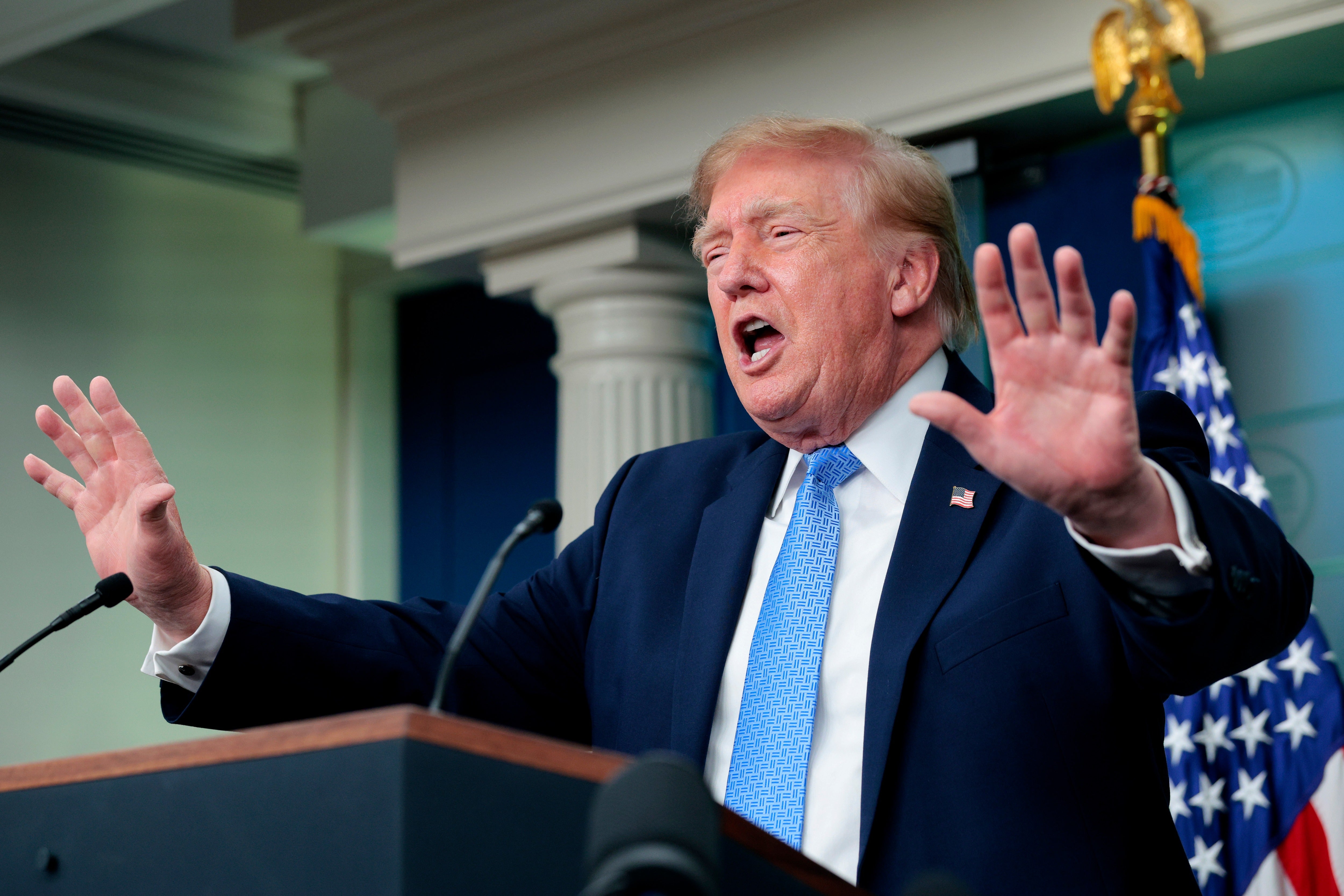
Trump also recently lashed out at a reporter who questioned spending money on his D.C. renovations while the nation’s air traffic system needs to be repaired.
“You’re so pathetic. I have a responsibility to make sure the symbol of our country is in decent shape. It takes 10 minutes a day,” Trump told NBC News White House correspondent Yamiche Alcindor. “This doesn’t cost money. This is peanuts.”
“This is called talent. Talent. You don’t have talent. You don’t know what a broken column is,” the president continued. “I spent very little time to do it and losers like you come out and say, ‘Why are you focused on the White House?’”
Political strategist Elkordy warned that while the president’s blame game has “historically energized his base,” the same strategy “could become less effective with the broader electorate.
“There’s a difference between controlling a news cycle and maintaining public trust,” Elkordy explained. “You can successfully redirect blame in the short term, but if voters see the same pattern repeated without meaningful accountability, it can eventually become a liability.”

