
Киноны жигшмээр харагддаг жорлонгийн бохирдлыг шоколадаар хийж, зураг авалтыг бодитоор гүйцэтгэжээ.
1996 оны Trainspotting кинонд Юэн Макгрегорын бүтээсэн Марк Рентон бохир жорлонгийн суултуурын хоолой руу алга болдог. Найруулагч Дэнни Бойл энэ хэсэгт компьютер график ашиглаагүй бөгөөд дүрийн жүжигчин шоколадаар хийсэн, идэж болдог өтгөн хүрэн зүйл дундуур гулссан гэж The Hollywood Reporter-т ярьжээ.
Зураг авалтад жорлонг хувааж, хажуугаас нь авдаг театрын хуурмаг дүрслэлийн аргыг ашиглан, Макгрегорын гулсах хэсгийг суултуур мэт харагдуулсан байна. Зураглаач Брайан Туфано төгсгөлд нь жүжигчинд хөлөө эргүүлэхийг зөвлөснөөр үзэгчид түүнийг хоолойн тахир хэсгээр тойрч байгаа мэтээр хүлээн авчээ. Зураг авалтын талбайд үнэр дарах шоколадаас гадна лаа асаадаг байсан гэж Бойл нэмж хэлсэн байна.
Бойл сүүлийн үеийн Ink кинондоо хиймэл оюун ухааныг бага хэмжээгээр, хариуцлагатай ашигласан гэдгээ мөн ярьжээ. Торонтогийн олон улсын кино наадмын үзвэрийн дараах хэлэлцүүлэгт тэрээр хиймэл оюун ухаан ашигласан хэсэг нийтдээ 30 секунд орчим байсан бөгөөд үүнээс болж жүжигчид ажилгүй болохоос сэргийлж, шаардлагатай үед жүжигчдийг ажиллуулсан гэж мэдэгдсэн байна.
Дэлгэрэнгүй эх сурвалжийг харах
Эх сурвалжийг нээх ↓
Want to bookmark your favourite articles and stories to read or reference later? Start your Independent Membership today.
Already a member?
The revolting toilet in Danny Boyle‘s Trainspotting was made bearable for the cast by an unlikely ingredient: chocolate.
The famous 1996 sequence shows Ewan McGregor‘s character, the junkie Mark Renton, vanishing down a filthy U-bend.
Boyle has now explained that he chose not to rely on CGI for the moment, which meant his leading man had to slide through a substance that appeared to be excrement.
The director told The Hollywood Reporter the brown gunk was, in fact, edible.
He said: “CG was just beginning to emerge in cinemas. In fact, there was a Christmas film out at the time with Tim Allen playing Santa Clause, and they squeezed him into a chimney pot. That’s one of the very first uses of CG in film.
“It looked terrible, I thought: ‘We’re not going to do it like that’ because somebody said: ‘Oh, you could use CG,’ as it was at the time. We wanted to do it live.”
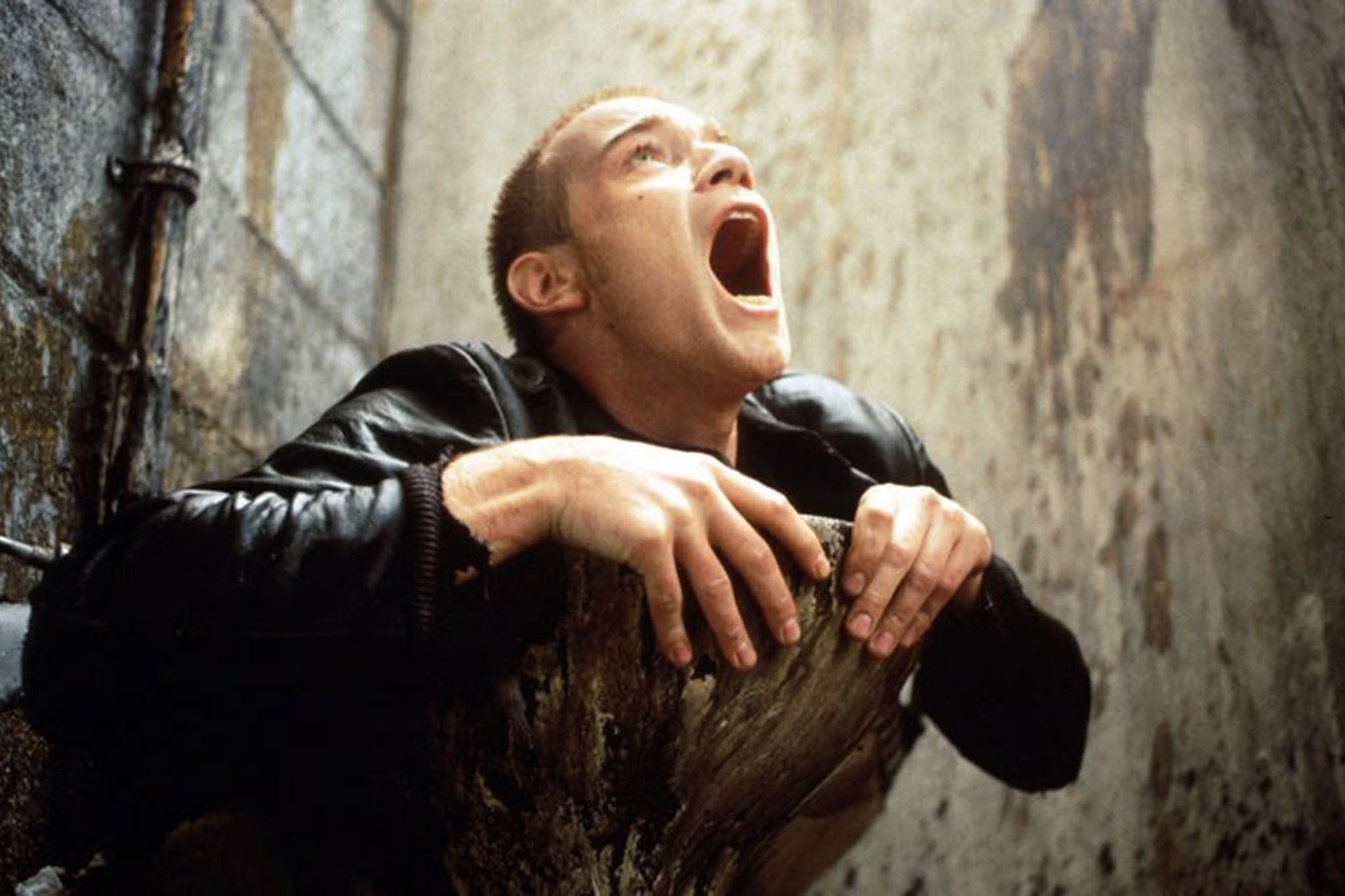
Boyle went on to explain how they achieved the visuals, saying: “We used a theatre trick, the trompe l’oeil: you cut the toilet in half and film it from the side. So, obviously, it isn’t a toilet on this side; it’s the slide that McGregor goes down.
“Then Brian [Tufano, cinematographer] told Ewan to twist his feet ’round at the end, because then people will think it’s the U-bend that you’re going ’round, which curiously people do. It’s just that illusion that we buy into. If you believe the actors, you’ll believe anything!”
He added about the toilet: “So people believed it was the worst toilet in Scotland, even though it smelled of chocolate, because all the s*** was chocolate, and it was delicious! All the prop girls had candles burning so that everybody felt good about being there all day.”

Watch Apple TV free for 7 day
New subscribers only. £9.99/mo. after free trial.
Plan auto-renews until cancelled.
ADVERTISEMENT. If you sign up to this service we will earn commission. This revenue helps to fund journalism across The Independent.
Boyle has recently embraced new technology on his latest film, Ink, using AI in its production. He has insisted, though, that he brought in the tools “responsibly”.
Speaking at a post-screening Q+A session at the Toronto International Film Festival (TIFF) in Canada, Boyle said: “We used a tiny amount of it. It’s very much linked with VFX in our world; it’s one of the tools they use in VFX. We try to be very responsible and make sure no actors were out of work because of it, so we would always employ actors if we were going to use a bit of it. There was about 30 seconds of it.”

