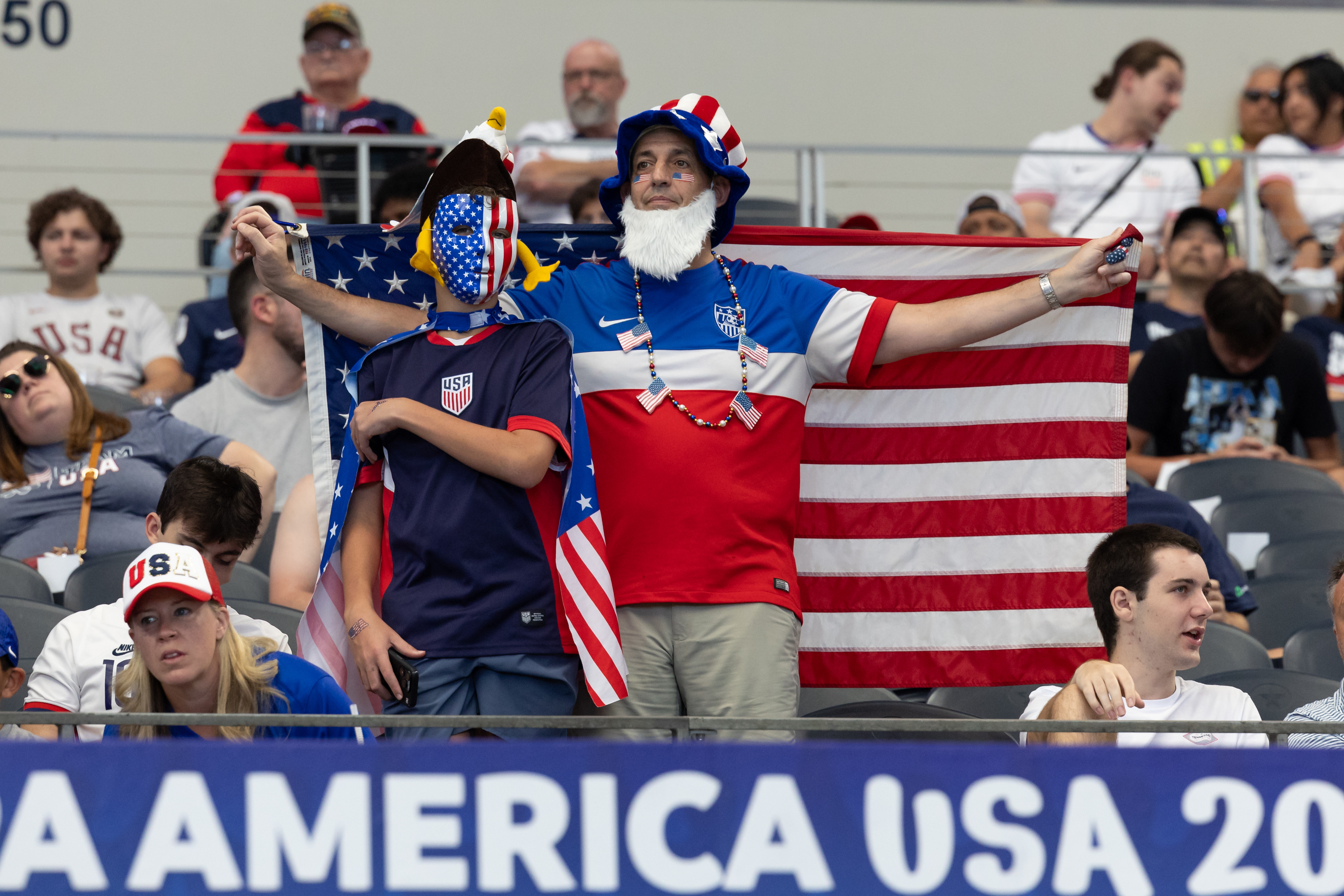
2028 оны Копа Америка тэмцээнийг зохион байгуулах эрхийг АНУ дахин авсан нь тус улсын шигшээ багийн хувьд өрсөлдөх чадвараа дээшлүүлэх чухал боломж боловч тэдэнд гаднын талбайд тоглох сорилт дутагдаж байна.
Копа Америка тэмцээнийг 2028 онд АНУ-д дахин зохион байгуулахаар болсон нь тус улсын шигшээ багийн хувьд КОНКАКАФ-ын бүсийн нэгэн хэвийн тоглолтуудаас ангижирч, өндөр түвшний өрсөлдөгчидтэй тулах боломжийг олгоно. Энэ нь 2030 оны Дэлхийн аварга шалгаруулах тэмцээний өмнө шинээр томилогдох дасгалжуулагчийн хувьд чухал сорилт болох юм. Гэвч тус багт зөвхөн тэмцээнд оролцох бус, харин Өмнөд Америкийн орнуудад очиж, айлын талбайн халуун уур амьсгалыг мэдрэх туршлага нэн шаардлагатай байна.
АНУ-ын шигшээ баг сүүлийн жилүүдэд тоглолтынхоо дийлэнхийг өөрийн талбайдаа хийж ирлээ. 2023 оноос хойш нийт 65 тоглолт хийснээс 61 нь АНУ-д болсон нь багийн сэтгэл зүйн тэсвэр хатуужлыг сулруулж болзошгүй гэж мэргэжилтнүүд үздэг. Тус баг 2024 оны аравдугаар сард Мексикт зочилсноос хойш FIFA-гийн цонхоор хийсэн нөхөрсөг тоглолтуудаа бүгдийг нь гэртээ хийжээ.
Өмнөд Америкийн шигшээ багуудтай талбай дээр нь очиж тоглох нь тоглогчдыг тав тухтай бүсээс нь гаргаж, жинхэнэ дарамт шахалт дор тоглох чадварыг нь сорих болно. Хэдийгээр Копа Америка тэмцээн нь өрсөлдөөний хувьд чанартай ч, АНУ-ын шигшээ баг гаднын улс оронд очиж тоглох сорилтгүйгээр Дэлхийн аваргад бэлтгэх нь хангалтгүй юм. 2028 онд АНУ-д болох тэмцээн нь тоглолтын чанарыг сайжруулах ч, гаднын талбайд тоглох шаардлагатай сорилтуудыг бүрэн орлох боломжгүй байна.
Дэлгэрэнгүйг эх сурвалжаас харах
↓Эх сурвалжийг нээх ↓
Copa América, South American soccer’s pride and joy, is returning to the U.S. in 2028 because organizers remain spellbound by the ticket sales and marketing success of the 2024 edition here.
Tuesday’s announcement is a positive development for the U.S. team, which, for competitive reasons, desperately needs a break from the monotony of CONCACAF before the 2030 World Cup. Only so much is gained from fiddling with neighbors over and over again.
Assuming the U.S. qualifies next summer, Copa América will furnish its to-be-announced head coach with pressure-packed, consequential matches in a prestigious tournament against different types of opponents.
That’s a welcome change from the Nations Leagues and biennial Gold Cups, which are starting to feel like watching “Friends” reruns on Nick at Nite.
But here’s where this Copa news falls short for the U.S. program: It’s in the U.S. again.
Yes, the team needs to play in Copa América, but what it really needs is to play in it in South America.
It needs to step out of its comfort zone of sterile hotels and stadiums. It needs to say goodbye to family and friends, experience new training and playing environments, and feel the heat of stepping into Rio de Janeiro’s Maracanã or Buenos Aires’ El Monumental to play the host team.
True, the U.S. often feels like the visiting team at home when it tangles with Latin American opponents boasting a passionate diaspora. But the players still enjoy the predictability of home logistics, travel patterns, security and general nationwide support.
That is not what they need right now. They need to suffer.
Consider this: The U.S. hardly ever plays outside its borders, an arrangement that many might argue has left the program soft heading into World Cups. Talent, tactics and such are part of why the U.S. has stumbled in the round of 16 in its past four appearances, but mental toughness in the pressure-cookers of knockout soccer can’t be dismissed either.
The location of matches is often out of the U.S.’s control.
For revenue purposes, CONCACAF has staged every Nations League final four and almost every Gold Cup in the States.
CONMEBOL, which oversees South American soccer, has shifted Copa América — the oldest international tournament in the world — to the U.S. three of the past five times after staging the first 44 editions in its own continent.
The U.S. does have a say in the location of friendlies. Here again, though, the team is not facing the rigors of playing away matches.
It has played 16 consecutive friendlies in FIFA windows at home since a visit to Mexico in October 2024. Going back to 2022, the number grows to 28 of 31. Aside from that Mexico trip, the other two were for neutral-site friendlies in Europe against Japan and Saudi Arabia before the 2022 World Cup in Qatar.
Since 2023, counting formal and informal friendlies and official competitions, the U.S. has played an astounding 61 of 65 matches at home. The exceptions were that Mexico friendly two years ago and Nations League legs in the Caribbean vs. Jamaica, Trinidad & Tobago and Grenada.
In fairness, the long build-up to the World Cup in North America last summer prompted teams to seek friendlies in the U.S. in order to become better acquainted with stadiums, training facilities and travel logistics. And the Nations League match against Haiti on Nov. 14 in Miami was played stateside because of security issues in Port-au-Prince.
But the lack of away tests, particularly against South American teams, runs deeper. Since its inception 110 years ago, the U.S. has never played a friendly in Argentina, Paraguay, Uruguay, Ecuador or Venezuela. A long time has passed since it did so in Brazil (1992), Colombia (1961), Bolivia (1999) and Peru (1996).
The only two visits to Chile, in 2000 and 2015, were not during official international windows.
(The U.S. was a guest participant at Copa América in Ecuador in 1993, Uruguay in ‘95 and Venezuela in 2007.)
Not that the U.S. could just pick up the phone and schedule a friendly in Brazil, which, driven by revenue, has scheduled 27 of its past 28 friendlies outside the country.
The last U.S. away friendlies against European teams were in 2021 (Northern Ireland and Switzerland). A year earlier, the U.S. visited Wales. As part of the rebuilding process after failing to qualify for the 2018 World Cup in Russia, the Americans visited Ireland, France and England, then played Italy in Belgium.
They haven’t played in Africa since the 2010 World Cup in South Africa and since 2002 have only visited Asia twice — for the 2002 World Cup in South Korea and Japan, and the 2022 World Cup in Qatar.
As a fresh World Cup cycle accelerates, the U.S. will not have many opportunities to venture outside CONCACAF. If the calendar holds, it will play two home friendlies in September just before the long qualifying schedule begins next fall.
Copa América will, indeed, bring a refreshing change of pace a year and half from now, though without the much-needed trials that only a trip abroad would provide.

