Шинэ зөвлөмжөөр өөх тос, липопротеины өөрчлөлтийг эрт илрүүлж, зүрх судасны өвчнөөс урьдчилан сэргийлэхэд чиглэсэн байна.
АНУ-ын насанд хүрэгчдийн дөрөвний нэг орчим нь артерийн судсанд хуримтлагдаж, зүрхний шигдээс, харвалтын эрсдэлийг нэмэгдүүлдэг LDL буюу “муу” холестерин ихтэй гэж тооцоолдог. Гэвч цусан дахь бусад өөх тос, липопротеины хэмжээ хэвийн бус болох дислипидеми ч судас хатуурах шалтгаант зүрх судасны өвчинд хүргэж болзошгүй. Энэ онд АНУ-ын мэргэжилтнүүд холестерины менежмент, дислипидемиэс сэргийлэх зөвлөмжөө шинэчилж, өмнөх 2018 оны удирдамжийг шинэчилжээ.
Шинэ зөвлөмжөөр атеросклероз үүсгэж болзошгүй липопротеинд олон жил өртөх эрсдэлийг бууруулахын тулд дислипидемийн эмчилгээг эрт эхлүүлэхэд анхаарсан байна. Өмнө нь шинжилгээ хийлгээгүй бол хүүхдэд 9–11 насанд холестерины шинжилгээ хийх, харин гэр бүлд нь зүрх судасны ноцтой өвчин эсвэл холестеринтэй холбоотой өвчний түүхтэй бол 2 наснаас эхлэн шинжилж болохыг зөвлөжээ. Мөн 30–79 насныхны 10 болон 30 жилийн зүрх судасны өвчний эрсдэлийг тооцоолох PREVENT хэрэгслийг ашиглаж, эрүүл мэндийн мэдээлэл болон эрсдэлийг нэмэгдүүлэгч хүчин зүйлсийг харгалзахыг зөвлөсөн байна.
Насанд хүрсэн хүн бүр удамшлын нөлөө ихтэй липопротеин(a)-ийн түвшинг дор хаяж нэг удаа хэмжүүлэх зөвлөмжтэй. Энэ үзүүлэлт өндөр байх нь LDL-ийн хэмжээнээс үл хамааран зүрхний шигдээс, харвалтын эрсдэлийг нэмэгдүүлдэг тул LDL-ийг илүү эрчимтэй бууруулах үндэслэл гэж үзнэ. Гэхдээ липопротеин(a)-г бууруулах нь зүрхний шигдээсээс сэргийлдэг эсэх нь тодорхойгүй хэвээр: 2026 оны арваннэгдүгээр сард мэдээлсэн 8,300 гаруй зүрхний өвчтэй хүнийг хамарсан пелакарсен эмийн туршилтаар уг үзүүлэлт 78 хувиар буурсан ч зүрхний шигдээс, харвалт, зүрх судасны шалтгаант нас баралт буураагүй байна.
Эрсдэлийн тооцоонд үндэслэн эмч нар 10 жилийн эрсдэл нь 3–5 хувь бол амьдралын хэв маягийн өөрчлөлт болон LDL бууруулах эмчилгээг авч үзэж, 5–10 хувийн завсрын эрсдэлтэй үед эмчилгээг хэлэлцэхийг зөвлөжээ. LDL-холестерины зорилтот хэмжээ нь эрсдэл хил заагийн болон завсрын түвшинд 100 мг/дл-ээс бага, өндөр эрсдэлтэй эсвэл маш өндөр эрсдэлгүй судас хатуурлын шалтгаант зүрх судасны өвчтэй хүмүүст 70 мг/дл-ээс бага, маш өндөр эрсдэлтэй өвчтөнд 55 мг/дл-ээс бага байна. Статин нь LDL бууруулах үндсэн эм хэвээр бөгөөд эзетимиб, бемпедойн хүчил, PCSK9 дарангуйлагч, инклисиран зэрэг эмийг мөн зөвлөмжид тусгажээ; 2026 оны долоодугаар сард АНУ-ын Хүнс, эмийн захиргаа (FDA) ууж хэрэглэдэг анхны PCSK9 дарангуйлагч энлицитидийг зөвшөөрсөн ч зүрхний шигдээс, харвалтаас сэргийлэх эсэхийг шалгах туршилт үргэлжилж байна. Эрүүл хооллох, амьдралын хэв маягаа өөрчлөх, тогтмол үзлэгт хамрагдах нь зөвлөмжийн нэг хэсэг бөгөөд амьдралын хэв маягийг сайжруулсны дараа ч өөх тосны үзүүлэлт зорилтот түвшинд хүрэхгүй бол эмийн эмчилгээг өмнөхөөс эрт авч үзэхийг удирдамж онцолжээ.
Дэлгэрэнгүйг эх сурвалжаас харах
↓Эх сурвалжийг нээх ↓
It’s estimated that about one in four adults in the US has high LDL cholesterol, which can build up in your arteries over time, increasing the risk of heart attack and stroke.
But ‘bad’ cholesterol isn’t the only thing you need to look out for.
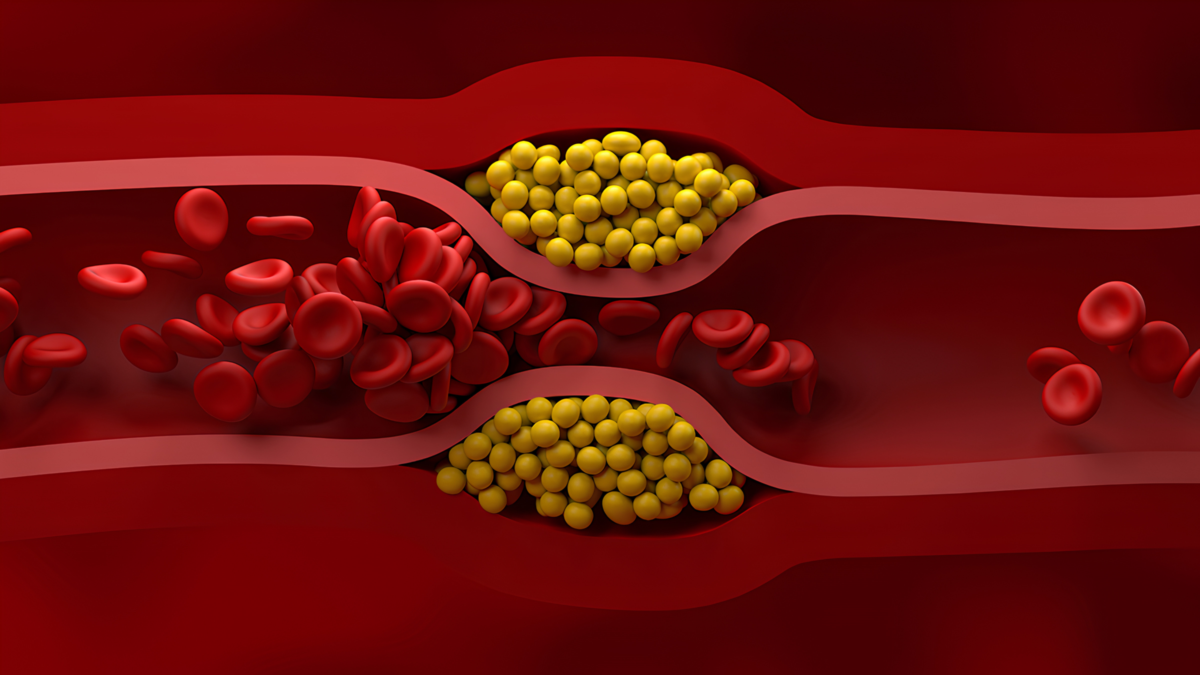
Other kinds of lipids and lipoproteins can also build up in your blood to abnormal levels, called dyslipidemia, which in turn can lead to atherosclerotic cardiovascular disease (ASCVD), the world’s leading cause of death and morbidity.
This year, experts in the US updated their official guidance on how to manage cholesterol and prevent dyslipidemia, overhauling the former 2018 guidelines.
The new guidelines are still very much about managing cholesterol, but they also take a broader perspective, focusing on taking action earlier to address blood fats that can harm people’s health.
“We know 80 percent or more of cardiovascular disease is preventable and elevated LDL cholesterol, sometimes referred to as ‘bad’ cholesterol, is a major part of that risk,” said cardiologist Roger Blumenthal from the Johns Hopkins Ciccarone Center for the Prevention of Cardiovascular Disease, the chair of the guideline writing committee.
“While we want to try to optimize healthy lifestyle habits as the first step to lower cholesterol, we realize that if lipid numbers aren’t within the desirable range after a period of lifestyle optimization, we should consider adding lipid-lowering medication earlier than we would have considered 10 years ago.”
In the new guidelines, written for doctors and clinicians, the main focus is to begin treating dyslipidemia earlier to reduce the lifelong risk associated with prolonged exposure to atherogenic lipoproteins.
“Lower LDL cholesterol for longer, just like lower blood pressure for longer, results in much greater protection against future heart attack and stroke risk,” Blumenthal said.
This means cholesterol screening is recommended to begin in children aged 9–11 years, if they haven’t been screened previously.
It can begin as young as two years of age, though, if there’s a family history of serious cardiovascular or cholesterol-related disease.
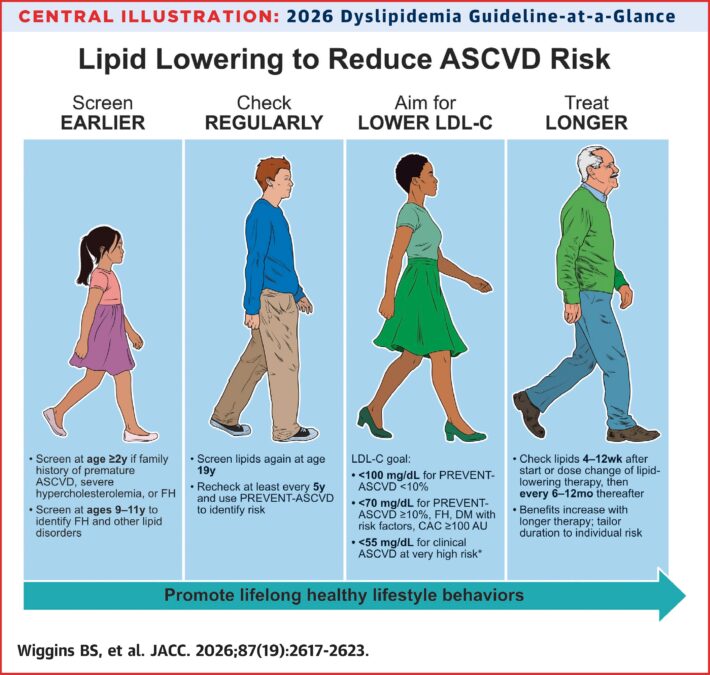
Another change is that doctors are advised to use a new disease-risk calculator, called PREVENT, to estimate 10-year and 30-year cardiovascular disease risk in patients aged 30 to 79.
“With this new assessment tool, we can better estimate cardiovascular risk using health information already obtained during an annual physical – cholesterol, blood pressure readings, and other personal information such as age and health habits,” Blumenthal said.
“And then further personalize the risk score for each individual by looking at ‘risk enhancers’, which can help guide the need for lipid-lowering therapy.”
The guidelines also recommend that every adult have their lipoprotein(a) – a largely inherited type of cholesterol-carrying particle – measured at least once.
High levels raise heart attack and stroke risk regardless of LDL, and doctors are advised to treat it as a reason to lower LDL more aggressively.
Whether lowering Lp(a) itself prevents heart attacks is still uncertain.
In November 2026, the first large trial of an Lp(a)-lowering drug, pelacarsen, reported that it cut Lp(a) by 78 percent in more than 8,300 people with heart disease but did not reduce heart attacks, strokes, or cardiovascular deaths.
Trials of other Lp(a)-lowering drugs are ongoing, and testing is still useful for judging overall risk.
Depending on the calculations of the new equations, doctors can consider LDL-lowering therapies – including lifestyle interventions, but also LDL-lowering drugs, such as statins – if patients are deemed borderline risk (3–5 percent chance) of developing ASCVD in 10 years, and ought to consider it in intermediate risk cases (5–10 percent risk).
The new guidelines also reintroduce new goal levels for LDL to guide lipid-lowering therapy.
The researchers say LDL-C goals should be less than 100 mg/dL for those at borderline or intermediate risk, and less than 70 mg/dL for those at high risk, or with ASCVD not deemed very high risk.
In patients with ASCVD deemed very high risk, the target is less than 55 mg/dL.
“In general, lower LDL is better, especially for people at increased risk for a heart attack or stroke,” said cardiologist Pamela B. Morris from the Medical University of South Carolina, vice chair of the writing committee.
“Clinical trials have clearly demonstrated significant benefits for reduction in cardiovascular events when LDL-C levels are even lower than recommended in previous guidelines.”
Related: Blood Vessel Function Improves Within 1 Hour of Taking This Anti-Aging Supplement, Study Shows
While statins are the primary medications used to lower LDL levels, the guidelines also incorporate other drugs, including ezetimibe, bempedoic acid, PCSK9 inhibitors, and inclisiran.
In July 2026, the US Food and Drug Administration also approved the first PCSK9 inhibitor in pill form, enlicitide, which lowered LDL by more than half in trials.
Until now, drugs in this class had to be injected. A trial testing whether enlicitide prevents heart attacks and strokes is still underway.
For patients, the updated advice is to eat healthy foods, understand that lifestyle changes can lower your cholesterol, and to take action early by having regular checkups, among other suggestions.
In cases where your ‘bad’ cholesterol levels are creeping the wrong way despite your best intentions, that’s where your doctors can help – and with these new guidelines in place, that could mean changing things up sooner rather than later.
The guidelines are published in the Journal of the American College of Cardiology.
This article was fact-checked by Rebecca Dyer and edited by Rebecca Dyer. While we pride ourselves on our process, we are only human. If you spot a mistake, please let us know.

