
Нууц мэдээлэлд тулгуурласан хэвлэлүүдийн судалгаагаар Украинд болон Оросын хил орчмын бүсэд амиа хорлосон цэргийн алба хаагчдын тоо жил ирэх тусам нэмэгджээ.
ОХУ-ын Статистикийн улсын албаны (Росстат) нууц мэдээллийг үзсэн “The Guardian” сонины мэдээлснээр, 2022-2026 онд Оросын 1,087-оос доошгүй цэргийн алба хаагч Украинд эсвэл Оросын хил орчмын бүсэд амиа хорлосон байна. 11 сая гаруй нас баралтын гэрчилгээний мэдээлэлд хийсэн шинжилгээгээр дайн болон цэрэгтэй холбоотой нас баралт 2022 онд 50 гаруй байсан бол өнгөрсөн онд 365 болж өсжээ. Мөн Украинд эсвэл түүний ойролцоо гарсан 885 нас баралтыг “галт зэвсгийн улмаас учирсан, санаатай эсэх нь тодорхойгүй гэмтэл” гэж бүртгэсэн бөгөөд шинжээчдийн үзэж буйгаар үүнд амиа хорлосон тохиолдол багтаж болзошгүй.
“Financial Times” сонины Росстатын алдагдсан мэдээлэлд хийсэн тусдаа дүн шинжилгээгээр 2022 оноос энэ оны есдүгээр сар хүртэл Оросын 1,229-өөс доошгүй цэрэг амиа хорлосон байна. Тус сонины тооцоогоор Оросын армийн алба хаагчдын амиа хорлох магадлал нийт хүн амынхаас хоёр дахин өндөр байжээ. Ийм нас баралт 2023 онд 235, 2024 онд 300 орчим, 2025 онд 371 болж өссөн бөгөөд энэ онд 400-гаас давах төлөвтэй гэж мэдээлсэн байна.
Нийт амиа хорлосон тохиолдлын 600 гаруй нь Оросын хэсэгчлэн эзэлсэн фронтын бүсүүдэд бүртгэгджээ. Эдгээр нутагт дайны хамгийн ширүүн тулаанууд үргэлжилж байна.
ОХУ цэргийн хохирлын тоогоо нийтэд мэдээлдэггүй. Украины тал 2022 оны хоёрдугаар сараас хойш Оросын 1,641,489 цэрэг амь үрэгдсэн эсвэл шархадсан гэж тооцсон бол Их Британийн тагнуулын байгууллага есдүгээр сард амь үрэгдсэн цэргүүдийн тоог 500,000 орчим гэж үнэлжээ. Харин Оросоос дүрвэсэн “Meduza” болон “Mediazona” хэвлэлүүдийн шинжилгээгээр 2026 оны есдүгээр сар хүртэлх хохирол 490,000-д хүрсэн бөгөөд сураггүй болсон цэргүүдийг тооцвол 700,000-аас давах ажээ.
Дэлгэрэнгүйг эх сурвалжаас харах
↓Эх сурвалжийг нээх ↓
Want to bookmark your favourite articles and stories to read or reference later? Start your Independent Membership today.
Already a member?
{
experienceElement.style.display = ‘none’;
let checks = 0;
const maxChecks = 50;
const checkDrawerVisibility = setInterval(() => {
const drawer = document.querySelector(‘.pn-drawer–login, .pn-drawer, #login-drawer, .login-drawer-container, [class*=”login-drawer”]’);
const drawerCloseBtn = document.querySelector(‘#drawer > div > button’);
const isDrawerVisible =
(drawer &&
(drawer.offsetParent !== null ||
drawer.classList.contains(‘is-open’) ||
window.getComputedStyle(drawer).display !== ‘none’)) ||
drawerCloseBtn;
checks++;
if (isDrawerVisible) {
clearInterval(checkDrawerVisibility);
const monitorClosure = setInterval(() => {
const drawerStillHere = document.querySelector(
‘.pn-drawer–login, .pn-drawer, #login-drawer, .login-drawer-container, [class*=”login-drawer”]’
);
const innerContent = document.querySelector(‘#drawer > div’);
const isVisible =
(drawerStillHere &&
(drawerStillHere.offsetParent !== null ||
drawerStillHere.classList.contains(‘is-open’) ||
window.getComputedStyle(drawerStillHere).display !== ‘none’)) ||
innerContent;
if (!isVisible) {
clearInterval(monitorClosure);
experienceElement.style.display = ‘flex’;
}
}, 500);
if (drawerCloseBtn) {
drawerCloseBtn.addEventListener(
‘click’,
() => {
setTimeout(() => {
experienceElement.style.display = ‘flex’;
}, 100);
},
{ once: true }
);
}
} else if (checks >= maxChecks) {
clearInterval(checkDrawerVisibility);
experienceElement.style.display = ‘flex’;
}
}, 200);
};
{
document.documentElement.classList.add(‘mos-bookmark-open’);
const el = document.querySelector(‘.bookmark-experience’);
if (el) el.style.display = ‘flex’;
document.cookie = ‘mos-plan-select=; Max-Age=0; path=/; expires=Thu, 01 Jan 1970 00:00:00 UTC;’;
el?.querySelector(‘.subscribe-link’)?.addEventListener(‘click’, (e) => {
e.preventDefault();
document.cookie = ‘mos-plan-select=; Max-Age=0; path=/; expires=Thu, 01 Jan 1970 00:00:00 UTC;’;
setTimeout(() => {
window.location.href = “https://www.independent.co.uk/subscribe/app?regSourceMethod=Bookmarks”;
}, 500);
}, { once: true });
el?.querySelector(‘.close-btn’)?.addEventListener(‘click’, () => {
document.documentElement.classList.remove(‘mos-bookmark-open’);
}, { once: true });
});
]]>
More than 1,000 Russian soldiers have taken their own lives since the invasion of Ukraine, according to a new report.
At least 1,087 military personnel ended their own life in Ukraine or in Russian border regions between 2022 and 2026, according to confidential data held by state statistics agency Rosstat and seen by The Guardian.
Leaked data from a corpus of 11 million death certificates shows that the trend has steadily increased since the full-scale invasion, with war and military-related deaths rising from more than 50 in 2022 to 365 last year.
cookie.trim() === ‘__DEBUG__=true’)) { console.log(‘Ad logs: “mpu1”, injectedAtParagraph: 3’); }]]>
The newspaper also identified a further 885 deaths in or near Ukraine that were classified as ‘firearm-related injuries’ of ‘undermined intent’, which experts said could include suicides.
Russia does not publish casualty figures, but Ukraine estimates that Moscow has lost as many as 1,641,489 troops in Ukraine since February 2022, including deaths and injuries – more than the the 1.5m active duty personnel currently at its disposal.
A separate analysis of leaked Rosstat records by the Financial Times concluded that at least 1,229 Russian soldiers died by suicide between 2022 and September of this year.
cookie.trim() === ‘__DEBUG__=true’)) { console.log(‘Ad logs: “taboola-carousel-thumbnails”, injectedAtParagraph: 6’); }]]>
That made Russian army soldiers more than twice as likely to die by suicide than the population at large, according to their analysis.
The FT also found a steadily increasing trend over the duration of the war, rising from 235 in 2023 to around 300 in 2024 and 371 in 2025.
cookie.trim() === ‘__DEBUG__=true’)) { console.log(‘Ad logs: “mpu2”, injectedAtParagraph: 8’); }]]>
This year was expected to track more than 400 deaths by suicide, based on current trends, the newspaper reported.
More than 600 of the total deaths occurred in the frontline areas partly occupied by Russia, which have seen some of the conflict’s most bitter attritional fighting.
cookie.trim() === ‘__DEBUG__=true’)) { console.log(‘Ad logs: “mpu3”, injectedAtParagraph: 10’); }]]>
It emerged on Monday that as many as 700,000 Russian soldiers are estimated to have been killed in the war since 2022, based on confidential Rosstat data revealed in a hack earlier this month.
Analysis by exiled Russian outlets Meduza and Mediazona tallied 490,000 losses up to September 2026, rising past 700,000 when accounting for those missing in action.
Ukraine said in September that Russia had taken 300,000 casualties in 2026 alone – 18% of the casualties in 16% of the time since the invasion.
British intelligence also estimated in September that around 500,000 Russian soldiers had been killed since the start of the invasion.
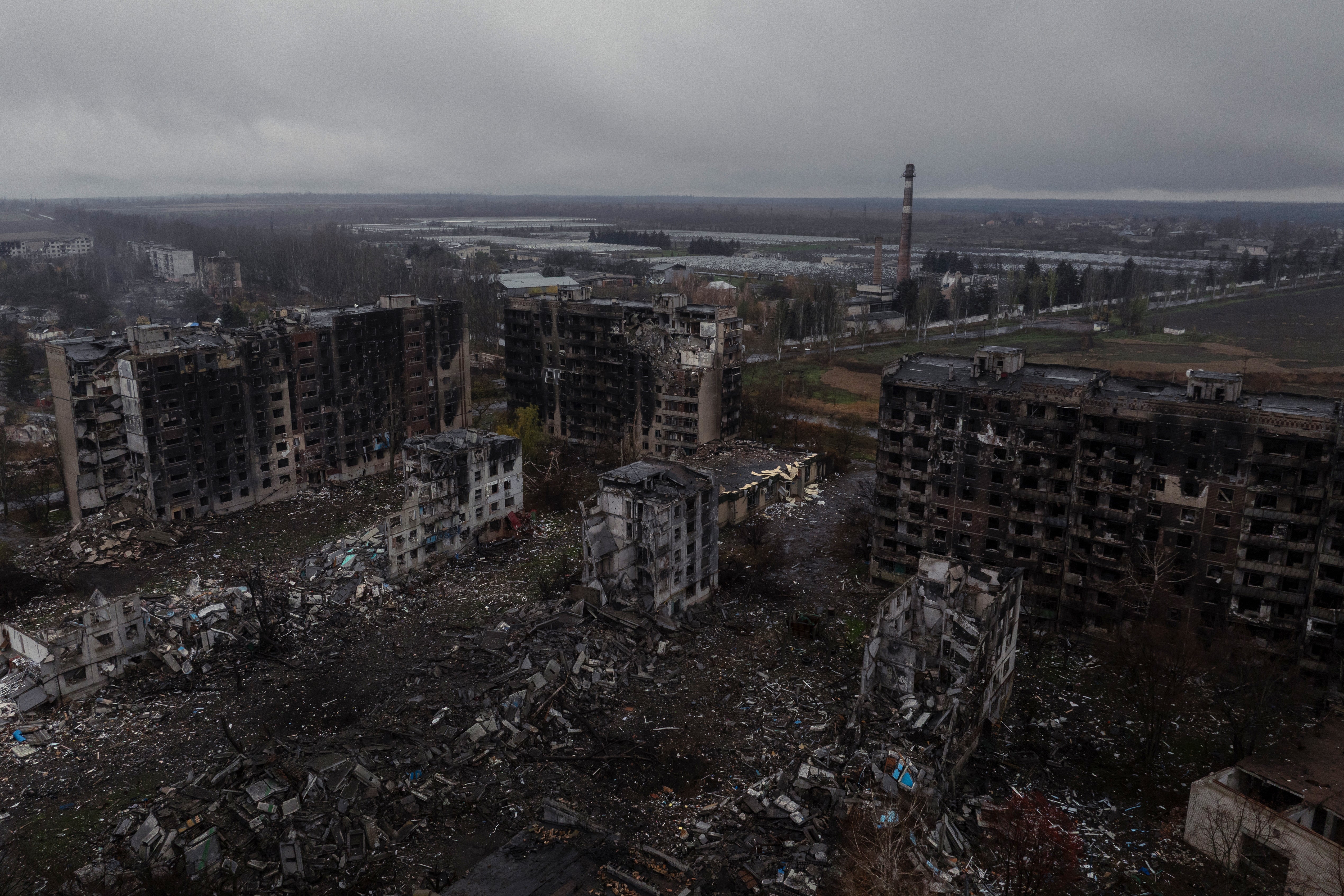
That toll is becoming unmanageable, according to Western officials, who in August estimated that the Kremlin was losing six thousand more troops per month than it was able to enlist.
That trend has only worsened with October 2026 becoming the deadliest month for Russian combat losses since 2022, according to Ukraine’s general staff.
If you are experiencing feelings of distress, or are struggling to cope, you can speak to the Samaritans, in confidence, on 116 123 (UK and ROI), email jo@samaritans.org, or visit the Samaritans website to find details of your nearest branch.
If you are based in the USA, and you or someone you know needs mental health assistance right now, call or text 988, or visit 988lifeline.org to access online chat from the 988 Suicide and Crisis Lifeline.
This is a free, confidential crisis hotline that is available to everyone 24 hours a day, seven days a week.If you are in another country, you can go to www.befrienders.org to find a helpline near you.

