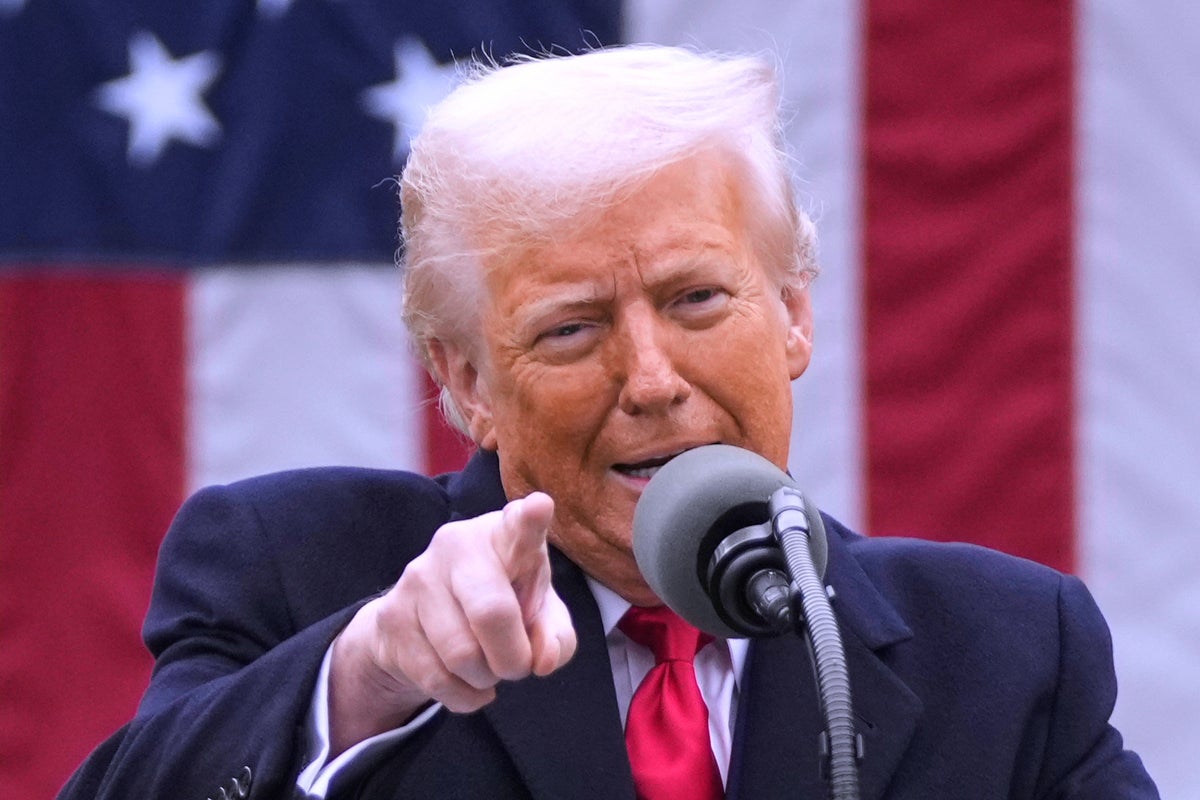
Төлөвлөгөөнд Хятадын бараанд нэмэлт 20 хувийн татвар ногдуулж, зарим бүтээгдэхүүний нийт тарифыг 45 хувьд хүргэхээр тусгасан байна.
Талархлын баярын өмнөх лхагва гарагийн үүрээр Хятад, Европын Холбоо болон арав гаруй худалдааны түншид чиглэсэн тарифын төлөвлөгөөг танилцуулжээ. Мягмар гарагийн орой нэрээ нууцалсан захиргааны өндөр албан тушаалтан сэтгүүлчдэд мэдээлэл өгөхдөө, АНУ-ын Худалдааны төлөөлөгчийн газар 12 улс, Европын Холбоо болон Тайванийн худалдааны практикийг шалгасан дүгнэлт гаргахын өмнө энэ тухай мэдэгдсэн байна. Хятадын зарим бараанд бусад импортын татвар давхар ногдсоноор нийт тариф 45 хувьд хүрч болзошгүй.
Европын Холбоо, Япон, Өмнөд Солонгос, Тайвань болон өөр есөн томоохон худалдааны түншийн бараанд ногдуулах татварыг мөн нэмэгдүүлэхээр төлөвлөжээ. АНУ-ын засаг захиргаа эдгээр улсын татаас, худалдааны бусад саад Америкийн үйлдвэрлэгчдийг өрсөлдөхөд хүндрэл учруулж, хямд барааны нийлүүлэлтийг өсгөсөн гэж үзэж байгаа бөгөөд шинэ тариф нь үйлдвэрлэлийн илүүдэл гаргалтыг хязгаарлах зорилготой аж. Тарифын эрх зүйн үндэслэл нь 1974 оны Худалдааны тухай хуулийн 301 дүгээр зүйл бөгөөд албан тушаалтны хэлснээр төлөвлөгөө одоогоор саналын шатанд байгаа, хэрэгжүүлэх тов тодорхойгүй байна.
Засаг захиргаа тарифын орлогоор холбооны төсвийн алдагдлыг бууруулж, үйлдвэрлэлийн ажлын байрыг сэргээнэ гэж мэдэгдэж байгаа ч өнгөрсөн жил ногдуулсан татвар инфляцыг нэмэгдүүлсэн нь сонгогчдын дургүйцлийг төрүүлжээ. Хоёрдугаар сард Дээд шүүх Дональд Трамп эдийн засгийн онц байдал зарлан Конгрессоос үл хамааран бүх бараанд тариф тогтоох эрхгүй гэж шийдвэрлэсний дараа шинэ тарифын орлогыг нөхөх шаардлага ч бий болсон байна. AP Voter Poll судалгаагаар сонгогчдын бараг гуравны хоёр нь Трампын бодлого эдийн засгийг дордуулсан гэж үзсэн бөгөөд энэ сарын завсрын сонгуулиар Бүгд найрамдахчууд Төлөөлөгчдийн танхим болон Сенатад олонхоо алджээ.
Бразилтай хийх худалдааны хэлэлцээ зогсонги байгаатай холбоотойгоор тус улсаас импортлох түүхий болон боловсруулсан элсэн чихрийн татварыг нэмэгдүүлж, нисэх онгоцонд 10 хувийн тариф ногдуулах санал гаргасан нь Embraer компанид нөлөөлнө. АНУ, Хятадын өнгөрсөн жил байгуулсан худалдааны түр эвлэрэл нэгдүгээр сарын 10-нд дуусах бөгөөд Трамп өнгөрсөн долоо хоногт Шэньжэнь хотод Ши Жиньпинтэй уулзжээ; ирэх сард Флоридад болох G20-ийн дээд хэмжээний уулзалтаар энэ асуудлыг дахин хэлэлцэж магадгүй. Шинэ тариф нь автомашин, ган, хөнгөн цагаанд тусад нь ногдуулсан татвар болон албадан хөдөлмөрөөр үйлдвэрлэсэн барааны эсрэг долоодугаар сард зарласан 10–12.5 хувийн татвартай давхардахгүй; мөн Бангладеш, Камбож, Энэтхэг, Индонез, Малайз, Сингапур, Швейцар, Тайланд, Вьетнамын барааг хамруулж, Мексик, Норвегийн худалдааны практикийг шалгаж байна.
Дэлгэрэнгүйг эх сурвалжаас харах
↓Эх сурвалжийг нээх ↓
Want to bookmark your favourite articles and stories to read or reference later? Start your Independent Membership today.
Already a member?
New tariffs were rolled out in the early hours of Wednesday, the eve of Thanksgiving, hitting goods from China, the European Union and more than a dozen other trading partners.
A senior administration official detailed the plans to reporters on a late-night call on Tuesday, speaking on condition of anonymity because the reports had not yet been posted by the U.S. Trade Representative’s office.
The call came ahead of the release of a series of investigations into the trade practices of 12 countries, the 27-member EU and the self-governing island of Taiwan. At the center of the plan is an additional 20% tariff on Chinese goods, which for some products will stack on top of other import taxes to reach a total rate of 45%.
Import taxes would also rise on products from the EU, Japan, South Korea, Taiwan and nine other major trading partners. The Republican administration argues that those economies have helped spur an influx of lower-priced goods that undercut American companies.
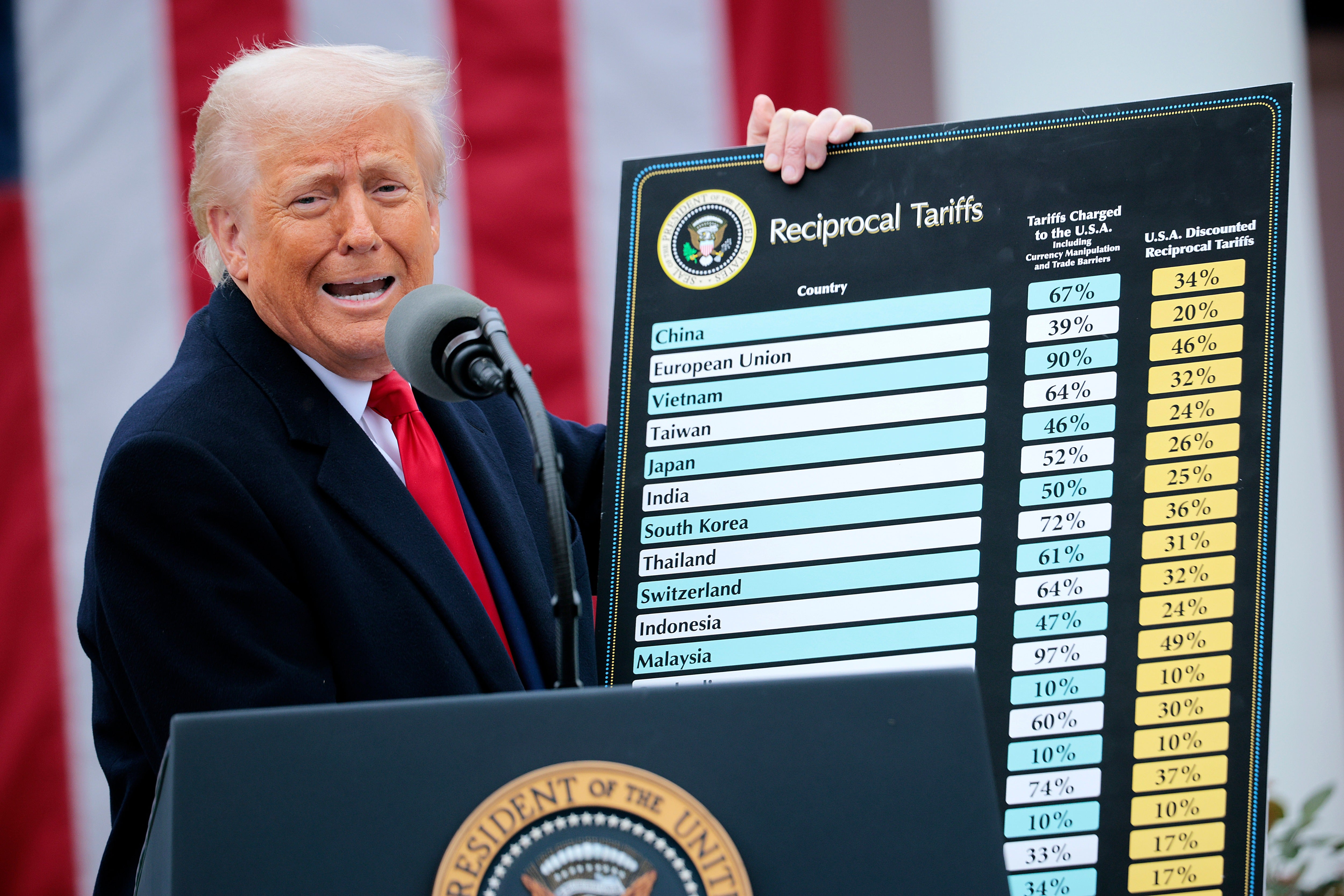
It says subsidies and other trade barriers in those countries put American manufacturers at a disadvantage, and that the new tariffs are meant to discourage excessive manufacturing output there.
The taxes are also intended to help replace tariff revenues lost after the Supreme Court ruled in February that Donald Trump could not declare an economic emergency to bypass Congress and impose across-the-board tariffs. The president has promised the import taxes will bring back manufacturing jobs and reduce the federal deficit.
But tariffs imposed last year contributed to higher inflation, angering voters, and Democratic lawmakers responded by calling for congressional approval of future tariffs. Voters in this month’s midterm elections punished Republicans by handing Democrats majorities in the House and the Senate.
About two-thirds of voters said Trump’s policies had made the economy worse, according to The AP Voter Poll, a sweeping survey of the American electorate conducted in all 50 states. The administration argues the targeted countries have created a goods trade deficit that has recently exceeded $1 trillion annually.
The legal basis for the planned tariffs is Section 301 of the Trade Act of 1974, which enables the U.S. government to investigate and retaliate against foreign trade practices that violate existing deals, are not justified by market forces or actively discriminate against American goods.
The official told reporters the new tariffs would be consistent with the trade deals Trump reached last year with dozens of countries after threatening severe tariff hikes. The official stressed that the tariffs were still in the proposal stage and did not provide firm timelines for possible implementation.
Brazil was singled out for extra punishment after talks on trade issues stalled, the official said. The U.S. is proposing higher import taxes for raw and refined sugar and a new 10% tariff on aircraft, a move that would hit Embraer, Brazil’s largest aircraft maker.
The U.S. and China reached a trade truce last year that expires on Jan. 10. The new tariffs will not surprise Beijing and, the administration official said, are unlikely to undermine the truce. Trump met Chinese leader Xi Jinping in Shenzhen, China, last week.
He plans to host him next month at the Group of 20 summit in Florida, where the truce and issues over access to rare earth minerals and China’s purchases of American agricultural products could be discussed again. The official stressed that the tariffs target specific products.
They would not stack on top of separate tariffs on automobiles, steel, aluminum and other products that the administration has separately imposed under Section 232 of the Trade Expansion Act of 1962.
Nor will they stack on top of levies of 10% to 12.5% announced in July for 60 trading partners that the White House said have inadequately enforced bans on goods produced by forced labor.
Other nations facing the new tariffs are Bangladesh, Cambodia, India, Indonesia, Malaysia, Singapore, Switzerland, Thailand and Vietnam. The official said two other countries are under investigation: Mexico and Norway.
The Associated Press confirmed the planned tariff announcement ahead of the call, according to people who insisted on anonymity because they were not authorized to comment publicly. The plans were reported earlier on Tuesday by Bloomberg and The Wall Street Journal.

