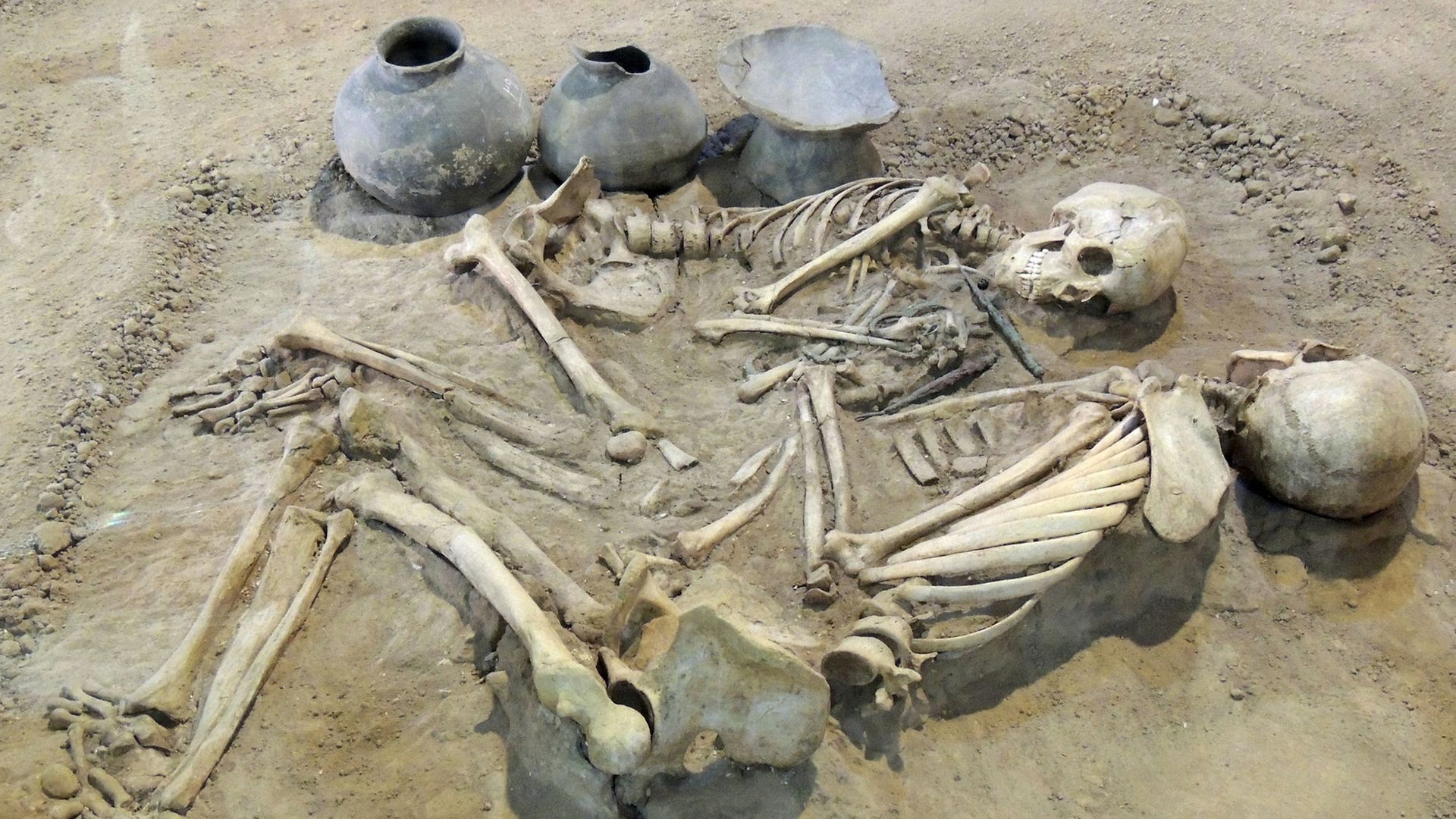
Археологийн олдворууд нь эртний соёл иргэншлийн амьдралын хэв маяг болон хүний түүхийн нууцыг тайлахад чухал түлхүүр болдог.
Дэлхий даяар хийгдсэн малтлагууд эртний ертөнцийн талаарх шинэ баримтуудыг нээсээр байна. Тухайлбал, Дани улсаас олдсон 1200 жилийн настай зооснууд нь Викингүүд исламын ертөнцийн мөнгөн зоосыг хайлуулж ашигладаг байсныг нотолсон бол Сибирээс олдсон 2800 жилийн настай, морьтой булш нь нүүдэлчин Скифүүдийн түүхтэй холбогддог. Мөн Германы нутгаас олдсон 40,000 жилийн настай “Арслан хүн” баримал нь хүн төрөлхтний шашны итгэл үнэмшлийн хамгийн эртний нотолгоо байж болох юм.
Эртний бичээсүүд нь мартагдсан хэл болон соёл иргэншлийг ойлгоход нэн чухал үүрэгтэй. Крит арлын Минойн соёл иргэншлийн “Линей А” бичгийн систем болон Египетийн дүрс бичгийг тайлахад тусалсан Розетийн чулуу зэрэг нь түүхчдэд эртний соёлын гүн гүнзгий давхаргыг судлах боломжийг олгосон билээ.
“Live Science”-ийн санал асуулгад оролцсон 290 гаруй уншигчийн 69 хувь нь эртний хэлийг тайлах бичээс олж илрүүлэхийг хамгийн их хүсэж байгаагаа илэрхийлжээ. Уншигчид бичээс тайлагдах нь булш бунхан болон бусад баримт бичгүүдийг илрүүлэхэд шууд нөлөөлдөг болохыг онцолсон байна. Мөн оролцогчдын зарим нь эртний зэвсэг болон Аттилла хааны олдсоор байгаа булш зэрэг нь археологийн үнэ цэнтэй нээлтүүд байх болно гэж үзжээ.
Дэлгэрэнгүйг эх сурвалжаас харах
↓Эх сурвалжийг нээх ↓
From people’s backyards to famous excavation sites, archaeological discoveries found the world over give clues about the cultures and lives of ancient peoples. For instance, the discovery of 1,200-year-old pennies in Denmark revealed that the Vikings melted down silver from the Muslim world, while an excavation of a 2,800-year-old tomb with sacrificed horses in Siberia revealed ties to the nomadic Scythians.
Other archaeological discoveries are important due to their historical significance or extraordinary preservation. For example, the 40,000-year-old “Lion Man” statuette was carved by humans in what is now Germany during the last ice age, and it may be the earliest known evidence of religious belief in the world.
Meanwhile, ancient texts can provide clues about mysterious and long-lost languages, such as the Linear A writing system from the ancient Minoans of Crete. Other texts, like the Rosetta stone, helped crack the code of Egyptian hieroglyphics, allowing researchers to better understand this ancient culture.
Each type of archaeological discovery unearths something new about the ancient world. This week, Live Science polled its readers on which of these types of findings they’d most like to uncover.
Over 290 readers weighed in, with 69% choosing that they’d like to discover an ancient text “that helps decipher a language.”
The comments also reflected this trend, with one reader writing: “The interpretation of a newly deciphered language can lead to the discovery of other things like tombs and documents, as was the case with the Rosetta stone. Once Egyptologists could read hieroglyphs, they could discover other information which helped them in their research and digs.”
- 2,900-year-old sanctuary discovered on Greek mountaintop may have been a destination for Artemis worship
- 2 giant Ramesses II statues, one wearing a double crown, discovered by man in Egypt
- ‘Unlike anything seen before’: Archaeologists unearth a unique, 11,000-year-old statue of a person riding a leopard from one of the world’s earliest settlements
Other readers highlighted the importance of finding ancient weapons, which 4% of participants voted for. As one commenter wrote: “War has always been responsible for where people gather and settle down together. Weapons therefore can reveal the ebb and flow of people across the countries, which for many years never existed. This therefore reveals a lot about the specific development in many different areas and ultimately perhaps as to why we actually live where we do.”
In a similar vein, one commenter wished that they could “discover Attila’s grave site, since no one has found [it] as of today.”
Another reader reflected on the importance of finding ancient burial sites, writing: “I think that tombs are the most valuable finds in archaeology.”
Do you agree or disagree with these readers? What would you most like to find? Let us know in the comments!

