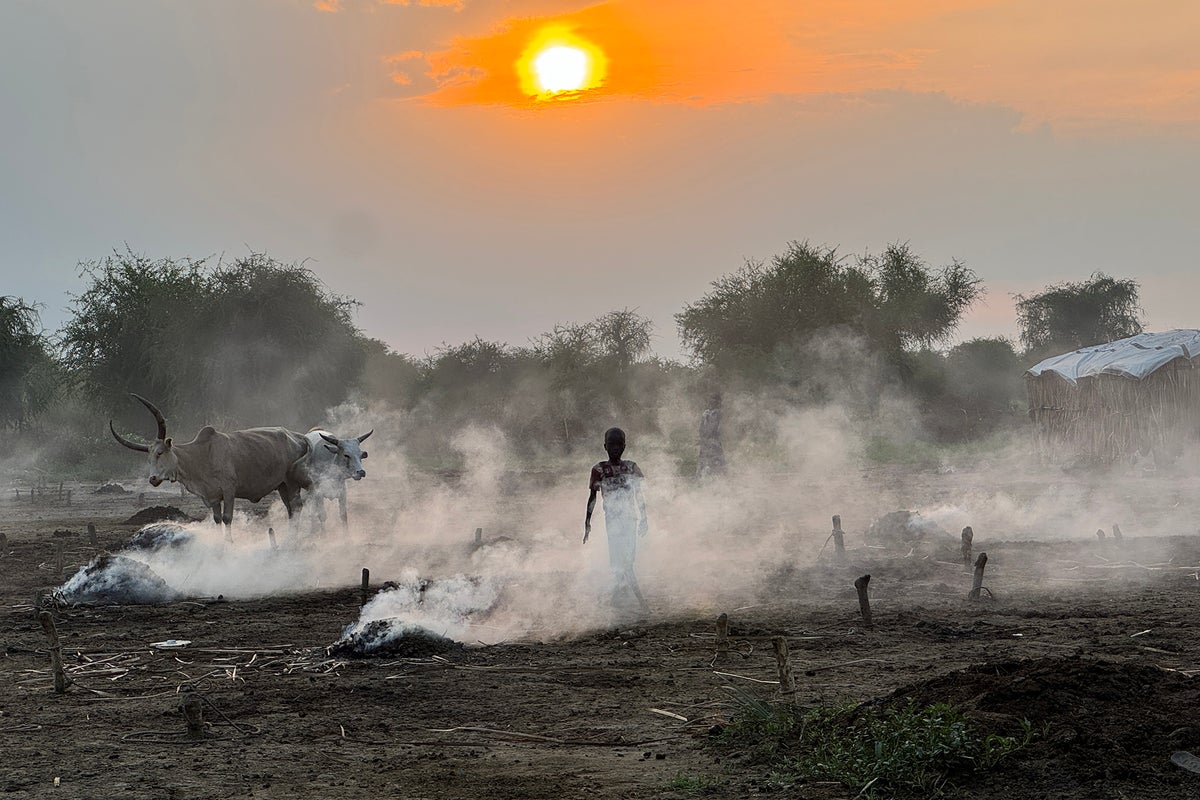
Газрын тосны орлого ихтэй ч зөрчил мөргөлдөөн, авлига, олон улсын тусламжийн таналт хүн амын хүнсний аюулгүй байдлыг дордуулжээ.
Өмнөд Суданд 12 сая орчим хүн амын 7.8 сая нь, түүний дотор хоёр сая хүүхэд хүнсний хурц хомсдолд орох эрсдэлтэй байгааг хүмүүнлэгийн байгууллагууд анхааруулжээ. Тусгаар тогтносноос хойш 15 жилийн хугацаанд газрын тосноос хэдэн арван тэрбум ам.долларын орлого олсон ч хүн амын талаас илүү нь өлсгөлөнд нэрвэгдэж, төрийн албан хаагчид жил гаруйн хугацаанд цалингаа аваагүй байна.
НҮБ-ын тайланд Өмнөд Суданыг эрх мэдэл бүхий цөөн бүлэг улсын баялгийг хувийн ашигт завшдаг, “төрийг эзлэн авсан” тогтолцоотой гэж дүгнэжээ. Тус улс гурав дахь иргэний дайнаа туулж буй бөгөөд цэргүүдийн цалин тасарснаас байлдаан түр намжиж, зарим нь гэртээ харих замдаа буугаа хүнс, үрээр сольж байна.
Зүүн хил орчмын Акобо хотод өдөр бүр олон зуун хүн дүрвэн ирж байгаа ч гадаадын тусламж буурснаас хүнсний хуваарилалтыг танажээ. Малакал хотоор дамжих хүнсний тусламжид орон нутгийн захиргаа дор хаяж 10 хувийн татвар шаардаж, НҮБ төлөхөөс татгалзсанаар хүнс ачсан усан онгоцнууд голын эрэгт хэдэн долоо хоногоор саатаж байна. Үүнээс болж цааш урсгал дагуух Пагуир хотод тусламж хүлээж буй хүмүүст тараах хүнс хүрэлцэхгүй байгаа аж.
НҮБ-ын Дэлхийн хүнсний хөтөлбөр тусламжийг хэнд хүргэхээ хүнд нөхцөлд шийдэж байгаагаа мэдэгдсэн бөгөөд зэвсэгт бүлэглэлүүдийн хяналттай бүсэд хүрэхийн тулд тусгай нэгж ажиллуулж байна. НҮБ-ын тайланд төрөөс хүнс, эрүүл мэнд, боловсролын үйлчилгээг олон улсын доноруудад даатгасан нь иргэдийг тогтворгүй, хүрэлцээгүй тусламжаас хамааралтай болгосон гэжээ. Их Британи, АНУ сүүлийн хоёр жилд дэлхий даяарх тусламжаа танасан нь одоогоор өлсгөлөнд нэрвэгдэх эрсдэлтэй 7.8 сая хүнд нөхцөл байдлыг улам хүндрүүлж байна.
Дэлгэрэнгүйг эх сурвалжаас харах
↓Эх сурвалжийг нээх ↓
Want to bookmark your favourite articles and stories to read or reference later? Start your Independent Membership today.
Already a member?
Her twins lie on a tarpaulin, floppy and listless. Speaking haltingly, Nye Bel describes how her village was attacked at night. She doesn’t know by whom.
She explains how she fled, how her husband and eldest son, Nyat, vanished in the chaos. How she survived on the kindness of others but now relies on aid.
Living in a makeshift camp in Akobo, a South Sudanese town on the eastern border with Ethiopia, she cares for her three desperate children and yearns for her missing fourth, who is just seven years old.
Nye’s pain, fear, and even moments of hope, are hers alone. But in the miserable tale of the emergence of the world’s youngest nation of South Sudan, it is a story that has been repeated countless times.
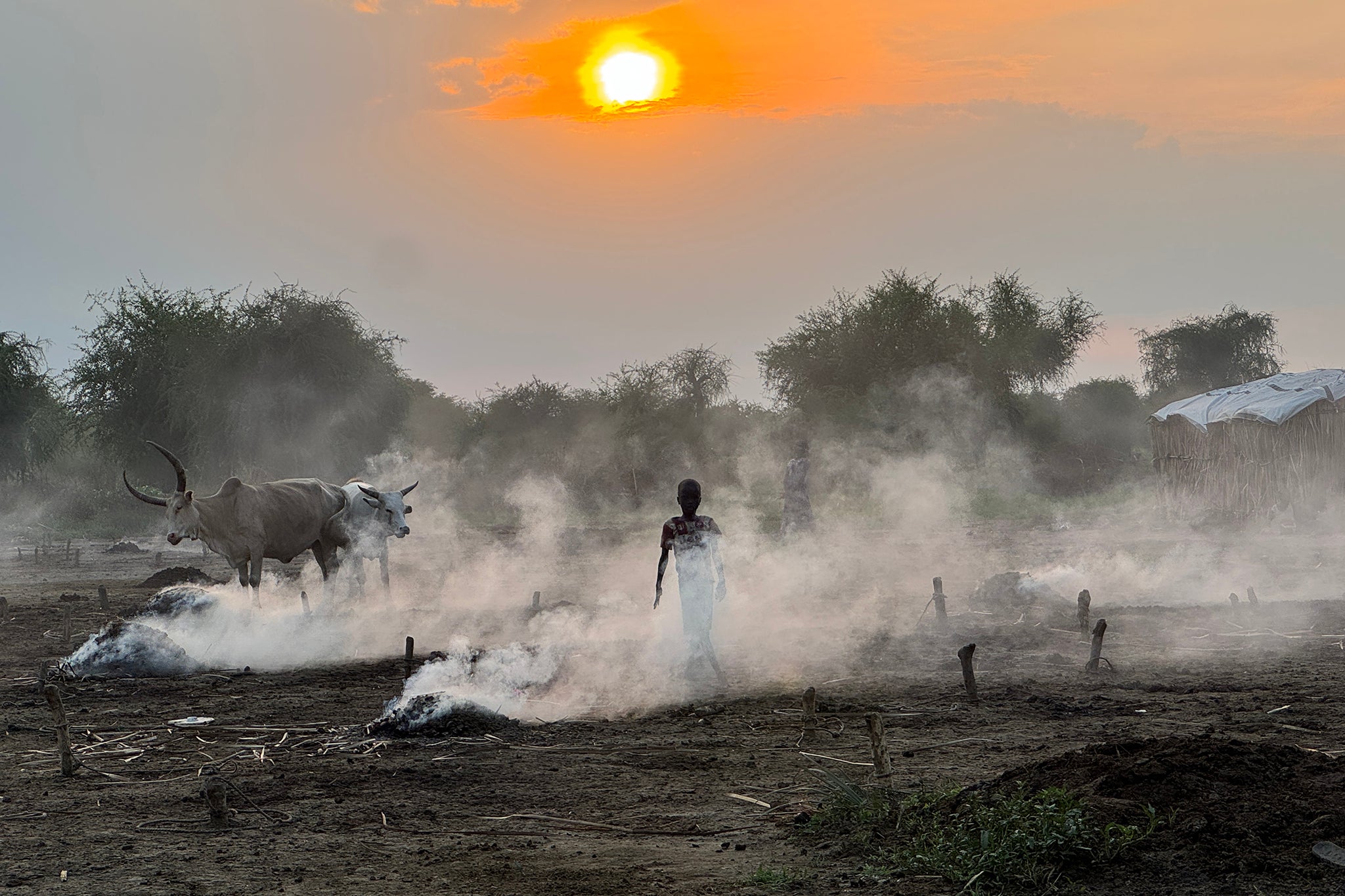
Millions South Sudan are currently on the brink of starvation, victims of a country corrupted before conception and reliant on a dwindling supply of international aid.
Fifteen years after independence, South Sudan has earned tens of billions of dollars from oil. It should be thriving.
Yet, with near constant conflict, more than half its people are hungry and government officials haven’t been paid for more than a year.
The country is now going through its third civil war. There’s a lull in the fighting at the moment because there’s no cash for soldiers who have wandered home, often selling their rifles for food and seeds en route to their farms.
The soldiers, gunmen and tribal militia, the internal refugees and starving people are all victims of what the United Nations says South Sudan has experienced – “state capture” – where the country acts a cash-cow for a tiny section of society.
Its recent damning report concluded that South Sudan’s government has been “captured by a predatory elite that has institutionalised the systematic looting of the nation’s wealth for private gain”.
Now humanitarian agencies are warning that out of a population of nearly 12 million, 7.8 million – including two million children – face acute hunger. International donors are being asked to find hundreds of millions of dollars for emergency food.
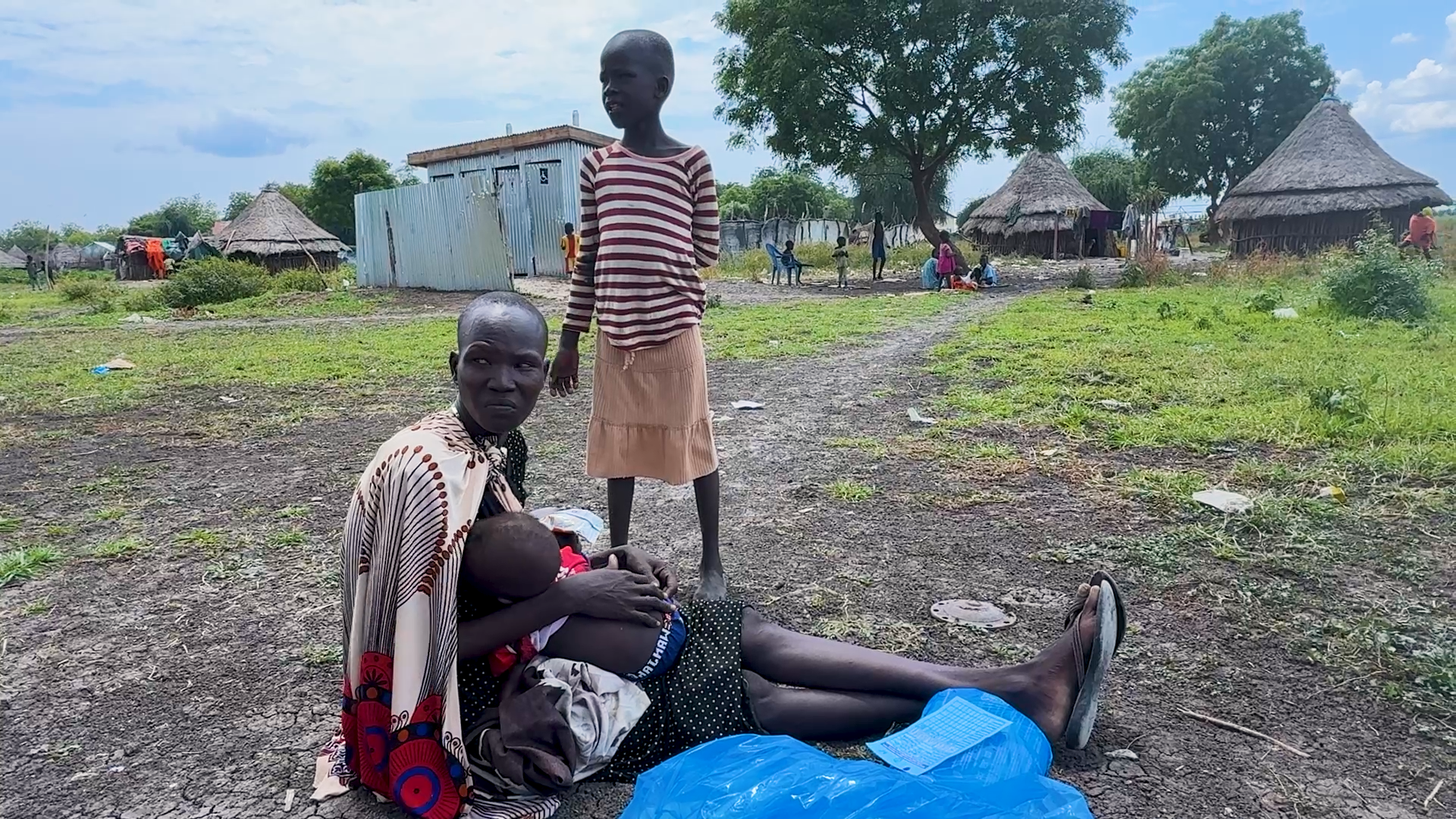
In Akobo, there are some vital supplies for the thousands of internally displaced. But rations have been cut back due to swingeing foreign aid cuts over the last two years.
Hundreds of desperate new arrivals pour into the town every day. There are deep fears that soon the government may strike here again – maybe with air raids.
“If people are attacked again, it’s going to be difficult for this vulnerable community,” says Gadmai Maban, Oxfam’s representative.
Crowds of people wait patiently to be officially registered – a means used by the UN to stop food aid being stolen and used by armed groups.
The lucky few drag sacks of the cereal grain sorgum, jerry cans of cooking oil and bags of “plumpy nut” sachets for child malnutrition into small groups for sharing out.
With rations cut, tensions are only checked by a desperation that is also shared.
Further west, the city of Malakal sits on the White Nile. An inland port, it’s a central node for the World Food Programme’s (WFP) shipping operations – and an opportunity for the local authorities to gouge foreign aid donations.
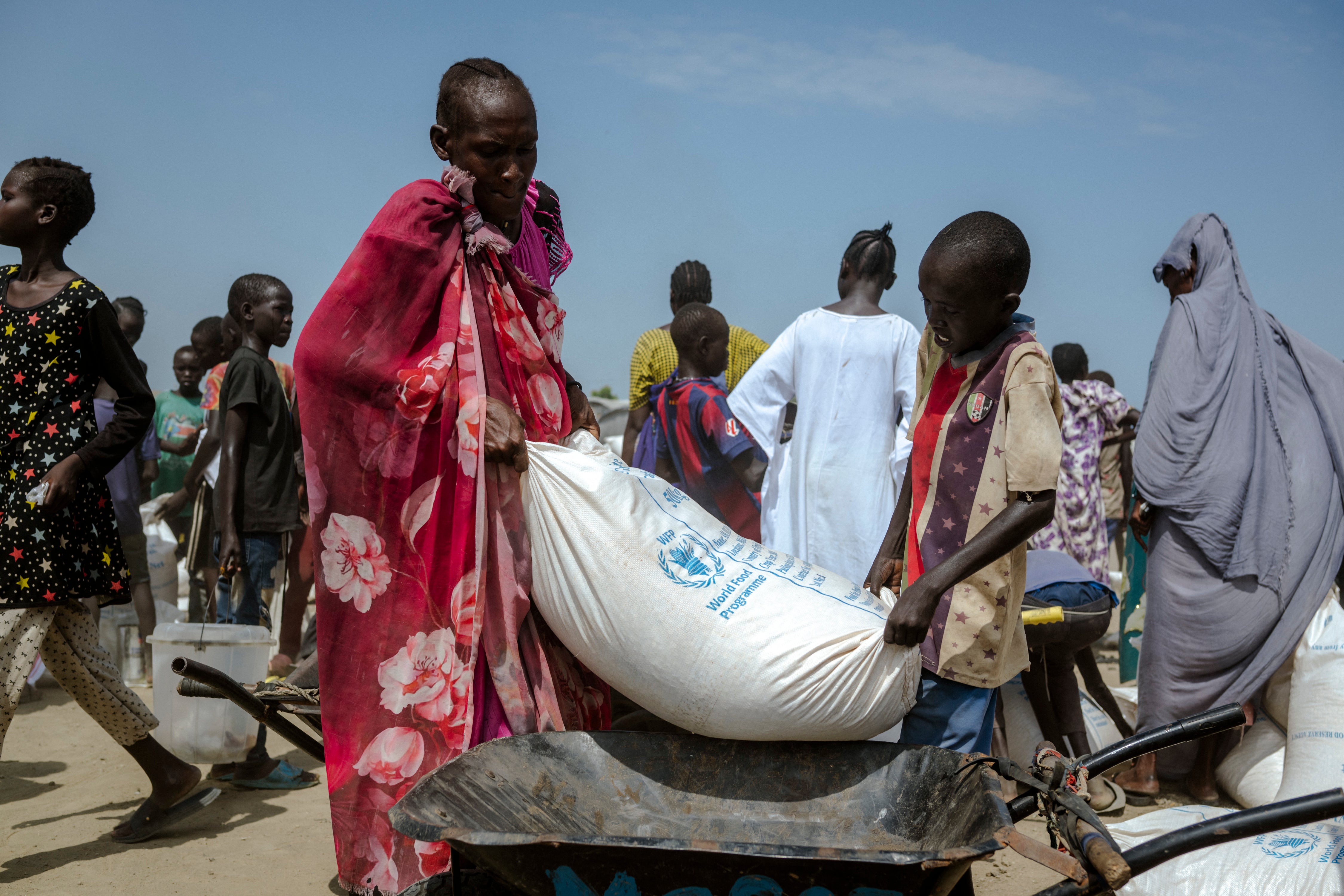
The government-appointed local governor is illegally demanding VAT of at least 10 per cent on all food being shipped along the route upriver. The UN, literally, will not budge and so vast barges groaning with food aid nuzzle the city’s river banks for weeks.
Three days’ travel further upstream lies the city of Paguir, seen as a relatively safe haven from the fighting.
Growing numbers of people gather here, patiently waiting to be registered and finger printed, but similarly there are no food stocks to feed them.
“We don’t have enough food to give them but we’re expecting some from Malakal,” explains Regina Muchai, the local head of Norwegian People’s Air.
But she doesn’t know the crucial supplies are being held for ransom by the governor downstream. These self-inflicted complications make an already tricky delivery of food even harder.
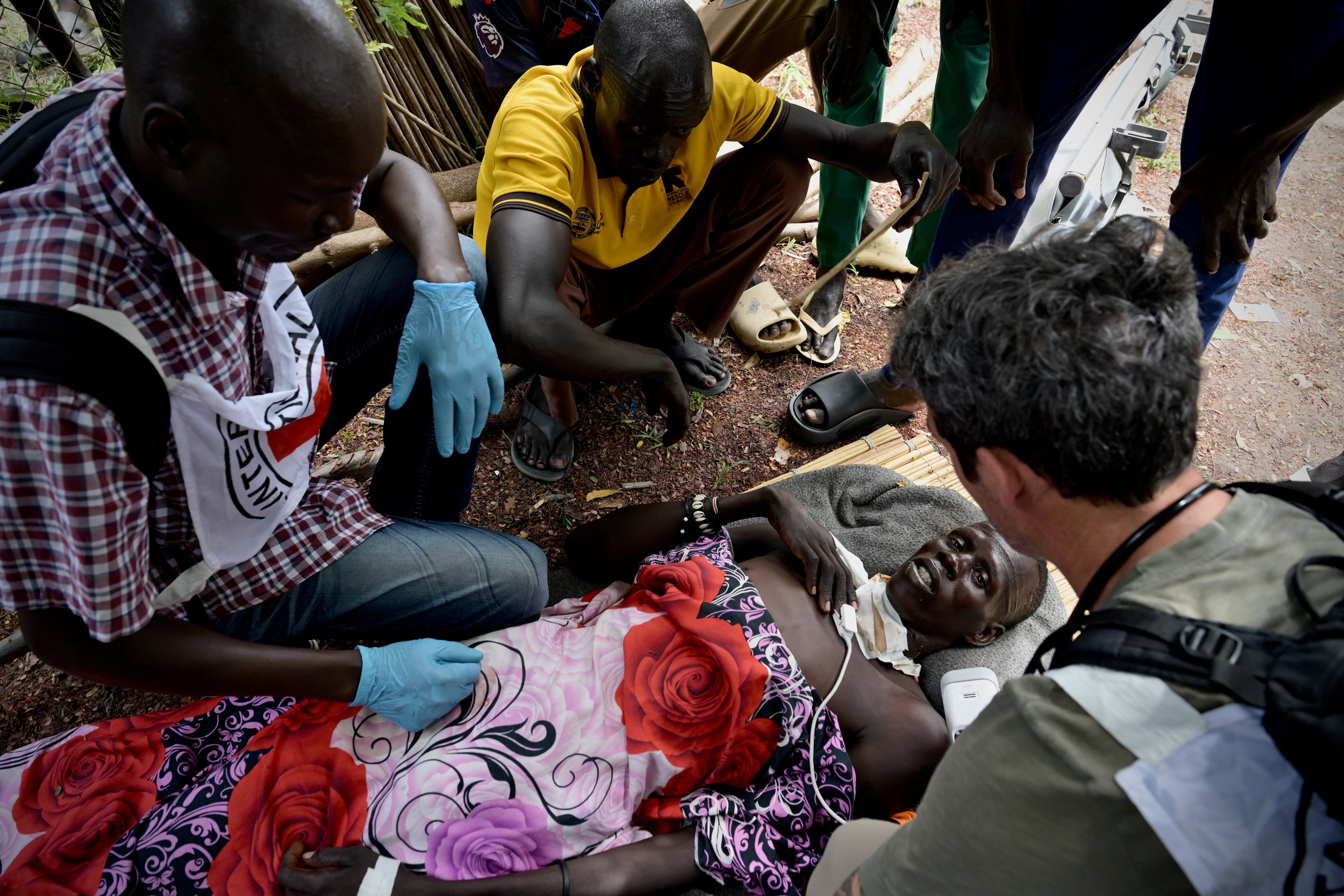
“We’re making really, really difficult decisions on who gets assistance. It’s like between you and me, basically deciding who’s getting food,” says Mutinta Chimuka, head of WFP in South Sudan.
“This is really a difficult situation because we’re faced with the humanitarian needs of food insecurity, but also faced with a very difficult environment that we work in.”
Such is the breakdown between internal factions that the WFP operates a specialist unit, led by a veteran of aid operations in Yemen, Iraq and Afghanistan, to negotiate “access” to allow supplies get through.
But a belief that fixing the mess they make of their own country, and dealing with the horrors they inflict on their own people is someone else’s problem, has been baked into the minds of leaders here, on all sides, during earlier wars for independence.
In New Fangak, further along the Nile, the ethnic Shilluk militia Agwelek rules this hinterland. It is allied with the central government (for now). One of its commanders says “the foreigners, the Europeans, should come back and run this place”.
All along the river they face a real risk of flooding as the low-lying fields may soon be inundated by rising water. Dikes need to be dug to protect the villages but local officials say they are “waiting for the WFP” to organise the work.
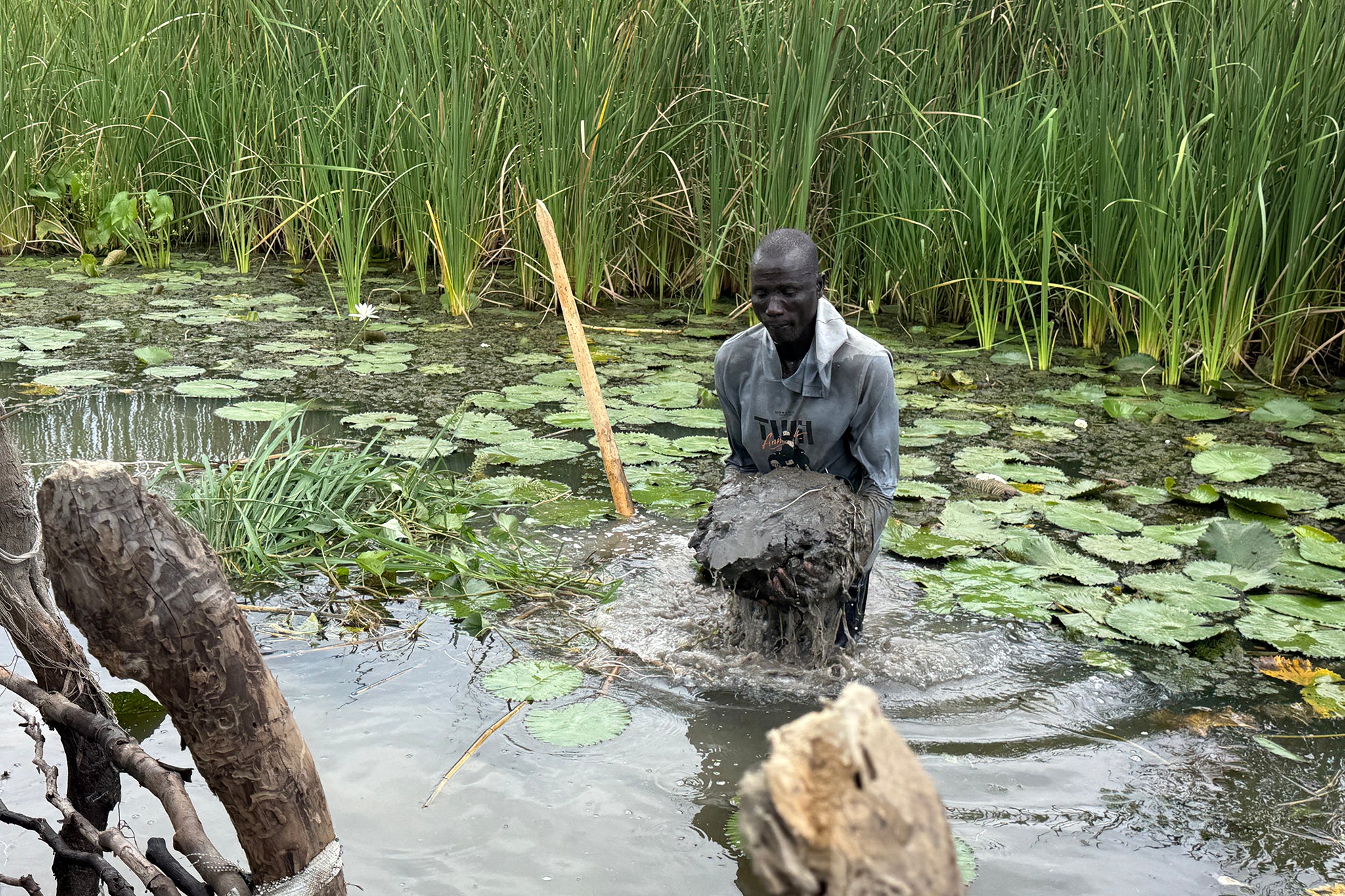
“We have renovated the previous dike that was constructed by WFP. We are still working on it, but we don’t know what will happen next. We depend on WFP and other NGOs that are helping us,” says humanitarian worker Riek Gatjiak.
“But surely it would be better for South Sudan to have a government that can use the oil money and the other revenues to build a dike for Fangak?” I ask.
“It could be good, but I don’t know where the money is,” he replies, with a nervous laugh.
The UN and International Committee of the Red Cross are wise to the jostling between governments and rebels. Both humanitarian groups refuse to pay customs duty, allow no graft, but can do little to stop the fighting.
Until recently, foreign aid organisations kept out of politics and clung to the “humanitarian imperative” to help, no matter the cost.
Food and fuel, money for logistics and other aid sent into southern Sudan through the 1980s and 1990s was mostly “diverted” by the rebels and used to fund their independence war against the north.
Meanwhile the rebel southern Sudanese forces, and various militia, also didn’t think about the consequences of its internecine wars for the general population. It was assumed these people were not the responsibility of their leaders.
Civilians, women and children, teachers, nurses, doctors, were the burden that should be, and were, carried by foreigners – the “international community”.
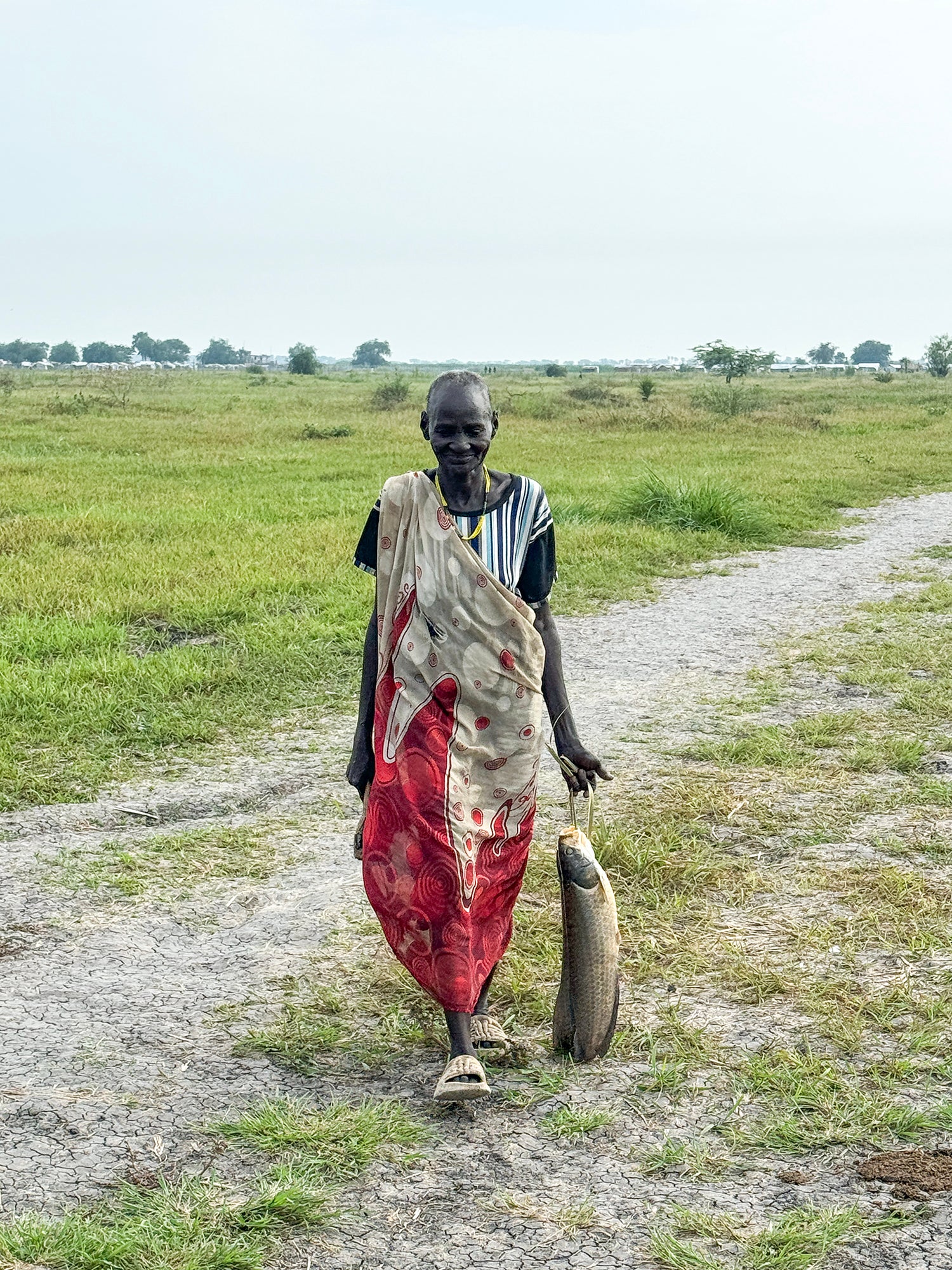
And this remains a core belief within the elite running South Sudan now. The Independent approached government authorities multiple times but received no response.
The excoriating report from the UN is clear about the impact of the wealthy skimming off resources.
It said: “While a small group of powerful actors pillage and loot the country’s wealth and resources, enriching themselves, the state has effectively abdicated its sovereign responsibilities to its population, outsourcing critical services — such as the provision of food, healthcare, and education to international donors.
“This abandonment of duty has left the population at the mercy of volatile and insufficient humanitarian aid.”
Britain and the US has concluded much the same. Both have cut back on aid worldwide in the last two years.
In the long term that may be one solution, but for now it is a disaster for the 7.8 million South Sudanese going dangerously hungry.
This article has been produced as part of The Independent’s Rethinking Global Aid project

