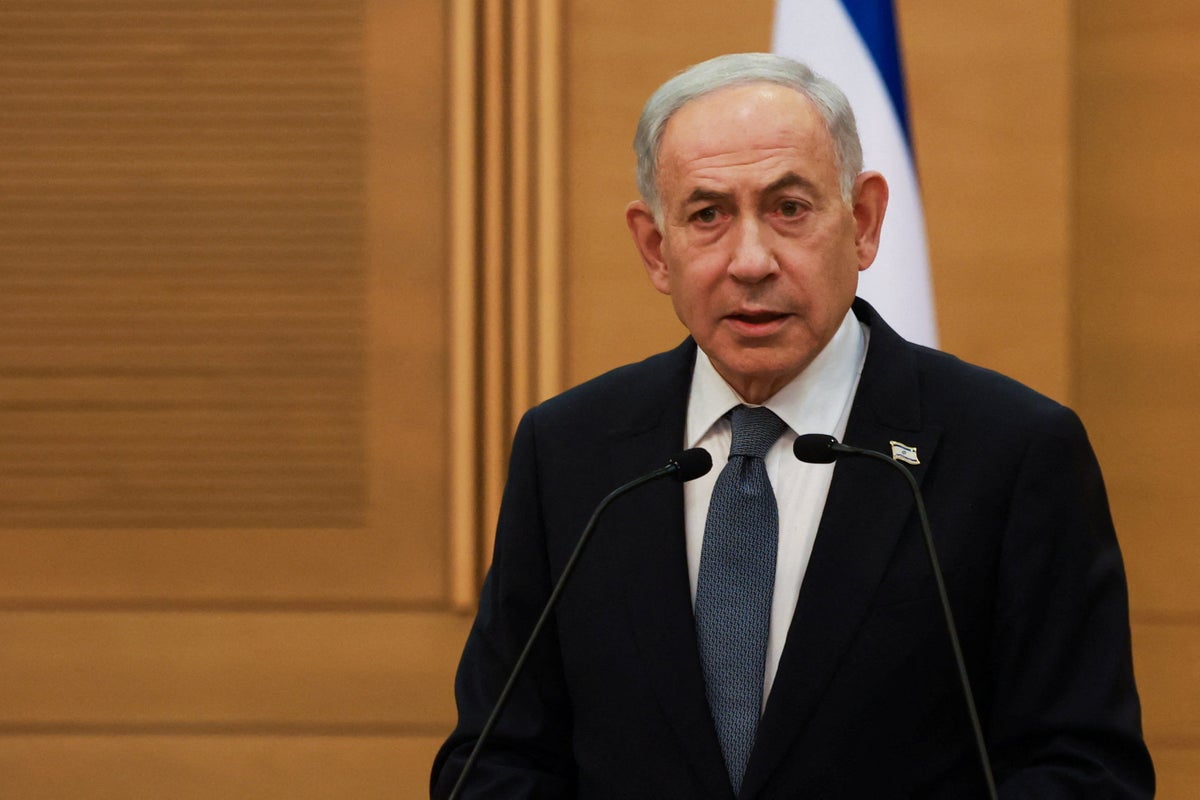
Тэрээр Гади Айзенкотыг эхэлж Ерөнхий сайдаар ажиллуулахад бэлэн гэдгээ мэдэгдэж, улс төрийн гацаанаас гарах хэлэлцээ хийхийг уриалжээ.
Өнгөрсөн сарын сонгуулиар аль ч тал олонх болж чадаагүй тул түр үүрэг гүйцэтгэгч Ерөнхий сайд Биньямин Нетаньяху үндэсний эв нэгдлийн засгийн газар байгуулах санал гаргав. Түүний саналын дагуу сөрөг хүчний тэргүүн Гади Айзенкот эхлээд Ерөнхий сайдаар ажиллаж, Нетаньяху эхний үед орлон гүйцэтгэгчээр ажиллан, дараа нь албан тушаалыг ээлжлэн хаших ажээ. Нетаньяху ням гарагт Айзенкоттой уулзаж, улс төрийн гацааг шийдэх арга замыг хэлэлцэхээр товлосон байна.
Нетаньяхугийн баруун жигүүрийн Ликуд нам болон холбоотнууд нь парламентын 53 суудал авсан бол Айзенкотын төвч Яшар намын тэргүүлсэн сөрөг хүчний эвсэл 48, арабын хоёр эвсэл 19 суудал авчээ. Сонгогчдын ирц бараг 78 хувьтай байсан ч олонх бүрдүүлэхэд шаардлагатай 61 суудалд аль ч тал хүрсэнгүй. Арабын эвслүүдийн хүчтэй үр дүн тэдэнд шийдвэрлэх нөлөө үзүүлэх боломж олгосон ч еврей намуудын нэгээс бусад нь тэдэнтэй хамтарч засгийн газар байгуулахгүй гэж мэдэгдсэн юм.
Нетаньяху Израилын аюулгүй байдалд тулгарч буй аюулын улмаас буулт хийхэд бэлэн байгаагаа хэлж, талуудыг эрчимтэй хэлэлцээ хийхийг уриалав. Армийн жанжин асан Айзенкот уг саналыг хэлэлцэхэд бэлэн гэдгээ илэрхийлж, үндсэн бодлогын асуудлаар нэн даруй хэлэлцээ хийхийг санал болгожээ. Гэвч түүний улс төрийн хүрээний зарим хүн Нетаньяхугийн саналыг цаг хожих оролдлого хэмээн шүүмжилсэн бол Ерөнхий сайд асан Яир Лапид Нетаньяхугүйгээр Айзенкотын засгийн газрыг эхлээд байгуулахыг санал болгосон; Нафтали Беннет харин хэлэлцээ хийхийг дэмжжээ.
Айзенкот Нетаньяхугийн намгүйгээр олонх бүрдүүлэх боломжийг нэмэгдүүлэх хоёр түнштэй эвслийн гэрээ байгуулсан байна. Хэлэлцээний гол маргаантай асуудалд хэт үнэн алдартны еврейчүүдийг цэрэгт татах, үндэсний аюулгүй байдал, шүүхийн шинэчлэл, мөн арабын намуудыг эвсэлд оруулах эсэх багтаж байна. Эцсийн дүнд ээлжлэн Ерөнхий сайд хийх зохицуулалттай эвслийн засгийн газар байгуулах, эсвэл Айзенкотын тэргүүлсэн засгийн газар гаднын дэмжлэгт түшиглэх хувилбарууд яригдаж байгаа бөгөөд тохиролцоонд хүрэхгүй бол дахин сонгууль явуулах боломжтой.
Дэлгэрэнгүйг эх сурвалжаас харах
↓Эх сурвалжийг нээх ↓
Want to bookmark your favourite articles and stories to read or reference later? Start your Independent Membership today.
Already a member?
Benjamin Netanyahu offered to form a national unity government with rotating premiership to break the political deadlock created by last month’s election that produced no clear majority.
He is scheduled to meet opposition leader Gadi Eisenkot on Sunday to discuss a way out of the impasse.
Offering a significant concession, the caretaker premier said he would agree to Mr Eisenkot becoming prime minister first before handing the job back to him.
Mr Netanyahu’s right-wing Likud and its allies, including far-right and ultra-Orthodox parties, won 53 seats in the general election, while the opposition bloc led by Mr Eisenkot’s centrist Yashar party took 48 seats. The two Arab-led coalitions won 19.
No side reached the 61 seats needed for a parliamentary majority despite a voter turnout of nearly 78 per cent.
The unprecedentedly strong showing in the election by the two Arab-led alliances, the United Arab List and the Joint List, made them potential kingmakers. However, all but one of the Jewish parties pledged not to work with them to form a government.
“My responsibility as a leader requires me to set everything aside,” Mr Netanyahu declared, “and agree that Gadi Eisenkot will serve first as prime minister, while I will serve as alternate prime minister at the beginning of the term.”
He was ready for such an arrangement, Mr Netanyahu said, because of “the gravity of the existential danger and the possibility that a government will be formed that lacks the ability to confront it”.
“I expect that, in light of this agreement on my part, we will immediately begin genuine, sincere, and accelerated negotiations in which the other side will also be willing to make similar compromises and concessions, to establish a national unity government that’ll repel these dangers and ensure Israel’s security and future,” he said.
Mr Eisenkot, a former army chief, responded by inviting Mr Netanyahu to “genuine and accelerated negotiations”.
“If Likud is ready for genuine unity, I am ready to assess the seriousness of its intentions over the next 24 hours, and I invite Netanyahu and his team, tonight, to the Dan Accadia Hotel in Herzliya, where I’m staying with my negotiating team, to conduct genuine and accelerated negotiations on basic guidelines and policy issues, based on the detailed proposal to which Netanyahu has yet to respond,” he wrote on social media. “I am committed to the citizens of Israel, including those who did not vote for me and my partners, to continue working to bring about the formation of a good government for all the citizens in the coming days.”
Mr Eisenkot earlier signed coalition deals with two partners whose support could bring him closer to a majority without Mr Netanyahu’s party.
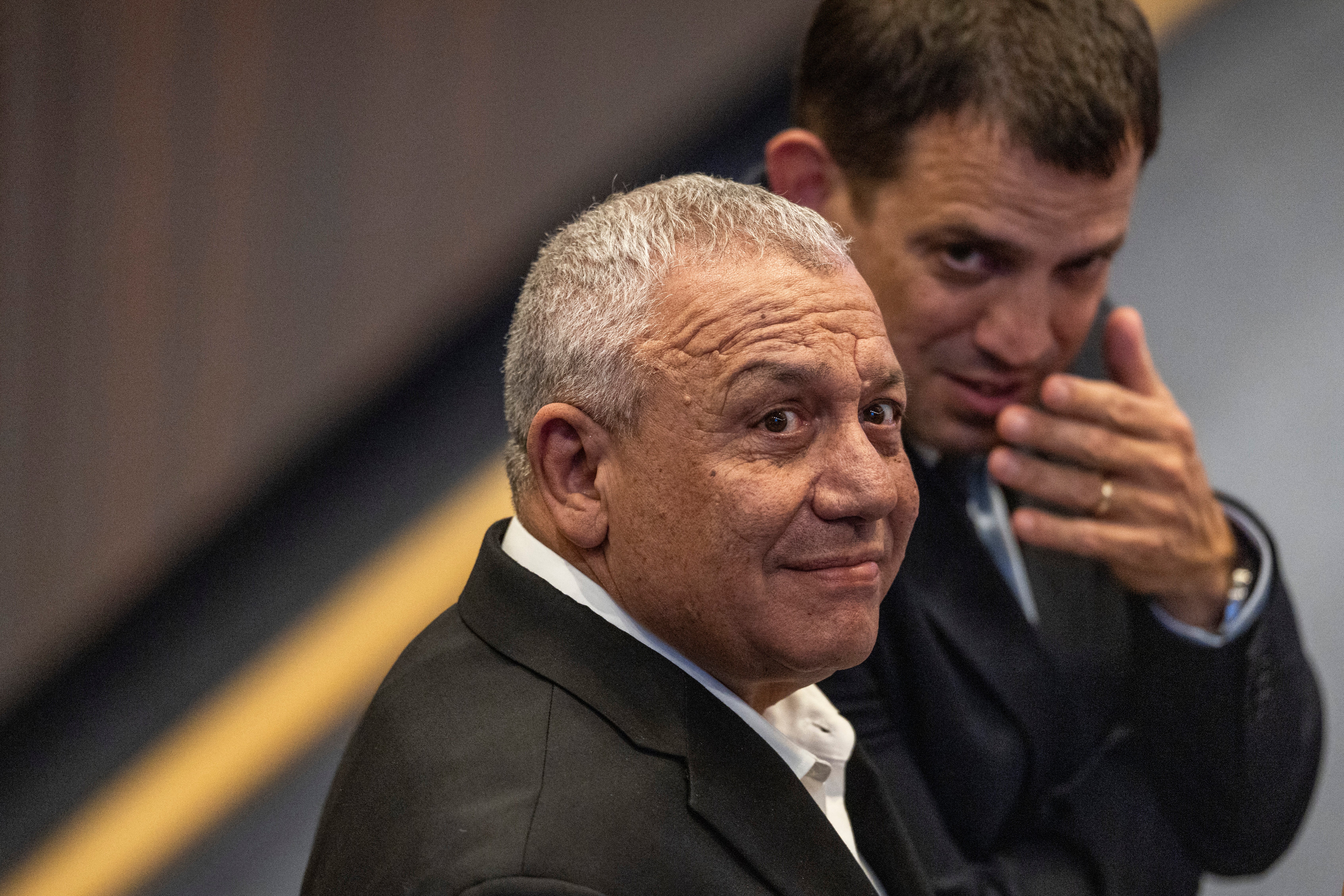
Some in Mr Eisenkot’s camp dismissed Mr Netanyahu’s offer as performative or a stalling tactic.
“Enough with the stunts and tricks,” Yair Golan, head of the Democrats, said on X. “Netanyahu lost. It is our duty to respect the will of the voters and form a government of change and salvation.”
Former prime minister Yair Lapid dismissed Mr Netanyahu’s proposal as “yet another transparent con by a serial fraudster who has cheated every partner and broken every agreement”.
He proposed swearing in an Eisenkot government without Mr Netanyahu and only then starting negotiations for a unity government.
Naftali Bennett, another former prime minister, welcomed Mr Netanyahu’s statement, but urged cautious negotiations.
He said it was the “right decision” and that it was now “forbidden” to continue discussions about a government without Mr Netanyahu.
Sticking points in negotiations over the formation of the next government include the conscription of ultra-Orthodox Jews into the military, differences about national security policy and judicial reforms, and whether Arab parties may be included in or allowed to support a governing coalition, an issue on which Mr Eisenkot’s bloc remains cautious.
Possible outcomes include a unity government with rotating premiership or an Eisenkot-led coalition relying on outside support.
A failure to reach a deal could pave the way for another election, with Mr Netanyahu remaining in office as caretaker prime minister.

