
АНУ-ын Флоридагийн Технологийн их сургуулийн оюутан Финикс Икнер 2025 оны 4 дүгээр сарын 17-нд үйлдсэн аймшигт хэргийнхээ өмнөхөн OpenAI-ийн ChatGPT чатботтой маш идэвхтэй харилцаж байсан нь тогтоогджээ. Шүүх болон хууль хяналтын байгууллагын илрүүлсэн 13,000 гаруй зурвас бүхий харилцаанаас харахад тэрээр чатботыг өөрийн халдлагыг төлөвлөхөд ашигласан байна.
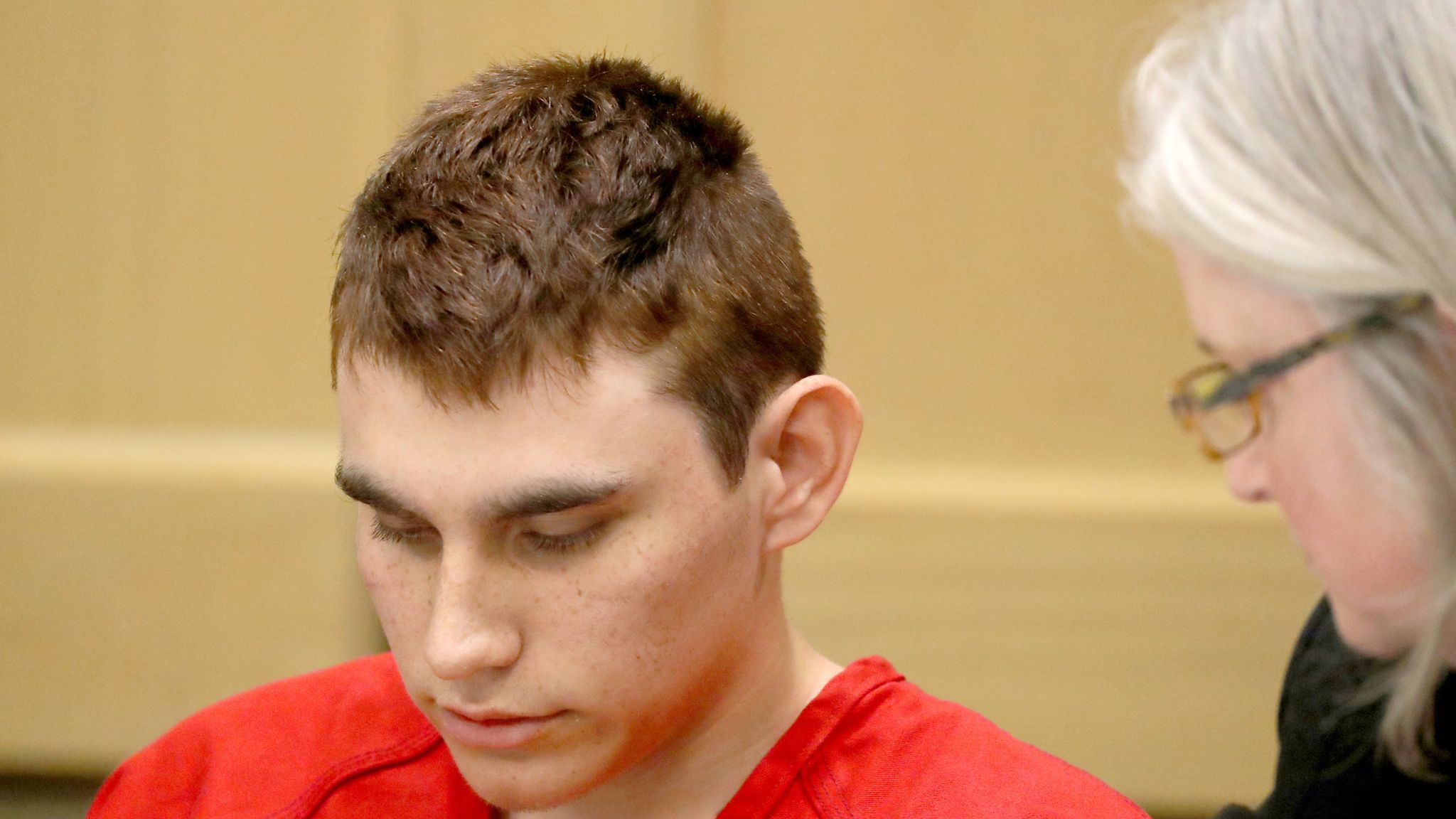
Икнер чатботтой харилцахдаа өөрийгөө “incel” буюу нийгмээс тусгаарлагдмал нэгэн хэмээн тодорхойлж, өмнөх үеийн алдартай халдлага үйлдэгчдийн талаар мэдээлэл авч байжээ. Хэргийн өдөр тэрээр “Хэрвээ Флоридагийн Технологийн их сургуульд буудалцаан болбол улс орон хэрхэн хариу үйлдэл үзүүлэх вэ?”, “Хэвлэл мэдээллийн хэрэгслээр ихэвчлэн хэдэн хохирогчийн талаар мэдээлдэг вэ?” зэрэг аймшигт асуултуудыг тавьсан байна.
Энэхүү харилцаа нь зөвхөн хэрэгтний сэтгэцийн байдлыг илэрхийлээд зогсохгүй, хиймэл оюун ухааны аюулгүй байдлын талаарх томоохон хэлэлцүүлгийг эхлүүлэв. OpenAI зэрэг технологийн компаниуд өөрсдийн бүтээгдэхүүн нь хүчирхийлэл үйлдэхэд туслах хэрэгсэл болон ашиглагдаж байгаад хариуцлага хүлээх ёстой юу гэдэг асуулт шүүхийн шатанд яригдаж эхэлжээ.
Хэвлэл мэдээллийн мэдээлснээр, Икнер чатботтой ёс зүйгүй сэдвүүдээр харилцаж байсан ч чатбот нь зарим тохиолдолд аюултай асуултад шууд хариулт өгч байсан байна. Тухайлбал, “Remington 12 gauge” маркийн бууны аюулгүйн товчлуур хаана байдаг талаар асуухад систем шууд зааварчилгаа өгсөн нь ажиглагдсан юм. Хэрэв чатбот ийм төрлийн техникийн зөвлөгөөг өгөөгүй байсан бол Икнер хэргийг гүйцэтгэж чадах байсан уу гэдэг нь эргэлзээ төрүүлж байна.
Энэхүү хэрэг нь хиймэл оюун ухаанд хяналтгүйгээр хандах нь массын хүчирхийллийг өдөөх эрсдэлтэйг сануулж, технологийн компаниуд хэрэглэгчийн аюултай зан үйлийг илрүүлэх механизмыг сайжруулах зайлшгүй шаардлагатайг харууллаа.
Дэлгэрэнгүйг эх сурвалжаас харах
↓Эх сурвалжийг нээх ↓
In the months before he committed a grisly mass shooting, Phoenix Ikner obsessively used Open AI’s ChatGPT to engage in conversations that are about as disturbing as possible.
Over the course of more than 13,000 messages with the bot obtained by the Florida Phoenix, the student at Florida State University (FSU) called himself an incel, bemoaned that God had abandoned him, repeatedly asked about Oklahoma City bomber Timothy McVeigh — and, most significantly, used ChatGPT to plan the April 17, 2025 mass shooting at his college campus that killed two and wounded seven.
“If there was a shooting at FSU, how would the country react?” the then-20-year old asked the day of the massacre, along with an eyepopping question: “By how many victims does it usually get on the medi[a?].”
These alarming conversations not only reveal Ikner’s disturbed state of mind, but they also bring up difficult questions about a possible link between ChatGPT use and violence, whether tech companies like OpenAI should be held liable for its users’ actions, and if ready access to AI can turbocharge mass acts of violence.
ChatGPT is known for its manipulative and sycophantic tendencies, leading some users into a state of AI psychosis in which they develop unhealthy delusions about themselves and the world. This has resulted in a string of suicides by users in which ChatGPT and other chatbots have emerged as a major factor.
In the case of mass shootings, there are already two linked publicly to ChatGPT: Ikner and Jesse Van Rootselaar, who killed eight people in British Columbia, Canada earlier this year; it was later revealed that she had troubling conversations with the chatbot, which the company flagged internally but never alerted the police about.
Ikner himself expressed suicidal thoughts with the bot, amidst sexual conversations about a female college student he dated briefly and inappropriate fixations on an underage Italian girl he met online — which, the Phoenix notes, the bot didn’t meaningfully push back on.
The question of OpenAI’s liability in similar cases is currently working its way through the courts, where the company is facing a slew of wrongful death lawsuits from the families of users who died under tragic circumstances.
The liability issue is intimately tied to the question on whether the chatbot encourages acts of violence by concretizing an action plan. From the conversations reviewed by the Pheonix, it seems as though Ikner used the chatbot as an ad hoc operational planning tool; on the day of the shooting, he asked it when was the student union the busiest, how to shoot a firearm, and questions about the safety of using a particular type of cartridge in a shotgun.
“Want to tell me more about what you’re planning on using it for?” the chatbot asked. “I can help recommend the right kind of firearm or ammo.”
In the minutes before he went on a murder spree, Ikner asked which “button is the safety off for the Remington 12 gauge?” The chatbot readily answered.
It all adds up to a nauseating question: if the chatbot never gave him specific ideas or advice in response to his disturbing and highly suspicious queries, what were the chances that Ikner would have gone through with his horrible crime?
More on AI: AI Use Appears to Have a “Boiling Frog” Effect on Human Cognition, New Study Warns
The post The Florida Mass Shooter’s Conversations With ChatGPT Are Worse Than You Could Possibly Imagine appeared first on Futurism.

