2026 оны FIFA-гийн хөлбөмбөгийн Дэлхийн аварга шалгаруулах тэмцээнийг (ДАШТ) зохион байгуулахад бэлтгэж буй Нью-Йорк хотод олон нийтийн ариун цэврийн өрөөний хүрэлцээ асар дутмаг байгаа нь зохион байгуулагчдын санааг зовоосон томоохон асуудал болоод байна. 2026 оны 6-р сарын 13-нд “MetLife Stadium” цэнгэлдэх хүрээлэнд ДАШТ-ий эхний тоглолт болох бөгөөд тэмцээний хугацаанд Нью-Йорк, Нью Жерси орчимд 1.2 сая гаруй хүн ирэх төлөвтэй байгаа юм.
Гэвч одоогийн байдлаар хотод нэг нийтийн ариун цэврийн өрөө дунджаар 8,500 оршин суугчид ногдож байгаа нь дэлхийн жишиг хотуудтай харьцуулахад маш доогуур үзүүлэлт бөгөөд хотын Зөвлөл өнгөрсөн долоо хоногт энэхүү хомсдлыг арилгах албан ёсны төлөвлөгөө боловсруулж, өндөр ачаалалтай бүсүүдэд түр ариун цэврийн өрөө байрлуулахыг дэмжсэн хуулийн төсөл санаачилжээ.
Сая сая хөлбөмбөгийн фенүүд ирэхтэй холбоотойгоор зөвхөн ариун цэврийн өрөө төдийгүй нийтийн тээврийн системд ч асар их дарамт ирэхээр байна. Ялангуяа Нью-Йоркийн “Пенн” өртөөний ачаалал нэмэгдэхээс гадна Нью Жерси мужийн засаг захиргаа төсвийн алдагдлыг нөхөхийн тулд тээврийн төлбөрийг нэмэгдүүлсэн нь иргэд болон зочдод санхүүгийн нэмэлт ачаалал болж байна.
Бразил-Марокко, Панама-Англи зэрэг өндөр зэрэглэлийн тоглолтууд болох үеэр хуучирсан төмөр замын систем 48 багийн дэмжигчдийг тээвэрлэхэд хүчин чадал нь хүрэлцэхгүй байх эрсдэлтэйг мэргэжилтнүүд сануулж байгаа юм. Хотын удирдлагуудын үзэж буйгаар энэхүү ариун цэврийн байгууламжийн асуудал нь зөвхөн ДАШТ-ий үеэр бус, Нью-Йоркчуудын өдөр тутмын эрүүл ахуй, нэр төрийн асуудал бөгөөд 7-р сарын 19-нд болох шигшээ тоглолтоос өмнө бэлтгэл ажлыг богино хугацаанд чанаржуулах шаардлага тулгарч байна.
Дэлгэрэнгүйг эх сурвалжаас харах
↓Эх сурвалжийг нээх ↓
New York City officials and lawmakers are raising urgent concerns over a significant shortage of public restrooms as the region prepares to host the 2026 FIFA World Cup in less than two months.
With the first game at MetLife Stadium set for June 13, city officials are looking closely at whether New York can actually handle the crowds.
The New York/New Jersey Host Committee expects around 1.2 million people to pour into the area for the tournament, but current figures show there is only one public bathroom for every 8,500 residents, Gothamist reported.
It is a ratio that lawmakers say is a struggle for locals even on a normal day, let alone during a World Cup.
The New York City Council introduced a bill last week that would require the city to develop a formal plan to expand bathroom access before the international event begins. Council members noted that popular locations, such as Bryant Park, already experience long lines for facilities, and the expected influx of global soccer fans would likely overwhelm the current system.
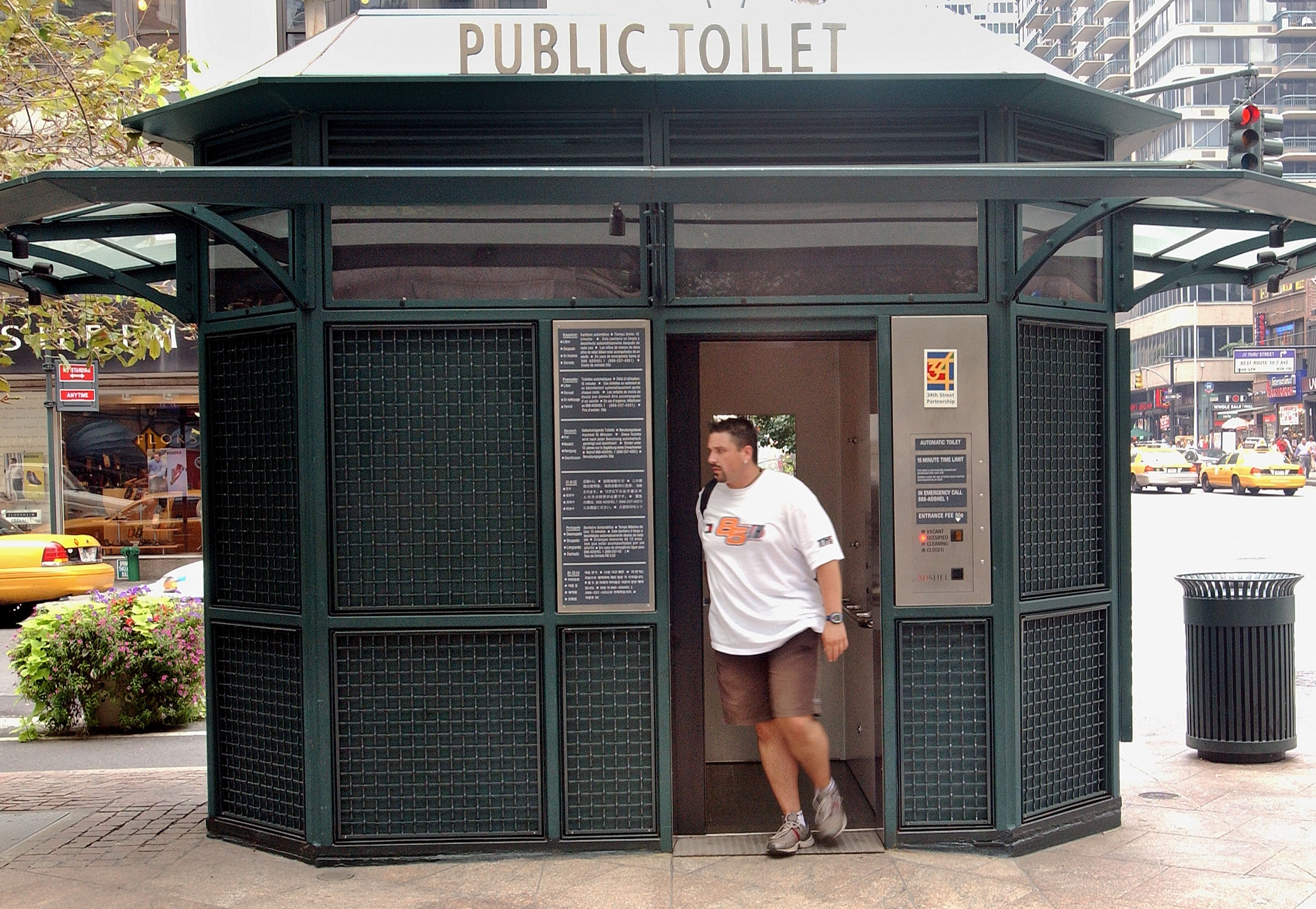
“We actually have a number of public bathrooms all across the city in parks and elsewhere,” New York City Department of Small Business Services Commissioner Dynishal Gross Menin told Good Day New York on Monday. “So we’re doing a whole map of that so people know where they can get access to public bathrooms.”
Menin added that the city was attempting to balance infrastructure needs with economic outreach.
“We’re also doing a program to support small businesses during FIFA because this is an opportunity and really an obligation to make sure that our New York City small businesses are being promoted and not left out of the equation,” she said.
The bathroom shortage is just one of several logistical hurdles facing the metropolitan area. Transit remains a primary concern for the millions of fans expected to travel between Manhattan and the stadium in East Rutherford, New Jersey.
As reported by The Independent, travel through New York’s Penn Station is expected to be a major obstacle during the tournament. The station, often criticized for its confusing layout and overcrowding, serves as the primary route for fans taking New Jersey Transit to the matches.
The pressure on the transit system comes as New Jersey officials have implemented significant fare hikes to address budget deficits, leading to criticism that the cost of attending the games is being passed on to local commuters and visiting fans alike.
With 48 teams competing and high-profile matches like Brazil versus Morocco and Panama versus England coming to the area, the scale of the tournament is expected to exceed the capacity of the region’s aging rail system.
The city is currently mapping park restrooms and drafting new laws to help small businesses, but council members say the lack of basic facilities is still a major oversight. They argue that adding more bathrooms is necessary not just for the World Cup, but for the health and dignity of New Yorkers who need them every day.
“This is about dignity, cleanliness and public health as much as convenience,” City Council Majority Leader Shaun Abreu told Gothamist. “No one should have to scramble for a bathroom or cut their day short because they can’t find one in a global city like New York.”
The region is scheduled to host the World Cup final on July 19.