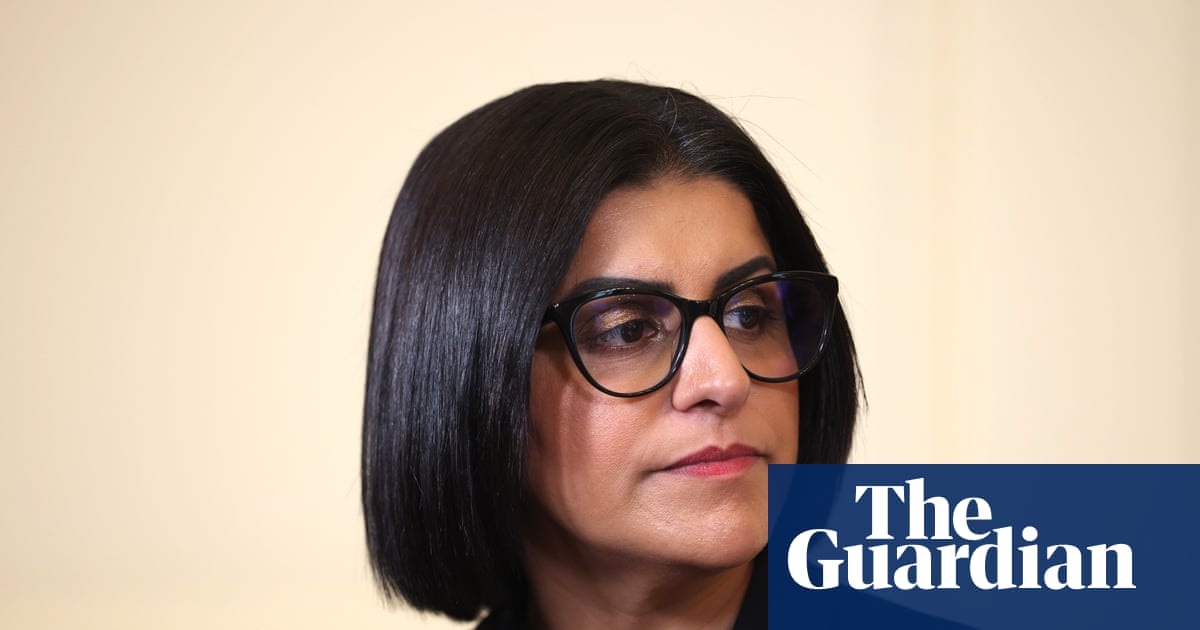
Шабана Махмудын дүрвэгсдийн эрхийг богиносгох шинэ журамд эсэргүүцэл илэрхийлэв
Британийн дотоод хэргийн сайд Шабана Махмуд дүрвэгсдэд олгож буй оршин суух хугацааг таван жилээс 30 сарын хугацаанд бууруулах шинэ бодлого танилцуулсан. Энэхүү өөрчлөлтөөр дүрвэгсэд байнгын оршин суух эрх авахын тулд 20 жил хүлээх шаардлагатай болно. Хоёр судан дүрвэгч уг өөрчлөлтийг шүүхэд өгч, бодлого нь шууд бус ялгаварлан гадуурхалттай бөгөөд дүрвэгсдийг саармагжуулах үр дүнгүй гэж маргаж байна.
Дотоод хэргийн сайд Махмуд дүрвэгсдийг “асуулгын худалдагчид” гэж нэрлэн, тэд хамгийн таатай нөхцөлтэй оронд дүрвэхийг эрэлхийлдэг гэж үзэж байгаа ч НҮБ-ын дүрвэгсдийн асуудал хариуцсан агентлаг энэхүү бодлогыг шүүмжилж, дүрвэгсдэд олгох оршин суух хугацааг богиносгох нь нийгэмд нэгтгэх үйл явцад сөргөөр нөлөөлж, системд нэмэлт ачаалал үүсгэнэ гэж мэдэгдэв.
Мөн шинэ журамд дүрвэгсдэд гэр бүлээ дагуулан ирэх эрхийг хязгаарлаж, санхүүгийн баталгаа шаардах болсон нь дүрвэгсдийн нийгэмд дасан зохицох боломжийг улам хязгаарлах төлөвтэй байна. Шүүхэд хандаж буй өмгөөлөгчид уг бодлого нь сэтгэл зүйн болон нийгмийн эрүүл мэндэд сөргөөр нөлөөлж, эдийн засгийн тогтвортой байдалд эрсдэл учруулна гэж үзэж байна.
Дэлгэрэнгүйг эх сурвалжаас харах
↓Эх сурвалжийг нээх ↓
Two Sudanese asylum seekers are challenging a central element of Labour’s plans to strip refugees of basic rights, rejecting the home secretary’s accusation that they are “asylum shoppers”.
Shabana Mahmood has announced plans to halve refugees’ leave to remain in the UK, from five years to 30 months. Previously, people could apply for permanent settlement after five years but now refugees will have to wait 20 years before being eligible.
In the first legal challenge against this change, the two asylum seekers, both of whom have nightmares and flashbacks about being tortured in their home country, argue the policy is indirectly discriminatory and also would not act as a deterrent to asylum seekers. In 2025, 96% of Sudanese asylum claims resulted in a grant of protection.
Mahmood, in a policy paper published in November 2025 about restoring order and control to the UK’s immigration system, accused even “genuine refugees” of searching for the most attractive place to seek refuge, claiming that many “shop” their way across the continent.
The UN’s refugee agency has condemned the policy, issuing a statement in December 2025 in response to the home secretary’s announcement.
“UNHCR notes with concern the government’s plans to reduce the duration of leave granted to individuals in need of international protection to 30 months,” it said. “Such a change would place additional administrative and costly burdens on the asylum system, create greater uncertainty for refugees and negatively affect integration and social cohesion.”
It added that providing refugees with only 30 months of leave at a time was likely to be detrimental to their sense of security, belonging and stability.
It will create a heavy administrative burden on the Home Office to reassess refugees’ right to remain every 30 months on what the department describes as a “core protection” route. Those on this pathway will have had their refugee status reassessed eight times in 20 years before they can be eligible for settlement.
Mahmood is also reducing the right for refugees to bring immediate family members, such as spouses and children under 18, to join them. Instead, people will need to demonstrate they can financially support their family before such reunions are approved.
In practice, refugee status is rarely withdrawn once it is granted. While many refugees wish to return home, the conditions that caused them to flee their country in the first place often persist for many years, making return too dangerous. Australia previously granted refugees temporary protection but then decided to replace it with permanent residency. After reviews of refugee status in 2024, Denmark withdrew just 48 grants of refugee status and Norway withdrew just 29.
Manini Menon, a solicitor at Duncan Lewis who represents the two Sudanese asylum seekers challenging the policy, said: “Our clients have initiated a legal challenge to the new policy to grant only temporary status to refugees, which is a cornerstone of her intended overhaul of the asylum system.
“The home secretary’s position is that her policy will deter small boat arrivals, and will ensure that only people who genuinely need protection will have leave as refugees in the UK. Our clients argue that the home secretary’s policy is flawed and discriminatory.
“The evidence from countries such as Denmark and Australia is clear: granting temporary status to refugees will exacerbate mental and physical ill-health, adversely affect social integration, and increase refugees’ risk of economic instability and of falling into poverty.”
The Home Office has been approached for comment.

