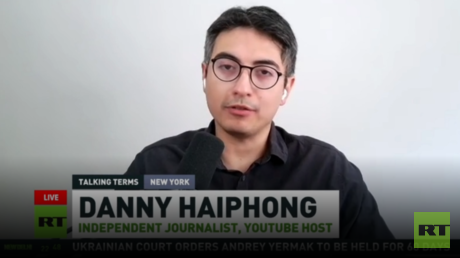
АНУ-ын Ерөнхийлөгч Дональд Трампын БНХАУ-д хийсэн айлчлал нь Ираны эсрэг мөргөлдөөн болон үүнээс үүдэлтэй дэлхийн эдийн засгийн тогтворгүй байдлыг намжаах, өөрийн орны нүүр царайг хадгалах зорилготой байсан гэж геополитикийн шинжээч Дэнни Хайфонг дүгнэжээ. Түүний үзэж буйгаар АНУ одоо БНХАУ-тай харьцуулахад сул дорой байдалд орсон тул эдийн засаг болон дэлхийн тавцан дахь байр сууриа хамгаалахын тулд Бээжинтэй харилцаагаа сайжруулахыг эрмэлзэж байна.
Хоёр улсын худалдаа, технологи, аюулгүй байдлын зөрчил олон жил үргэлжилж, өнгөрсөн жил Трампын тарифын өсөлтүүд худалдааны дайныг хурцатгасан ч түр хугацааны хэлэлцээрт хүрээд байсан юм. Трампын 5 дугаар сарын 13-наас 15-ны хооронд хийсэн энэхүү айлчлалаас томоохон амжилт хүлээж байсан ч албан ёсны ямар нэгэн томоохон гэрээ, шийдвэр одоогоор зарлагдаагүй байна.
Шинжээч Хайфонгийн ярьснаар АНУ-ын төлөөлөгчид Ираны эсрэг явуулсан цэргийн ажиллагаанаас үүдэлтэй хямралаас гарах гарц хайж, Хятадаас эдийн засгийн дарамтыг бууруулах хэлцэл хийхийг хүсжээ. АНУ болон Израилын Иранд хийсэн цохилтууд нь хариу үйлдлийг дагуулж, дэлхийн нефть, байгалийн хийн нийлүүлэлтийн 20 орчим хувь дамждаг Хормузийн хоолойг хаахад хүргэсэн. Энэ нь эрчим хүчний үнийг огцом өсгөж, дэлхийн эдийн засагт хүнд цохилт болоод байгаа юм.
Трампын засаг захиргаа эдийн засгийн “хэт халалтыг” намжаахын тулд SpaceX, Tesla, Boeing зэрэг томоохон компаниудын удирдлагуудыг бүрэлдэхүүндээ багтаан Бээжинд очсон нь эдийн засгийн хэлэлцээр хийх сонирхол өндөр байсныг илтгэж байна. Гэвч Хайфонгийн үзэж буйгаар, Хятадтай бодитой харилцаа тогтоохын тулд АНУ цэргийн дарамтаа багасгаж, бодлогын томоохон өөрчлөлт хийх шаардлагатай аж.
Уулзалтын дараа талууд харилцааг тогтворжуулах чиглэлд ахиц гарсныг тэмдэглэсэн ч БНХАУ-ын дарга Ши Жиньпин Тайванийн асуудлыг “улаан шугам” гэдгийг дахин санууллаа. Тэрээр энэ асуудлыг зохисгүй удирдвал шууд мөргөлдөөнд хүрэх эрсдэлтэйг анхааруулсан нь бүс нутгийн геополитикийн хурцадмал байдал хэвээр байгааг харуулж байна.
Дэлгэрэнгүйг эх сурвалжаас харах
↓Эх сурвалжийг нээх ↓
The US delegation came hoping Beijing would offer deals easing tensions caused by Washington’s foreign policy blunders, such as Iran war, Danny Haiphong says
US President Donald Trump’s China visitwas an attempt to “save face” and seek relief after the Iran war destabilized the global economy, geopolitical analyst Danny Haiphong has told RT. According to Haiphong, the US is now in a “far weaker position” than China and is seeking closer ties with Beijing to stabilize its economy and global standing.
US-China relations have been strained for years over trade, technology, and security, with Trump’s tariff hikes last year escalating tensions into a full-scale trade war before both sides agreed to a temporary pause. Expectations for a breakthrough were high ahead of Trump’s May 13-15 China visit – his first in nearly a decade – but no major deals or clear breakthroughs were officially announced before the trip ended Friday.
In an interview on Thursday, Haiphong argued that the US delegation came to China “hoping to essentially get saved from the crisis of their own making” in Iran and its global fallout. US-Israeli strikes on Iran triggered retaliation against countries hosting US bases and led to the de facto closure of the Strait of Hormuz – a route for roughly 20% of global oil and LNG supplies – sending energy prices soaring.
“The US was the one who requested this meeting, and it’s the US economy as a whole and the global economy that is suffering because of [its] aggressive and illegal war on Iran that produced an overheated global economy and an oil crisis that is now blowing up,” Haiphong said. The analyst argued that Trump “really needed this meeting” to “find some way to cool this overheating economy.”
“What it amounted to was the Trump administration and all of these executives coming with their hands out hoping that China will give them deals that will ease some of this tension,” he said, referring to Trump’s delegation of CEOs ranging from SpaceX and Tesla’s Elon Musk to Boeing’s Kelly Ortberg.
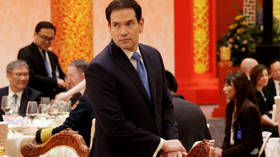
Haiphong said the summit was largely “about the optics” and projecting strength for the US, arguing that relations between Washington and Beijing will not genuinely improve unless the US abandons its “saber rattling” and makes major policy concessions.
“The world has changed. The US is in a far weaker position. China is in a far stronger position. It really is the US that has to hold on to the ties that it has with China in order to try to save face and strengthen its hand,” he said.
Following the summit, both leaders praised the talks as progress toward stabilizing the bilateral relationship. Xi said the sides had agreed on “constructive strategic stability” for the coming years, while Trump claimed “a lot of different problems” had been settled.
However, the meeting also highlighted ongoing geopolitical tensions: Xi warned Trump that mishandling Taiwan – the self-governed island claimed by China and armed by the US – could lead to “clashes and even conflicts.”
You can share this story on social media:



