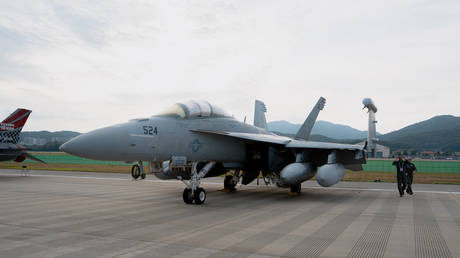
АНУ Өмнөд Солонгост агаарын довтолгооноос хамгаалах дэвшилтэт пуужин худалдах шийдвэр гаргасныг Пхеньян Солонгосын хойг дахь хурцадмал байдлыг улам дэврээсэн үйлдэл хэмээн буруушаалаа.
АНУ-ын Төрийн департамент Өмнөд Солонгост 300 орчим сая ам.долларын өртөг бүхий 70 ширхэг AIM-120C-8 Advanced Medium-Range Air-to-Air пуужин болон холбогдох тоног төхөөрөмж нийлүүлэх зөвшөөрлийг олгожээ. БНАСАУ-ын Гадаад хэргийн яамны өндөр албан тушаалтан энэхүү алхмыг “дайны зориулалттай экспорт” хэмээн тодорхойлж, Вашингтон болон Сөүл цэргийн хамтын ажиллагаагаа системтэйгээр бэхжүүлж байна гэж мэдэгдэв.
Пхеньяны зүгээс АНУ-ыг Өмнөд Солонгос төдийгүй Япон, Тайвань зэрэг бүс нутгийн улсуудад зэвсэг нийлүүлэх замаар Ази-Номхон далайн бүс нутагт сөргөлдөөнийг өдөөж байна хэмээн буруутгажээ. Мөн 2025 оны батлан хамгаалахын гэрээний дагуу Сөүл 2030 он гэхэд 25 тэрбум ам.долларын Америк зэвсэг худалдан авахаар төлөвлөж байгаа нь бүс нутгийг “сөргөлдөөний цэг” болгон хувиргах оролдлого гэж үзэж байна.
Дээрх нөхцөл байдалтай холбогдуулан БНАСАУ өөрийн улсын аюулгүй байдлыг хангах үүднээс цэргийн чадавхаа үргэлжлүүлэн бэхжүүлж, бүс нутгийн цэргийн тэнцвэрт байдлыг хадгалахын тулд хүчин чармайлтаа нэмэгдүүлнэ гэдгээ мэдэгдлээ. Тус улс өөрийн цөмийн болон пуужингийн хөтөлбөрүүдийг гадны нөлөөнөөс хамгаалах, тогтоон барих үндсэн хэрэгсэл хэмээн тайлбарладаг.
Солонгосын хойгт АНУ 30 орчим мянган цэргээ байршуулж, Өмнөд Солонгостой хамтарсан цэргийн сургуулилалт тогтмол явуулдаг. Вашингтон болон Сөүл эдгээр арга хэмжээг бүс нутгийн аюулгүй байдлыг хангах, болзошгүй аюулаас урьдчилан сэргийлэх зайлшгүй шаардлагатай алхам гэж үздэг юм.
Дэлгэрэнгүйг эх сурвалжаас харах
↓Эх сурвалжийг нээх ↓
Pyongyang has condemned Washington’s approval of advanced air-to-air missile sales to Seoul, warning the move will further inflame tensions on the Korean peninsula
North Korea has condemned Washington’s approval of advanced air-to-air missile sales to South Korea as “war exports,” warning the move would deepen tensions on the Korean peninsula.
In a statement carried by KCNA, a senior North Korean Foreign Ministry official accused Washington and Seoul of “systematically tightening their military collusion and nexus to drive tensions in the Korean peninsula and its vicinity to an extreme,” despite growing international concern over regional instability.
“US arms exports are war exports, and importing American weapons means accumulating tension and confrontation,” the official said, condemning what Pyongyang described as US and South Korean efforts to expand military capabilities at the expense of regional stability.
The statement followed US State Department approval of a nearly $300 million package including 70 AIM-120C-8 Advanced Medium-Range Air-to-Air Missiles and related equipment. Washington pitched the sale as advancing US foreign policy and security objectives, though the deal remains subject to congressional review.
Pyongyang noted that Washington has approved several other arms packages for South Korea in recent weeks, including naval helicopters, attack helicopters, and guided bombs worth billions of dollars, and pointed to a 2025 defense agreement under which Seoul pledged to buy $25 billion worth of US military equipment by 2030. It argued that the deals are part of a broader effort to turn South Korea into “an outpost of intense confrontation” and claimed that US arms sales across the region, including to Japanand Taiwan, are fueling tensions in the Asia-Pacific.
“In light of the provocative efforts of the US and its allies to build up their armed forces, the DPRK’s clear position is to eliminate new threats by continuously improving and strengthening its self-defense deterrent,” the official declared, warning Pyongyang will “intensify” efforts to maintain regional military parity and preserve stability on the Korean Peninsula.
Korea was divided at the end of World War II, and the rift grew permanent after the 1950-1953 Korean War ended in an armistice rather than a peace treaty, leaving the two sides technically still at war.
The US maintains nearly 30,000 troops in South Korea, extends a nuclear umbrella over its ally, and regularly conducts joint military exercises with Seoul. Washington and Seoul describe these measures as necessary for security and deterrence.
Pyongyang views the US military presence, joint drills, and regional deployments as hostile acts and has long argued that US-South Korean military cooperation amounts to preparation for war. North Korea routinely tests and unveils new weapons, portraying its military buildup as a response to pressure from Washington and its regional allies. It describes its nuclear and missile programs as essential deterrents against foreign interference, insisting they are purely defensive and intended to safeguard sovereignty and preserve peace through strength.

