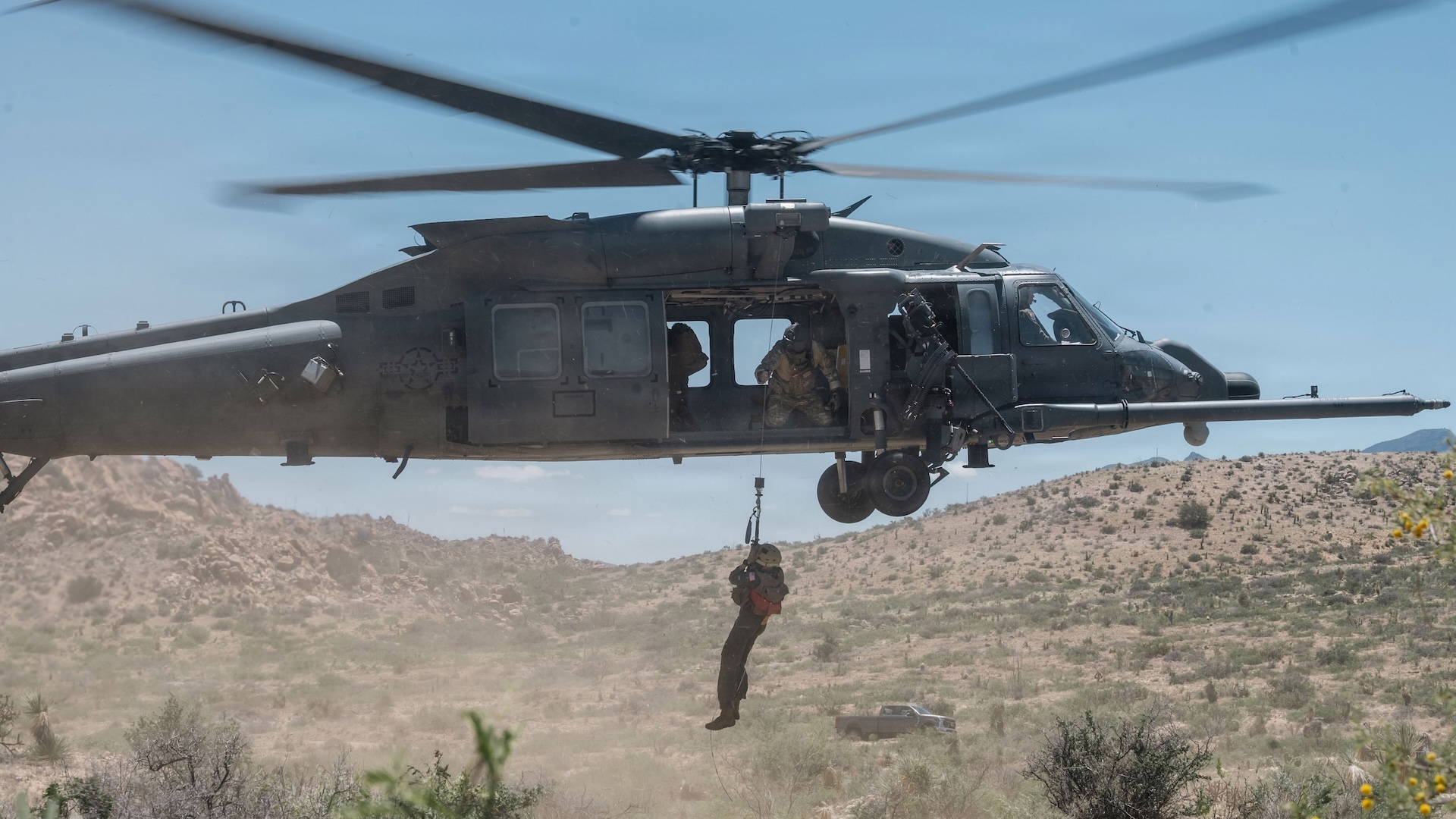
АНУ-ын Сенатын Зэвсэгт хүчний хороо Агаарын цэргийн хүчний байлдааны эрэн хайх, аврах ажиллагааны (CSAR) бүтэц, зохион байгуулалтад санаа зовниж буйгаа илэрхийлж, томоохон хэмжээний мөргөлдөөний үед тус хүчин хангалтгүй байж болзошгүйг анхаарууллаа.
Агаарын цэргийн хүчин HH-60W Jolly Green II нисдэг тэрэгний худалдан авалтыг бууруулж, улмаар 26 нэгж нисдэг тэргийг байлдааны аврах ажиллагааны ангиудаас татан авч, Вашингтоны агаарын цэргийн дүүргийн (AFDW) мэдэлд шилжүүлэн VIP тээвэрлэлт болон төрийн үйл ажиллагааны дэмжлэгт ашиглахаар төлөвлөж буй нь шүүмжлэл дагуулж байна. Сенатын хороо энэхүү өөрчлөлтийг хийхээс өмнө Агаарын цэргийн хүчний нарийн бичгийн даргаас CSAR-ын шаардлага болон чадавхын талаарх судалгааг 2027 оны гуравдугаар сарын эцэс гэхэд танилцуулахыг үүрэг болголоо.
Тус хороо судалгаа дуусах хүртэл байлдааны аврах ажиллагааны бүтцэд ямар нэгэн өөрчлөлт оруулахгүй байхыг шаардаж байна. HH-60W нисдэг тэрэгний нийт захиалгыг 113-аас 91 болгон бууруулсан нь АНУ-ын Агаарын цэргийн хүчний аврах ажиллагааны флотын чадавхыг ойролцоогоор 30 хувиар сулруулж байгааг хууль тогтоогчид онцолжээ.
Шинжээчид болон албаны хүмүүс Номхон далайн бүс нутагт Хятад улстай үүсэж болзошгүй өндөр түвшний мөргөлдөөний үед одоогийн HH-60W нисдэг тэрэгний хүчин чадал болон ашиглалтын нөхцөл нь хангалтгүй байх эрсдэлтэй гэж үздэг. Гэвч Агаарын цэргийн хүчин эдгээр нисдэг тэргийг орлох илүү дэвшилтэт систем, тухайлбал нисгэгчгүй онгоц болон бусад технологийг одоогоор нэвтрүүлээгүй байгаа нь аврах ажиллагааны чадавхын хоосон орон зайг үүсгээд байна.
Дэлгэрэнгүйг эх сурвалжаас харах
↓Эх сурвалжийг нээх ↓
The Senate Armed Services Committee believes that the U.S. Air Force is currently unable to support combat search and rescue (CSAR) operations “in a major contingency.” Legislators say they are concerned about the CSAR force structure after the Air Force trimmed its buy of HH-60W Jolly Green II helicopters and also elected to transfer some of these aircraft to the so-called Air Force District of Washington (AFDW) mission set, as you can read about here. This comes on top of concerns that the HH-60W fleet isn’t well suited for the realities of a war in the Pacific while no better solution is being sought.
The Senate Armed Services Committee released a full copy of the proposed legislation earlier this week. In this, it states that it is “concerned about CSAR force structure” in the Air Force.
The importance of the Air Force CSAR mission, and the role of the HH-60W specifically, was underscored earlier this year when the type took partin efforts to rescue the crewof anF-15E Strike Eagle shot down in Iran.
Now, the committee points to the Air Force’s decision to truncate its buy of heavily modified HH-60Ws, followed by the transfer of 26 of these from CSAR units to the AFDW to replace UH-1N Twin Hueyhelicopters. AFDW uses these helicopters to support continuity of government plans, contingency response, homeland operations, and ceremonial honors in the National Capital Region. Under normal circumstances, the vast majority of AFDW missions involve VIP movements.
“The committee believes that these actions have left CSAR forces unnecessarily short of the forces needed to support CSAR operations in a major contingency,” the legislators say. The committee has now called upon the Secretary of the Air Force to conduct a study of CSAR requirements and capabilities, including HH-60Ws and HC-130J Combat King IIs, and provide a report briefing to Congress before the end of March 2027.
Until that study is completed, the committee has called upon the Secretary of the Air Force to avoid making any more changes in CSAR force structure.
The Air Force had once planned to replace its AFDW UH-1Ns with newMH-139A Grey Wolfhelicopters, butrevealed last year it was consideringusing HH-60Ws for this role instead. The Air Force’s proposed budget for the 2027 Fiscal Year confirmed that it was moving ahead with these plans.
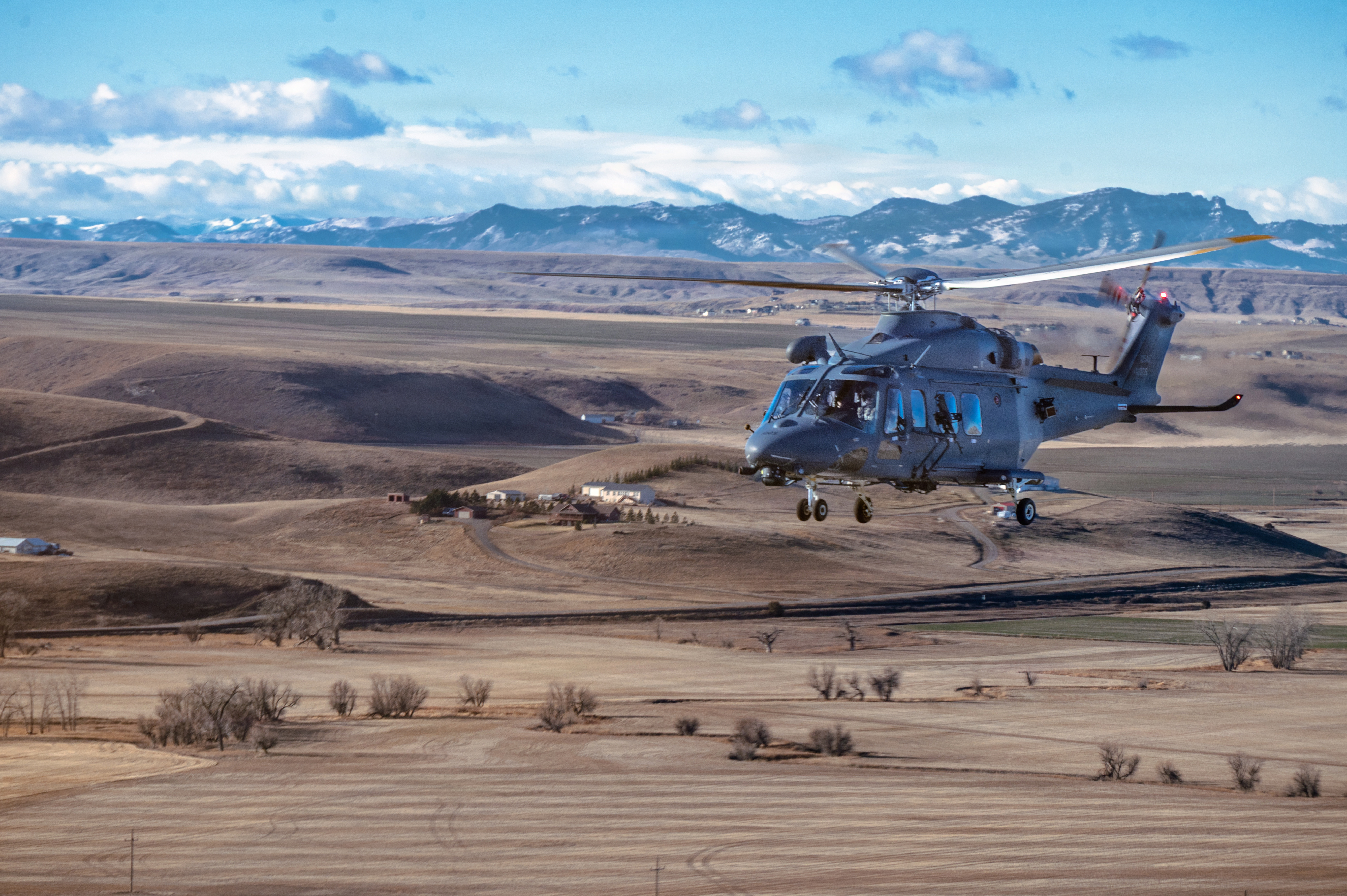
As we have discussed in the past, the HH-60W will bring a substantial increase in speed, range, and payload capacity compared with the aging UH-1Ns now flying AFDW missions, while also outperforming the smaller, lighter MH-139 in each of those key metrics.
The Air Force’s current plan calls for development of the HH-60W AFDW variant to begin in Fiscal Year 2027, starting October 1, with the first aircraft entering modification the following fiscal year. Those reconfigured Jolly Green IIs would then begin replacing the increasingly outdated UH-1Ns assigned to the AFDW mission at Andrews Air Force Base (now part of Joint Base Andrews).
TWZ had previously raised the question of how the transfer of 26 HH-60Ws for the AFDW role might affect the operational capacity of the rest of the CSAR-focused fleet.
In particular, the Air Force has no plans to procure additional Jolly Green IIs despite the upcoming transfer.
As the Senate Armed Services Committee points out, the Air Force already decided to scale back HH-60W purchases, from an original program of record for 113 of the helicopters. The total planned fleet now stands at 91. This amounts to the CSAR fleet losing roughly 30 percent of its entire Jolly Green II fleet, the first of which began entering Air Force service in 2022.
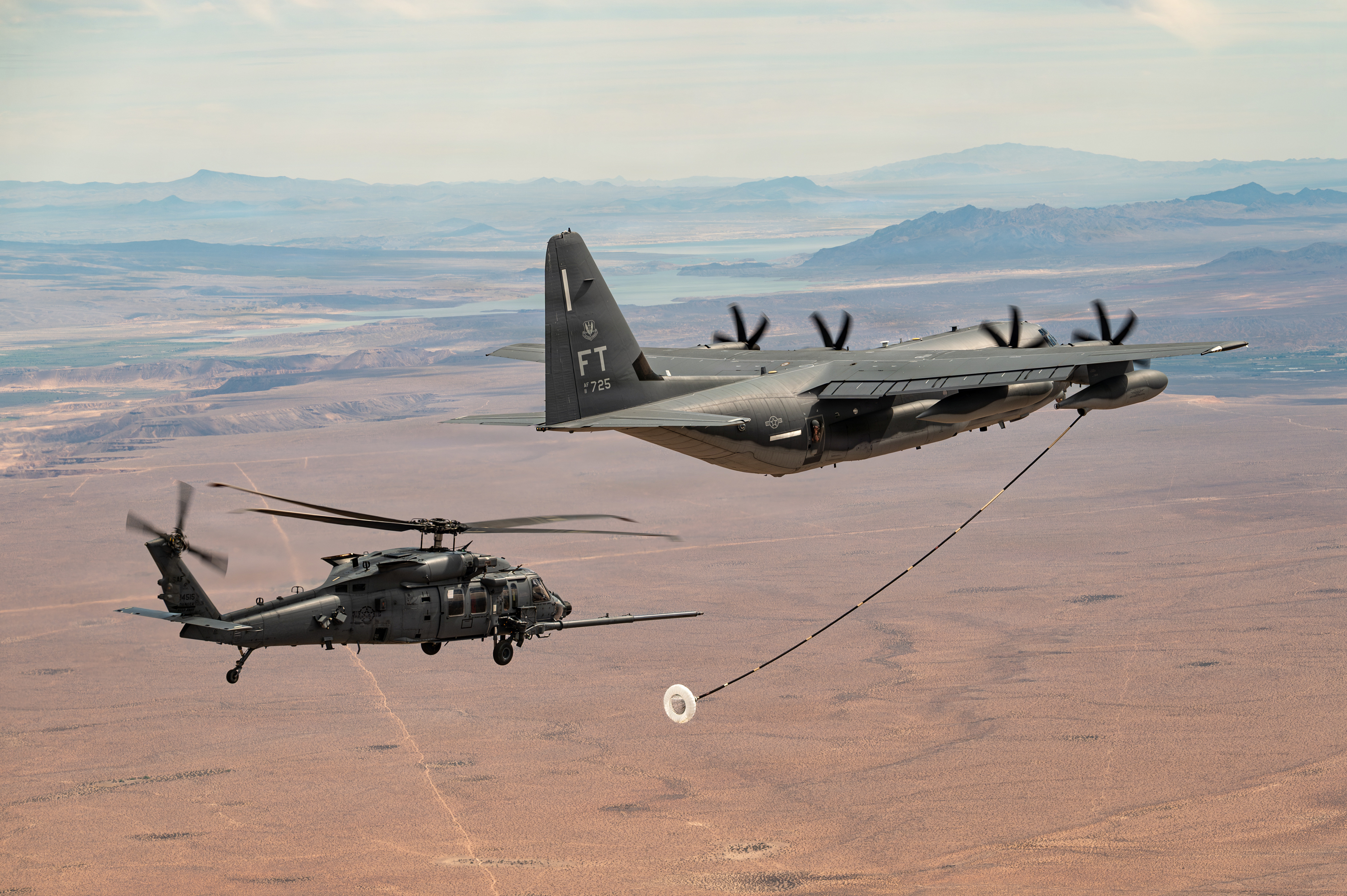
The legislators point to the ongoing demand for CSAR capabilities, not just in lower-end conflicts such as the war with Iran, but especially in potential future high-end fights, such as one between the United States and China in the Pacific, where aircrew losses would be greater by an order of magnitude.
For years, TWZ has warned that the growing reach and sophistication of modern air defenses are calling into question the viability of traditional fixed-wing and helicopter CSAR missions. In a high-end conflict, especially against China in the Pacific, even stealth aircraft are expected to face significant risks inside contested airspace. The idea that a Black Hawk helicopter, no matter what is bolted onto it, is going to survive in that same environment is highly questionable, and that’s if it can even reach the rescue point at all. The distances involved in the Pacific are far greater than those in Europe or the Middle East, which the legacy CSAR fleet was largely optimized around.
Back in 2023, one of the Air Force’s senior procurement officers asserted that the HH-60W fleet would not be “particularly helpful in the Chinese area of operations” due to these reasons. The Air Force’s cuts to planned purchases of HH-60Ws reflected this reality, while other senior officials have acknowledged that the service will need to rethink how it carries out this critical mission in future wars. The issue is that the cuts didn’t result in other capabilities taking the HH-60W’s place, like uncrewed systems and tiltrotors. So now there is an emerging gap in CSAR capabilities, both in terms of new ones more aligned with the challenges of the Pacific and just any kind of CSAR capability at all. Turning a large portion of the HH-60W fleet into VIP transports certainly doesn’t help with problem.
For the time being, at least, the Air Force is heavily reliant upon its HH-60Ws, regardless of potential vulnerabilities. With orders for the Jolly Green II slashed, and more than two dozen examples slated to switch to another mission, it is perhaps not surprising that legislators want to know how the Air Force will be able to conduct CSAR in the future.
Contact the author: thomas@thewarzone.com
The post Congress Questions Air Force’s Combat Rescue Readiness As HH-60W Helicopters Get Turned Into VIP Transports appeared first on The War Zone.

