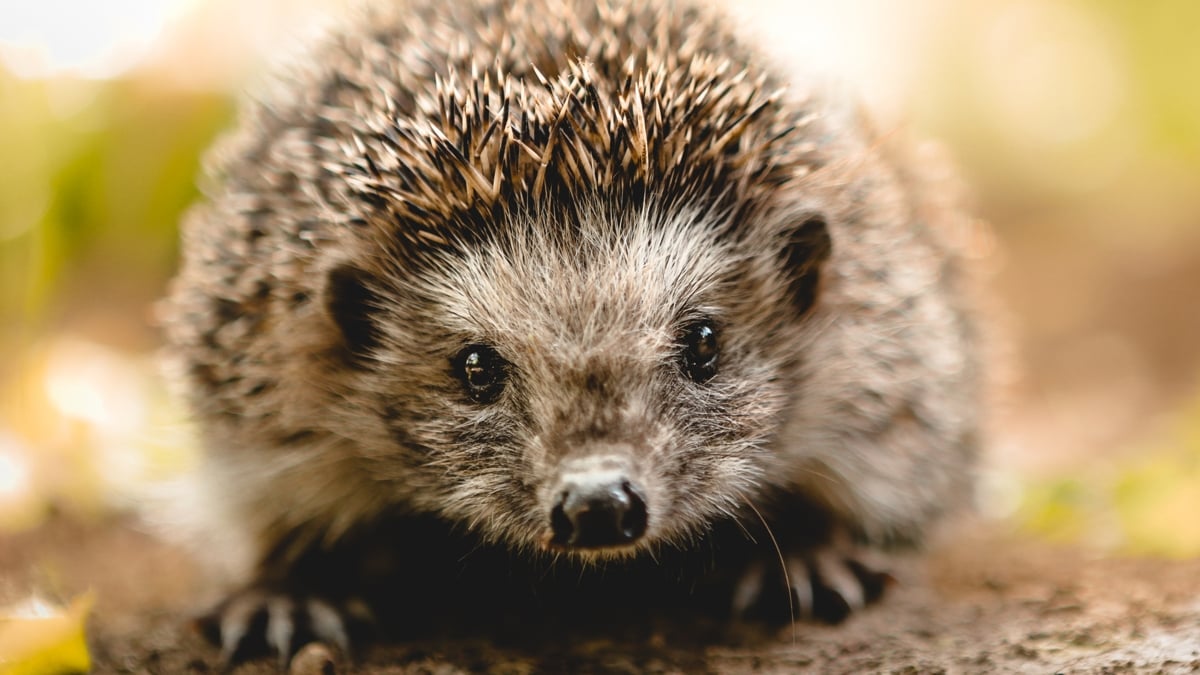
Их Британийн судлаачид зэрлэг зараа болон гэрийн тэжээвэр амьтдын хоол хүнснээс микропластик илрүүлсэн нь амьтны эрүүл мэндэд эрсдэл учруулж болзошгүйг харууллаа.
Суссексийн их сургуулийн судлаач Эмили Трифт болон түүний баг 2021 онд Их Британийн нутаг дэвсгэрээс зарааны баасны 189 дээжийг цуглуулж шинжлэхэд 19 хувьд нь микропластик агуулагдаж байв. Зараа нь ихэвчлэн шавж хорхойгоор хооллодог ч хүнээс авсан тэжээл нь тэдний гол хоол тэжээлийн эх үүсвэр болдог байна. Иймд судлаачид зах зээлд борлуулдаг нохой, муур болон зарааны 38 нэр төрлийн тэжээлийг шинжилжээ.
Судалгааны үр дүнд шинжилсэн 38 бүтээгдэхүүний 29-д нь микропластик илэрсэн байна. Ялангуяа хямд үнэтэй бүтээгдэхүүнд хуванцрын агууламж өндөр байсан бөгөөд нойтон тэжээл нь хуурай тэжээлийг бодвол амьтны биед орох микропластикийн хэмжээг илүү нэмэгдүүлж болзошгүйг тогтоожээ. Жишээлбэл, Лабрадор үүлдрийн том нохой өдөрт 313 хүртэлх ширхэг микропластик залгих эрсдэлтэй байгааг судлаачид онцолсон байна.
Микропластик нь амьтны үржил, дотор эрхтний үйл ажиллагаа болон ерөнхий эрүүл мэндэд сөрөг нөлөөтэйг лабораторийн судалгаанууд харуулсаар байна. Иймд хүнсний үйлдвэрлэлд химийн бодисын адил микропластикийн хяналт шалгалтыг чангатгах шаардлагатай гэж судлаачид үзэж байна. Энэхүү судалгааны ажлыг “Environmental Toxicology and Chemistry” сэтгүүлд нийтэлжээ.
Дэлгэрэнгүйг эх сурвалжаас харах
↓Эх сурвалжийг нээх ↓
When colleagues and I found microplastics in hedgehog droppings, we wanted to know where they were coming from.
One answer was surprisingly close to home: pet food.
The story began in 2021, when we collected 189 hedgehog faeces samples from residential gardens and rehabilitation centres across the UK. We found plastic in 19% of them.
Despite being one of Britain’s best-loved wild animals, and now officially listed as “near threatened”, no one knew hedgehogs were ingesting microplastics.
To understand where these microplastics were coming from we decided to investigate their diet.
Naturally, the European hedgehog eats invertebrates, including beetles, snails, slugs, earthworms, caterpillars and woodlice, so we started by looking at these. Colleagues and I analysed thousands of invertebrate and soil samples from 51 sites in Sussex, UK.
We found plastics were widespread across different species and land types.
Next, we wanted to understand if pet foods fed to European hedgehogs in rehabilitation centres and residential gardens contained microplastics. In the UK, many rehabilitation centres treat a high number of sick or injured mammals each year.
Research suggests that food left out by people is the single biggest reason European hedgehogs visit residential gardens. Many hedgehogs have even become reliant on it, especially during the autumn and winter.
Often, this means commercially available cat, dog, or hedgehog food. To determine the levels of plastic contamination in pet foods, colleagues and I selected 38 brands to test across different price categories, food types (wet and dry), and target animals (cat, dog, and wild hedgehog).
We purchased six retail units of each product and took a random 1g sample from each tin, sachet, tray, or bag. Our study was recently published in the journal Environmental Toxicology and Chemistry.
We found microplastics in 29 of the 38 pet food products we tested. In 18 products, contamination appeared in more than one retail unit. Although plastic was found across the products tested, those in the “value” price category had more positive samples.
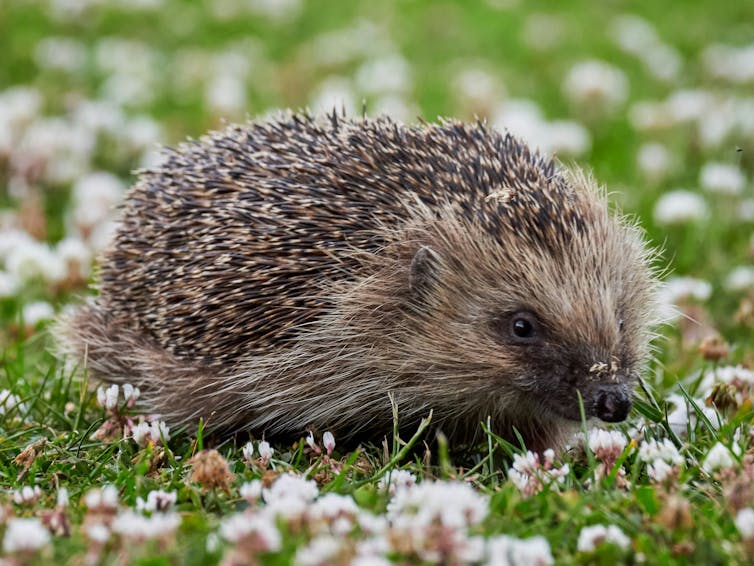
Dry food contained more plastic per gram, but animals typically eat much larger portions of wet food. As a result, wet food may lead to greater overall microplastic intake.
For example, based on the average levels we found in wet dog food samples, a large dog such as a Labrador could ingest around 313 microplastic particles per day.
Compared with studies of human food, we found that pet food had higher levels of microplastics. This is likely due to ingredient quality. For example, of the 21 products which contained animal derivatives, 19 had at least one plastic-positive sample, and 13 had at least two.
What does this mean for pets and wildlife?
All this suggests that pet foods may be an important source of microplastics for pets and wild hedgehogs (and other mammals).
We still know relatively little about the health effects of microplastics in pets and wildlife, and we did not test the health impacts in our research. However, there is a growing body of evidence from laboratory studies that it leads to issues with fertility, organ functionality, and overall health.

Given both this uncertainty and how common these particles were in the pet food we tested, reducing contamination at the manufacturing stage would be a good precaution.
That’s why the government should mandate microplastic testing for processed food manufacturers, bringing them under the same strict regulatory safety checks used for other chemical contaminants.
Related: Microplastics Can Spread Dangerous Pathogens, Scientists Warn
As consumers, we should be able to purchase affordable food that is good for our pets and wild mammals, while not causing a detrimental effect on the environment.
Emily Thrift, PhD Candidate and Doctoral Tutor in Ecology, University of Sussex
This article is republished from The Conversation under a Creative Commons license. Read the original article.

