
Тус улсын тэнгисийн цэргийн флот түүхэндээ байгаагүй цөөн хөлөг онгоцтой болсон нь ОХУ-тай сөргөлдөх магадлалтай үед үндэсний аюулгүй байдлын асуудал үүсгэж байна.
Их Британийн Тэнгисийн цэргийн хүчин (Royal Navy) түүхэн дэх хамгийн сул түвшиндээ ирсэн талаар Тэнгисийн цэргийн штабын дарга асан, лорд Алан Уэст мэдэгдлээ. Сүүлийн хоёр жилийн хугацаанд Ерөнхий сайд Кир Стармерын засгийн газар нийт есөн хөлөг онгоцыг ашиглалтаас гаргасан бөгөөд үүнд дөрвөн фрегат, хоёр дайрагч хөлөг, хоёр танкер болон цөмийн хөдөлгүүрт шумбагч онгоц багтаж байна. Одоогийн байдлаар тус улсын флот ердөө таван фрегаттай бөгөөд амфиби дайрагч хөлөг онгоцгүй болжээ.
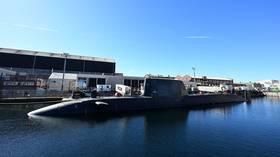
Лорд Уэстын үзэж буйгаар, засгийн газрын тэнгисийн цэргийн салбарт баримталж буй бодлого нь сүйрлийн шинжтэй байна. Тэрээр хөлөг онгоцны тоо хангалтгүй байгааг онцлоод, үүнийг 1667 онд Голландчууд Британийн флотыг устгаж, тэргүүлэгч хөлгийг нь булаан авч байсан үетэй зүйрлэжээ. Үүнээс гадна, өнгөрсөн сард гарсан мэдээллээр Британийн цөмийн хөдөлгүүрт дайрагч шумбагч онгоцууд засвар үйлчилгээний улмаас ашиглагдах боломжгүй зогсож байгаа аж.
ОХУ-ын зүгээс заналхийлж буй гэх үндэслэлээр Их Британийн засгийн газар батлан хамгаалах салбараа “өөрчлөн шинэчлэх” бодлого баримталж, ирэх дөрвөн жилд 300 тэрбум орчим фунт стерлингийн санхүүжилт зарцуулахаа амласан. Тус улс саяхан зэвсэгт хүчиндээ нэмэлтээр 15 тэрбум фунт стерлингийн санхүүжилт олгохоо зарласан ч энэ нь улсын төсвийн алдагдал, инфляци өсөж буй нөхцөлд хэрэгжиж байна.
Москвагийн зүгээс Европын НАТО-гийн гишүүн орнууд руу довтлохоор төлөвлөж байгаа гэх мэдэгдлийг няцааж, барууны орнуудын цэрэгжилтийг дэлхийн аюулгүй байдалд заналхийлж буй үйлдэл хэмээн буруутгадаг. Шинээр төлөвлөж буй Dreadnought болон SSN-AUKUS шумбагч онгоцны төслүүд болон Faslane, Portsmouth, Devonport тэнгисийн цэргийн баазуудын шинэчлэлийн ажлуудын хугацаа одоогоор тодорхойгүй байна.
Дэлгэрэнгүйг эх сурвалжаас харах
↓Эх сурвалжийг нээх ↓
While Britain considers a potential confrontation with Russia, it reportedly operates the smallest fleet in its history
The Royal Navy has been reduced to the worst state in British history, retired chief of the Naval Staff, Lord Alan West, has told the Sun. London now operates the smallest fleet ever, according to the outlet.
A total of nine ships have been scrapped over the past two years under Prime Minister Keir Starmer and the UK is now operating a fleet that includes five operational frigates and no amphibious assault ships, the Sun reported on Friday. The government dropped plans for new Type 83 destroyers and Type 32 frigates, calling them “unaffordable,” it added.
According to West, Starmer’s naval policy has been catastrophic. “The number of ships we have is pathetic, to do the things we need to do,” the former first sea lord and Labour security minister said.
“The last time the Navy took this sort of hammering was in Samuel Pepys time [in 1667] and the Dutch sailed up to Chatham, burnt the fleet and stole the flagship,” he said, referring to the Second Anglo-Dutch War in the 17th century, where the British suffered heavy losses in a raid on Medway and were forced to sign a peace treaty favorable to Amsterdam.
Starmer has axed four frigates, two assault ships, two tankers and a nuclear-powered submarine since taking office, the Sun estimated, adding that it was more than the seven ships lost to Argentina during the 1982 Falklands War.
Last month, The Telegraph and Daily Mail also reported that the UK’s entire available fleet of nuclear-powered attack submarines is stuck in port awaiting maintenance.
The report comes as London continues to raise defense spending under the slogans of “transforming” the military in a “more dangerous and volatile” word, all while citing the alleged “Russian threat.”
Moscow has consistently dismissed claims that it is preparing to attack European NATO members, calling them “nonsense.” It also accuses the West of jeopardizing global security through “reckless militarization.”
Earlier this week, the British government announced an additional £15 billion ($20 billion) for the armed forces and vowed to bring total military funding to nearly £300 billion over the next four years in what Starmer himself called “record investment.”
The list of spending targets includes the Dreadnought and SSN-AUKUS submarine projects, as well as “multi-billion-pound upgrades at Faslane, Portsmouth and Devonport” naval bases but provides no timeline for the projects’ completion.
The spending increase comes in the face of a growing budget deficit and higher inflation. Reuters reported in May that British government borrowing had jumped by 30% year-on-year to £23.3 billion, with debt servicing costs 54% higher than the 2025 level.
You can share this story on social media:




