
АНУ болон Израйлийн Ирантай хийсэн мөргөлдөөн нь дэлхийн нийлүүлэлтийн сүлжээнд сөргөөр нөлөөлж, олон сая хүнийг өлсгөлөнгийн эрсдэлд оруулж байна.
Иран болон АНУ-ын хооронд тогтсон гал зогсоох хэлэлцээр нь Ормузын хоолойг нээж, эрчим хүчний зах зээлийн дарамтыг багасгасан ч мөргөлдөөний урт хугацааны сөрөг нөлөө хэдийнэ илэрч эхэлжээ. НҮБ-ын тооцооллоор, энэхүү түгжрэлээс үүдэн дэлхий даяар хүнсний аюулгүй байдал алдагдаж, өлсгөлөнд нэрвэгдэх хүний тоо 45 саяар нэмэгдэж болзошгүй байна. Энэ нь 2000-аад оноос хойших хамгийн өндөр үзүүлэлт болох бөгөөд ялангуяа Зүүн болон Өмнөд Африкийн орнуудад хүндээр тусч байна.
Дайн, уур амьсгалын өөрчлөлт болон санхүүжилтийн дутагдал зэрэг хүчин зүйлүүд хавсран тохиож байгаа нь нөхцөл байдлыг улам хүндрүүлж байна. Эрчим хүчний үнийн өсөлт нь бордоо болон тээврийн зардлыг нэмэгдүүлж, тариаланчид талбайгаа тариалж чадахгүйд хүрэх эсвэл ургацын хэмжээгээ бууруулахаас өөр аргагүй болжээ. Нигери, Газын зурвас, Судан, Сомали болон Афганистан зэрэг улсуудад өлсгөлөн, хоол тэжээлийн дутагдлын түвшин эрс нэмэгдэж, хүүхдийн эрүүл мэндэд ноцтой аюул учраад байна.
Хүмүүнлэгийн байгууллагуудын мэдээлснээр, олон улсын томоохон хандивлагч орнууд, тэр дундаа АНУ-ын зүгээс гадаадын тусламжийг танасан нь нөхцөл байдлыг улам дордууллаа. Үүний улмаас НҮБ-ын агентлагууд болон төрийн бус байгууллагууд хүнсний тусламжийн хөтөлбөрүүдээ хумьж, хамгийн эмзэг бүлгийн иргэдэд үзүүлэх дэмжлэгээ багасгахад хүрчээ. Мэргэжилтнүүд энэхүү хямрал нь зөвхөн одоогийн ургацын хураалтаар зогсохгүй 2027 он хүртэл үргэлжилж болзошгүйг анхааруулж байна.
Дэлгэрэнгүйг эх сурвалжаас харах
↓Эх сурвалжийг нээх ↓
Tens of millions of people around the world could be pushed into a hunger crisis thanks to the fallout from Donald Trump’s war in Iran.
A fragile ceasefire that paused the US and Israel’s strikes on Iran and led to the reopening of a critical global shipping pathway, the Strait of Hormuz, may ease pressure on global energy markets, but the disruption has already triggered a chain of events that could deepen hunger in some of the world’s poorest countries in the coming months, aid agencies have said.
Northern Nigeria is facing its worst hunger crisis in nearly a decade, one that is worsening far faster than anticipated, while Gaza, Sudan, South Sudan, and Somalia are at risk of famine.
In Afghanistan, aid agencies have reported an alarming rise in admissions of children with severe malnutrition, while almost half of Yemen’s population are experiencing crisis or worse levels of acute food insecurity.
Farmers often buy fertiliser months before harvest so rocketing prices have forced some to plant without it, to change crops this year or to plant less. Some, in places like Sudan, which is already considered the world’s worst humanitarian crisis, have not planted at all, according to Selena Victor, Senior Director of Policy for Mercy Corps.
“Despite a ceasefire between Iran and the US, the damage has been done,” she told The Independent. “The crops have already been planted … This will play out into the harvest season at the end of this year, and because that will also deplete the land, this will also play out into 2027. It is a long tail shock.”
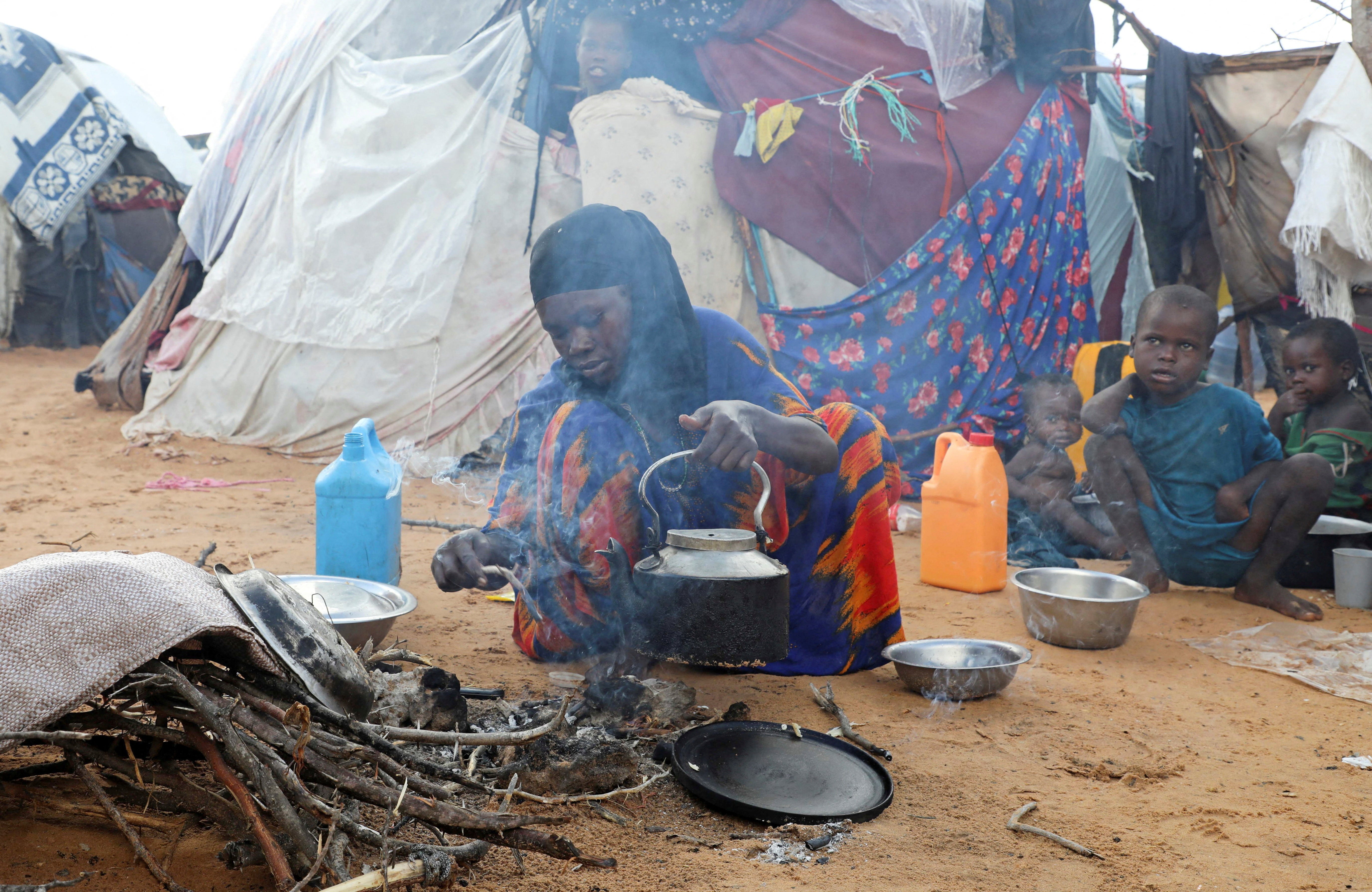
In March, the UN predicted that the Strait of Hormuz blockade could leave an additional 45 million people facing acute hunger, meaning the estimated 318 million people facing acute food insecurity would rise to up to 363 million. That is a record high for global hunger this century, beyond that caused by the Ukraine war. The worst of the shock was expected in east and southern Africa, where 17.7 million more people could go hungry.
Jean-Martin Bauer, the World Food Programme’s Director of Food Security and Nutrition Analysis, toldThe Independent that with conflict, climate shocks and a funding shortfall hitting at the same time “the worst is not behind us”.
“The world is going to continue to feel the impact of this into next year,” he said, adding that early action would alleviate significant suffering later, but the necessary funding is not there.
These warnings are backed by a new report from the United Nations Conference on Trade and Development (UNCTAD) which warned that the biggest concern is not oil itself but the cascade effect: higher energy prices lead to more expensive fertiliser, transport and farming, ultimately pushing up food prices and increasing hunger.
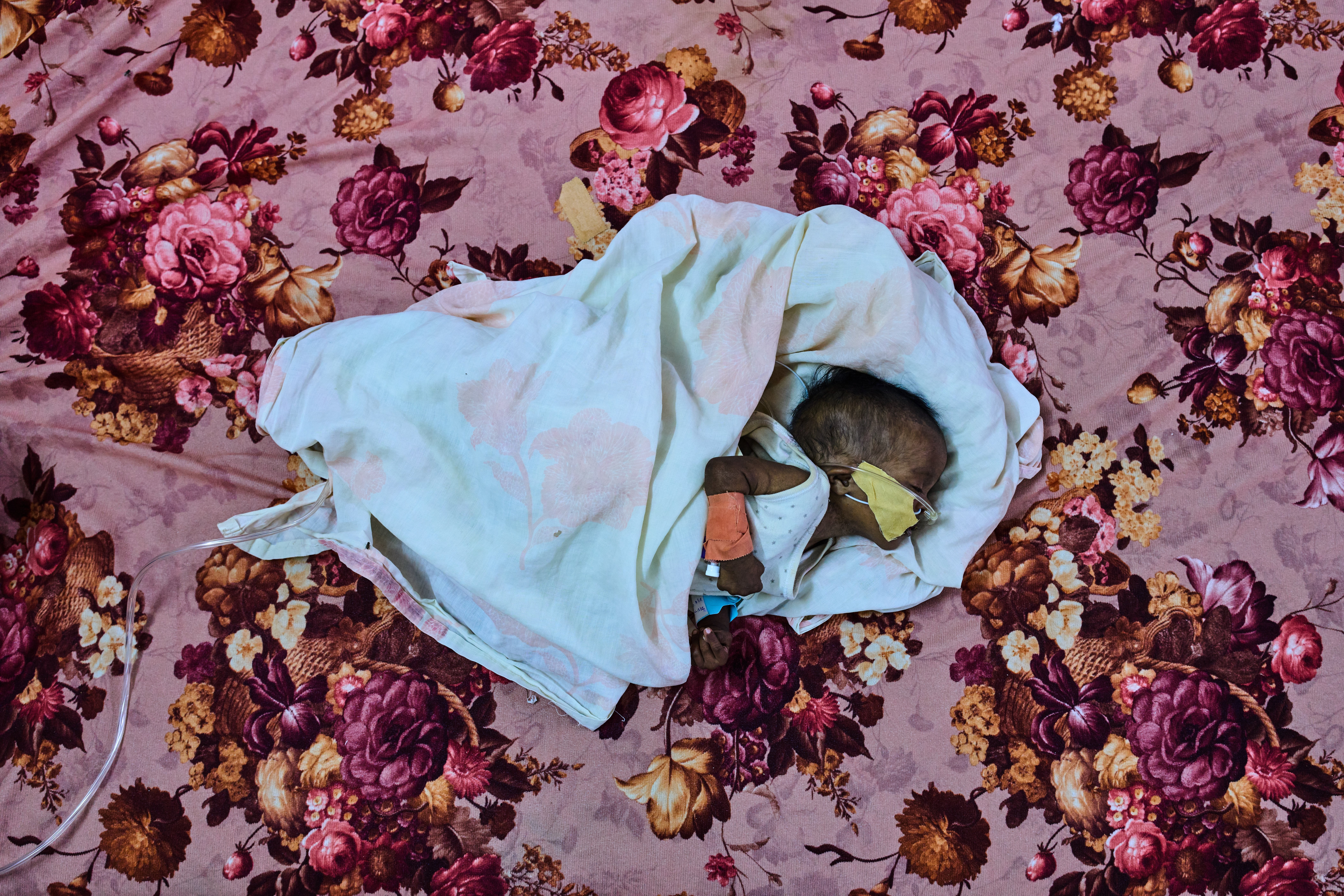
Millions more people could be unable to afford or access enough nutritious food as the world’s most fragile countries already grapple with sweeping cuts to international aid.
A super El Niño is also expected to bring drought to some food-producing regions and flooding to others.
Countries that rely heavily on imports of both fuel and staple foods, such as those in sub-Saharan Africa where climate and poverty are often compounded by conflict, are particularly vulnerable. A recent analysis published by investigative platform Follow the Money, found that as many as 100 or 200 million additional people could be impacted.
We should not see these food shortages as a nutrition crisis only, warned Dr Kirrily de Polnay, a senior child health and nutrition specialist and Médecins Sans Frontières, but as a child health crisis. Children weakened by malnutrition are far more likely to die from otherwise treatable diseases because their immune systems are compromised.
“If there was an earthquake, or a volcano right now, we would see it, but actually that would be much less devastating than 18 months of failed crops,” said Ms Victor of Mercy Corps.
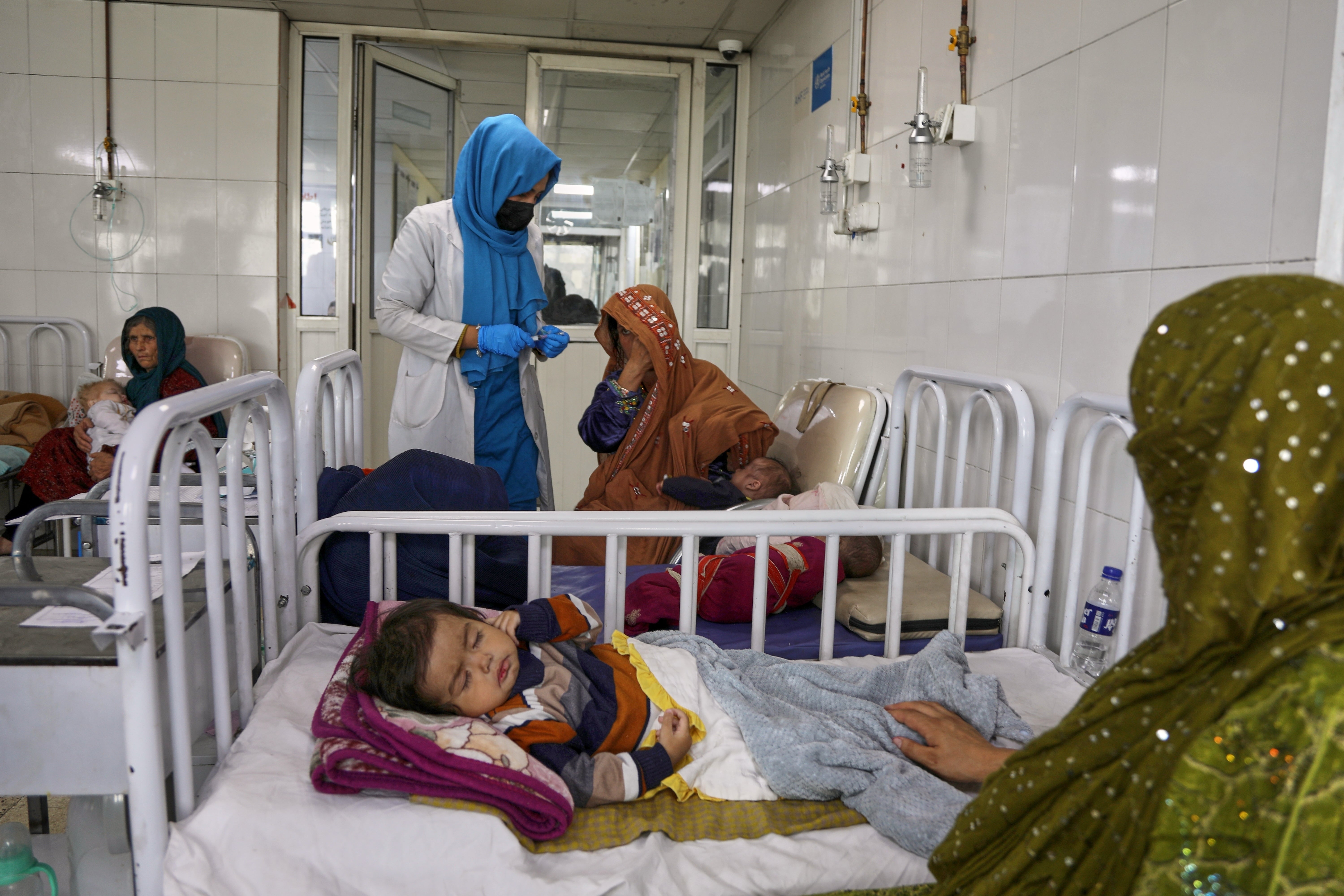
The global humanitarian system has struggled to fill the gaps left by abrupt and brutal cuts to international aid by major donor governments, led by the US. It has forced UN agencies and NGOs to scale back food assistance, close nutrition programmes and reduce support for some of the world’s most vulnerable communities.
Humanitarian agencies say the funding shortfall has also left them less able to respond as needs continue to rise, raising fears that acute hunger could quickly become malnutrition.
“We needed to act in the early days of straight closing,” said Ms Victor. “And people did, but they’re working with sticking plasters.”
The cuts have rolled back progress in tackling malnutrition by “about ten years”, warned MSF’s Ms de Polnay, adding that with overlapping crises she doesn’t “see it getting any better.”
Children with moderate malnutrition who would previously have been treated early are now often sent away until they become critically ill as resources have had to be re-focused on the most extreme cases.
This is being felt acutely in Afghanistan, where MSF says admissions of severely malnourished children in its southern hospitals are higher than at the same point in any of the past five years, despite the seasonal peak still being weeks away.
“After 15 years of doing this, it’s still the same kid I’m seeing,” de Polnay said, lamenting the lack of solid advancement. “It’s still the same situation.”
This article was produced as part of The Independent’s Rethinking Global Aid project


