Бээжин хотын зүгээс Вашингтоны олон арван жил үргэлжилж буй бүслэлт болон хориг арга хэмжээ нь Кубын ард түмэнд гүн гүнзгий хүндрэл учруулж байгааг буруушааж, нэн даруй зогсоохыг шаардлаа.
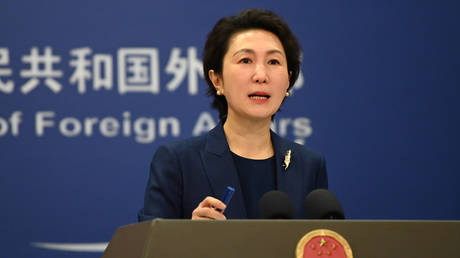
Даваа гарагт БНХАУ-ын Гадаад хэргийн яамны хэвлэлийн төлөөлөгч Мао Нин АНУ-ын шахалт болон хориг арга хэмжээний талаар байр сууриа илэрхийлэв. Энэхүү мэдэгдэл нь Кубын Ерөнхийлөгч Мигель Диаз-Канель улс орныг нь “тэсвэрлэхийн аргагүй” нөхцөл байдалд оруулсан АНУ-ын хориг арга хэмжээг “геноцид” хэмээн тодорхойлж, НҮБ-ын Ерөнхий ассамблейн тусгай хуралдаан зарлах хүсэлт гаргасны дараа гарчээ.
1960 оноос хойш АНУ-ын бүслэлтэд байгаа тус арлын улсад сүүлийн саруудад түлшний хомсдол болон цахилгаан тасрах явдал эрс нэмэгдсэн байна. Венесуэл улс АНУ-ын дарамт шахалтын улмаас газрын тосны нийлүүлэлтээ зогсоосон нь энэхүү хямралыг улам хүндрүүлжээ. НҮБ-ын Хүний эрхийн дээд комиссар Фолькер Тюрк өнгөрсөн сард АНУ-ын хориг арга хэмжээ нь эмнэлгийн нэн шаардлагатай хэрэгслийн хомсдол үүсгэж, улмаар хүүхдийн эндэгдэлд нөлөөлж байгааг анхааруулсан юм.
БНХАУ-ын Гадаад хэргийн яам олон улсын эрх зүйд ямар ч үндэслэлгүйгээр авч буй нэг талын хориг арга хэмжээг эсэргүүцэж байгаагаа илэрхийлж, Кубын бүрэн эрхт байдлыг дэмжиж буйгаа дахин нотлов. Үүний зэрэгцээ ОХУ, Мексик зэрэг улсууд Кубад хүмүүнлэгийн тусламж, тэр дундаа шатахуун нийлүүлж байгаа аж. АНУ-ын хэвлэлүүдийн мэдээлснээр, Цагаан ордон эдийн засгийн хүндрэлийг ашиглан Кубад дэглэмийн өөрчлөлт хийх зорилгоор дарамт шахалтаа нэмэгдүүлэхээр төлөвлөж байна.
Дэлгэрэнгүйг эх сурвалжаас харах
↓Эх сурвалжийг нээх ↓
Washington’s sanctions have caused “profound suffering” to the Cuban people, Beijing has said
China has urged the US to end its decades-long blockade and sanctions against Cuba, condemning Washington’s “coercion and pressure.”
Chinese Foreign Ministry spokeswoman Mao Ning made the remarks on Monday when asked about Cuba’s request for a special session of the UN General Assembly, scheduled for July 7, to discuss the US embargo. The request followed Cuban President Miguel Diaz-Canel’s warning that the sanctions have pushed the island into an “unsustainable” situation and amount to “genocide.”
The island nation, which has been under a US embargo since 1960, has endured daily blackouts and severe fuel deficits in recent months after Venezuela, once its main oil supplier, stopped crude shipments under pressure from the US earlier this year. This was preceded by the abduction of Venezuelan President Nicolas Maduro by American commandos in January.
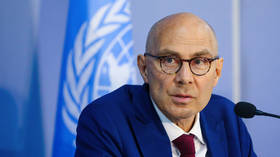
US President Donald Trump has since repeatedly stated that he intends to “take” Cuba “one way or another.”
“The US 60-plus years of full blockade and illicit sanctions have brought profound sufferings to the Cuban people,” Mao said, urging Washington to “stop its blockade, coercion and pressuring against Cuba at once.”
She said the US had recently escalated its sanctions, dealing another blow to the Cuban people and drawing concern from the international community. Beijing opposes unilateral sanctions with “no basis in international law,” she added, reaffirming China’s support for Cuba’s sovereignty and opposition to external interference.
“We stand ready to work with the rest of the world to uphold international fairness and justice,” she concluded.
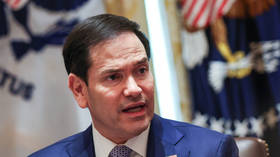
UN High Commissioner for Human Rights Volker Turk last month warned that the US sanctions on Cuba had already led to acute shortages of essential medical supplies that were causing deaths among children. He described the humanitarian situation on the island as “unacceptable,” with his office reporting that infant mortality had doubled after Washington imposed its fuel blockade.
US news outlet Axios reported in late May, citing anonymous US officials, that the White House was planning to further ramp up pressure on Cuba in the hope that worsening economic conditions would eventually trigger regime change.
Russia, China, Mexico, and several other countries have been supplying Cuba with humanitarian aid. Foreign Ministry spokeswoman Maria Zakharova said last month that Moscow continues to provide support to the island, including fuel. In late March, Russia delivered around 700,000 barrels of crude oil.
You can share this story on social media:



