
Шинэ Зеландын ойролцоох далайн гүний тэгш өндөрлөгийн орчимд үүссэн энэхүү ховор үзэгдлийг сансрын хиймэл дагуул дүрслэн авчээ.
2026 оны нэгдүгээр сарын 10-нд NOAA-20 хиймэл дагуулын VIIRS багаж Шинэ Зеландын Өмнөд арлаас зүүн зүгт 800 км зайд орших Чатхэмын арлуудыг тойрсон оюу болон ногоон өнгийн гэрэлт цагиргийг илрүүлжээ. NASA-гийн мэдээлснээр, энэ нь сансраас нүдээр харагдахуйц хэмжээний фитопланктоны өргөн хүрээтэй цэцэглэлт байв. Уг үзэгдэл нь Чатхэмын далайн доорх тэгш өндөрлөгийн хэлбэрийг даган тод геометрийн дүрс үүсгэсэн байна.
Энэхүү цэцэглэлт нь Антарктидаас ирэх хүйтэн, шим тэжээлээр баялаг урсгал болон субтропикийн дулаан усны нэгдлээс үүдэлтэй юм. Далайн ёроолын тэгш өндөрлөг нь гүний усыг гадаргуу руу шахах “налуу зам”-ын үүрэг гүйцэтгэж, зуны урт өдрүүдэд фитопланктон хурдацтай үржих таатай нөхцөлийг бүрдүүлдэг. Эрдэмтдийн таамаглаж буйгаар, уг үзэгдэл нь кальцийн карбонатаар бүрхүүлээ хийдэг “кокколитофор” хэмээх бичил биетний үржил бөгөөд тэдгээр нь нарны гэрлийг ойлгосноор далайд ийнхүү шохойлог оюу өнгийг үүсгэдэг байна.
Чатхэмын арлуудын орчимд үүсдэг ийм төрлийн цэцэглэлт нь далайн хүнсний гинжин хэлхээний суурь болж, загас болон далайн хөхтөн амьтдын амьдрах таатай орчныг бүрдүүлдэг. Гэсэн хэдий ч тус бүс нутаг нь халим, далайн гахай олноор газардах аюултайд тооцогддог. Тухайлбал, 2022 оны аравдугаар сард 500 орчим, 1918 онд 1,000 гаруй пилот халим тус арлын эрэгт газардаж эндсэн түүхтэй.
Дэлгэрэнгүйг эх сурвалжаас харах
↓Эх сурвалжийг нээх ↓
On January 10, 2026, the VIIRS instrument aboard the NOAA-20 satellite captured a glowing ring of turquoise and green wrapped around the Chatham Islands, a cluster of remote islands roughly 800 kilometers (500 miles) east of New Zealand’s South Island. NASA’s Earth Observatory released the image on January 16, describing a phytoplankton bloom large enough that it would have been visible to the naked eye from orbit.
The pattern traced the outline of an underwater plateau known as the Chatham Rise, turning a seasonal ocean event into a striking geometric display. The islands themselves are small and isolated, with the largest, Chatham Island, stretching about 58 kilometers (36 miles) across, and the neighboring Pitt Island covering roughly 15 kilometers (9 miles). That isolation is part of why the bloom drew attention: satellites are often the only practical way to observe an event this size in such a remote stretch of ocean.
A Bloom Shaped by an Underwater Plateau
The Chatham Rise is a shallow underwater plateau that extends eastward from New Zealand’s South Island, with deeper water flanking it to the north and south. That shape works like a ramp beneath the ocean surface, guiding deep water upward as it moves across the plateau.
Cold, nutrient-rich currents moving up from the Antarctic collide with the rise and get pushed toward the surface. There they mix with warmer, nutrient-poor water flowing in from the subtropics. Combined with the long daylight hours of the austral summer, that mixing gives phytoplankton the ingredients they need to multiply rapidly across a wide area.
Once the bloom formed, surface currents and eddies pulled the floating organisms into the wisps and spirals visible in the satellite image. The swirling pattern is not random. It reflects the small-scale motion of water at the surface, stretching and folding patches of phytoplankton the way cream folds into coffee.
NASA notes that blooms are common along the Chatham Rise for exactly this reason, and the agency’s Earth Observatory has documented similar events before, including one in December 2009. What made the January 2026 bloom stand out was its scale and the unusually crisp ring shape it formed around the islands themselves.
Likely Armored Algae Behind the Color
The bloom’s milky blue-green tone points toward coccolithophores, a group of phytoplankton that build microscopic shells of calcium carbonate around themselves. Those shells reflect sunlight in a way that produces the chalky turquoise color satellites pick up from orbit, rather than the darker green typically associated with other types of algae.
According to the image, the satellite view was captured using a near-infrared filter, which helped enhance the contrast between the bloom and the surrounding open ocean. That processing choice is part of why the ring appears so sharply defined against the darker water further offshore.

It is worth noting that no research vessel sampled the water directly during the bloom. The coccolithophore identification is based on the optical signature captured by satellite instruments rather than on direct measurement of the organisms in the water.
That approach does have some scientific precedent. A 2001 study in the New Zealand Journal of Marine and Freshwater Research mapped phytoplankton distributions around New Zealand using satellite ocean-color data and found the same turquoise signature linked to coccolithophore blooms appearing repeatedly in Chatham Rise waters over time.
The Bloom Feeds a Biodiversity Hotspot
Phytoplankton sit at the base of the ocean food web, and a bloom of this size sends a pulse of energy through everything that depends on it, from small fish and crustaceans up to much larger predators.
The Chatham Islands already support productive fisheries built on that supply chain, including pāua, rock lobster, and blue cod. Fishing around the islands depends heavily on the nutrient-rich waters the Chatham Rise regularly produces.
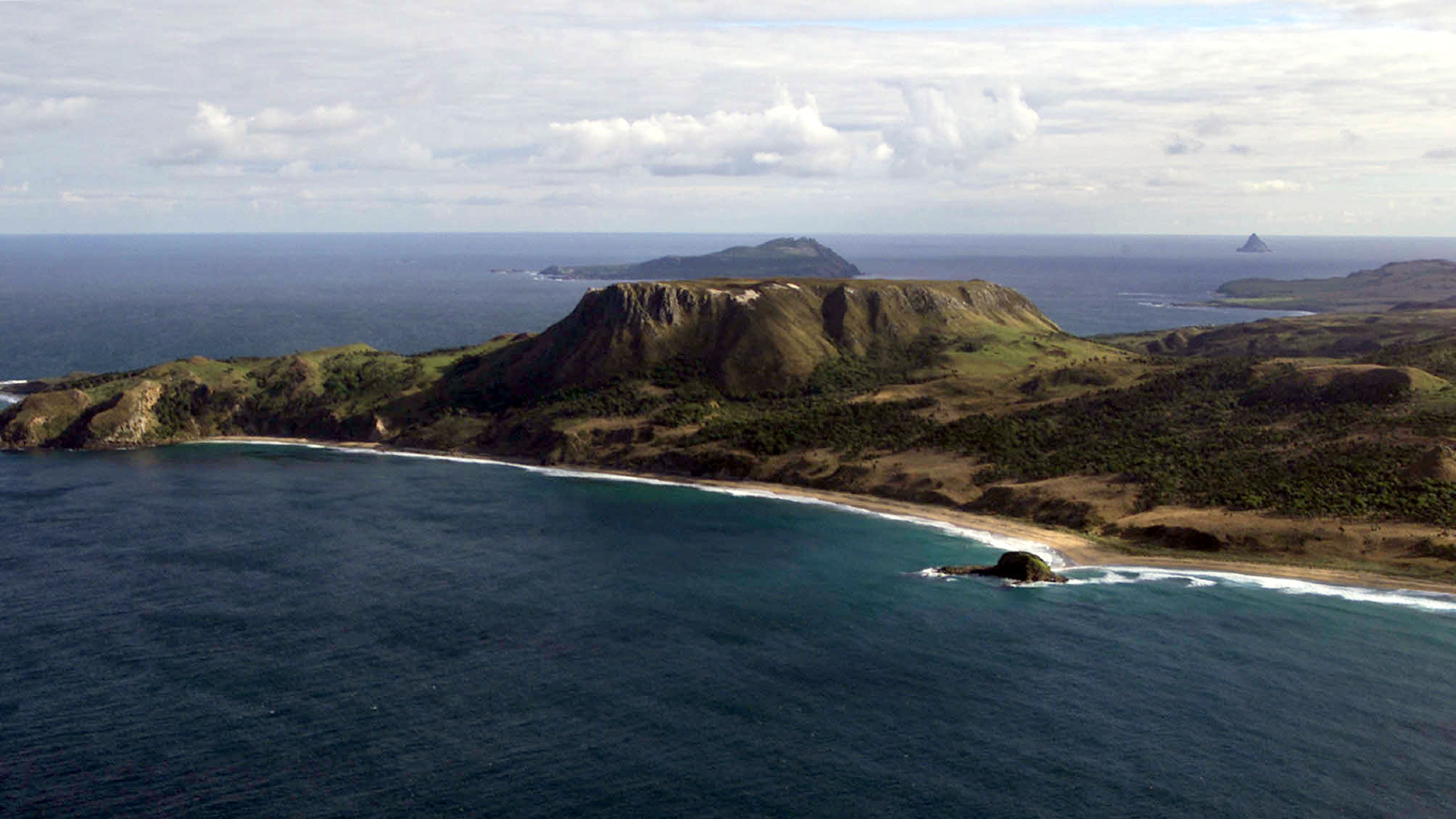
The surrounding ocean is also home to five seal species and roughly 25 species of whales and dolphins, along with penguins, albatrosses, and sea lions, making the islands one of the more biologically active corners of the South Pacific.
That abundance traces back to the same seafloor structure responsible for the bloom itself. By reliably pushing nutrient-rich water toward the surface, the Chatham Rise sustains a food supply that supports both the region’s fisheries and its wider marine mammal population year after year.
The Same Waters Have a Deadly History
The shallow water around the Chatham Islands has a darker side. The islands are a well-known hotspot for whale and dolphin strandings, a pattern that has repeated itself for more than a century.
Pilot whales are especially vulnerable to this danger because they travel in tightly bonded pods. If one animal becomes disoriented or injured in the shallows, the rest of the group often follows it toward shore, where falling tides can leave the whole pod stranded on the beach.
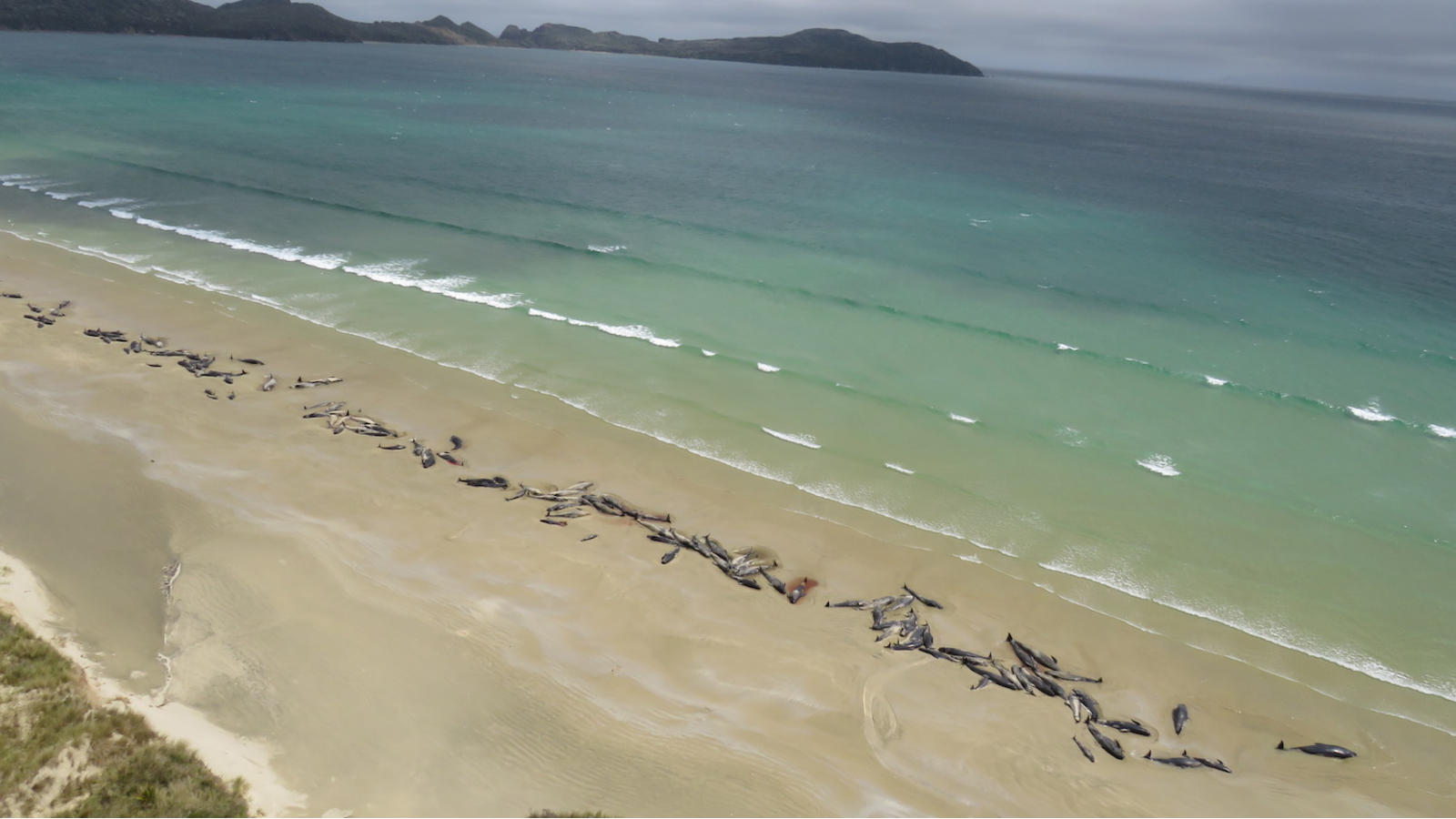
In October 2022, nearly 500 pilot whales stranded on Chatham Island over the course of about four days and were euthanized, according to New Zealand’s Department of Conservation. Wildlife teams on the ground determined that rescue was not possible given the number of animals involved and the remote location.
That event was far from the worst on record. In 1918, more than 1,000 pilot whales died after stranding on the same island, making it the deadliest single whale stranding event ever documented.
Enjoyed this article? Subscribe to our free newsletter for engaging stories, exclusive content, and the latest news.


