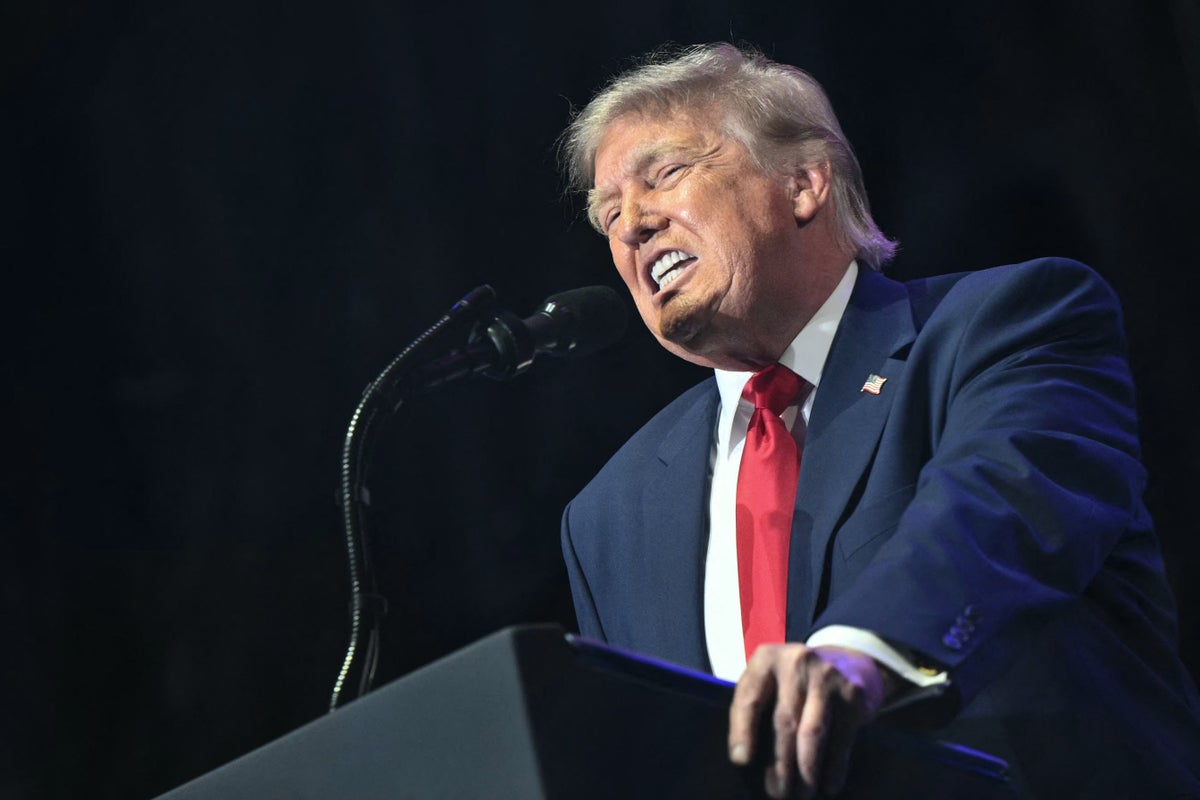
Ерөнхийлөгч Дональд Трамп болон түүний улс төрийн баг Ардчилсан намыг коммунист үзэл баримтлалтай болсон хэмээн шүүмжилж, үүнийгээ ирэх арваннэгдүгээр сарын завсрын сонгуулийн гол сэдэв болгохоор ажиллаж байна.
Ардчилсан намын дотоод сунгалтад зүүний үзэл баримтлалтай нэр дэвшигчид хэд хэдэн мужид ялалт байгуулсантай холбогдуулан Дональд Трамп тэднийг “бурхангүй коммунистууд” хэмээн нэрлэжээ. Тэрээр зургадугаар сарын 23-наас долдугаар сарын 6-ны хооронд олон нийтийн өмнө коммунизм гэх үгийг 81 удаа ашигласан байна. Түүний багийн явуулсан судалгаагаар энэхүү риторик нь Бүгд найрамдах намын үндсэн дэмжигчдийн идэвхийг өсгөх боломжтой гэж үзэж байгаа боловч бие даасан сонгогчид болон залуу үеийнхний дунд төдийлөн үр нөлөөгүй байгаа ажээ.
Ардчилсан намын дэвшилтэт нэр дэвшигчид чинээлэг иргэдэд өндөр татвар ногдуулах, цэргийн зардлыг бууруулах, Израйл улсад үзүүлж буй АНУ-ын санхүүжилтийг зогсоох зэрэг бодлогыг дэмжиж байгаа юм. Эдгээр нэр дэвшигчид өөрсдийгөө ардчилсан социалист гэж тодорхойлдог бөгөөд коммунист үзэл суртлаас ялгаатай нь ардчилсан сонгуулийн замаар бодлогоо хэрэгжүүлэхийг зорьдог байна.
Дональд Трамп энэхүү сэдвийг сонгуулийн кампанит ажлын хүрээнд ашиглах нь Бүгд найрамдах намд өрсөлдөгчдөө эрс тэс үзэлтнүүд хэмээн цоллох боломж олгож байна гэж үзжээ. Гэвч Ардчилсан намын төлөөлөгчид үүнийг эдийн засгийн бодит асуудлаас анхаарлыг холдуулах гэсэн явуургүй оролдлого хэмээн няцаасан байна.
Дэлгэрэнгүйг эх сурвалжаас харах
↓Эх сурвалжийг нээх ↓
<![CDATA[{"className":"sc-1ge0fwe-0","newsletterData":{"pianoFieldName":"receiveInsideWashingtonNews","regTitle":"Inside Washington","subscriptionGroup":"inside_washington","subscriptionGroupId":"af764e04-87eb-45e6-a84b-a7455ba70a1e","type":"inside_washington","pathPrefix":"/news/world/americas/us-politics","associatedAuthors":["Eric Garcia","John Bowden"],"title":"Sign up for the daily Inside Washington email for exclusive US coverage and analysis sent to your inbox","mobileTitle":"Get our free Inside Washington email","imageSrc":"https://static.independent.co.uk/static-assets/images/newsletters/insideWashington1_1.png","label":"I would like to receive morning headlines Monday – Friday plus breaking news alerts by email“,”newsletterKey”:”receiveInsideWashington”,”regSourceSection”:”US politics”,”regSourceNewsletter”:”NSC”},”isClimate”:false}]]>
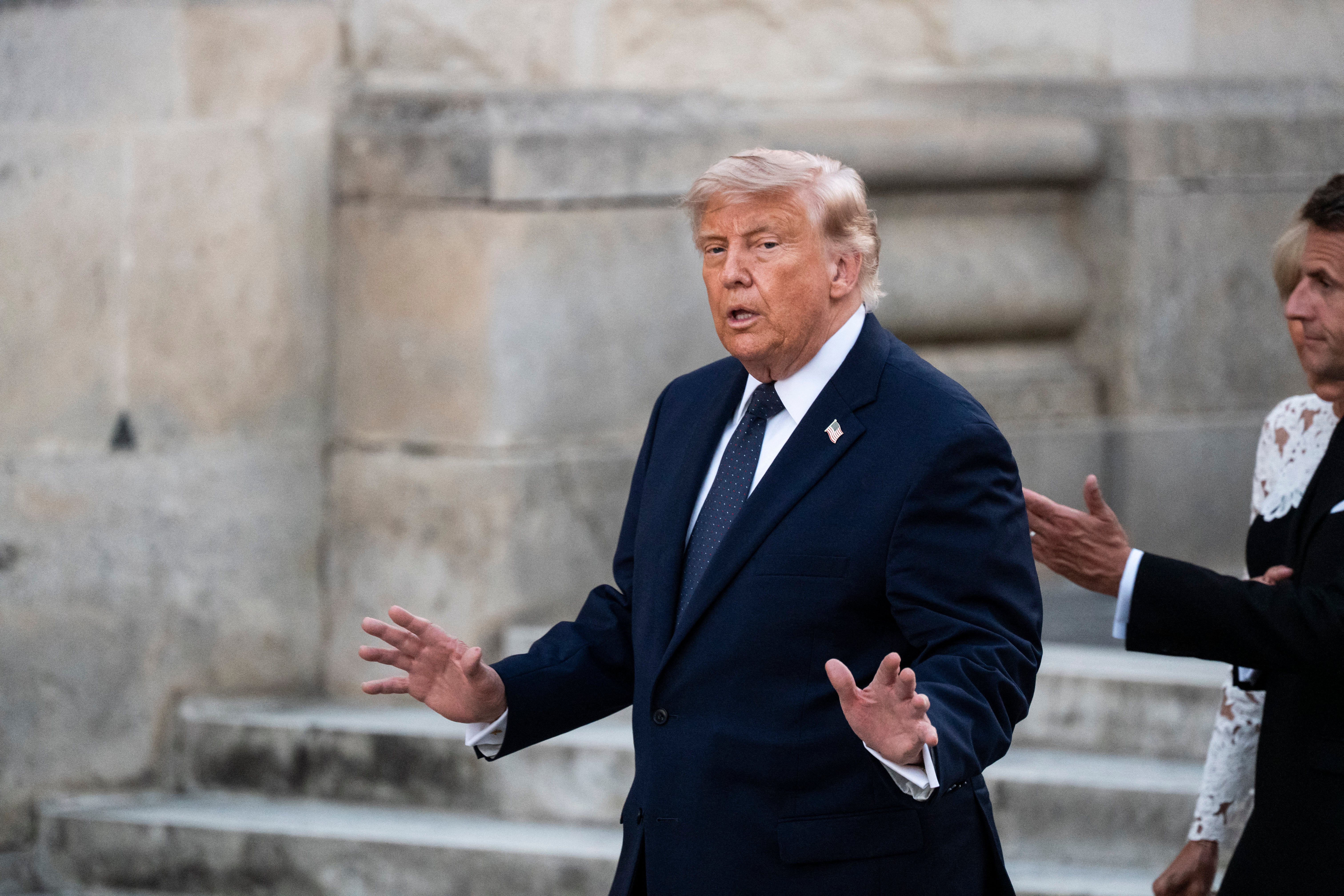
President Donald Trump has significantly intensified his warnings about a communist takeover of the Democratic Party, a message his political team is now testing for broader resonance ahead of November’s midterm elections.
Preliminary findings from focus groups conducted by his team suggest this rhetoric strongly energizes Trump’s core supporters and could boost turnout among infrequent Republican voters.
However, the message appears less effective with independent voters, who are often decisive in closely contested races, and younger demographics who did not experience the Cold War.
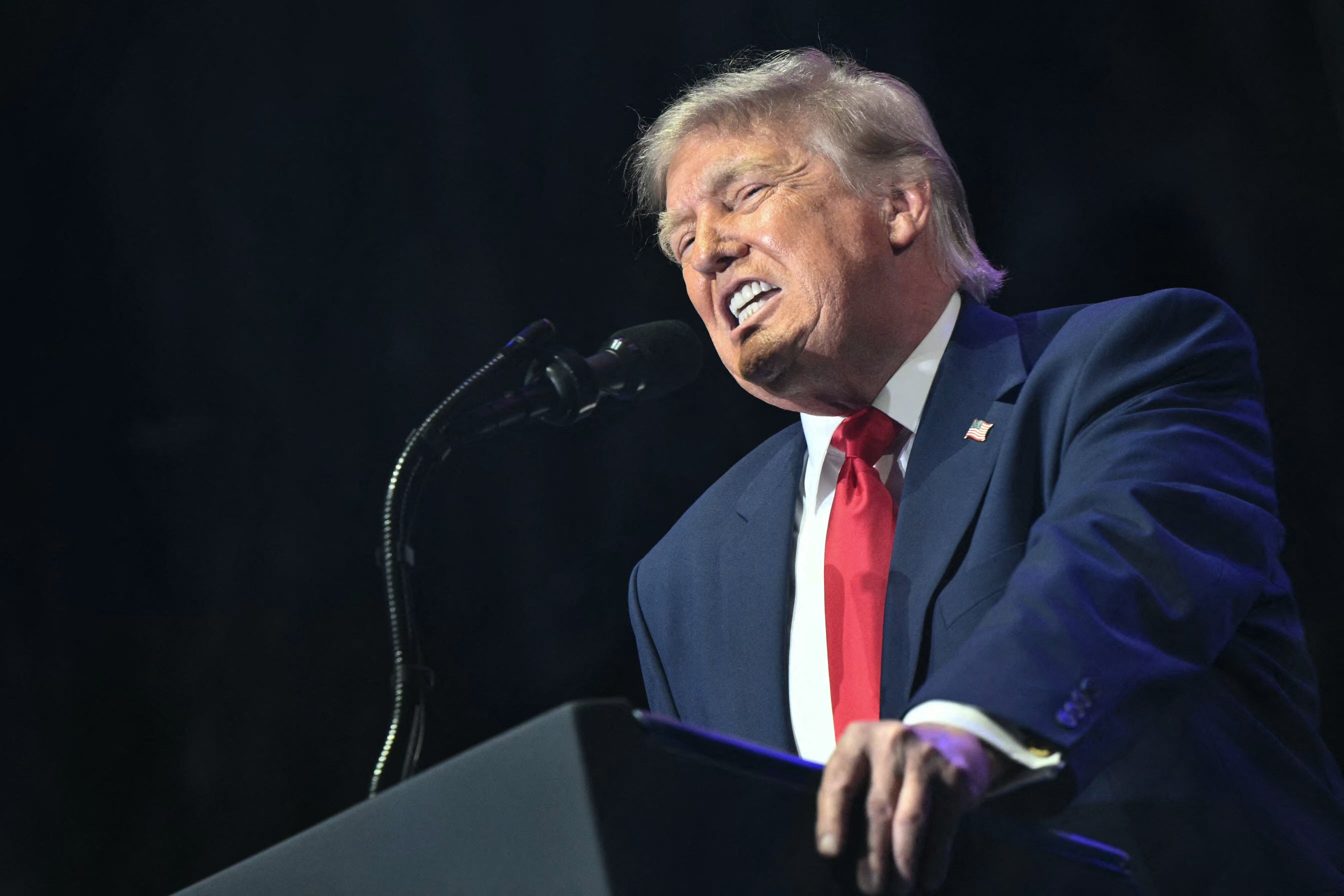
The success of democratic socialists and other progressive candidates in recent Democratic primaries across states like Colorado, Kentucky, New York, Ohio, and Texas has provided Trump and his Republican allies with a fresh line of attack.
This strategy aims to portray Democrats as extreme, shifting focus away from defending Trump’s record on the high cost of living.
cookie.trim() === ‘__DEBUG__=true’)) { console.log(‘Ad logs: “mpu1”, injectedAtParagraph: 5’); }]]>
A Reuters analysis of Trump’s public comments between June 23 and July 6, a period marked by victories for left-wing Democratic candidates in New York primaries, revealed he invoked communism 81 times. During this time, he notably referred to some of the victorious candidates as “hardcore, godless communists.”
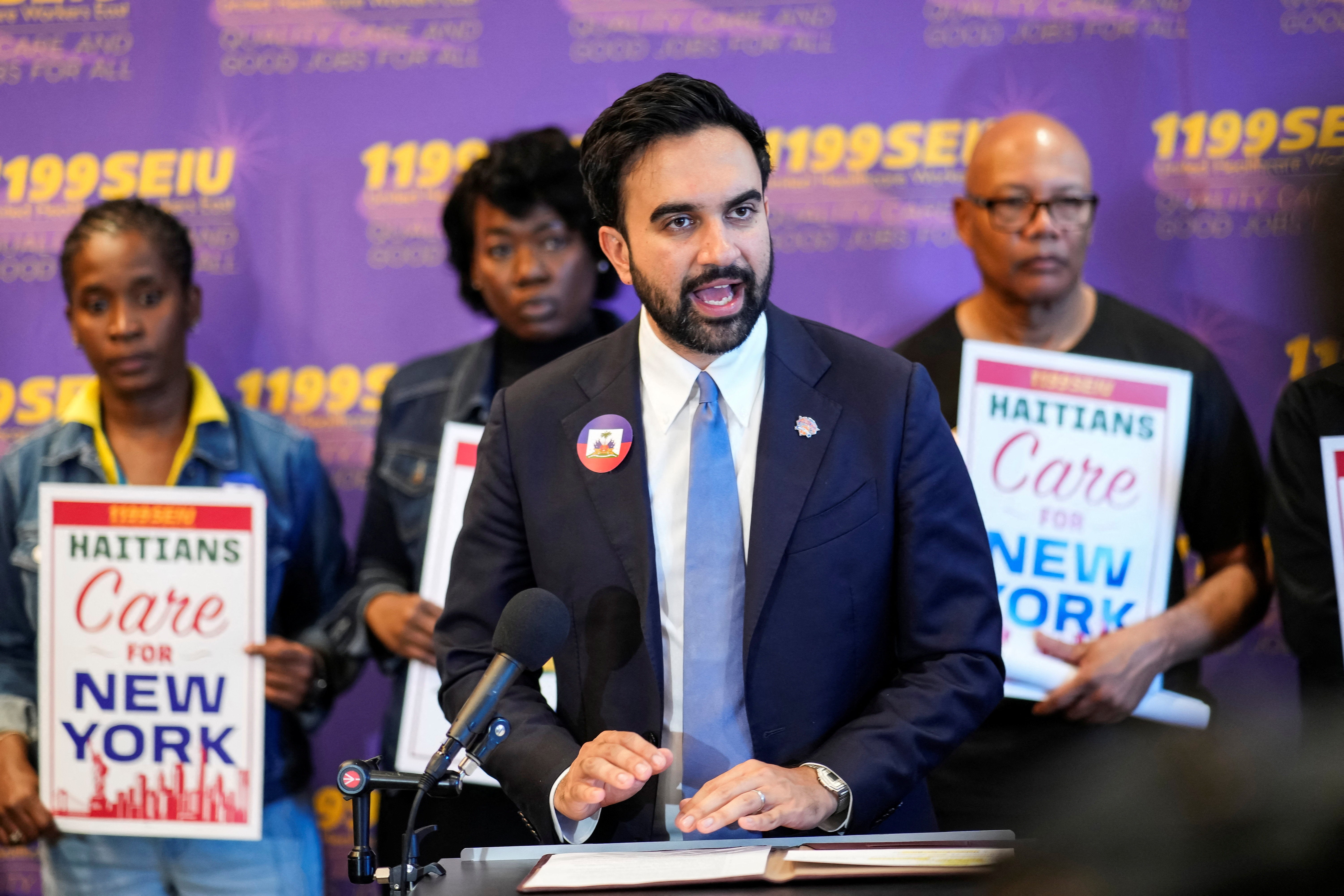
Many of these progressive candidates advocate for policies such as taxing the wealthy, reducing military spending, opposing U.S. funding for Israel, expanding government-funded programs, and abolishing U.S. Immigration and Customs Enforcement.
cookie.trim() === ‘__DEBUG__=true’)) { console.log(‘Ad logs: “taboola-carousel-thumbnails”, injectedAtParagraph: 7’); }]]>
Trump, known for his blunt political branding, has been quick to label supporters of these proposals as communists.
cookie.trim() === ‘__DEBUG__=true’)) { console.log(‘Ad logs: “mpu2”, injectedAtParagraph: 8’); }]]>
However, many of these candidates identify as democratic socialists, who seek to achieve progressive policies through democratic elections, a distinct approach from communism’s aim to abolish private property and create a classless society.
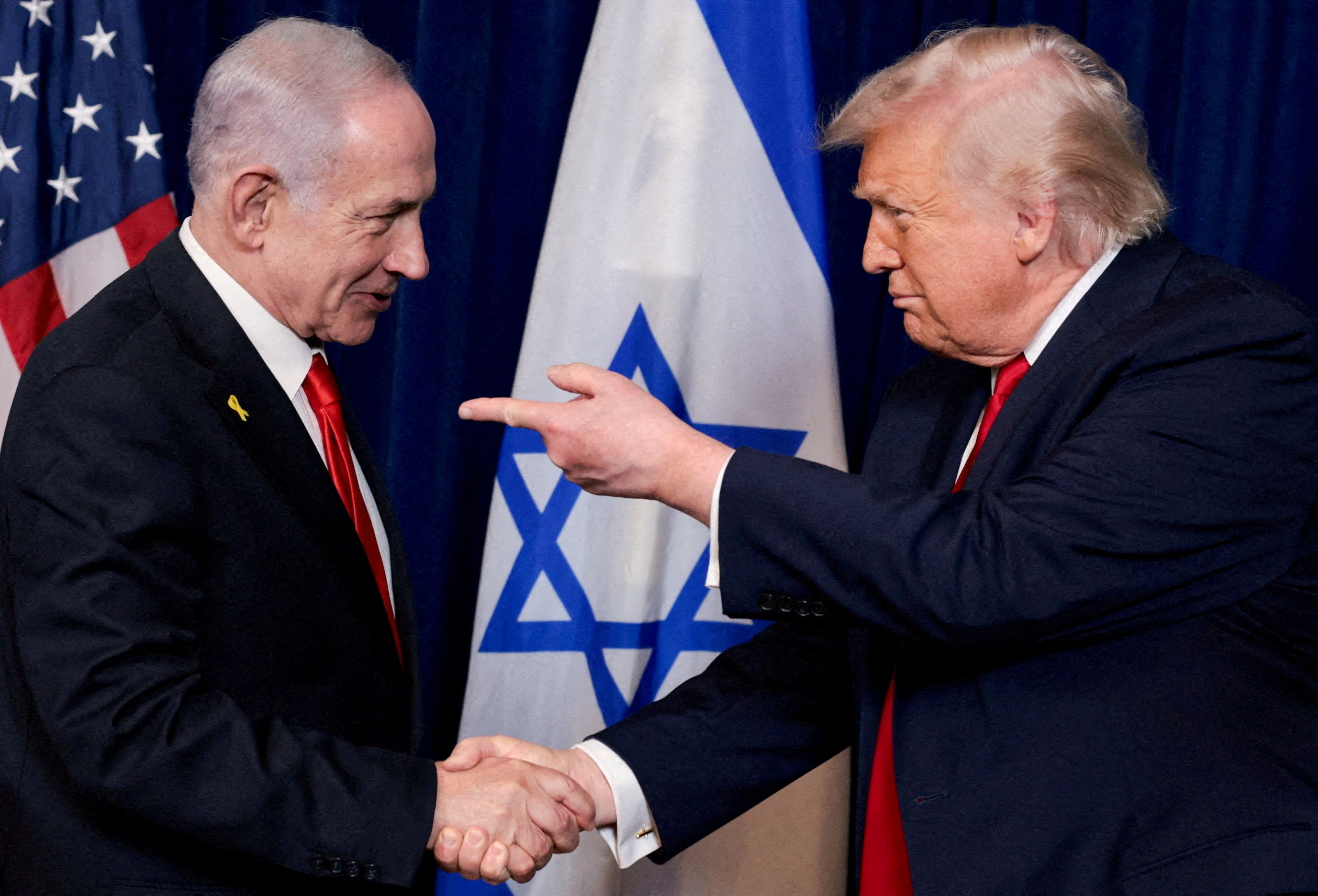
Olivia Wales, a White House spokeswoman, stated that “Democrats’ embrace of socialism and communism” represents an “existential threat to our country.”
cookie.trim() === ‘__DEBUG__=true’)) { console.log(‘Ad logs: “mpu3”, injectedAtParagraph: 10’); }]]>
She affirmed that Trump will “keep calling out their radicalism and drawing a sharp contrast with his commonsense, America First agenda.”
During his July Fourth speech, marking the 250th anniversary of the Declaration of Independence, Trump warned against the rise of communism, likening it to a “cancer that had to be removed.”
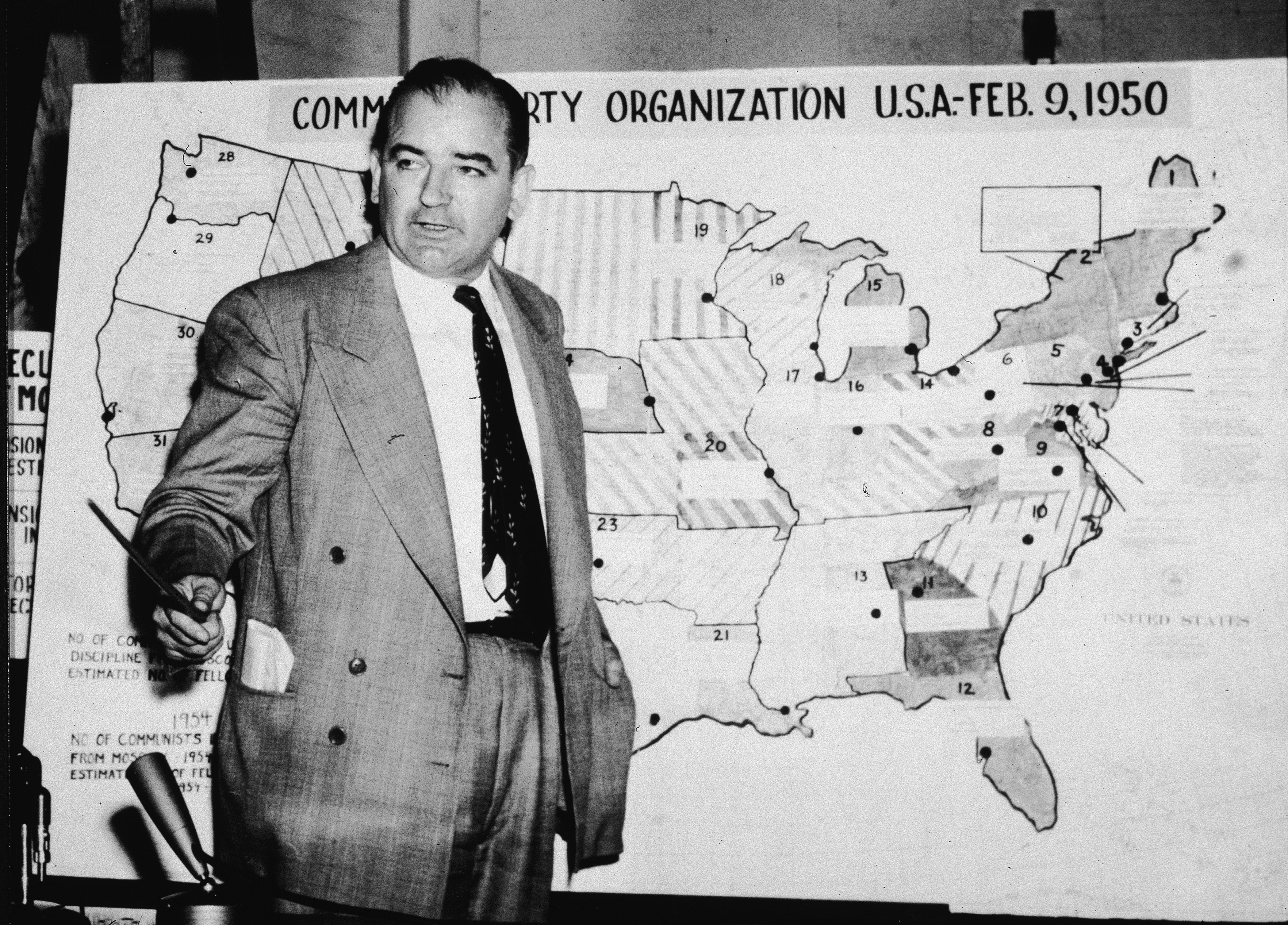
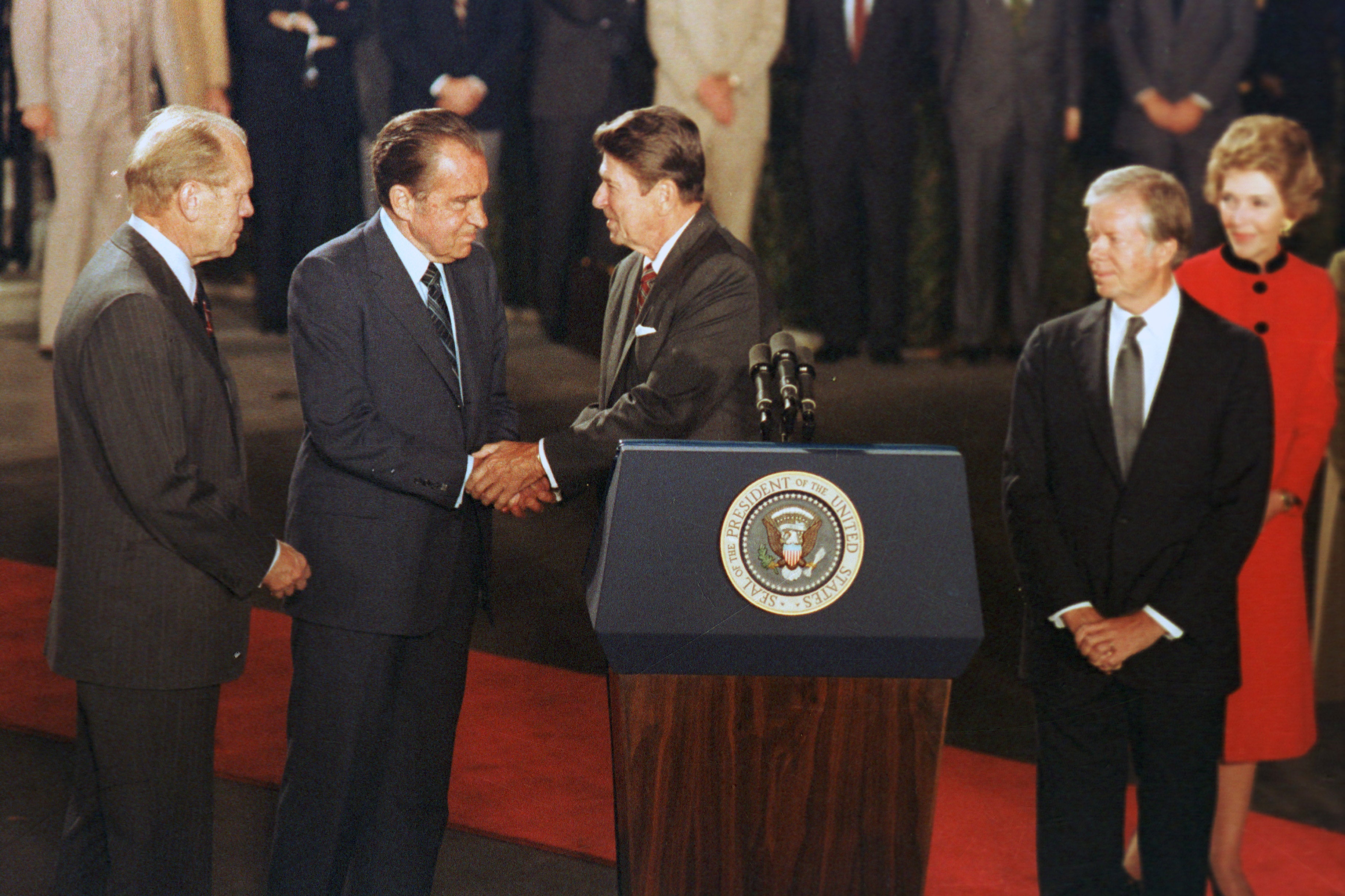
He told a rally on the National Mall in Washington, “You’ve got to cut it out, and you got to cut it out fast.” By portraying Democrats as socialists and communists, Trump has revived a long-standing tactic in American politics, previously employed by Republicans like Richard Nixon and Ronald Reagan during the Cold War.
However, Trump’s decision to use a traditionally nonpartisan Independence Day celebration to attack political opponents marked an unusual setting for such a message.
Behind the scenes, Trump’s aides are actively testing this new message with focus groups as Republicans prepare for the intense final stretch to the November elections, which will determine control of the U.S. Congress.
Preliminary findings indicate that “communism” can be more potent than “socialism” in certain races, while “socialism” may have broader appeal in paid advertisements and district-level messaging, according to one source familiar with the focus groups.
Republicans believe this message resonates particularly well with Hispanic voters in Florida and Texas, where anti-socialist appeals have historically found traction among communities whose families fled leftist governments in Latin America.
Alex Pfeiffer, a spokesman for Trump’s super PAC MAGA Inc., commented, “It’s an appealing message to voters and will help draw the contrast in November.”
A 2025 Gallup poll found that Americans still view socialism more negatively than positively, with 57% holding a negative view and 39% a positive one, though Democrats showed greater favorability toward socialism than toward capitalism.
Republican strategist Amy Koch expressed doubt that the “communist” label would expand the party’s appeal among younger voters or independents, stating, “I just don’t think that communism means the same for anybody under 55.”
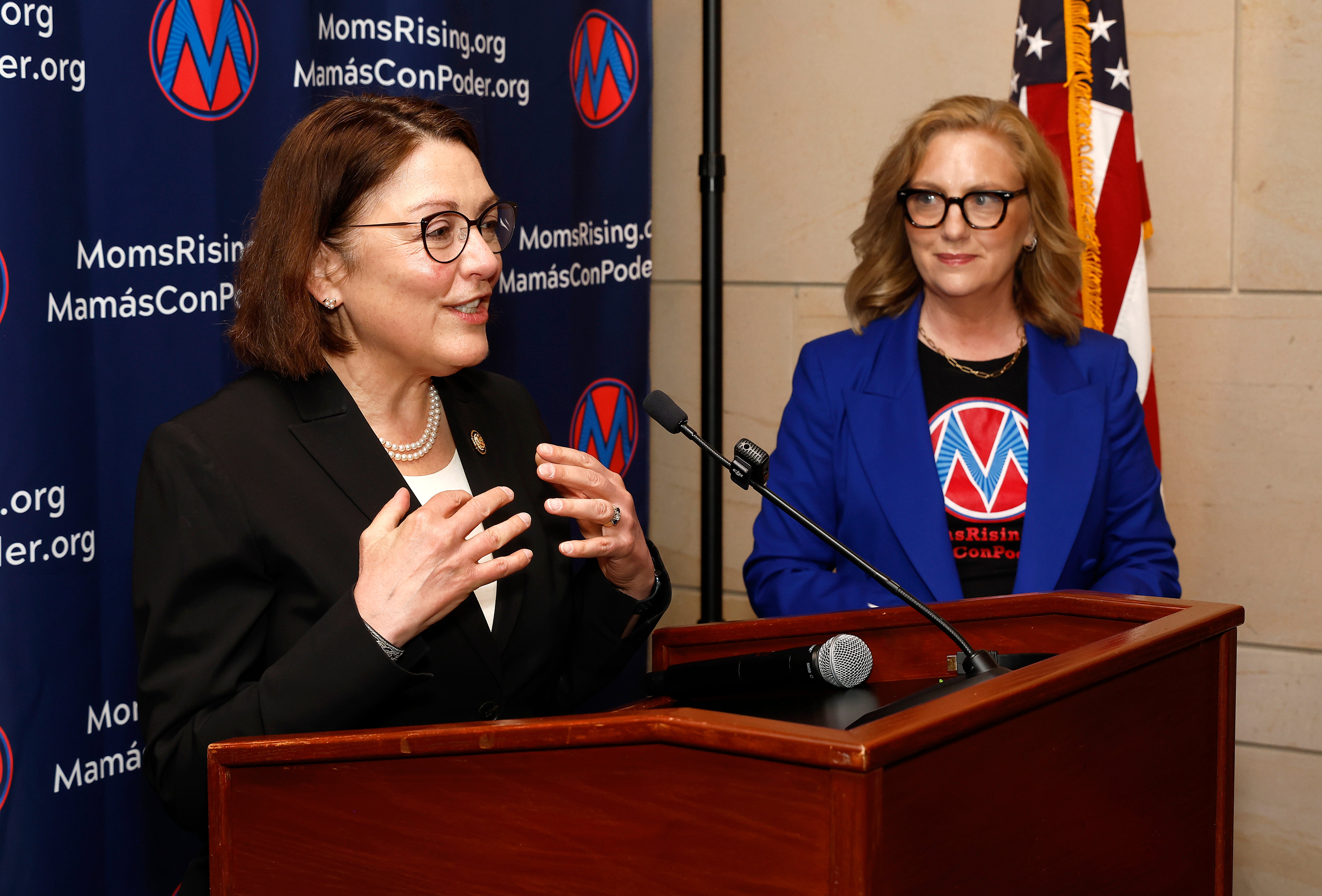
Representative Suzan DelBene, who chairs the House Democratic campaign committee, issued a statement asserting that Republicans were “resorting to desperate attacks that aren’t actually about the pocketbook issues.”
In the past week alone, Trump has invoked communism during an Oval Office exchange with reporters, at the dedication of the Theodore Roosevelt Presidential Library in North Dakota, and during 250th birthday celebrations at Mount Rushmore and on the National Mall.
He has characterized it as “the most serious threat to our country since its existence,” suggesting it poses a greater danger than World War One, World War Two, or the September 11, 2001, attacks, and labeling it “a mortal threat to American liberty.”
This strategy provides Republicans with a way to go on the offensive after months spent defending Trump’s economic record, even as aides struggled to keep him focused on affordability, a top concern for voters.
Trump has repeatedly undercut that message, stating he “loves inflation,” dismissing gas price hikes caused by the conflict with Iran as “peanuts,” and calling the bipartisan housing bill aimed at lowering home prices “a big yawn.”
Republican leaders, including House Speaker Mike Johnson and Republican National Committee Chairman Joe Gruters, are swiftly amplifying Trump’s message, framing the midterms as a critical choice between “common sense and extremism.”

