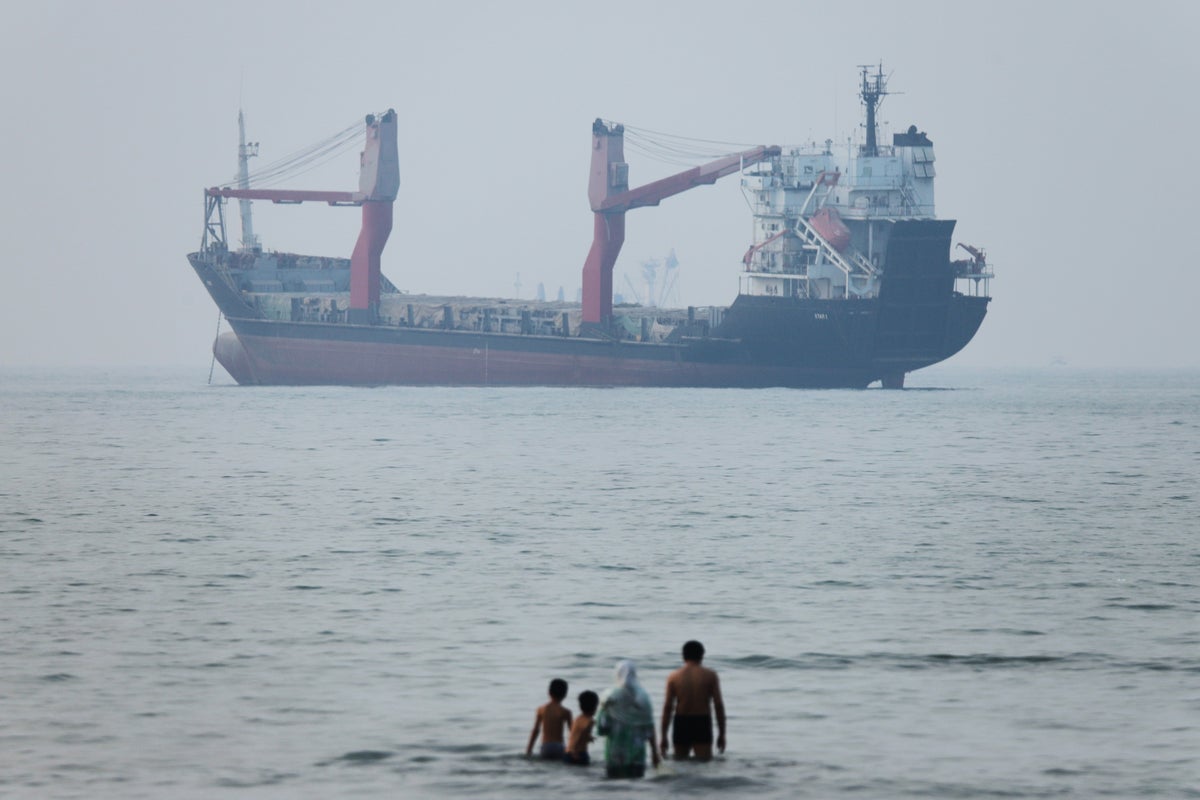
АНУ болон Ираны хооронд шинээр халдлага үйлдэж, хэлэлцээрийн үйл явц зогссоноор дэлхийн зах зээл болон газрын тосны үнэ савлаж эхэллээ.
Хоёрдугаар сарын 28-нд Израйл болон АНУ-ын цэргийн хүчин Ираны дээд удирдагч Аятолла Али Хаменеи болон бусад өндөр албан тушаалтнуудыг устгаснаар мөргөлдөөн эхэлсэн юм. Үүний хариуд Иран улс Израйл болон Персийн булангийн бүс нутагт цохилт өгч, газрын тос, байгалийн хийн тээвэрлэлтийн гол зам болох Ормузын хоолойг хяналтдаа авсан байна. Гуравдугаар сарын 2-нд Ливаны Хезболла бүлэглэл мөргөлдөөнд нэгдэн Израйл руу пуужин харваснаар Израйл Ливаны өмнөд хэсэгт цэргийн ажиллагаа явуулж эхэлжээ.
Дөрөв болон тавдугаар сард талууд гал зогсоох хэлэлцээ хийх, АНУ Ираны боомтуудад бүслэлт тогтоох зэрэг оролдлого хийсэн боловч тогтвортой үр дүнд хүрээгүй юм. Зургаадугаар сарын 17-нд АНУ болон Иран улс ураны баяжуулалтыг хязгаарлах, хориг арга хэмжээг цуцлах гэрээнд гарын үсэг зурсан боловч хэлэлцээний үйл явц үргэлжилсээр байв.
Долдугаар сарын 7-нд Ормузын хоолойд гурван хөлөг онгоц халдлагад өртсөний дараа АНУ Ираны олон тооны байгууламжид цохилт өгч, газрын тосны худалдаанд тавьсан хоригоо сэргээлээ. Үүний дараа АНУ-ын Ерөнхийлөгч Дональд Трамп гал зогсоох хэлэлцээрийг дууссанд тооцож байгаагаа мэдэгдсэн нь бүс нутгийн мөргөлдөөн дахин идэвхжих эрсдэлийг нэмэгдүүлж байна.
Дэлгэрэнгүйг эх сурвалжаас харах
↓Эх сурвалжийг нээх ↓
Global markets and oil prices have lurched again after the United States and Iran traded new strikes and U.S. President Donald Trump mused that fragile negotiations between the countries might be “over.”
At stake are the lives of Iranians and others throughout the region, including Israel and Lebanon, along with foreign residents of Gulf nations, U.S. military personnel stationed in multiple countries and thousands of mariners on ships still hoping to exit the Strait of Hormuz.
Here’s a brief timeline of the war and efforts to end it:
Feb. 28
Israel and the U.S. attack Iran, killing Supreme Leader Ayatollah Ali Khamenei and other top officials, sparking the war. Iran quickly responds with strikes against Israel and across the Gulf region and asserts control over the Strait of Hormuz, a key waterway for global oil and natural gas supplies from the Gulf.
March 2
The Iranian-backed Hezbollah militant group in Lebanon enters the war by firing rockets at Israel.
Israel retaliates, leading to an invasion that will occupy large swaths of southern Lebanon.
March 8
Iran names one of Khamenei’s sons, Mojtaba, as the new supreme leader. He still has not been seen in public and is believed to be in hiding after reportedly being hurt in the war’s opening strikes.
April 7
A tenuous, two-week ceasefire deal is reached. Israel is not included in the discussions.
April 12
The U.S. and Iran end hours of historic face-to-face talks in Pakistan’s capital without reaching an agreement.
April 13
Trump says the U.S. has begun a blockade of Iranian ports in an attempt to pressure Tehran to give up its grip on the strait.
April 14
Lebanon and Israel hold their first direct diplomatic talks in decades in Washington.
April 17
Iran says it has reopened the strait to shipping, but that doesn’t last.
April 21
Trump says he is indefinitely extending the ceasefire.
May 3
Trump announces a U.S. effort to guide ships through the strait. That, too, doesn’t last.
May 31
Israel’s ground invasion of Lebanon makes its deepest incursion in over a quarter-century as Hezbollah continues to target northern Israel.
June 3
Israel and Lebanon say they agree to renew their fragile ceasefire and create security zones that exclude Hezbollah.
Hezbollah and Israel quickly resume firing at each other.
June 7
Iran fires at Israel in the first such bombardment since the ceasefire took effect in early April. Israel fires back.
June 14
Trump says an interim deal has been reached with Iran and will be signed within days. Iran insists the deal means an end to fighting in Lebanon as well.
June 17
Trump signs an agreement with Iran that calls for Tehran to dilute its stockpile of highly enriched uranium and waives U.S.-backed sanctions on the country, immediately allowing Iran to sell its oil freely.
June 22
Vice President JD Vance says new talks with senior Iranian officials in Switzerland created a “good foundation for a successful final deal.”
June 26
Israel and Lebanon announce a U.S.-backed framework agreement that is described as a first step toward peace.
July 1
Host Qatar says U.S. and Iranian negotiators meet separately with Qatari and Pakistani mediators, with “positive progress made.”
July 2
Iran’s joint military command warns that all oil tankers moving through the strait must use its approved routes or face a “forceful response.”
July 4
Iran begins a dayslong funeral for the late supreme leader, Khamenei. Talks with the U.S. toward a final deal on the war and Iran’s nuclear program are expected to resume after it ends.
July 7
Iran is accused of striking three ships in the strait after traffic slowly increases, the most in a single day since late April. The U.S. responds by striking dozens of targets in Iran and reinstating sanctions on Iran’s oil sales. Tehran’s lead negotiator declares that “The era of bullying and extortion is over.”
July 8
Trump declares the ceasefire is “over” but says negotiations can continue, raising fears that the war could ignite again.

