
Трампын засаг захиргаа АНУ-ын эзэмшлийн эх газрын тавиурын бүсүүд болон далайн байгууламжуудыг сансрын пуужин хөөргөх, газардуулах зориулалтаар ашиглах төлөвлөгөөг хэлэлцэж эхэллээ.
АНУ-ын Далайн эрчим хүчний удирдлагын товчоо (BOEM) 2026 оны долдугаар сарын 8-ны мягмар гарагт энэ талаар олон нийтийн санал авах ажиллагааг эхлүүлснээ зарлав. Тус агентлагийн зүгээс эдгээр бүс нутгийг сансрын дэд бүтцэд ашиглах нь АНУ-ын сансрын эдийн засгийг дэмжих, үндэсний аюулгүй байдлын чадавхыг бэхжүүлэхэд чухал ач холбогдолтой гэж үзэж байна. Энэхүү санаачилга нь 2025 онд гаргасан Ерөнхийлөгчийн захирамжийн хүрээнд хэрэгжих бөгөөд арилжааны болон улсын сансрын хөтөлбөрүүдийн үйл ажиллагааны уян хатан байдлыг нэмэгдүүлэх зорилготой юм.
Сансрын салбарын өсөн нэмэгдэж буй эрэлт хэрэгцээ, тэр дундаа хиймэл дагуулын сүлжээ, хиймэл оюун ухааны дата төвүүд болон үндэсний аюулгүй байдлын даалгавруудыг гүйцэтгэхэд SpaceX, Blue Origin, Lockheed Martin зэрэг компаниуд далайн тавцангуудыг ашиглах сонирхолтой байна. Тухайлбал, энэхүү дэд бүтэц нь Трампын засаг захиргааны “Golden Dome” хэмээх сансрын пуужингаас хамгаалах системийг дэмжихэд чиглэж болзошгүй юм. Одоогоор SpaceX компани Falcon 9 пуужингийн хэсгүүдийг далайд байрлах “drone ships” буюу автомат удирдлагатай хөлөг дээр газардуулдаг туршлагатай.
Гэвч байгаль орчны байгууллагууд энэ төлөвлөгөөг эсэргүүцэж байна. Биологийн олон янз байдлыг хамгаалах төвийн төлөөлөгчид сансрын хөөргөлтийн үйл ажиллагаа нь далайн эрэг орчмын экосистем болон зэрлэг ан амьтдад сөргөөр нөлөөлж, байгалийн нөөц газруудыг сүйтгэх эрсдэлтэй гэж анхааруулж байна. Audubon нийгэмлэгийн тайланд дурдсанаар, ялангуяа SpaceX-ийн Starbase орчмын бүс нутагт хийгдэж буй хөөргөлтүүд нь экосистемийг хамгаалах олон жилийн ажлыг үнэгүйдүүлж байгааг онцолжээ.
Дэлгэрэнгүйг эх сурвалжаас харах
↓Эх сурвалжийг нээх ↓
The Trump administration is considering using the more than 3 billion acres of U.S. offshore territory for space launches, according to a federal notice.
The Bureau of Ocean Energy Management announced on Tuesday it was seeking public input on the possibility of using the submerged land formations and existing offshore facilities of the Outer Continental Shelf for space-related activities, including the “operation of offshore space launch platforms and potential identification of re-entry sites.”
“The Outer Continental Shelf presents a significant opportunity to support the future of America’s space economy,” Matt Giacona, acting director of BOEM, said in a statement.
The agency, which oversees offshore developments including oil platforms and wind projects in these areas, argues the potential space launches will advance priorities for the sector laid out in a 2025 Trump executive order.
“Offshore launch, re-entry, and recovery infrastructure could expand operational flexibility, increase capacity, reduce constraints on growing launch demand, and strengthen the nation’s commercial and national security space capabilities,” he added in his statement.
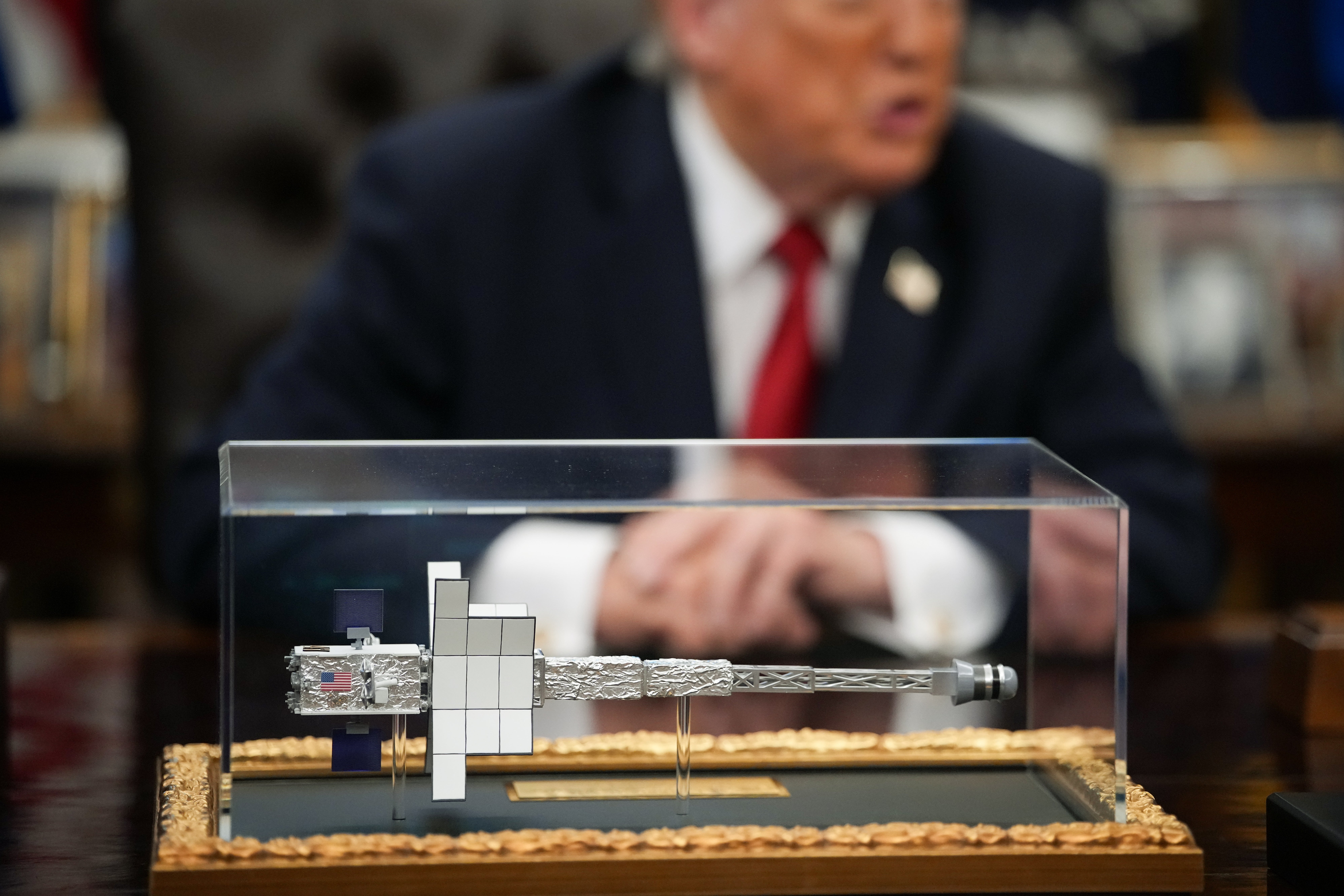
Some have questions about using these coastal zones for space activities.
“Space junk and rocket explosions have already been trashing our coastal wildlife refuges and now Trump wants to expand that destruction farther into our oceans,” Miyoko Sakashita, oceans program director at the Center for Biological Diversity, told The Hill.
Demand for regular space launches remains high, as companies such as SpaceX and Amazon pursue satellite-based internet networks and AI companies clamor for a future of data centers in space.
Companies such as SpaceX and Blue Origin have further driven down launch costs, and Lockheed Martin, Firefly Aerospace and Seagate Space are seeking to used sea-based platforms for national security missions.
One such mission could include supporting the Trump administration’s Golden Dome defense initiative, a space-based missile defense system.
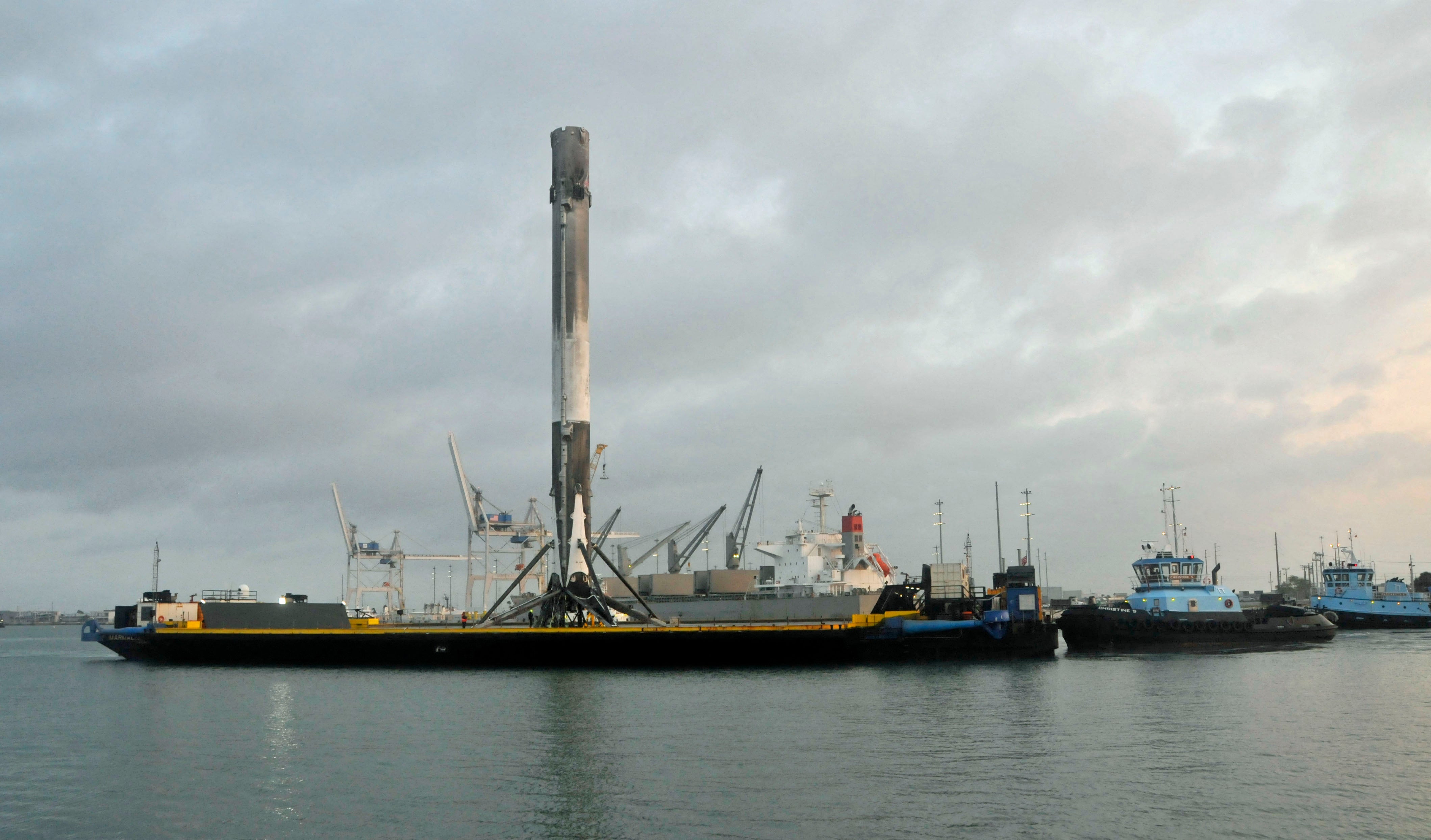
Coastal areas are already used for launches, including Vandenberg Space Force Base in central California, Cape Canaveral Space Force Station in Florida and SpaceX’s Starbase facility in southern Texas.
SpaceX also lands certain stages of its rockets on autonomous “drone ships.”
Environmentalists accuse the company of causing “devastating impacts” on the wildlife, particularly birds, that lives by Starbase, which is near Las Palomas Wildlife Management Area, Boca Chica State Park and the Laguna Atascosa National Wildlife Refuge.
In a 2024 report, the Audobon Society claimed the company is in the process of undoing “decades of work and investments to protect this unique ecosystem for future generations.”


