
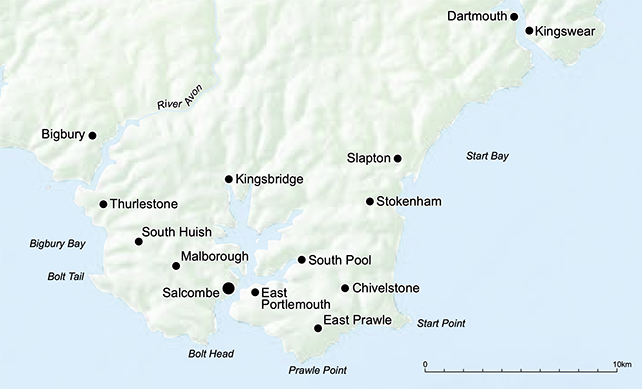
Английн Салкомб булангаас олдсон 400 гаруй алтан зоос бүхий хөлөг онгоц нь Марокко улсаас Амстердам руу явж байсан Нидерландын худалдааны “Dom van Keulen” хөлөг болохыг эрдэмтэд тогтоожээ.
1995 онд Английн өмнөд эрэгт сүйрсэн хөлөг онгоцны үлдэгдлээс Марокко гаралтай алтан зоос, гоёл чимэглэл, ваар сав болон эмнэлгийн хэрэгсэл зэрэг олон төрлийн эд өлгийн зүйлс олдсон юм. Хараат бус түүхч Иэн Фриел Үндэсний архивын баримтуудыг судалсны дүнд 1633 онд далайн шуурганд өртөн живсэн Нидерландын “Dom van Keulen” хөлөг болохыг илрүүлсэн байна. Тус хөлөг онгоц нь тухайн үед Марокко улсыг захирч байсан Саадын угсааны үед цутгасан алтан зооснуудыг тээвэрлэж явжээ.
Энэхүү судалгааг British Museum, Bournemouth University болон South West Maritime Archaeology Group-ийн мэргэжилтнүүд хамтран гүйцэтгэж, олдворуудыг нэгтгэн ном хэвлүүлсэн байна. Олдсон зооснуудын хамгийн сүүлийнх нь 1632 онд цутгагдсан нь хөлөг онгоц сүйрсэн цаг хугацааг нарийн тогтоох гол түлхүүр болжээ. Мөн улаан шавар вааранд хадгалагдаж үлдсэн давирхайтай эм нь тухайн үеийн далайчдын эмнэлгийн хангамжийн талаарх ховор мэдээллийг өгч байна.
Уг нээлт нь XVII зууны үеийн Нидерланд, Марокко болон Британийн хоорондох далайн худалдааны харилцааг ойлгоход чухал ач холбогдолтой юм. Олдсон зооснууд нь Саадын угсааны үеийн хамгийн том цуглуулгад тооцогдох бөгөөд тухайн үеийн эдийн засаг, соёл, худалдааны цар хүрээг илтгэж байна. Эрдэмтдийн үзэж буйгаар энэхүү олдвор нь далайн гүнд хараахан нээгдээгүй түүхэн дурсгалууд олон байгааг сануулж байна.
Дэлгэрэнгүйг эх сурвалжаас харах
↓Эх сурвалжийг нээх ↓
In 1995, a shipwreck was discovered beneath the waters of Salcombe Bay, off the south coast of England, with cargo that included over 400 gold coins.
The incredible find launched a 30-year mission to identify the ship – a mission that just ended.
Credit for solving the mystery goes to independent historian Ian Friel, who found historical records mentioning a Dutch merchant ship called the Dom van Keulen, wrecked off the English coast while traveling from Morocco to Amsterdam in the Netherlands in 1633.
Everything matched up: the date, the location, the hoard of gold coins (of Moroccan origin), and the Dutch origin of many of the other items recovered from the site.
This discovery and the work that led up to it have now been documented in a new book by researchers at the British Museum, Bournemouth University, and the South West Maritime Archaeology Group in the UK.
“The discovery of African gold from under the sea off the coast of Devon was an amazing discovery that raised so many questions about how it came to be there,” says Jeremy Hill, the head of research at the British Museum.
“Answering those questions has taken a team of experts, working collaboratively.”
Very little of the ship itself has survived, making it challenging to determine its name and route.
All researchers have really had to go on is its cargo: not just gold coins, but also jewelry, pottery, goat skins, and a merchant’s seal.
Also recovered from the wreck, incredibly, were some resin pills that had lasted through the centuries in a red earthenware jar.
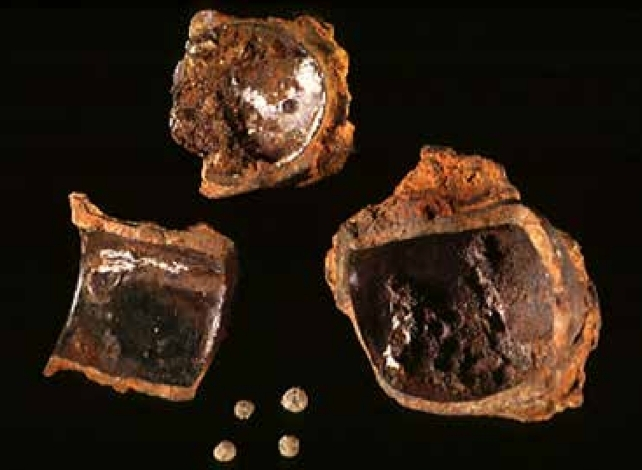
These were most likely part of the ship’s medical supplies, though it’s not clear what they would have been used to treat.
The coins at least gave the archaeologists a starting point.
They were stamped with the years they were minted, and the newest one that could be dated was struck in 1632.
That means the shipwreck couldn’t have happened before that date.
“This coin plays a key role in ascertaining the date of the foundering of the ship, allowing the hoard to be associated securely with the Dom van Keulen,” write the researchers in their published book on the wreck.
After a 30-year hunt, Ian Friel made his discovery at The National Archives library in Kew, where records from the English High Court of Admiralty showed a claim on the wreck made in 1633 by Amsterdam merchants João de Pas and Andrea de Azevedo.

According to the merchants, and two crew members of the Dom van Keulen called as witnesses, the ship got into “much tempestuous weather” near the English coast – and those on board were forced to abandon ship, leaving valuable cargo behind.
“The story can now be told of how a Dutch ship carrying North African gold was wrecked off the English coast, making this a discovery of international importance,” says Hill. “It reminds us how much there is still to be found under our seas.”
While we now have a match for the shipwreck, very little is known about the Dom van Keulen, and no paintings or sketches of the vessel exist.
Identifying it is still hugely useful for researchers, though.
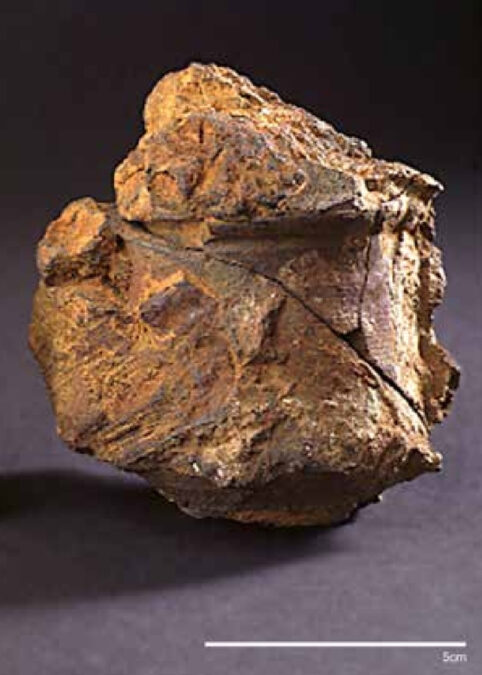
The discovery improves our understanding of 17th-century trade links between the Netherlands and Morocco, contemporary conventions and technologies, and the influence of the Sa’dian dynasty, which ruled Morocco at the time (and minted those coins).
The hoard is now the largest known collection of Sa’dian gold coins.
Related: Mysterious Wall Stone Turned Out to Be an Unexpected Treasure
“This provides important context for the wealth and architecture of the Sa’dian Sharifs, the trade in African gold, and tangible evidence of the flourishing 17th-century maritime trade linking Morocco, the Low Countries and Britain,” says maritime archaeologist Dave Parham, from Bournemouth University.
You can read more about the shipwreck in From Morocco to the Coast of England: The Story of the Dom van Keulen and its Remarkable Cargo online at the British Museum website.
This article was fact-checked by Rachel Garner and edited by Rebecca Dyer. While we pride ourselves on our process, we are only human. If you spot a mistake, please let us know.


