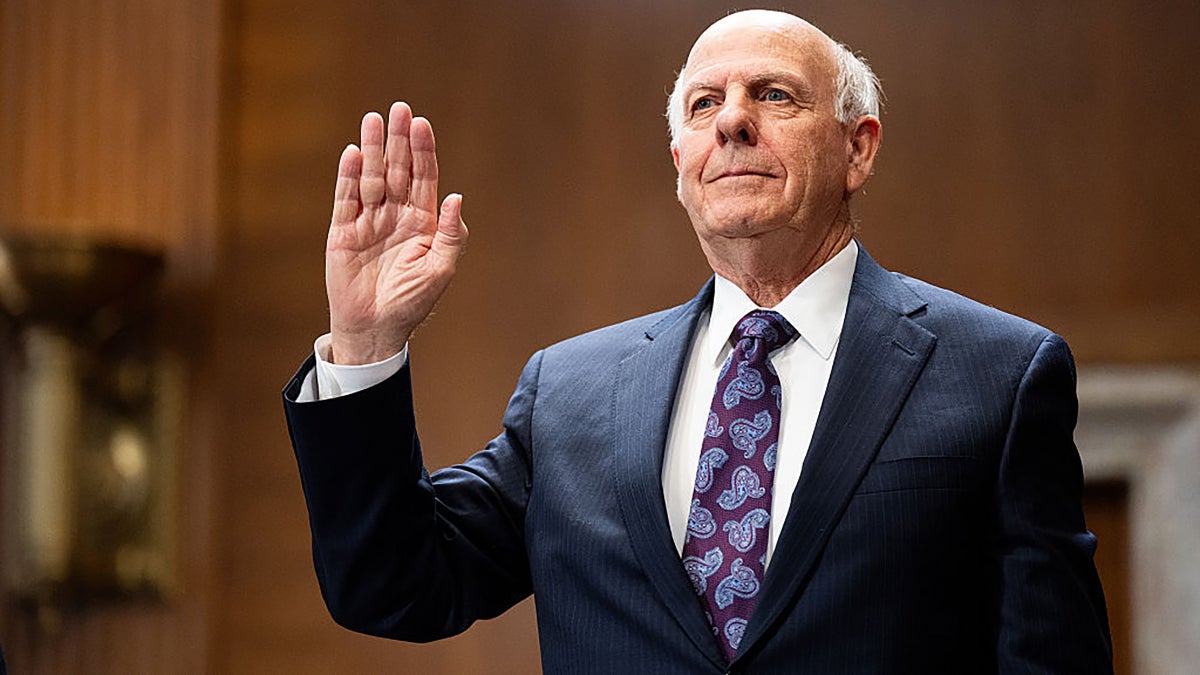
АНУ-ын нийтийн эзэмшлийн 245 сая акр талбайг хариуцдаг тус агентлагийн шинэ дарга Стивен Пирс байгаль орчныг хамгаалах болон эдийн засгийн хөгжлийг тэнцвэржүүлэх зорилт тавьж байна.
2026 оны тавдугаар сарын 19-нд томилогдсон Стивен Пирс нь өмнө нь АНУ-ын Конгресст ажиллаж байсан туршлагатай бөгөөд эрчим хүчний салбарын мэдлэгээрээ дамжуулан газар ашиглалтын бодлогыг хэрэгжүүлэхээр төлөвлөж байна. Тэрээр нийтийн эзэмшлийн газрыг эрчим хүчний үйлдвэрлэл, бэлчээр, уул уурхайн зориулалтаар ашиглахыг дэмждэг ч байгаль орчныг нөхөн сэргээх, ойн цэвэрлэгээ хийх, хаягдсан уурхайнуудыг хаах ажлыг тэргүүлэх чиглэлээ болгохоо мэдэгдэв.
Тус товчооны мэдэлд буй нийт талбайн 99 хувь нь явган аялал, ан агнуур, загасчлал зэрэг чөлөөт цагаа өнгөрөөх үйл ажиллагаанд нээлттэй хэвээр байна. Шинэ удирдлага ахмад настан болон хөгжлийн бэрхшээлтэй иргэдийн хүртээмжийг нэмэгдүүлж, байгалийн аялал жуулчлалыг илүү аюулгүй болгохыг зорьж байгаа юм. Мөн Колорадо мужийн Гранд-Жанкшн дахь баруун бүсийн төв байрыг хэвээр хадгалж, орон нутгийн иргэд болон аялагчдын санал хүсэлтийг сонсох тогтолцоог үргэлжлүүлнэ.
Газрын тос, байгалийн хийн түрээсийн үйл явцыг хурдасгах зорилгоор олон нийтийн санал авах хугацааг богиносгосон нь шүүмжлэл дагуулж байгаа хэдий ч, Пирс үүнийг процедурын шинжтэй хүндрэлийг багасгаж, үр дүнтэй шийдвэр гаргах алхам гэж тайлбарлалаа. Тэрээр ирээдүйд нийтийн эзэмшлийн газрыг хойч үедээ өвлүүлэхдээ байгалийн унаган төрхийг алдагдуулахгүйгээр тогтвортой ашиглах нь чухал болохыг онцолсон юм.
Дэлгэрэнгүйг эх сурвалжаас харах
↓Эх сурвалжийг нээх ↓
On May 19, 2026, Stevan Pearce was sworn in as the 20th director of the Bureau of Land Management (BLM), the federal agency responsible for managing more public land (245 million acres) than any other federal agency.
Unlike previous BLM directors, who came from land-management agencies or state environmental and natural-resources posts, Pearce is a former U.S. Congressman. He represented New Mexico’s 2nd District for 14 years. Prior to that, he owned an oilfield-services business with his wife. He also served in the U.S. Air Force, where he logged more than 500 combat hours as a pilot during the Vietnam War.
Supporters see Pearce as someone who understands how public land can help the economy and the U.S. production of energy. During his years in Congress, Pearce consistently supported expanded domestic energy production and access for grazing, drilling, mining, and other commercial uses of public lands.
Critics see Pearce as the arbiter of the Trump administration’s attacks on public land protections, and as being too focused on the demands of industry and not enough on the needs of environmental protection and recreation.
Outside recently spoke with Pearce to understand how he plans to balance these competing demands on BLM land.
OUTSIDE: What role has outdoor recreation on public lands played in your life?
Steve Pearce: I grew up in New Mexico, one of six kids on a five-acre farm. My dad was working at the lowest level of the oilfield and then we’d farm those five acres. We’d sneak over to the Delaware River, which is a little offshoot of the Pecos River, and all six of us kids would run wild up and down with Dad trying to herd us and do a little fishing in the meantime.
In the Air Force, I was stationed initially for training in Sacramento, so we did a lot of things out there—Big Sur and some of the bigger parks. When I got back from Vietnam, I found myself backpacking alone out in the forests and public lands out in the West.
Later in Arkansas, I got into canoeing. We’d canoe on a couple of the streams out of the Current River through northwest Arkansas. When my granddaughter was born, she’d wake up early like I do, at 4:30 A.M. When she got to be a couple years old, I started taking her out with me in the morning. We’d go walk the rivers, just tramp through the brush to see what we could find along the rivers there in Arkansas. We did that until she went off to college.
Your critics say your background in oilfield services and in oil and gas development means you’re going to whittle away protections for the environment, for wildlife, for recreation.
I say they don’t know me very well, and I excuse them for that. I don’t ever take the criticisms to heart. You learn that growing up in a big family where there’s constant friction and everything bad that can be said about you has already been said by the time you’re 12.
Our readers tend to be strong advocates for conserving public lands and protecting access for recreation. What would you say to people who worry that conservation and recreation will lose ground under your leadership?
I understand the concerns. After Vietnam, the last thing I wanted to do was see people or encroachment or anything. And so I would find the deepest part of the forest to get into and stay there until I was ready to go back.
The percentage of land that is available for recreation is unprecedentedly high. This Secretary [Interior Secretary Doug Burgum] signed an order that it is open, unless there’s a reason for it to be closed. So now 99 percent of the land that is in BLM is available—245 million acres. A very small percent is actually under production. There’s an unprecedented openness to the land.
We’re paying a lot of attention to accessibility for people who haven’t had it before: handicapped, elderly, people in wheelchairs. I think we’ll have greater access than ever before, and I think the landscape is going to get better, better and safer with projects like plugging abandoned mines.
So we’re going to protect the environment, we’re going to protect our federal lands, we’re going to make them accessible like they’ve never been accessible before, but we also need to be aware that the nations with energy [production] have jobs, and the ones with no energy suffer.
Again, my dad worked his whole life in the oil and gas industry at the bottom level, and so I’m always watching what the people do who might not be able to get another job. Those folks who are making $100,000 a year to drive a truck right now? Those are fabulous jobs for people with a high school diploma. It makes the entire country work when people have good jobs, can raise their families, so we’re going to be concentrating on a lot of those types of issues.
During the first Trump administration, there were efforts to reduce the size of both Grand Staircase-Escalante and Bears Ears national monuments. Both are national monuments surrounded by BLM land. What would you say to Outside readers who are worried about this happening again?
Well, first of all, it’s quite a bit above my pay grade. The national monuments are all presidential level, and to tell you the truth, it’s not like I’m over there at a backyard barbecue every afternoon. So I’ll leave that up to my boss. I will support whatever he does.
What is your vision for how the BLM will juggle the demands of outdoor recreation, conservation, and industry?
A lot of public input. Right now, we’re dealing with an issue that the mine is asking to expand, and the local community is saying, wait, the trains are coming right through town. So we sit down, and we hear. And we’ll bring in that field office, we’ll talk to them. And we make very judicious decisions with due diligence and concern.
I think it’s my job to speak up when there becomes a difficult decision because I grew up in a very, very small, not even an incorporated town, so I know what it is to have no power. My family, my dad, we had no standing in the community, no nothing. I know what it’s like to be out there with no voice. And so I consider myself to be a voice for the people that might not otherwise be heard.
The BLM recently released a new proposal for oil and gas leasing that would shrink the public comment period from 90 days down to 10 days. Is this proposal at odds with the weight you place on public input?
It’s a fair question, and it connects to what I said earlier about hearing from communities, bringing in the BLM field office for their expertise and work, and making judicious decisions with due diligence. I believe in that approach. But meaningful public input has to be balanced against unnecessary delay, and that’s really what this proposed oil and gas rule is about.
The proposed rule eliminates the scoping and comment periods in the NEPA process for an oil and gas lease sale and shortens the protest period from 30 to 10 days. Scoping and comment periods are not required by the Mineral Leasing Act or any other statute. As the proposed rule states, the goal is a more efficient, orderly process that still gives stakeholders a chance to weigh in on our leasing decisions, without letting procedural steps that add little value drag out timelines for domestic energy development.
I’d draw a distinction between the sustained, on-the-ground engagement I described and a formal comment window tied to one step in our oil and gas leasing process. Streamlining the latter isn’t a retreat from listening. It’s making sure input is meaningful rather than purely procedural. That’s the balance I want BLM to strike: real engagement where it matters, without unnecessary delay where it doesn’t.
What are your thoughts on maintaining a BLM Western Headquarters in Grand Junction, Colorado?
I don’t have any plans to shut it down. It serves a critical function because you want to be out where the land is. Most of our 245 million acres of BLM land is in 11 western states. I’m from the west and I would love to be out there myself, but frankly, the senators are right down the street here [in D.C.], the Congress and the House, the head of the EPA. I want to speed up the process of making sure we do things right. You can’t do that from out in Grand Junction, so I don’t have any plans to move out there.
Who are today’s BLM land users?
The most visible users are the people who hike, backpack, hunt, fish. Then you have the oil and gas companies;you’ve got the mining. You’ve got anybody that drives a car and especially anybody that heats the house because 60 percent of our energy comes from fossil fuels. And fossil fuels come mostly from BLM land. So 60 percent of your power to heat and cool your home is probably from BLM land.
Who are the BLM land users of the future?
When I think about the recreational user of the future, I’m hoping my granddaughter takes her kids—20 years from now, 15 years from now—takes them out and gets them into the wild.
What I’m hearing from the team in Carlsbad, New Mexico, which is the agency I’ve visited the most, is that the new generation of industrial users—mines, oil and gas, all of that—have a deep sense of personal responsibility to accomplish the same thing with the environment that the outdoorsman want. Most of them are pretty outdoorsy anyway and they recognize from the past what we need to avoid.
If they are not following the rules, our job is to refresh the values in people’s minds. Our value is to keep it clean, to do it right, to not leave waste behind. When they have a spill, to clean it up, let’s remediate it, let’s take care of it.
What are your top priorities with the BLM?
Multiple use means that we’re also supposed to be managing the resources for sustainable yield. And sustainability is a key thing for me. I want fresh water. I want fresh air. I want the soil to be clean.
I grew up in the oil and gas industry and watched as my father’s generation—they didn’t know better; it wasn’t that they were irresponsible, they just didn’t know better—did a lot of things that left a lot of messes. It was my generation that began to clean them up. If you’re an oil and gas business, and even if you’re not working on public lands, leave it nice. We can do it much better than what we did 50 years ago.
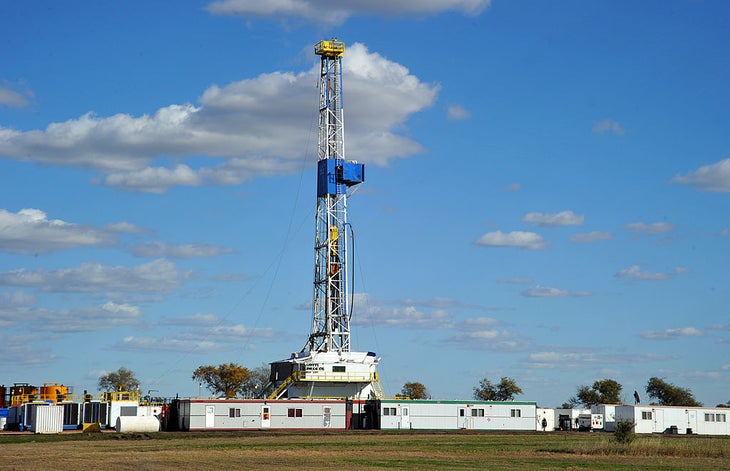
We’ve set up a plan so that in a year and a half from now, all of the orphan wells on federal land are going to be plugged. This is part of my personal desire to clean up the messes of the past, and it’s something that’s deeply ingrained in me.
We also need to clean up the abandoned mines. There are 58,000 abandoned mines. We get to about 1,000 a year. I’ve told the Secretary of the Interior that I want to scale that up, and by dramatic numbers. We will clean more than have ever been cleaned before.
I’ve asked the EPA and the Department of Energy to come over and work with us. Each of them hasa standing in such critical enterprises as an abandoned mine. So we’re beginning to work across agency lines, I think, like maybe never before.
The third big area is cleaning out our forests, to get the excess timber cleaned out to where we don’t burn our forests down. In New Mexico, we used to have 50 trees per acre. That’s one tree at one corner of your house and another at the other corner. In other words, 50 feet spacing is pretty big. And now, today, we’ve got 5,000 trees per acre. That’s the reason the fires get so hot and burn so bad.
People who’ve seen some of our projects, where we do a 5-acre spot and we’d claim maybe 50 percent of the trees, they say, oh I see, this feels like the forest can breathe.
BLM has limited forest land, but I’m also talking to the guys over at the Forest Service because if we can get this technique working, if we can get this process working, they need to do it too.
The post Steve Pearce Just Took Over the BLM. We Asked Him What He Plans to Do to Our Public Lands. appeared first on Outside Online.

