
АНУ болон Ираны хооронд байгуулсан түр эвлэрлийн хэлэлцээр цуцлагдсаны дараа хоёр тал харилцан цохилт өгч эхэллээ.
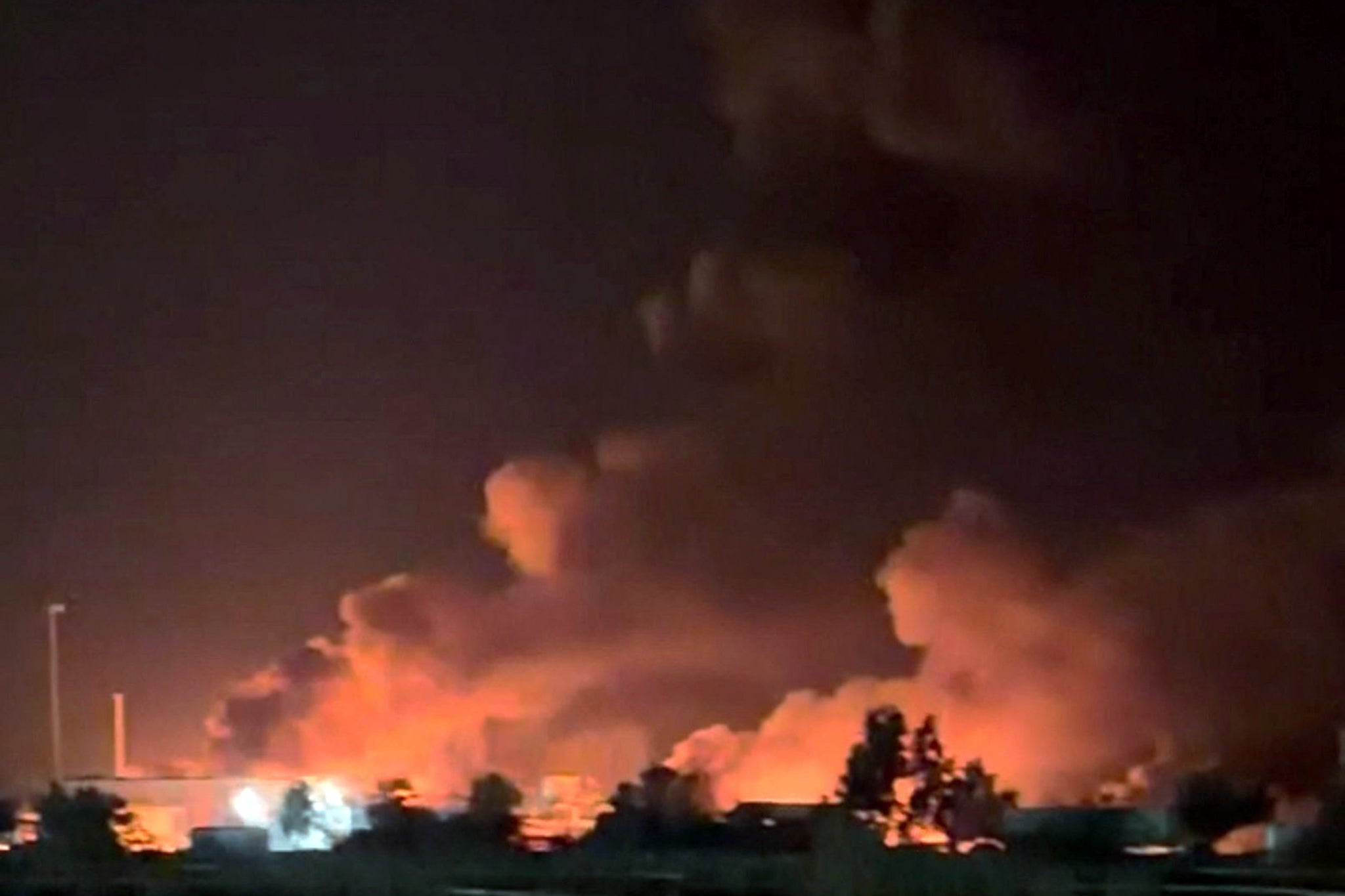
Ираны дээд удирдагч агсан Аятолла Али Хаменейг оршуулах ёслол Машхад хотод болж байх үеэр АНУ-ын зэвсэгт хүчин тус улсын нутаг дэвсгэр дэх цэргийн байгууламжууд руу эрчимтэй довтолсон байна. АНУ-ын Төвийн командлалын мэдээлснээр, Ормузын хоолойд худалдааны хөлөг онгоцууд руу халдсан хэмээн үзэж, пуужин болон нисгэгчгүй онгоц хадгалах агуулах, тэнгисийн цэргийн хүчин чадлыг оролцуулан 90 орчим байг устгажээ. Ираны эрх баригчид Бушер дахь цөмийн цахилгаан станцын ойролцоо болон Бандар Аббас хотод цохилт өгснийг мэдэгдсэн бөгөөд уг халдлагын улмаас Тегеранаас Машхад чиглэлийн төмөр замын дэд бүтэц, тэр дундаа гүүрүүд эвдэрч, зорчигч тээврийн үйл ажиллагаа саатсан байна.
Ираны тал хариу арга хэмжээ болгон Кувейт, Катар, Бахрейн дахь АНУ-ын цэргийн объектууд руу пуужин болон нисгэгчгүй онгоцоор цохилт өгснөө мэдэгдэв. Тухайлбал, Ираны арми Кувейт дэх Patriot зенит пуужингийн системүүд, Катар дахь эрт сэрэмжлүүлэх байгууламж болон Бахрейнд байрлах АНУ-ын армийн шатахуун хадгалах агуулахыг онилжээ. Ираны мэдээлснээр, сүүлийн хоёр өдрийн харилцан цохилтын улмаас 14 хүн амиа алдаж, 78 хүн шархадсан байна.
АНУ-ын Ерөнхийлөгч Дональд Трамп эвлэрлийн хэлэлцээрийг дуусгавар болсон гэж мэдэгдсэн ч Ираны тал хэлэлцээр хийх сонирхолтой байгааг онцолжээ. Гэсэн хэдий ч тэрээр Ираны тал тохиролцсон үүргээ биелүүлэх эсэхэд эргэлзэж буйгаа илэрхийлсэн байна. Одоогоор Ормузын хоолойгоор дамжин өнгөрөх газрын тос тээвэрлэгч хөлөг онгоцнуудын хөдөлгөөн бараг бүрэн зогсоод байгаа нь бүс нутгийн эрсдэл өндөр байгааг харуулж байна.
Дэлгэрэнгүйг эх сурвалжаас харах
↓Эх сурвалжийг нээх ↓
Iran on Thursday accused the US of striking railway bridges on the route to the holy city where the slain supreme leader was buried as a fragile truce between the two countries unravelled.
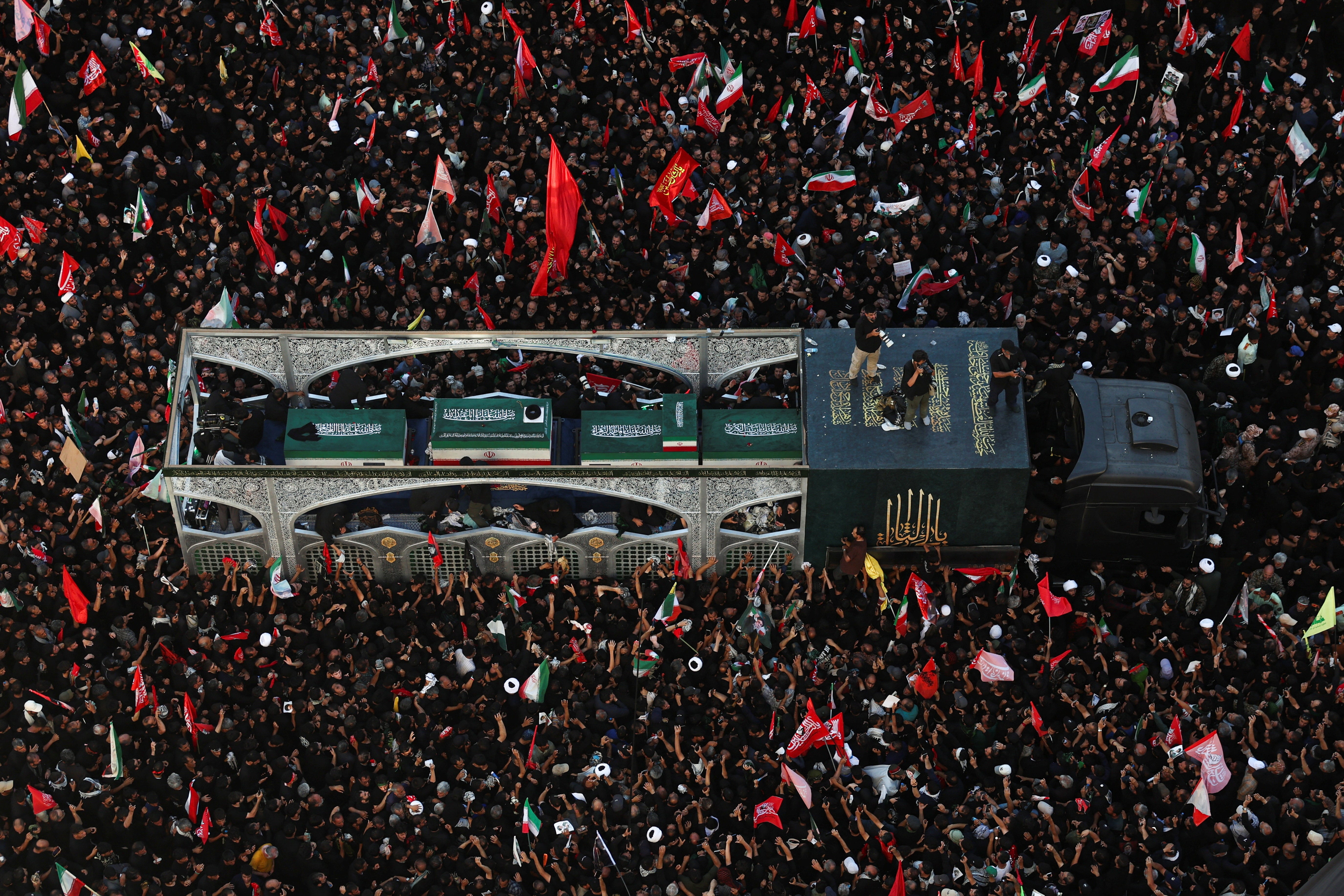
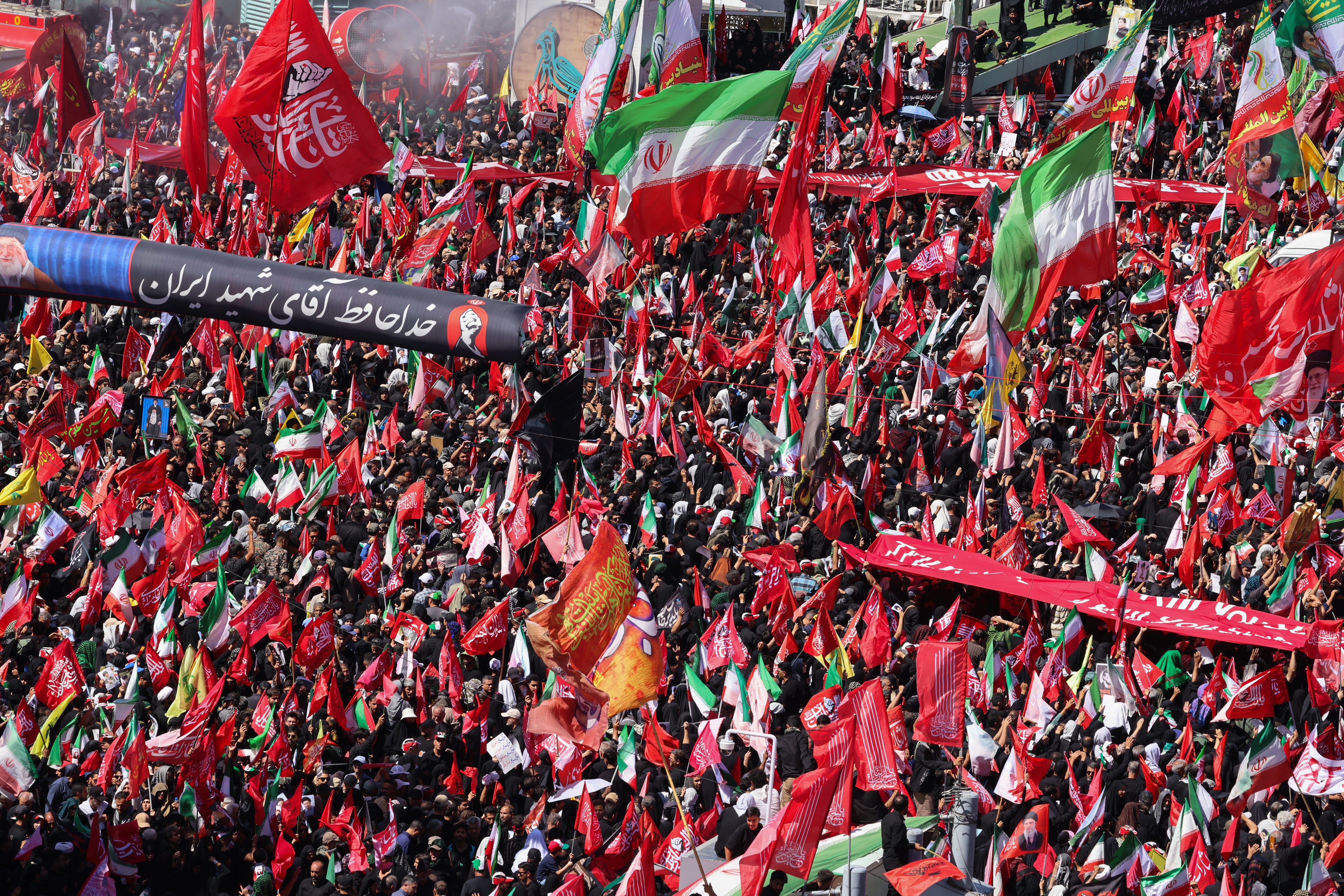
Huge crowds gathered as the Ayatollah Ali Khamenei was buried at a shrine in Mashhad, the culmination of a week of mass funeral processions and rallies.
Khamenei was killed in a US airstrike on the first day of the war on February.
His burial came as Iran and the US traded strikes for a second day, after President Donald Trump declared an interim peace deal agreed between the two sides as “over”. The US military launched its most significant attacks on the country in a month on Wednesday in response to attacks on ships in the Strait of Hormuz. Tehran has not claimed responsibility for the attacks.
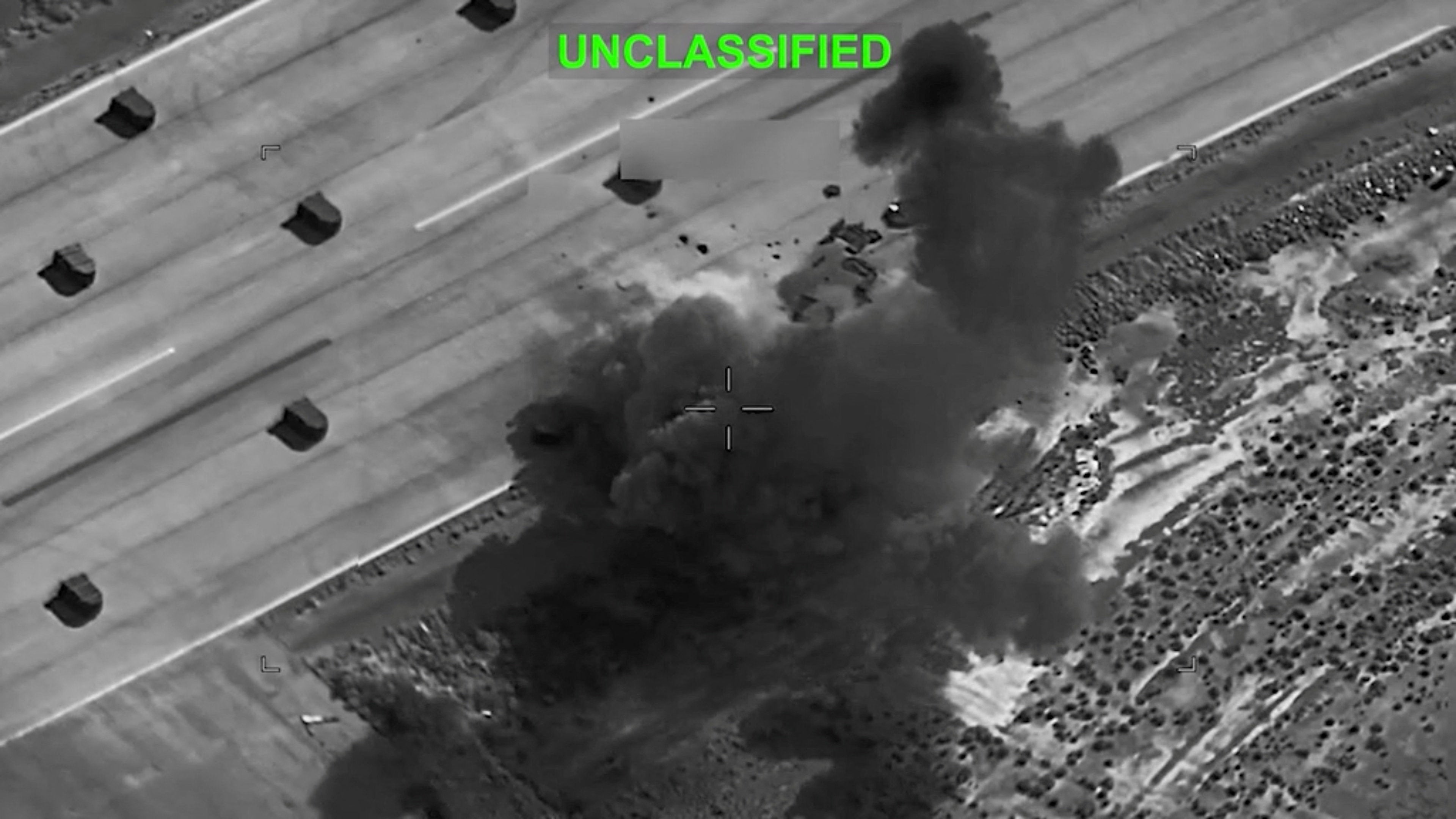
Iran claimed that US forces struck an area near a nuclear power plant on Thursday as both sides ramped up attacks following a dramatic collapse in talks to end the war.
Ehsan Jahanian, the deputy governor of Bushehr, told Iranian state media that the perimeter of the Russian-built plant had been struck during fresh attacks across the southern coastal province.Several explosions were reported in Bushehr and in Bandar Abbas.
Meanwhile, Iranian officials said that passenger trains from Tehran to Mashhad were disrupted on Thursday morning due to US strikes. They said one attack had hit a bridge 55km from the holy city.
Iran’s foreign ministry said the strikes showed Trump’s “inability to comprehend the depth of Iranians’ patriotism and loyalty to the revolution’s ideals”.
Khamenei’s body was carried by truck slowly through crammed streets towards the Shrine of Imam Reza. Black-clad mourners waved Iranian flags, photographs of the late leader and red placards with revolutionary slogans.
Iranian officials said the US attacks had killed 14 people and injured 78 across five provinces since Wednesday. In retaliation, Iran said it had renewed strikes on Kuwait, Qatar and Bahrain, and Jordan said it had intercepted eight missiles from Iran.
The Iranian army said it had fired on US Patriot systems with drones in Kuwait, an early warning site in Qatar and a fuel storage of the US army in Bahrain.
Kuwait said that its armed forces had engaged a cruise missile, three ballistic missiles and 10 drones in its airspace, and that one person had been injured from falling shrapnel.
As both sides butt heads over the future of the Strait of Hormuz, Iran’s Islamic Revolutionary Guard Corps said that “adventurism and interference” in the region would provoke a “crushing response” from the Islamic Republic.
Iran’s top negotiator, parliament speaker Mohammad Bagher Ghalibaf, remained defiant that the Strait “will be reopened only under Iranian arrangements, not through US threats”.
“The US has yet to learn that bullying and breaking its commitments no longer come without a cost,” he wrote on social media. “Let me be clear: If you strike, you will be struck back.”
A senior American official told Axios that the current escalation could last a matter of days, a week or a month, depending on whether Iran continues to attack vessels in the strait.
“We’ll give them a little slap so they understand we’re not playing games,” they said.
US Central Command said its forces had struck around 90 Iranian military targets, including naval capabilities and missile and drone storage sites, as punishment for “recent unjustified aggression” on commercial shipping in the Strait.
Oil tanker traffic through the vital waterway, which in peacetime carries around a fifth of global oil supplies, was at a near standstill on Thursday. Just two tankers dated to sail through the channel in the early hours of Thursday.
“Tanker traffic through the Strait of Hormuz has essentially stopped, which tells you more about risk perception right now than any statement from Washington or Tehran,” Jorge Leon, head of geopolitical analysis at Rystad Energy, wrote in a report.
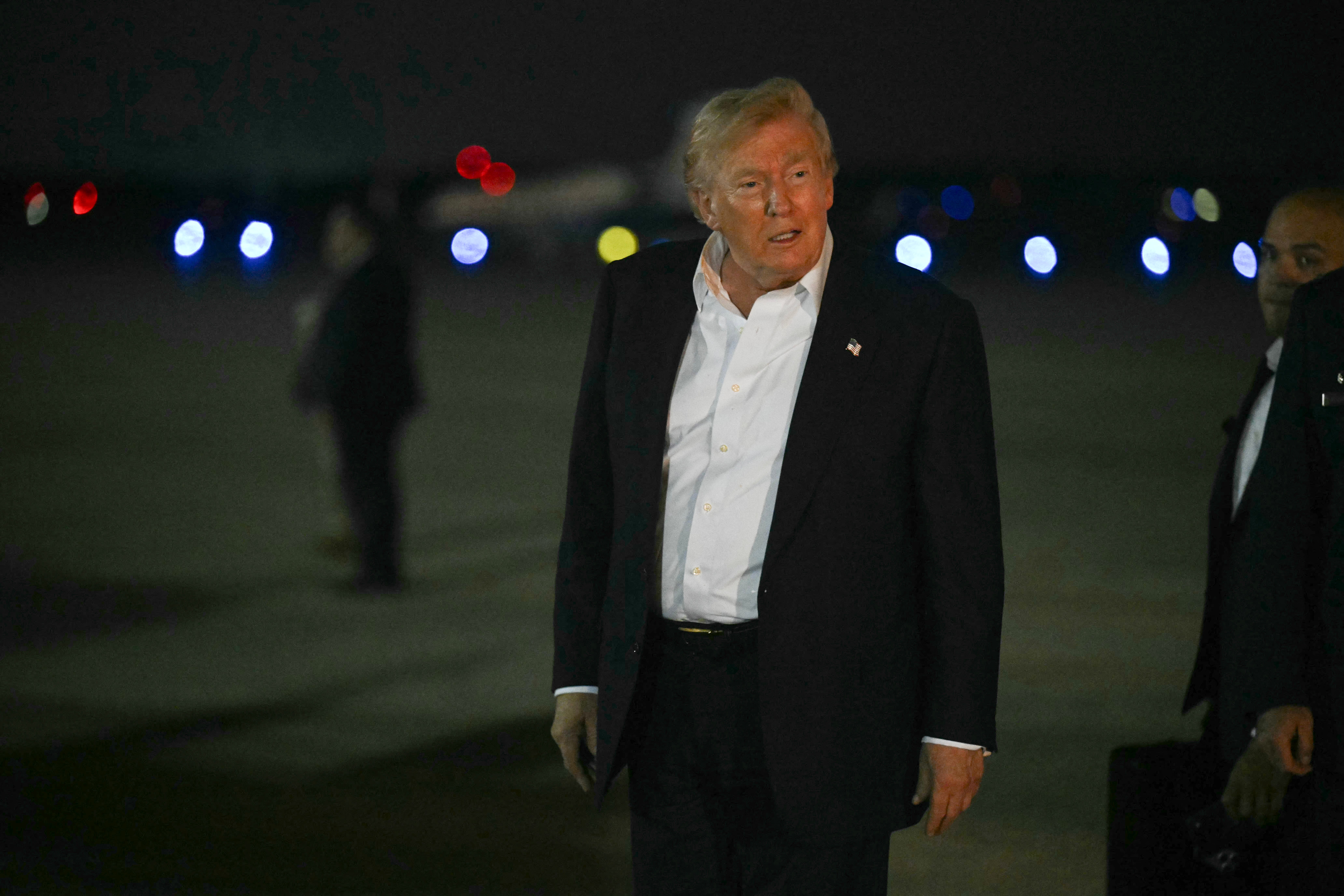
Despite the escalation on the ground, and Trump saying on Wednesday he believed the ceasefire was “over”, the US president said early on Thursday that the regime had called him and wanted “to make a deal so badly” in the wake of the latest strikes.
Tempering hopes of a return to diplomacy, he added: “I just don’t know if they’re worthy of making a deal. I don’t know that they’re going to honour the deal.”
Trump had said he did not think the war would necessarily restart, either: “Anything that happens is going to be over very quickly … and will only make it safer, including for oil.”
The US had agreed to halt talks with Iran for a week for Khamenei’s funeral, as millions of people turned out into the streets to mourn.


