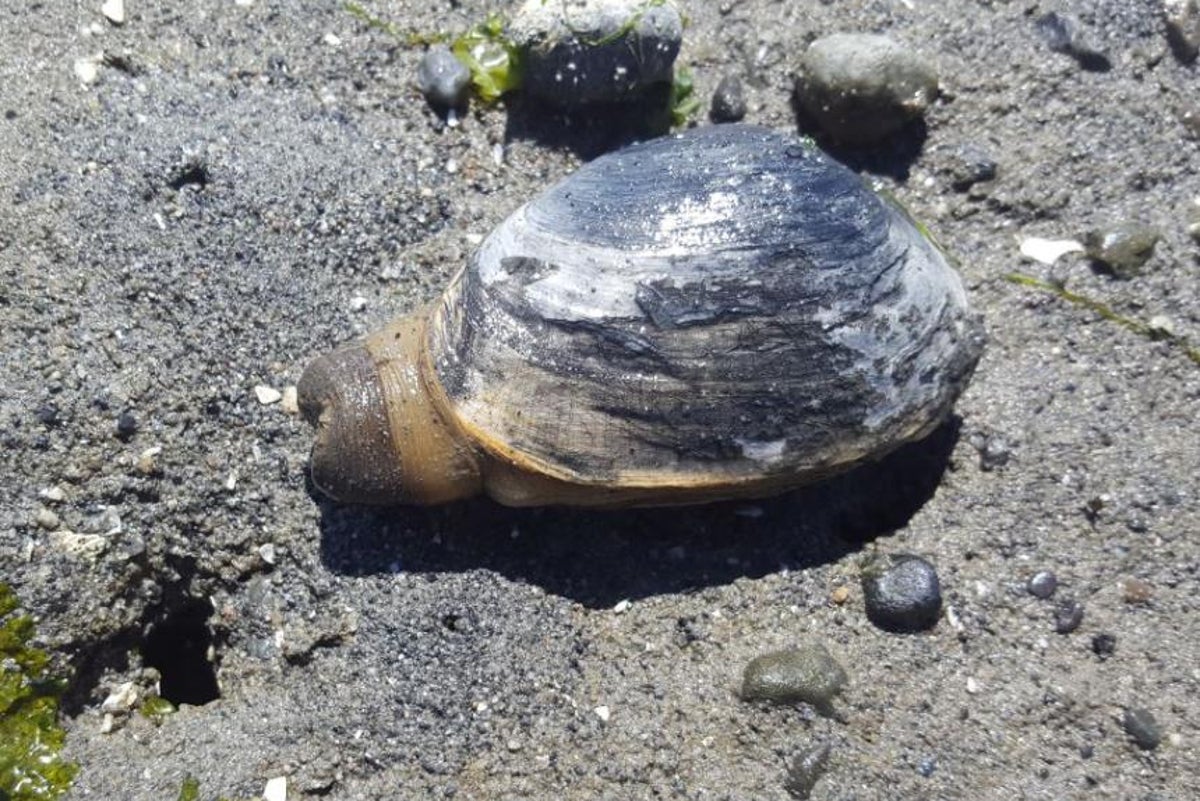
Вашингтон мужийн Пугет Саунд орчмын хясааны популяцид халдварт хавдрын дэгдэлт бүртгэгдсэн нь экологийн тэнцвэрт байдалд эрсдэл учруулж болзошгүйг эрдэмтэд анхаарууллаа.
Тихоокеан баруун хойд зүгийн судалгааны хүрээлэнгийн мэдээлснээр, Триангл Коув бүс нутгийн хясааны 75 хувь нь “bivalve transmissible neoplasia” хэмээх халдварт хавдраар өвчилсөн байна. Энэхүү өвчин нь далайн амьтдын дунд далайн усаар дамжин халдварладаг бөгөөд одоогоор хүнд халдварлах эрсдэлгүй, хүнсэнд хэрэглэхэд аюулгүй гэж үзэж байгаа аж. Гэвч уг өвчин нь далайн экосистемд сөрөг нөлөө үзүүлж, байгаль орчны бохирдол болон далайн дулаарлаас үүдэлтэй дарамтад ороод буй бусад хясааны төрөл зүйлд заналхийлж байна.
Орегон мужийн Загас, зэрлэг ан амьтдын газраас уг өвчин эргийн дагуу тархах магадлалтайг анхааруулсан хэдий ч одоогоор эрсдэл бага байгааг мэдэгдэв. Тус өвчин нь 2022 онд Пугет Саундад анх илэрсэн бөгөөд генетикийн шинжилгээгээр Атлантын далай болон Японы хясааны төрөл зүйлээс гаралтай болохыг тогтоожээ. Өмнө нь АНУ-ын зүүн эргийн хясаанд бүртгэгдэж байсан энэ өвчин баруун эрэгт анх удаа илэрч байгаа нь энэ юм.
Судлаачид уг өвчин Вашингтоны усанд хэрхэн орж ирснийг одоогоор бүрэн тайлбарлаагүй байна. Далайн тээвэр эсвэл хүний оролцоотойгоор халдвартай хясаа эсвэл хавдрын эс агуулсан ус зөөгдсөн байх магадлалтайг Пасифик Нортвест судалгааны хүрээлэнгийн төлөөлөгч Майкл Метцгер онцолжээ. Цаашид уг халдварын тархалтыг хязгаарлахын тулд хөлөг онгоцнуудаар дамжин тархах эрсдэлийг бууруулах, далайн бохирдлыг хянах шаардлагатай байна.
Дэлгэрэнгүйг эх сурвалжаас харах
↓Эх сурвалжийг нээх ↓
Soft-shelled clams along the West Coast are coming down with contagious and deadly cancer, scientists have warned.
The widespread outbreak in Washington state’s Puget Sound has impacted three-quarters of the population in a large watershed called Triangle Cove, according to the Pacific Northwest Research Institute.
The cancer, known as bivalve transmissible neoplasia, spreads between marine animals through seawater. It has no known direct impact on human health and the clams are still safe to eat. But infections threaten the wider ecosystem and other shellfish already threatened by pollution and marine heat waves.
The disease could spread down the coast to Oregon, a spokesperson for the state’s Department of Fish and Wildlife warned this week. Unlike Washington, the state does not have its own monitoring program for the cancer.
Though, there is “currently a low risk,” Meghan Dugan told Portland’s KOIN 6.
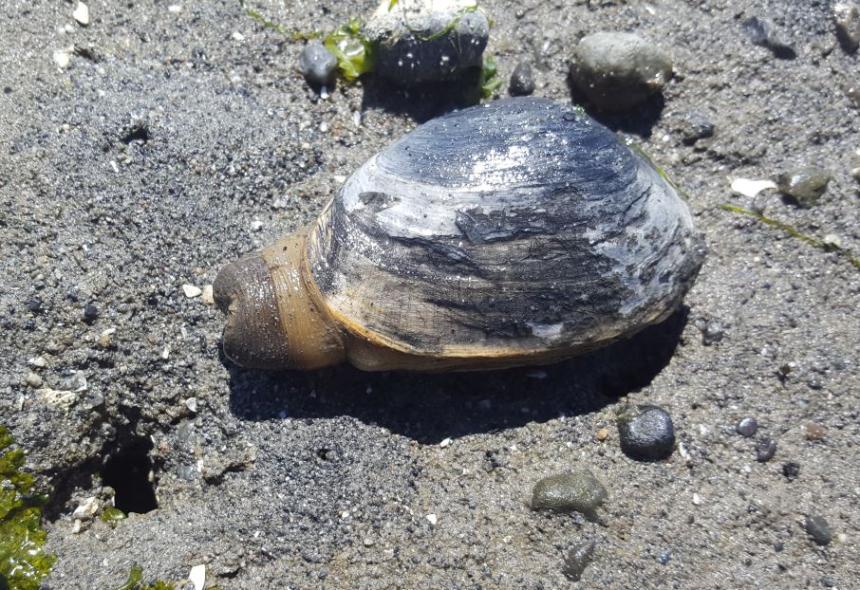
Soft-shell clams provide vital ecosystem services, acting as water filters that clear out plankton and bacteria, according to the non-profit Blue Ocean Society.
They are already at risk from climate change-driven heat and acidification, and ocean pollution. A 2021 heat wave led to a mass shellfish die-off in the region, cooking species alive on Puget beaches.
Pollution and warming temperatures can make the clams more susceptible to cancer, according to the Environmental Protection Agency’s National Estuary Program.
The disease has previously been found in clams along the East Coast but had never been documented in populations on the West Coast.
The cancer was first detected in Puget Sound in 2022 and surveys of the area were taken through 2024. Genetic analysis shows that it is from the same lineage previously identified in the Atlantic and Japanese clam species that could be less susceptible to illness.

Fortunately, the outbreak appears to be in its early stages. That doesn’t mean scientists can stop it but it offers a rare opportunity to observe how wild clams respond to the disease.
Scientists still don’t understand how the cancer reached Washington waters.
“The most likely explanation is accidental human-assisted transport of an infected clam or seawater containing cancer cells, but we don’t yet have evidence that allows us to determine the precise route,” Michael Metzger, associate investigator at the institute, said.
“Understanding how transmissible cancers move between regions will be critical for monitoring and managing future outbreaks.”
There are steps that people can take to limit the spread. Looking for hitchhiking shellfish on ships can prevent further disease. Limiting marine pollution may also help.

