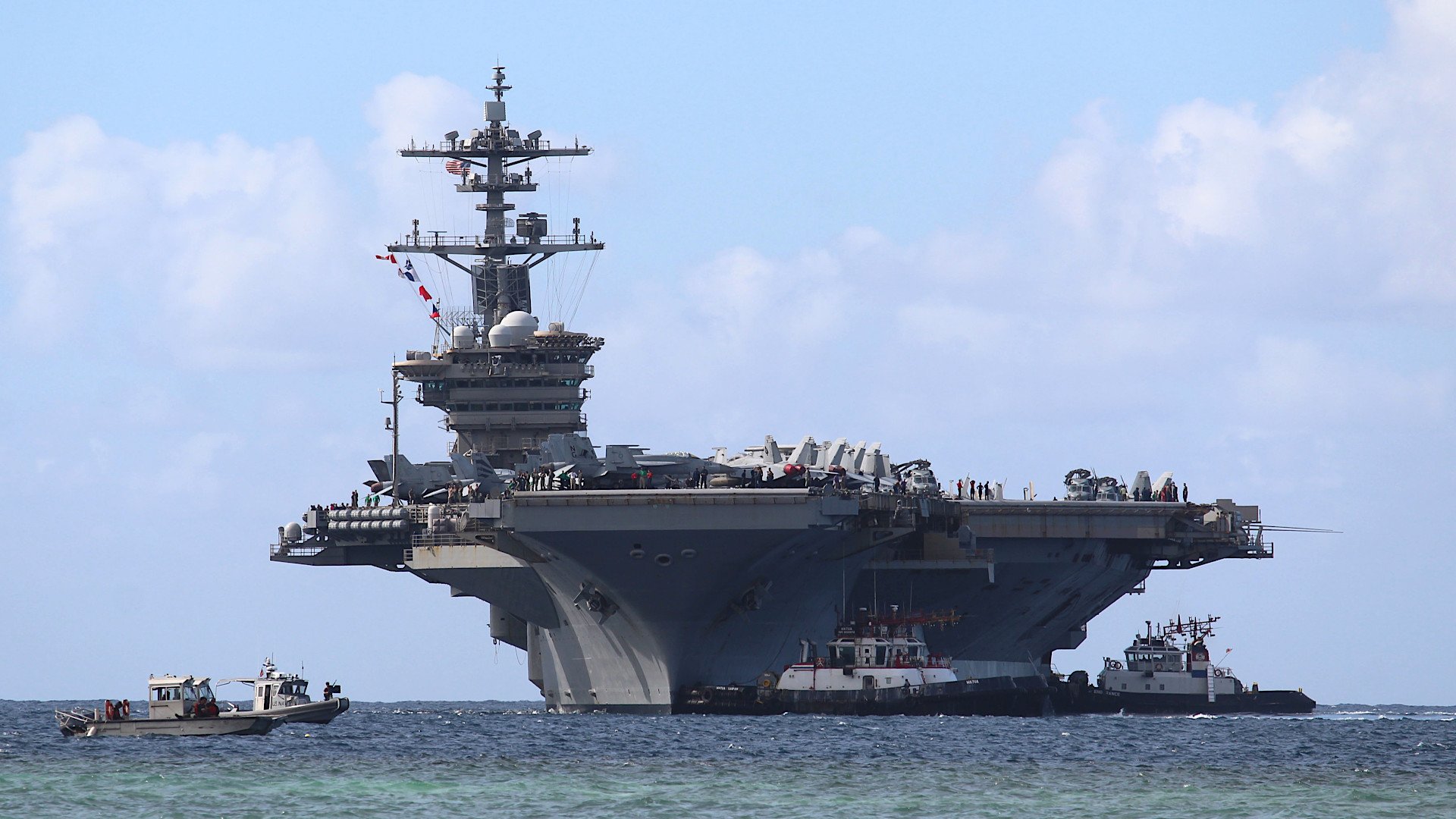
АНУ-ын Тэнгисийн цэргийн хүчний “Nimitz” ангиллын USS Abraham Lincoln хөлөг 210 хоногийн турш тасралтгүй үүрэг гүйцэтгэж, орчин үеийн нисэх онгоц тээгч хөлөг онгоцны түүхэн дэх хамгийн урт хугацааны далайн ажиллагааны амжилтыг тогтоолоо.
USS Abraham Lincoln хөлөг нь 2025 оны арваннэгдүгээр сарын 21-нд Сан Диегогийн тэнгисийн цэргийн баазаас хөдөлж, улмаар 2025 оны арванхоёрдугаар сарын 12-нд Гуамд богино хугацаанд зогссоны дараа Ойрх Дорнодын бүс нутаг руу чиглэжээ. Тус хөлөг нь “Operation Epic Fury” ажиллагаа болон Ираны эсрэг хэрэгжүүлж буй тэнгисийн бүслэлтэд голлох үүрэг гүйцэтгэж, Арабын тэнгисийн хойд хэсэгт байрлаж байна. Хөлгийн бүрэлдэхүүнд 5,000 гаруй цэрэг, далайчин багтаж байгаа бөгөөд F-35C сөнөөгч онгоцнууд бүхий агаарын хүч нь ажиллагааны гол цөм болж байна.
Ажиллагааны хүрээнд дагалдан яваа устгагч хөлгүүд Tomahawk пуужингуудыг ашиглан Ираны байгууламжуудад цохилт өгч, бүс нутаг дахь худалдааны хөлгүүдийг хамгаалах болон далайн бүслэлтийг хангах үүрэг гүйцэтгэжээ. АНУ болон Ираны хооронд зургаадугаар сарын 17-нд байгуулсан харилцан ойлголцлын санамж бичгийн хүрээнд цэргийн хүчийг татах асуудал хэлэлцэгдэж байгаа ч сүүлийн өдрүүдэд үүсээд буй сөргөлдөөн нь нөхцөл байдлыг тодорхойгүй болгож байна.
Өмнө нь 2020 онд USS Dwight D. Eisenhower хөлөг 206 хоног, 2002 онд USS Theodore Roosevelt хөлөг 160 хоног тус тус тасралтгүй далайд байрлаж байсан түүхтэй. Харин 2026 оны дөрөвдүгээр сард USS Gerald R. Ford хөлөг 326 хоногийн ажиллагаа явуулсан боловч тус хугацаанд олон удаа боомтод зогссон тул тасралтгүй үүрэг гүйцэтгэсэн хугацаагаараа ялгаатай юм. Одоогоор USS Abraham Lincoln хөлгийн багийнхан эх газар дээр хэзээ буух нь тодорхойгүй хэвээр байна.
Дэлгэрэнгүйг эх сурвалжаас харах
↓Эх сурвалжийг нээх ↓
The U.S. Navy’s Nimitz class aircraft carrier USS Abraham Lincoln has been underway for 210 straight days – well over half a year – in support of Operation Epic Fury and the subsequent blockade of Iran. This looks to be a record-setting milestone. Lincoln, the flagship of Carrier Strike Group 3 (CSG-3), is currently operating in Middle Eastern waters.
Abraham Lincoln, the fifth Nimitz class supercarrier and self-styled “most capable CSG in the fleet,” weighed anchor and departed Naval Base Guam on December 12, 2025, after a quick one-day port call. Port calls, or temporary visits to friendly countries, allow the crew to disembark for “liberty” – to step on solid ground – and break up the grueling, nonstop schedule experienced during deployments. However, the stop in Guam, a strategic U.S. territory in the Western Pacific, was so brief that much of the crew likely never went ashore.
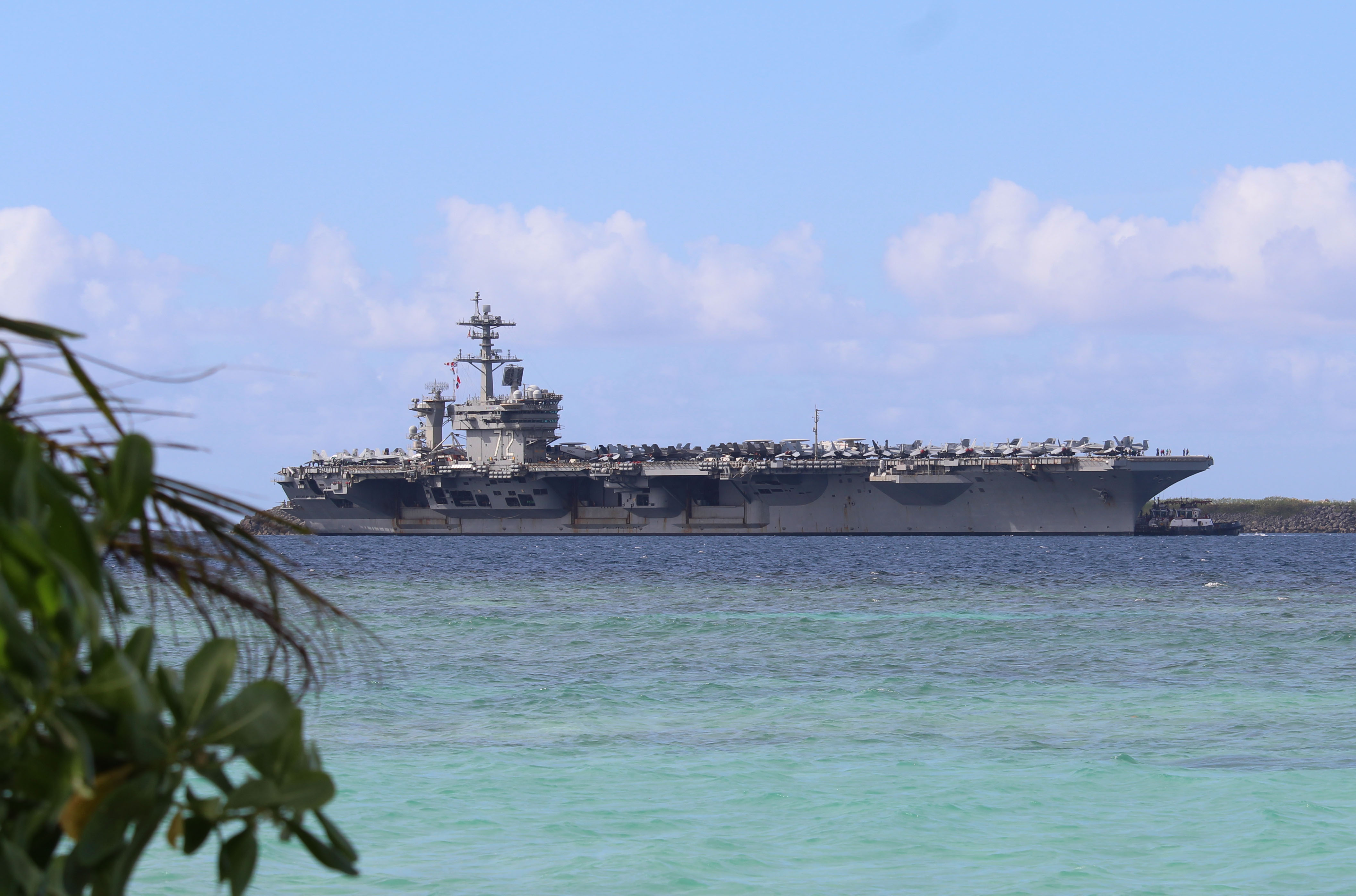
Lincoln and CSG-3, made up of more than 5,000 Sailors and Marines, quietly departed Naval Base San Diego three weeks earlier on November 21, 2025. At the time, the U.S. military buildup in the Caribbean was the focus of public attention, and Lincoln was expected to conduct a routine Pacific patrol. An Iran contingency was on the table following Operation Midnight Hammer, when B-2 bombers struck nuclear targets deep inside Iran, and Lincoln’s Composite Training Unit Exercise (COMPTUEX) included preparing for a fight in the Middle East. COMPTUEXs are weeks-long capstone training events for carrier strike groups that come right before they deploy.
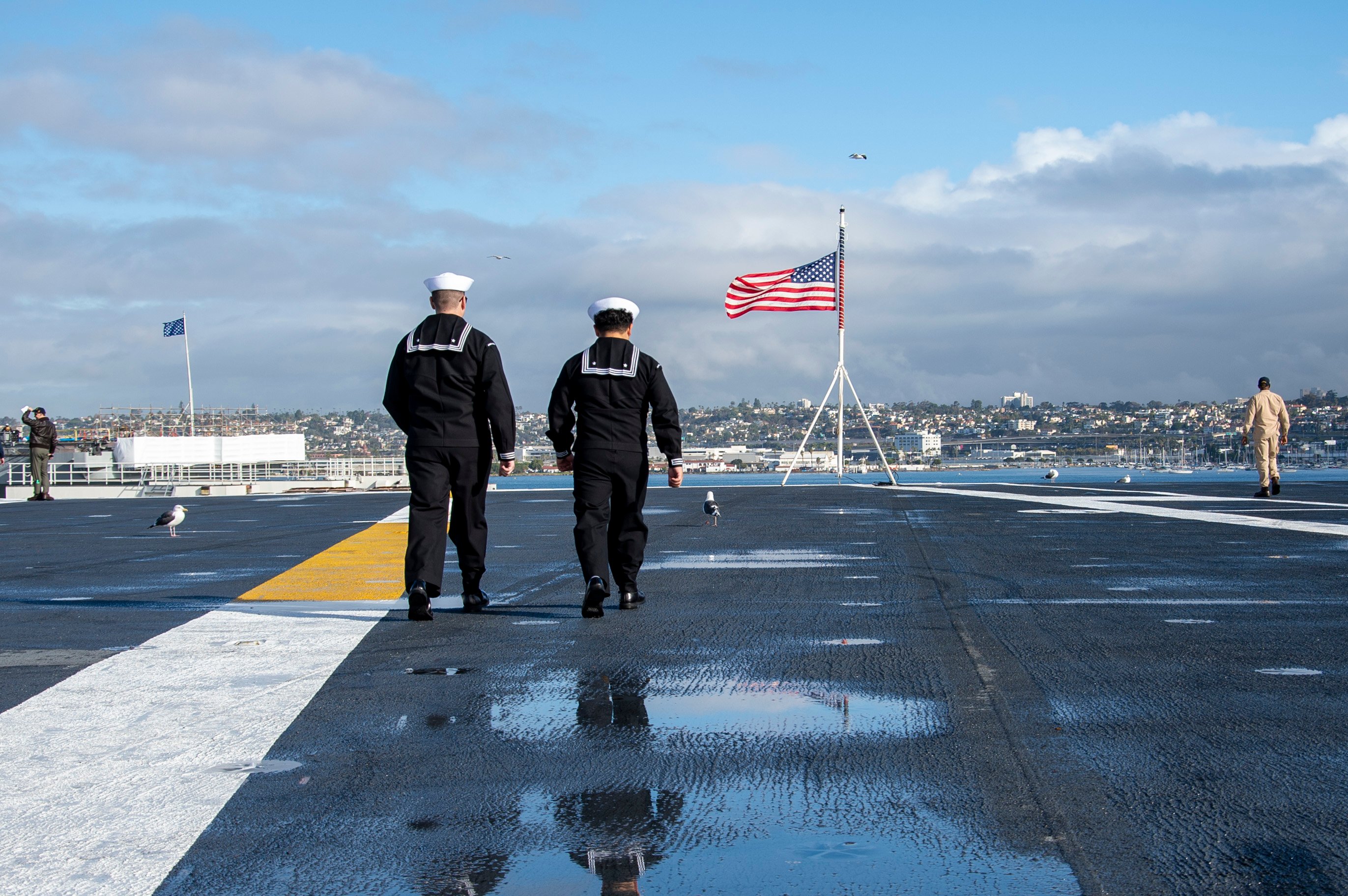
After leaving Guam, Lincoln conducted operations in the South China Sea before entering the Indian Ocean and arriving in the northern Arabian Sea in late January. Aircraft from Carrier Air Wing (CVW) 9 launched sorties in the opening salvo of Operation Epic Fury, and the CSG was instrumental in enforcing the naval blockade that followed. Since the Memorandum of Understanding (MOU) was signed on June 17, Lincoln has remained in the northern Arabian Sea, launching retaliatory strikes during the recent skirmishes.
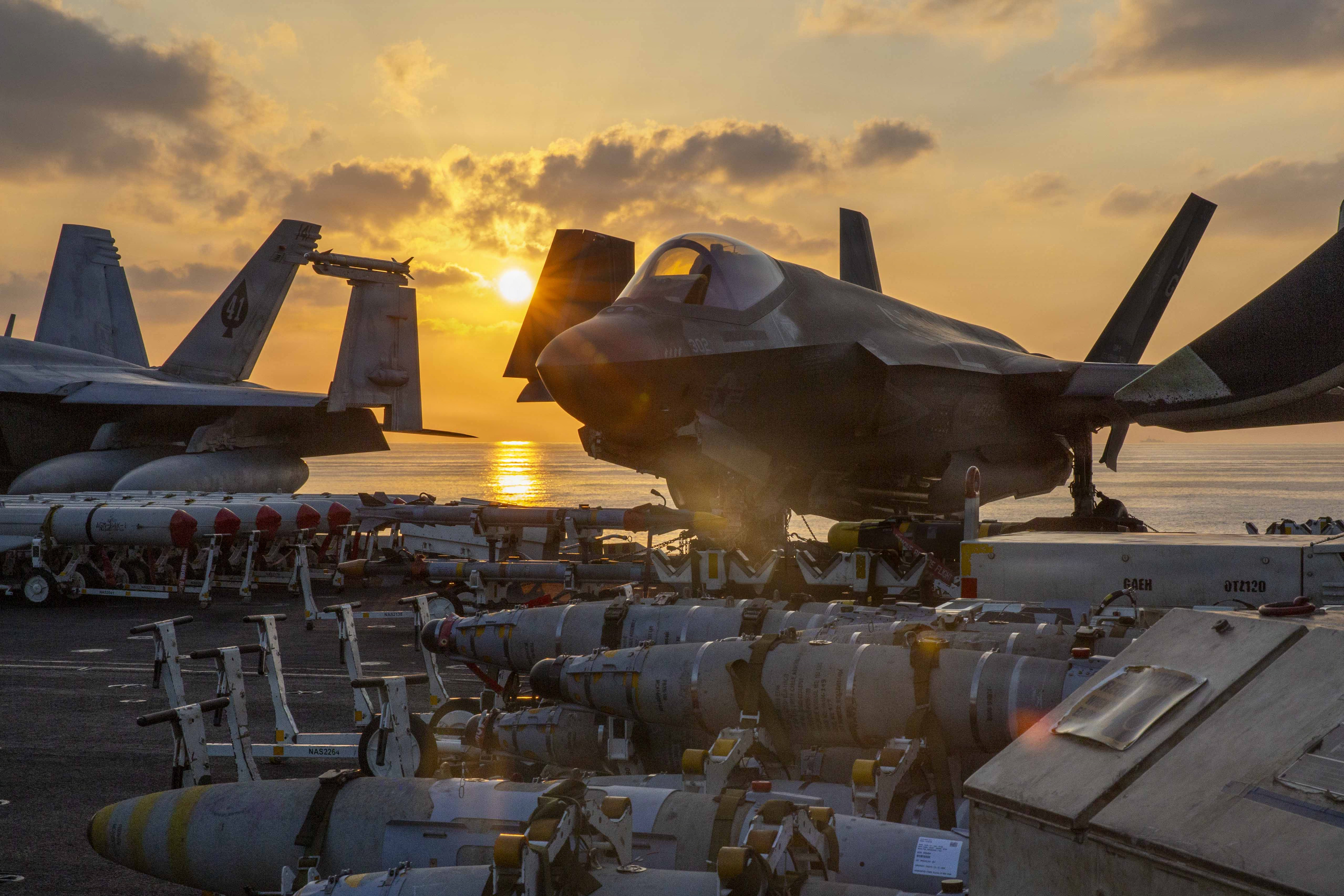
The CSG has been deployed for more than seven months now and would likely be among the first naval assets to rotate out of the theater if an agreement is reached between the U.S. and Iran. The details and scale of the drawdown of forces in the U.S. Central Command (CENTCOM) AOR, as per the MOU agreed to by American and Iranian officials last month, are to be determined within 30 days if a final deal is reached before the deadline in mid-August. A new spate of tit-for-tat strikes just this week has created serious uncertainty around future talks between Washington and Tehran. More than 20 U.S. Navy surface combatants are still operating in the region.
“We’ve officially claimed the title for most consecutive days at sea for any modern aircraft carrier,” Lt. Commander Alexis Travis, an officer currently serving aboard Lincoln, wrote on Instagram on June 16.
We have reached out to the Navy to confirm whether this is indeed a record-breaking achievement. However, we have not received a response as of the time of publication.
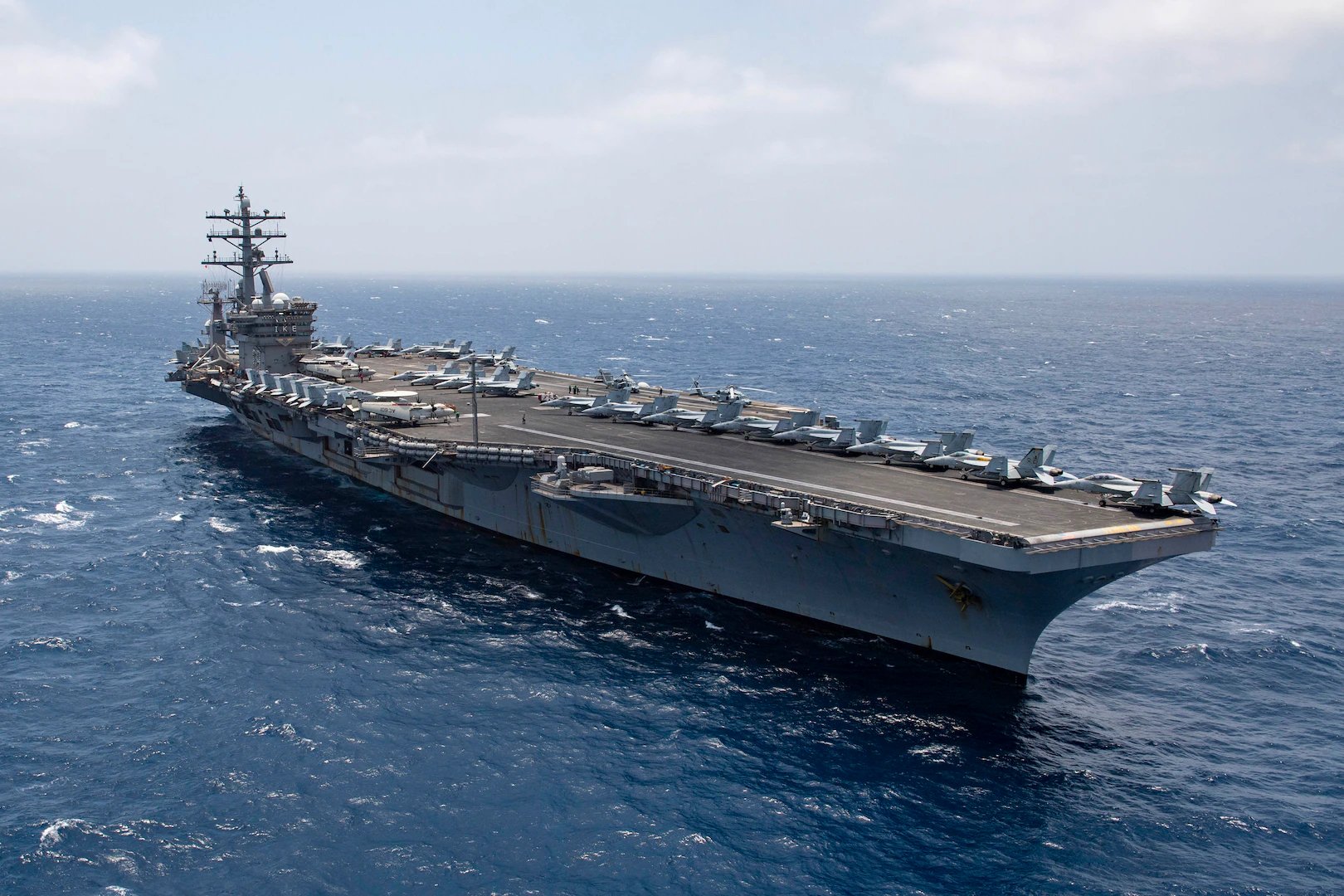
In June 2020, the U.S. Navy did announce that the Nimitz class carrier USS Dwight D. Eisenhower and the Ticonderoga class cruiser USS San Jacinto had set a new record after spending 161 days consecutively operating at sea. Eisenhower did not make a stop in port until the next month, having been at sea for 206 consecutive days in the end. This was, in part, due to the COVID-19 pandemic, when port access was severely limited due to quarantine restrictions. The carrier had left Norfolk in January 2020 for a deployment to the Middle East and launched combat sorties during Operation Freedom’s Sentinel in Afghanistan, returning home nearly seven months later without a single stop. Prior to that, USS Theodore Roosevelt held the record in 2002, supporting the post-9/11 response. Roosevelt left Norfolk in September 2001 to participate in Operation Enduring Freedom and spent 160 days at sea before anchoring in Bahrain for a reprieve in February the following year.
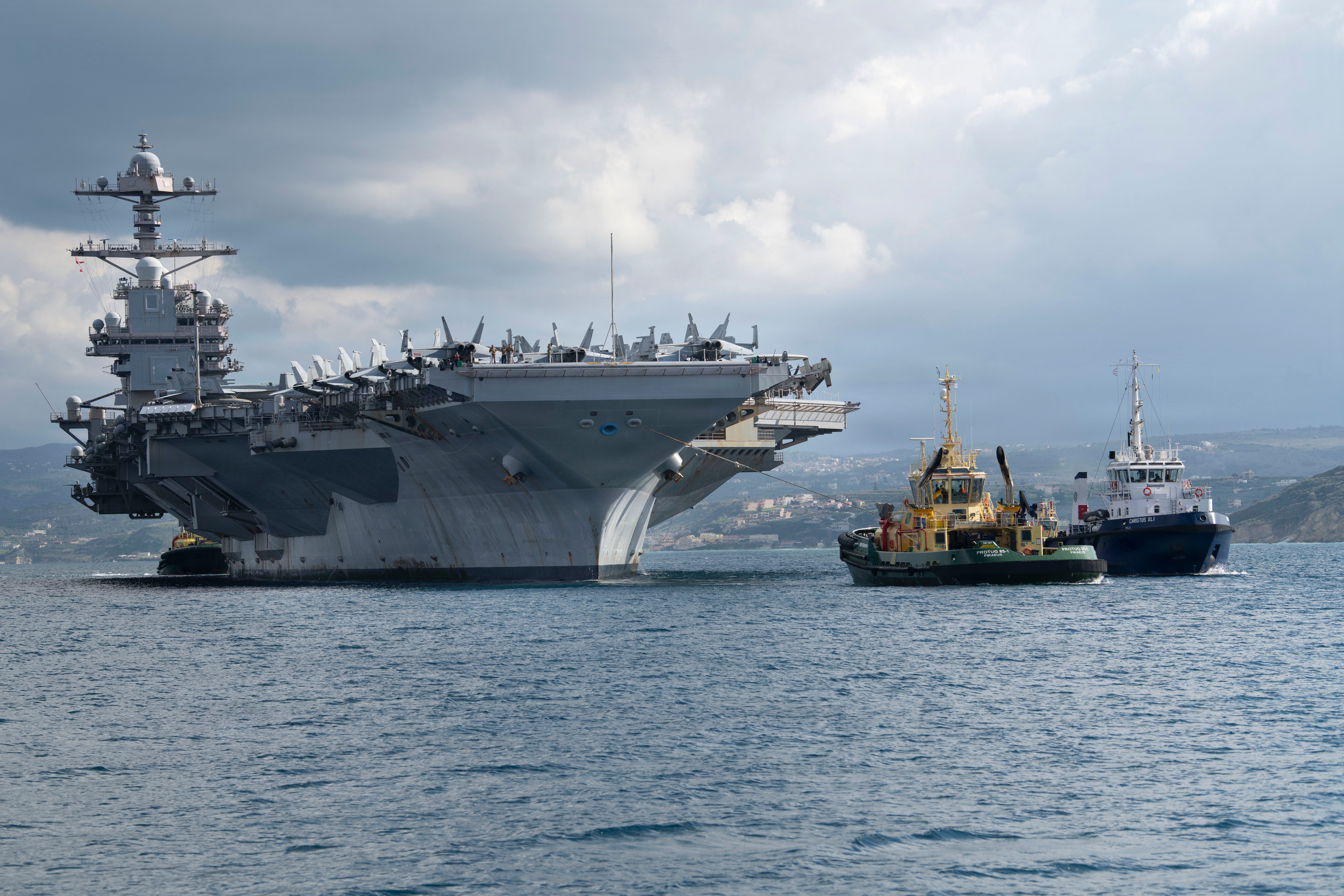
In April, USS Gerald R. Ford, the newest American carrier and largest in the world, logged the longest deployment on record at 326 days. Ford, while deployed for nearly eleven months, was operating primarily in the U.S. European Command-6th Fleet area of responsibility (AOR) and U.S. Southern Command-4th Fleet AOR, which is relatively friendly territory, and made at least nine port calls in Marseille, Oslo, Palma de Mallorca, Split, St. Thomas Island, and Souda Bay. Between port calls and stops to refuel and make emergent repairs, Ford averaged a visit to port every 36 days.
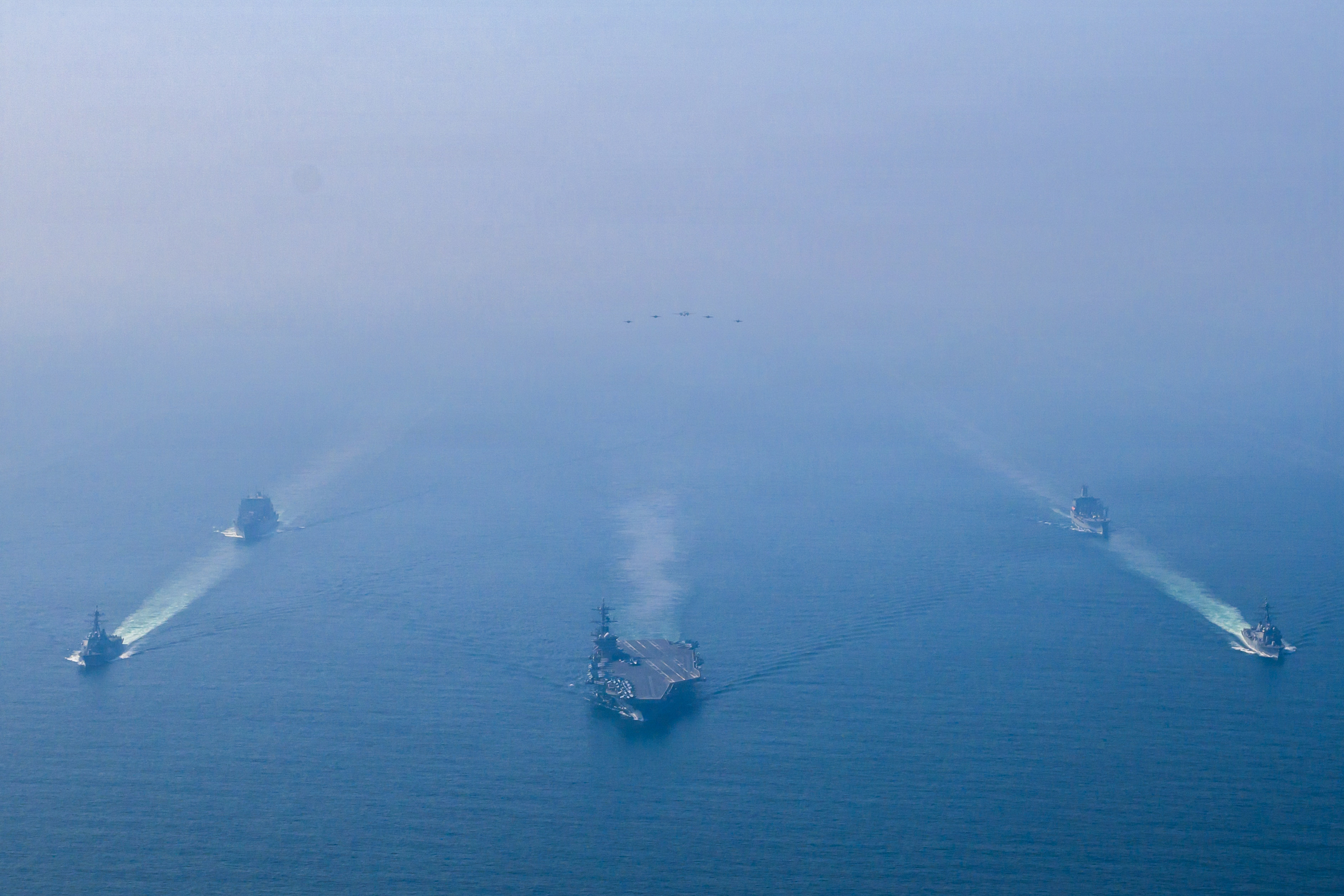
The group, which also includes guided-missile destroyers from Destroyer Squadron (DESRON) 21, served as the tip of the spear in Operation Epic Fury. DESRON 21 fired hundreds of Tomahawk Land Attack Missiles (TLAMs) against Iran, and provided defensive measures for the CSG, using Standard Missiles and other armaments to intercept incoming threats. The embarked “air wing of the future,” CVW 9, launched thousands of sorties and pressured Iran’s southern axis during the 40-day war, successfully escorted dozens of commercial ships through the contested Strait of Hormuz, and hunted and disabled Iranian-affiliated vessels attempting to run the blockade. The carrier’s air wing notably includes F-35C Joint Strike Fighters assigned to Marine Fighter Attack Squadron 314 (VMFA 314), giving it better penetrating capabilities. The CSG has proven its ability to blend and interoperate high, medium, and low-end naval and joint capabilities, for offensive and defensive purposes, as well as integrate across platforms, including manned and unmanned systems, conventional and unconventional, surface and subsurface, overt and covert, and more, during nonstop combat operations.
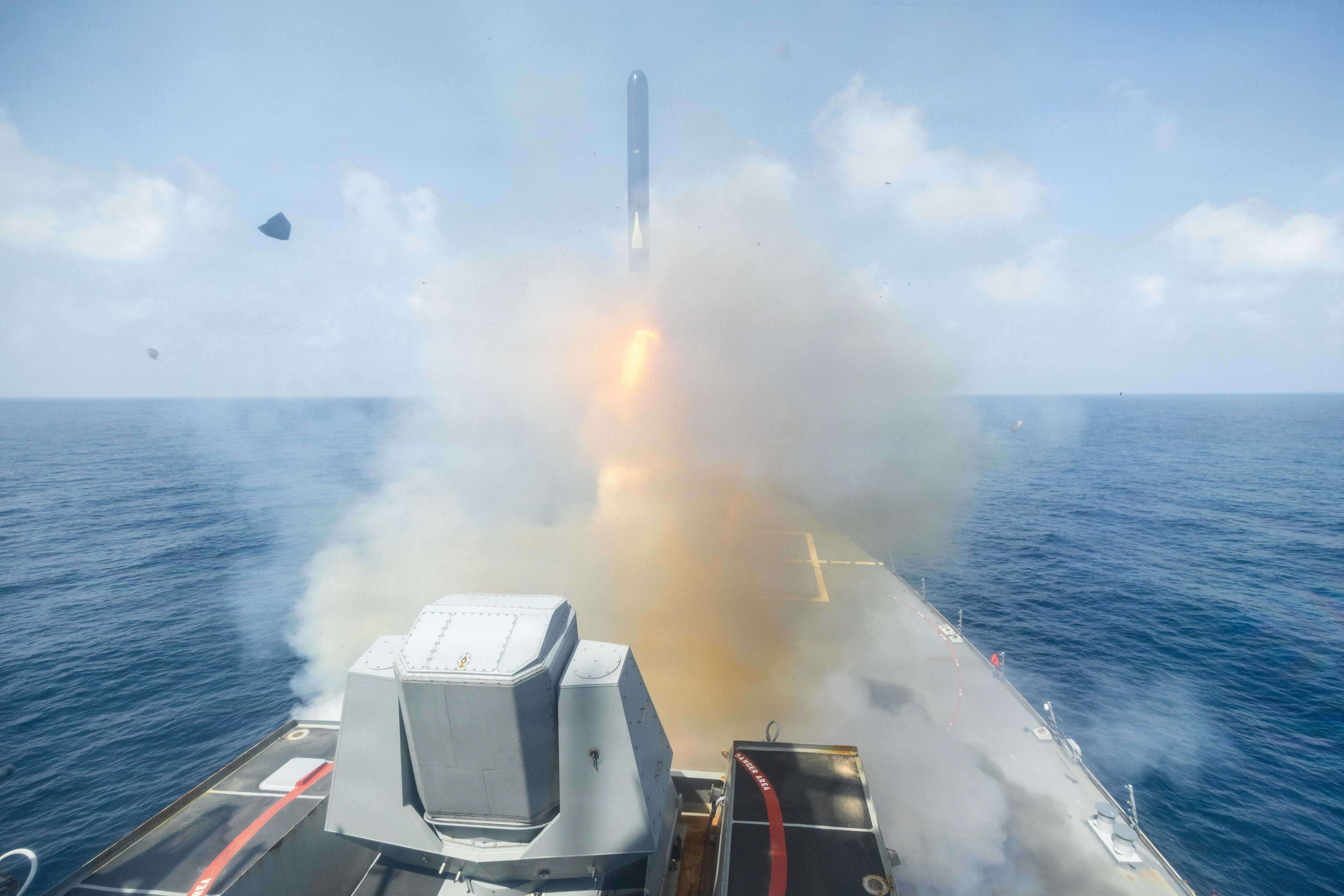
The destroyers escorting Lincoln were able to make port calls before the war began, but some have been at sea for over four months. USS Frank E. Petersen Jr., the Integrated Air and Missile Defense (IAMD) Commander, moored at Navy Terminal in the Port of Duqm, Oman, for two days in mid-February. USS Michael Murphy, the last destroyer to leave the Persian Gulf before the first shots were fired, docked in Dubai, UAE, from February 25-27, and left the day before the city was targeted in the initial waves of Iran’s counterattack. Satellite imagery reviewed by TWZ at the time showed Murphy’s precise location the day prior was targeted. USS Spruance, the only San Diego-based destroyer operating with CSG-3, deployed on the same day as Lincoln, and has been at sea for just as long, with one port call in December in Guam. Spruance was spotted firing a black TLAM on the first day of Epic Fury.
“Literally no one signed up for this,” Lt. Commander Travis also wrote on Instagram. “And yet here we are, still doing it safely and successfully. Just a strong group doing tough stuff, breaking records and then waking up and doing it again.”
When the crew serving tirelessly aboard Lincoln will next set foot on land is unknown, and with the fate of the U.S.-Iran MOU similarly uncertain, it may be some time.
Contact the author:ian.ellis-jones@teamrecurrent.io
The post Supercarrier USS Abraham Lincoln Passes 200 Consecutive Days At Sea Mark appeared first on TWZ.

