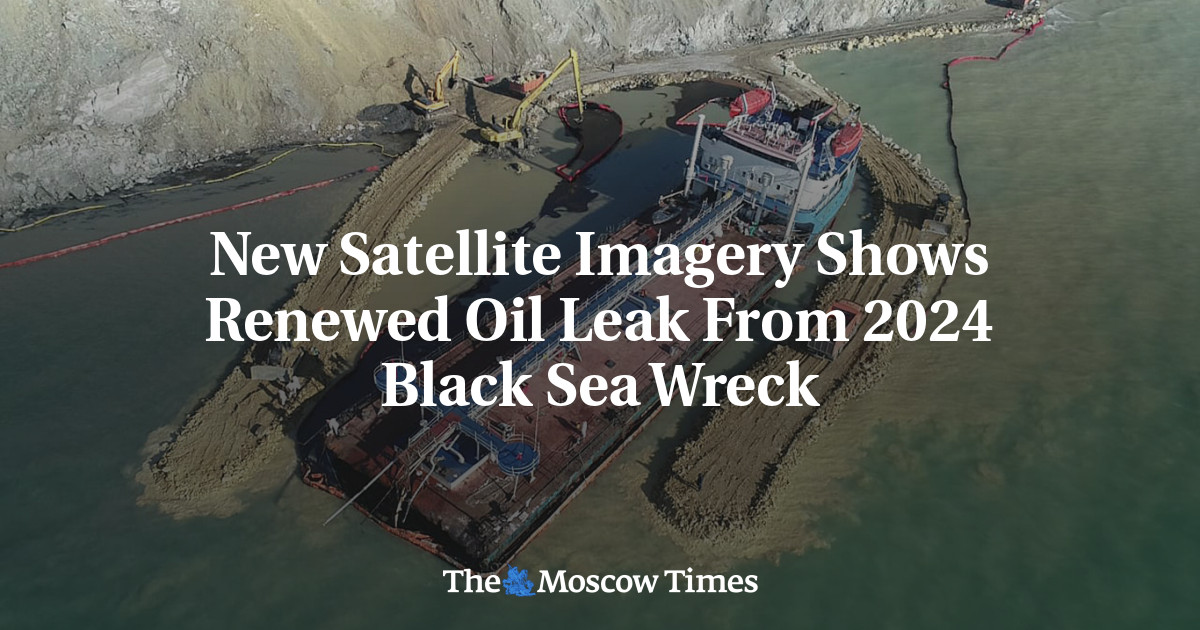
Хар тэнгисийн бүс нутагт 2024 оны 12 дугаар сард осолдсон танкеруудаас дахин газрын тос алдагдаж эхэлснийг хиймэл дагуулын зураг харууллаа.
“Sky Eye” нээлттэй эх сурвалжийн мониторингийн үйлчилгээний мэдээлснээр, долдугаар сарын 1 болон 6-ны өдрүүдийн радарын дүрслэлээр живсэн хөлгүүдийн ойролцоо тосон толбо үүссэн нь тогтоогджээ. 2024 оны 12 дугаар сард болсон ослын улмаас их хэмжээний мазут асгарч, бүс нутгийн экологид томоохон хохирол учирсан юм. Тухайн үед эрх баригчид үлдэгдэл түлшийг соруулах зорилгоор танкеруудыг металл саркофагаар бүрхсэн байв.
https://t.me/greensatru/218
Шинжээчдийн үзэж байгаагаар, усны температур нэмэгдсэний улмаас саркофаг доторх мазут халж тэлснээс эсвэл түлш соруулах ажиллагааны явцад бүтцийн завсраар алдагдал үүссэн байж болзошгүй байна. Байгаль орчны мэргэжилтнүүд энэхүү алдагдал зургаадугаар сараас эхэлсэн байх магадлалтай гэж үзэж байгаа бөгөөд одоогоор хэдэн арван килограмм мазут тэнгист алдагдсан байж болзошгүй гэсэн тооцоо гарчээ.
https://www.kuban.kp.ru/daily/27758/5205539/
Экологийн эрсдэл үргэлжилж байгаа хэдий ч Оросын эрх баригчид Краснодарын бүс нутагт аялал жуулчлалын улирлыг үргэлжлүүлэн явуулахаар төлөвлөж байна. Долдугаар сарын 3-ны байдлаар 75 далайн эргийг амрагчдыг хүлээн авахад бэлэн хэмээн зөвшөөрсөн бол дахин 11 эргийн аюулгүй байдлыг шалгаж байна.
https://www.themoscowtimes.com/2026/03/27/russian-government-aims-to-reopen-black-sea-beaches-by-june-after-oil-spill-cleanup-a92358
https://t.me/moscowtimes_ru/47465
Дэлгэрэнгүйг эх сурвалжаас харах
↓Эх сурвалжийг нээх ↓
Satellite imagery published this week shows a new oil slick near the site of the December 2024 spill along Russia’s southern Black Sea coast, according to monitoring services.
Slicks consistent with an oil film appeared near the sunken bow of one of the vessels in European radar and optical satellites on July 1 and July 6, Sky Eye, an open-source satellite monitoring service, said Thursday.
The original wreck released thousands of metric tons of heavy fuel, known as mazut, in what was described as the Black Sea region’s worst environmental disaster in decades. Authorities built metal sarcophagi over the tankers, roughly the size of a five-story building, to isolate and later pump out the remaining mazut.
Sky Eye experts suggested the renewed leak could be triggered by rising water temperatures that heat the trapped mazut, allowing lighter components to escape through structural gaps, or by ongoing operations to pump the remaining fuel out of the tankers.
Environmental expertstold the exiled outlet Agentstvo that the leak likely began before this week, even as early as June.They noted that fuel oil expands five times as much as water and steel when heated, which can force the substance out of the containment structure.
“It leaks, and leaks slowly. We just see it every once in a while,” said Yevgeny Simonov of the Ukraine War Environmental Consequences Work Group.
Environmentalist Igor Shkradyuk estimated that several dozen kilograms of mazut may have leaked into the Black Sea, based on the published satellite imagery.
Despite the ongoing leak, Russian authorities have vowed to press on with the 2026 tourist season in the southern Krasnodar region, which is home to vast stretches of beaches that are popular among Russian vacationers.
Officials have approved 75 beaches for reopening as of July 3, with 11 others undergoing review.
A Message from The Moscow Times:
Dear readers,
We are facing unprecedented challenges. Russia’s Prosecutor General’s Office has designated The Moscow Times as an “undesirable” organization, criminalizing our work and putting our staff at risk of prosecution. This follows our earlier unjust labeling as a “foreign agent.”
These actions are direct attempts to silence independent journalism in Russia. The authorities claim our work “discredits the decisions of the Russian leadership.” We see things differently: we strive to provide accurate, unbiased reporting on Russia.
We, the journalists of The Moscow Times, refuse to be silenced. But to continue our work, we need your help.
Your support, no matter how small, makes a world of difference. If you can, please support us monthly starting from just $2. It’s quick to set up, and every contribution makes a significant impact.
By supporting The Moscow Times, you’re defending open, independent journalism in the face of repression. Thank you for standing with us.
Continue
Not ready to support today?
Remind me later.
×
Remind me next month
Thank you! Your reminder is set.
We will send you one reminder email a month from now. For details on the personal data we collect and how it is used, please see our Privacy Policy.

