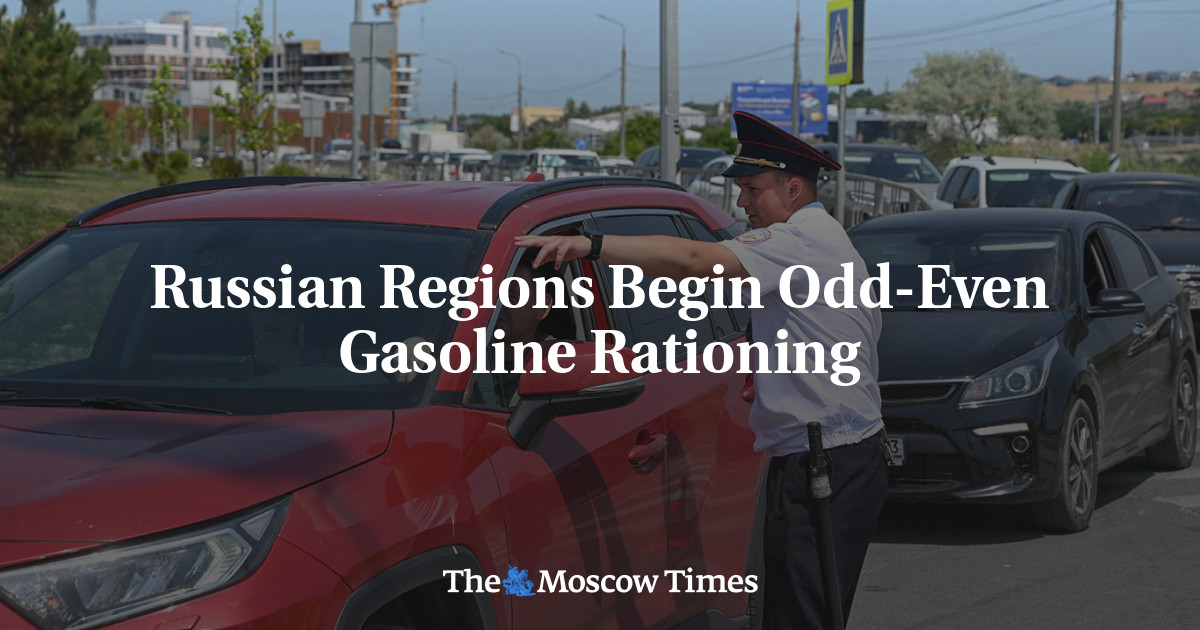
Украины нисгэгчгүй онгоцны цохилтын улмаас газрын тос боловсруулах үйлдвэрүүдийн үйл ажиллагаа доголдож, ОХУ-ын хэд хэдэн бүс нутагт шатахууны хомсдол үүсээд байна.
Оросын хэд хэдэн бүс нутагт автомашины улсын дугаарын сүүлчийн оронгоос хамааран шатахуун худалдан авах хязгаарлалтын систем нэвтрүүлээд байна. Тухайлбал, сондгой дугаартай автомашинууд сарын сондгой өдрүүдэд, тэгш дугаартай автомашинууд тэгш өдрүүдэд шатахуун авах журам үйлчилж эхэлжээ. Энэхүү зохицуулалтыг анх Орёл мужид хэрэгжүүлж эхэлсэн бол одоогоор Доод Новгород, Мордови, Астрахань, Псков, Липецк, Киров зэрэг зургаан бүс нутагт мөрдөж байна.
Эх сурвалжуудын мэдээлснээр, Иванов, Тамбов, Ярославль мужууд ч мөн адил хязгаарлалт тогтоох асуудлыг хэлэлцэж байгаа аж. Хавар эхэлсэн Украины нисгэгчгүй онгоцны цохилтууд Оросын томоохон газрын тос боловсруулах үйлдвэрүүдийн хүчин чадлыг бууруулж, улс даяар шатахууны нийлүүлэлтийн хямралыг бий болгосон юм.
ОХУ-ын Ерөнхийлөгч Владимир Путин өнгөрсөн зургаадугаар сард шатахууны нийлүүлэлтийн тодорхой хэмжээний хомсдол үүссэнийг хүлээн зөвшөөрсөн билээ. Энэхүү хямралыг даван туулахын тулд Оросын эрх баригчид дизель түлш, бензин, тийрэлтэт онгоцны түлшний экспортод түр хугацаагаар хориг тавьж, Беларусь болон Энэтхэг зэрэг орноос импорт хийж эхэлсэн байна.
Салбарын шинжээчдийн таамаглаж байгаагаар, газрын тос боловсруулах үйлдвэрүүдийн үйл ажиллагаа хэвийн үргэлжлэх тусам энэ сарын сүүлээр шатахууны нийлүүлэлт сайжрах төлөвтэй байна. Гэсэн хэдий ч Украины зүгээс эрчим хүчний дэд бүтцэд хийж буй цохилтууд нь нөхцөл байдлыг улам хүндрүүлж болзошгүй гэж үзэж байна.
Дэлгэрэнгүйг эх сурвалжаас харах
↓Эх сурвалжийг нээх ↓
At least six Russian regions have rolled out an odd-even gasoline purchase plan as long lines of motorists continue to inundate gas stations amid nationwide fuel shortages caused by Ukrainian drone attacks on oil refineries.
The central Oryol region was the first to introduce the license plate-based rationing scheme last month to cope with the growing fuel crunch.
Drivers with license plates starting with an odd digit are allowed to buy gasoline on odd-numbered days of the month. Those with license plates starting with an even digit — with zero considered an even number — are restricted to even-numbered days.
On Thursday, the Nizhny Novgorod region, the republic of Mordovia and the city of Astrakhan adopted the same odd-even rules, according to a tally by the exiled news outlet Meduza. The Pskov region joined the system on Friday, followed by the Lipetsk and Kirov regions, where the restrictions take effect on Saturday.
Reports indicate the Ivanovo, Tambov and Yaroslavl regions are also weighing similar rules.
Since the spring, Ukraine has targeted most of Russia’s oil refineries with drones as it seeks to increase the costs of the Kremlin’s full-scale invasion and disrupt daily life for Russians.Drone strikes have halted or scaled back production at facilities that account for a large share of Russia’s gasoline output, leading to fuel shortages across the country and rising prices.
In June,President Vladimir Putinacknowledgedthat Russia is facing a “certain shortage” of fuel due to Ukrainian attacks.
Russia has introduced temporary export bans fordiesel, gasoline and jet fuel to address the crisis. It has also started importing gasoline from abroad, including from Belarus and India.
Industry sources told Reuters that they expect the supply problems inRussia’s domestic fuel market to improve later in July as refineries resume operations and fuel imports increase. However, further Ukrainian attacks on energy infrastructure could exacerbate problems.
A Message from The Moscow Times:
Dear readers,
We are facing unprecedented challenges. Russia’s Prosecutor General’s Office has designated The Moscow Times as an “undesirable” organization, criminalizing our work and putting our staff at risk of prosecution. This follows our earlier unjust labeling as a “foreign agent.”
These actions are direct attempts to silence independent journalism in Russia. The authorities claim our work “discredits the decisions of the Russian leadership.” We see things differently: we strive to provide accurate, unbiased reporting on Russia.
We, the journalists of The Moscow Times, refuse to be silenced. But to continue our work, we need your help.
Your support, no matter how small, makes a world of difference. If you can, please support us monthly starting from just $2. It’s quick to set up, and every contribution makes a significant impact.
By supporting The Moscow Times, you’re defending open, independent journalism in the face of repression. Thank you for standing with us.
Continue
Not ready to support today?
Remind me later.
×
Remind me next month
Thank you! Your reminder is set.
We will send you one reminder email a month from now. For details on the personal data we collect and how it is used, please see our Privacy Policy.

