
АНУ-ын Флорида муж улс өндөр настай хоригдлуудыг цаазаар авах ажиллагааг үргэлжлүүлж байгаа нь тус улсад цаазын ялын ёс зүйн талаарх маргааныг дахин хурцатгалаа.
Флорида муж улс энэ сард 80 настай нэг хоригдол болон бусад өндөр настай хүмүүст оногдуулсан цаазын ялыг гүйцэтгэхээр бэлтгэж байна. Зургаадугаар сарын 25-нд 74 настай Дасти Рэй Спенсерт цаазын ял оногдуулсан нь тус муж улсын түүхэн дэх хамгийн өндөр настай хоригдлыг цаазалсан тохиолдол болсон юм. Өдгөө 74 настай Деннис Сочор, 80 настай Доминик Энтони Оччиконе нарыг энэ сард багтаан цаазаар авахаар төлөвлөж байгаа бөгөөд Оччиконе нь АНУ-д цаазлуулсан хоёр дахь хамгийн өндөр настай хоригдол болох магадлалтай байна.
Цаазын ялын эсрэг байр суурьтай шашны төлөөлөгчид болон хүний эрхийн байгууллагууд өндөр настай, биеийн байдал сул дорой хоригдлуудыг цаазлах нь хэрцгий үйлдэл гэж шүүмжилж байна. Харин хохирогчдын ар гэрийнхний зарим нь олон арван жил хүлээсэн шударга ёс тогтож байгаад сэтгэл хангалуун байгаагаа илэрхийлжээ. Хуулийн мэргэжилтнүүдийн үзэж буйгаар, АНУ-д цаазын ял гүйцэтгэхээс өмнөх давж заалдах шатны урт хугацааны үйл явц нь хоригдлуудыг өндөр насалсны дараа цаазлах нөхцөлийг бүрдүүлж байна.
Флорида муж улсын захирагч Рон ДеСантис хохирогчдын гэр бүлд шударга ёсыг хүргэх нь чухал болохыг онцолж, 2025 онд 19 хоригдлын цаазын ялыг гүйцэтгэсэн нь 1976 оноос хойшхи хамгийн өндөр үзүүлэлт болжээ. Тус муж улсад 242 хоригдол цаазын ялын эгнээнд байгаа бөгөөд тэдний тал орчим хувь нь давж заалдах эрхээ дуусгасан тул захирагчийн шийдвэрээр хэдийд ч цаазлагдах боломжтой байна. Одоогийн байдлаар нас ахисан гэдэг шалтгаанаар цаазын ялаас чөлөөлөгдөх хууль эрх зүйн үндэслэл байхгүй тул эрүүл мэндийн хүндрэлтэй хоригдлуудын хувьд ч цаазын ялыг хэвээр үргэлжлүүлсээр байна.
Дэлгэрэнгүйг эх сурвалжаас харах
↓Эх сурвалжийг нээх ↓
Florida is preparing to execute two of its oldest death row inmates this month, following the recent execution of a 74-year-old man, the state’s oldest in modern history. This series of impending executions underscores a national trend: an increasingly aging death-row population, prompting renewed debate over the ethics of capital punishment.
One man, convicted of killing his ex-girlfriend’s parents in 1986, is 80 years old and, if executed in July, would become only the second known octogenarian to be put to death in the U.S. For some, these cases reignite questions about the humanity of administering capital punishment to individuals who may soon die of natural causes. For others, they highlight how lengthy appeals, designed to safeguard constitutional protections and prevent wrongful executions, can also prolong the path to justice.
“Is this intentional, as though to say, we’re not going to let a natural death help you escape executions?” asked the Rev. Dustin Feddon, a Catholic priest who has ministered to Florida death row inmates since 2013. Noting the church’s opposition to capital punishment, he added: “To execute those that are the most frail and elderly is even more cruel and unusual.”
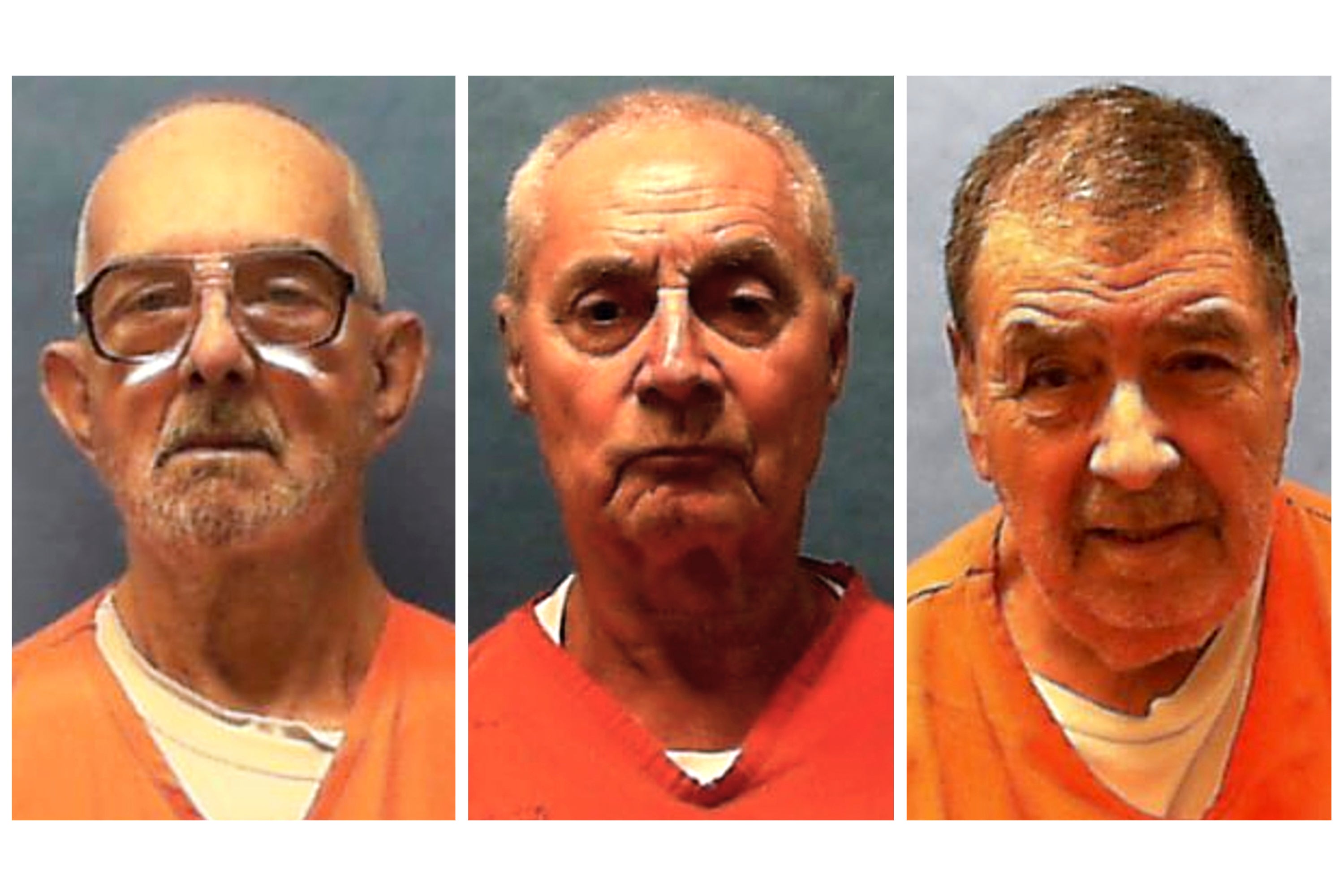
However, Marilyn Gifford, whose sister’s killer is scheduled for execution this week, views the situation differently. “I’m just happy it’s ever happening in our lifetime,” she said. “I wish my mother was alive to see it.”
These death warrants often follow decades spent on death row. On June 25, Dusty Ray Spencer, 74, convicted of fatally stabbing his wife in 1992, became the oldest person executed in Florida in modern history. The U.S. Supreme Court rejected his appeal, which argued that his liver disease would make lethal injection excruciatingly painful.
Dennis Sochor, also 74, convicted of killing 18-year-old Patricia Gifford in 1982, is scheduled for execution this Tuesday. Marilyn Gifford and her family plan to be present. Dominick Anthony Occhicone, 80, has spent nearly four decades on death row after being sentenced for the murders of his ex-girlfriend’s parents.
He is scheduled to die on July 28 and would become the second oldest prisoner known to be executed in the U.S., after 83-year-old Walter Moody Jr., who was executed in Alabama in 2018. Currently, three inmates older than Occhicone remain on Florida’s death row.

The scheduling of executions in Florida rests almost entirely with the governor, a contrast to many other death penalty states where courts typically make such decisions. Maria DeLiberato, legal director of Floridians for Alternatives to the Death Penalty, noted this unique aspect of Florida law.
Approximately half of Florida’s 242 death row inmates have exhausted their appeals, making them eligible for a death warrant at any time. Governor Ron DeSantis’s office did not respond to a request for comment. He oversaw a record 19 executions in 2025, more than any other Florida governor since the death penalty was reinstated in 1976.
The state has executed nine inmates so far this year. Last year, DeSantis stated his goal is to bring justice to victims’ families who have waited for decades, remarking, “Some of these crimes were committed in the ’80s. Justice delayed is justice denied.”
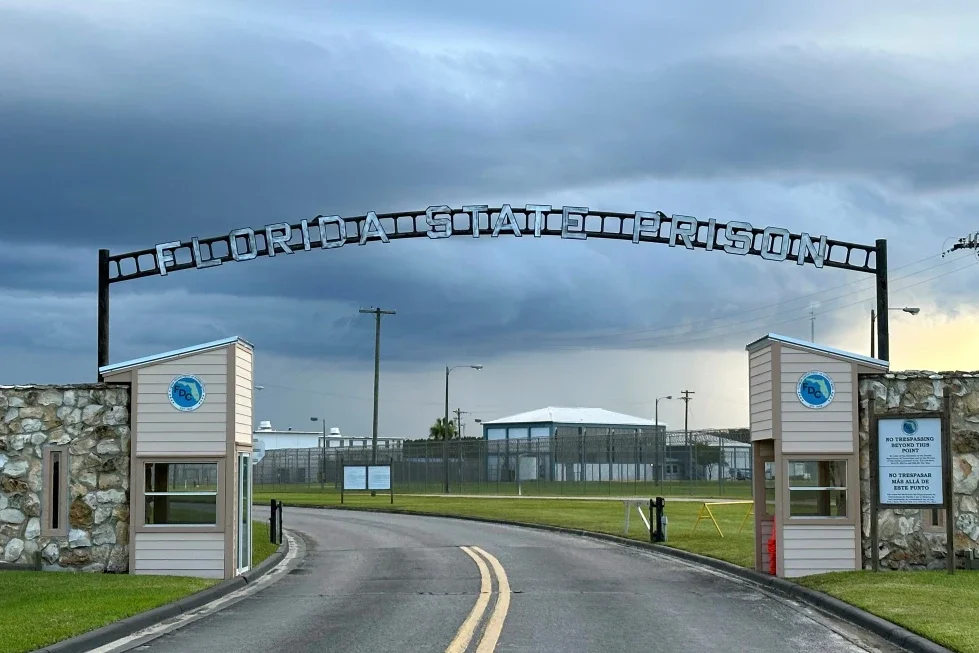
The average age of inmates executed in the U.S. has steadily risen from the 30s to the 50s over the past half-century, according to the Death Penalty Information Center. While some committed capital offenses later in life, the primary reason for this increase is the lengthy appeals process and mandatory reviews, which often result in inmates spending decades on death row. This extended incarceration can lead to the development of medical conditions that complicate execution efforts.
Occhicone, for instance, suffers from several age-related ailments, including kidney and prostate problems, and requires assistance with daily tasks, according to his attorneys. While Supreme Court precedent prohibits the execution of individuals who were under 18 at the time of their crimes, advanced age alone does not provide a legal basis for avoiding execution, explained Gerod Hooper, an attorney with Florida’s Capital Collateral Regional Counsel.
“You’d have to say it’s unconstitutional to execute this 80-year-old because he’s mentally deficient, he doesn’t have capacity to be executed,” Hooper said. “Or because of some underlying medical condition, the drug cocktail they inject would cause undue pain and suffering.” Inmates with dementia in Utah and Alabama have avoided execution and later died of natural causes, while an inmate in Idaho received a stay due to cancer and other health issues, though state officials continue to pursue his execution.
Frank Frandel, a family friend of Patricia Gifford, expressed no sympathy for Sochor’s advanced age, noting that Sochor’s father will turn 99 this year. “He could live another 20 years,” Frandel said. “So no, I don’t feel sorry for him being at that age.”



