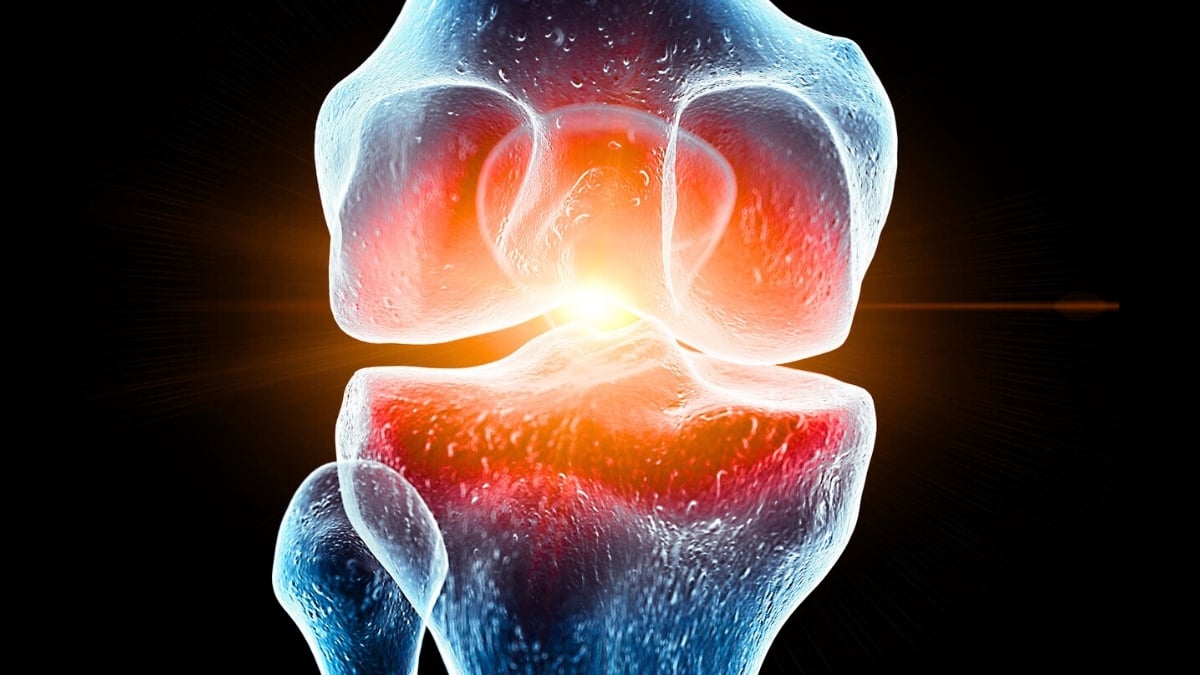
Каемпферол нэгдэл нь сансрын нислэгийн нөхцөлд мөгөөрсөн эдийн гэмтлийг бууруулахад тус дэм болж болохыг эрдэмтэд судалж байна.
Сансрын нислэгийн таталцлын хүчгүй орчин нь хүний бие махбодод, ялангуяа ачаалал авдаг өвдөгний үений мөгөөрсөн эдэд сөрөг нөлөө үзүүлдэг болохыг Питтсбургийн их сургуулийн судлаачид тогтоожээ. Олон улсын сансрын станц (ISS)-д хугацаа өнгөрүүлсэн болон сансрын нислэгийн нөхцөлийг дуурайлган бүрдүүлсэн туршилтад орсон хулгануудын мөгөөрсөн эд гэмтэж, үрэвслийн шинж тэмдэг илэрсэн байна. Энэхүү үйл явцад NOX4 уураг гол үүрэг гүйцэтгэж, эсийн митохондрийн үйл ажиллагааг алдагдуулдаг болохыг судалгааны баг илрүүлжээ.
Судлаачид ургамлын гаралтай каемпферол нэгдлийг ашиглан уг гэмтлийг багасгах боломжийг судалсан байна. Туршилтад хамрагдсан хулгануудад каемпферол өгөхөд мөгөөрсөн эдийн элэгдэл багасч, митохондрийн үйл ажиллагаа харьцангуй сайн хадгалагджээ. Энэхүү нэгдэл нь NOX4 уурагтай холбогдож, түүний идэвхжлийг бууруулснаар исэлдэлтийн стрессийг багасгадаг байна.
Advanced Science сэтгүүлд нийтлэгдсэн энэхүү судалгаа нь сансрын нислэгийн үеэр мөгөөрсөн эдийг хамгаалах боломжит аргыг санал болгож байна. Гэсэн хэдий ч энэ нь одоогоор хулгана дээр хийсэн эхэн үеийн судалгаа бөгөөд каемпферол агуулсан хүнс хэрэглэх нь шууд эмчилгээ болох эсэх нь тодорхойгүй юм. Судалгааны үр дүн нь сансрын нисгэгчдийн эрүүл мэндээс гадна дэлхий дээр сая сая хүнд тохиолддог өвдөгний үений үрэвсэл буюу остеоартрит өвчнийг ойлгох, эмчлэхэд чухал ач холбогдолтой байж болзошгүй байна.
Дэлгэрэнгүйг эх сурвалжаас харах
↓Эх сурвалжийг нээх ↓
Spaceflight is rough on the mammalian body.
Fluids redistribute in surprising ways, heavy-duty protective equipment can cause physical damage, and, without the constant strain of fighting against gravity, tissues like muscle and bone degrade relatively quickly.
Most of these changes gradually improve once astronauts return to Earth. But one potential consequence of spaceflight is especially concerning.
Mice flown on the International Space Station experience degradation of the cartilage that cushions the bone in load-bearing knee joints. Joint cartilage has a limited ability to repair itself.
Scientists now think they may have found a possible countermeasure.
Mice treated with a plant compound called kaempferol before and during simulated spaceflight conditions experienced less severe cartilage degradation than untreated mice.
The study also identified a key molecular pathway behind the damage, revealing that a protein called NOX4 drives mitochondrial dysfunction in cartilage cells.
The discovery could also help scientists better understand knee osteoarthritis, a common disease in which the cartilage cushioning the joint gradually wears away over time.
The effects of spaceflight on human cartilage are poorly understood, and cartilage is not widely monitored or protected.
As a 2022 review of current research on joint cartilage and spaceflight noted, astronauts have shown elevated levels of a biomarker associated with cartilage breakdown.
When combined with research on rodents, those findings raise concerns that long-duration spaceflight could increase the risk of knee osteoarthritis.
A team led by researchers at the University of Pittsburgh wanted to know more about how cartilage damage might affect human spaceflight, particularly in long-duration missions such as a jaunt to Mars.
“In this study,” they wrote in a paper published in Advanced Science, “we hypothesized that exposure to spaceflight conditions induces mitochondrial dysfunction and cartilage degradation, and that preserving mitochondrial function protects against cartilage loss.”
For ethical reasons, we can’t really put humans upside down in a box and bombard them with radiation, so the researchers opted to conduct their research on mice instead.
The study involved several groups of mice.
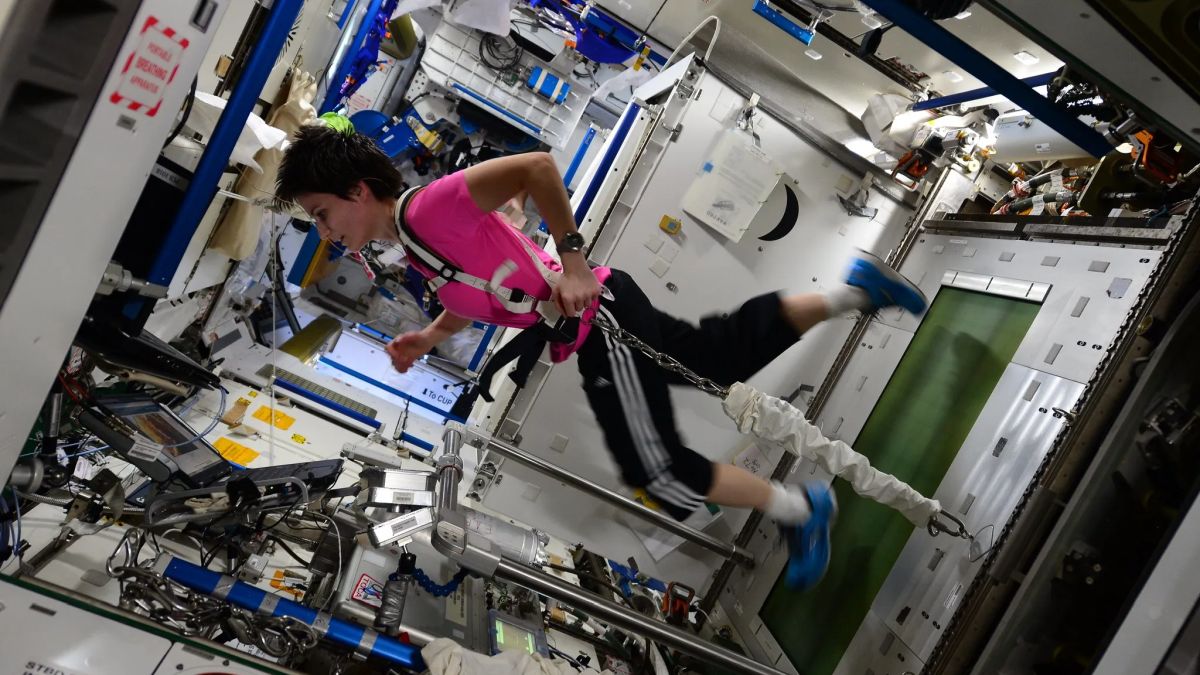
First, the researchers examined mice that had spent 60 days on the ISS and compared them with mice that had remained here on Earth in similar conditions, receiving the same care and diet but without exposure to microgravity or the space environment.
They also kept mice in a ground-based simulation of spaceflight – enclosures in which the hind legs of the mice were elevated to mimic microgravity, while they were exposed to a laboratory-generated radiation mix designed to simulate galactic cosmic rays.
Compared with the control mice, both the mice on the ISS and the mice in the simulated conditions showed signs of cartilage damage.
The next step was to identify why the damage was occurring.
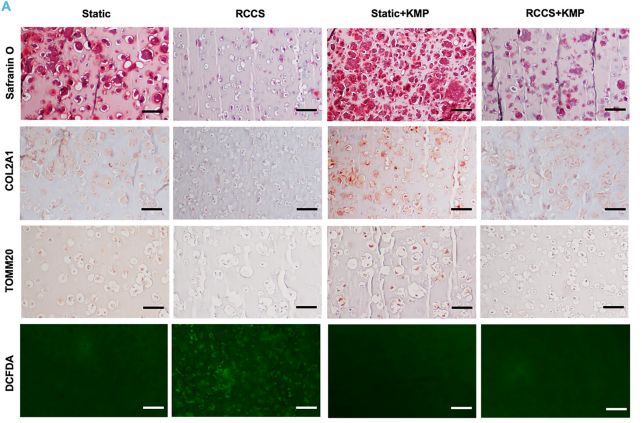
The researchers cultivated human cartilage from stem cells (isolated from femoral heads) and placed it in a rotating bioreactor to mimic microgravity, but without radiation.
The results of this test showed that microgravity puts the cartilage under stress. It produced higher levels of inflammatory markers and damaging reactive oxygen molecules, showed signs of cellular aging, and lost mitochondrial energy, along with several other characteristics of healthy cartilage.
The researchers traced these changes to NOX4, a protein that promotes oxidative stress and mitochondrial dysfunction.
The final step was to introduce a compound called kaempferol.
This is a natural flavonol found in many plants that we eat, such as dark leafy greens, tea, beans, berries, and other fruits and vegetables. It can bind to NOX4 and reduce its activity.
Previous research has shown that kaempferol reduces oxidative stress and mitochondrial damage. Crucially, research in rats has shown that it can also slow the progression of knee osteoarthritis.
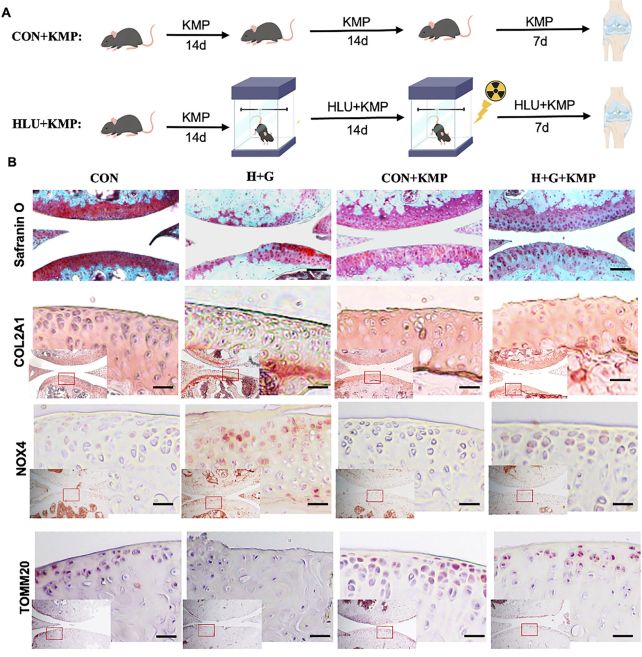
When mice in simulated spaceflight conditions were treated with oral kaempferol, the difference was notable.
They had less cartilage loss, healthier mitochondria, less inflammation, and lower levels of harmful reactive oxygen molecules.
The damage wasn’t completely prevented, but it was significantly less severe than the damage experienced by untreated mice.
This is still a very early-stage study with some significant limitations.
It was conducted on mice, not humans, and although the researchers examined mice that had spent time aboard the ISS, the protective effects of kaempferol were tested only in ground-based simulations of spaceflight, not during an actual mission.

It also tested a purified kaempferol preparation at a carefully controlled dose, so the findings cannot be taken to mean kaempferol-rich food would prevent knee problems.
Related: Genetically Engineered Beefcake Mice Retain Their Muscle Mass in Space
However, it does offer some really promising avenues for further research.
The team identified a mitochondrial mechanism behind the degradation of knee cartilage during spaceflight, and they found a promising way to slow that process.
And, because the same mechanism is involved in knee osteoarthritis, the finding may also help scientists working to improve the lives of the hundreds of millions of people around the world affected by the degenerative condition.
And if you want to eat more spinach anyway… well, there’s plenty of other evidence that it certainly couldn’t hurt.
The research has been published in Advanced Science.
This article was fact-checked by Carly Cassella and edited by Rebecca Dyer. While we pride ourselves on our process, we are only human. If you spot a mistake, please let us know.

