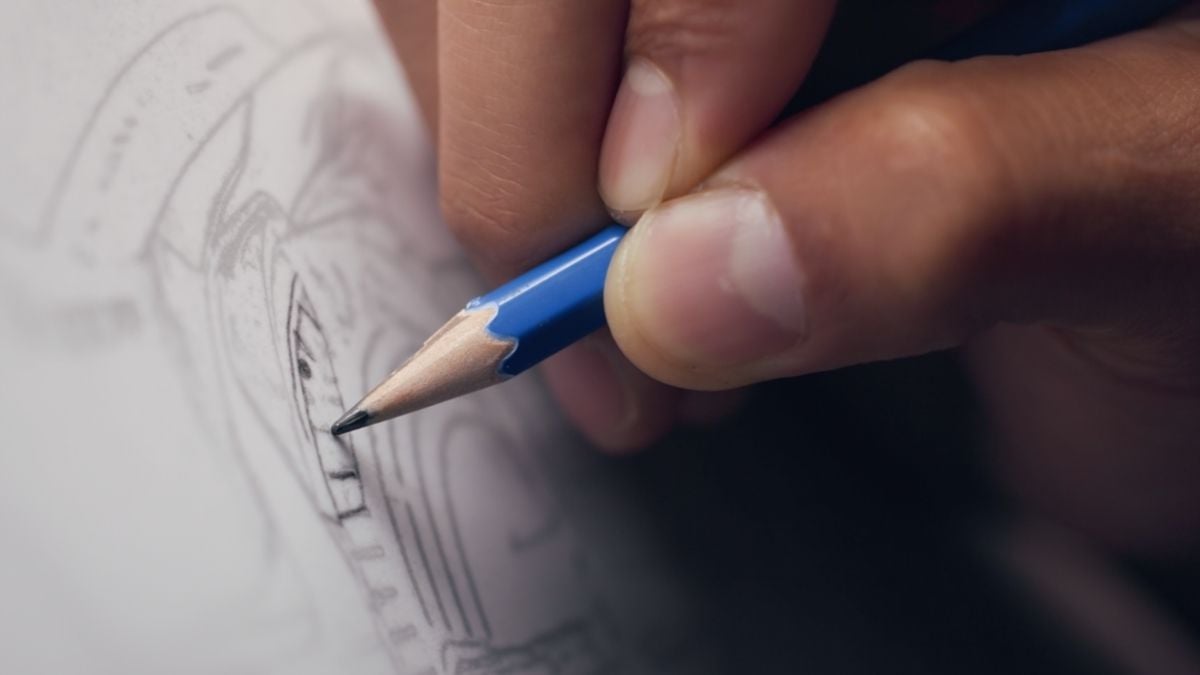
Хүний баруун эсвэл зүүн гарын давамгайлал нь тархины төрөлхийн бүтэцтэй бус, харин амьдралын туршид хийсэн дасгал сургуулилттай холбоотой болохыг шинэ судалгаагаар нотолжээ.
Калифорнийн их сургууль (UCLA) болон Жонс Хопкинсийн их сургуулийн судлаачид Аҳмет Арак, Николас Жон Ли, Жон Кракауэр нарын баг хүмүүсийн гарын давамгайлал нь багаж хэрэгсэл ашиглах дадлагатай шууд хамааралтай гэсэн таамаглалыг дэвшүүлжээ. Тэд оролцогчдыг өмнө нь огт ашиглаж байгаагүй тохойгоороо юм бичих туршилтад оруулсан байна. Судалгаанд оролцсон баруун гартнууд баруун болон зүүн тохойгоороо бичихэд ижил түвшний ур чадваргүй байсан нь гарын давамгайлал нь анхнаасаа тархинд суулгагдсан чадвар биш болохыг харуулжээ.
Туршилтын дараа оролцогчдыг тохойгоор бичихэд сургахад хоёр талын тохойн бичих чадвар ижил хэмжээгээр сайжирсан байна. Энэ нь бидний өдөр тутамд ашигладаг гарын давамгайлал нь олон жилийн турш нарийн хөдөлгөөн шаардсан багаж хэрэгсэл, бичгийн дадлага хийсний үр дүн болохыг баталж байна.
Эрдэмтдийн дүгнэснээр, хүний тархины аль нэг тал нь хөдөлгөөнийг илүү сайн удирддагтаа бус, харин тухайн эрхтнийг байнга давтан ашигласнаар тухайн хөдөлгөөн нь дадал болж хөгждөг ажээ. Энэхүү судалгаа нь хүний биеийн давамгайлах тал нь төрөлхийн биологийн шинж чанар гэхээсээ илүүтэй олдмол дадлагаас хамааралтай болохыг шинжлэх ухааны үндэслэлтэйгээр тайлбарлаж байна.
Дэлгэрэнгүйг эх сурвалжаас харах
↓Эх сурвалжийг нээх ↓
Are you right-handed? Left-handed? Or even ambidextrous?
For most of your life, you’ve probably heard that this has something to do with the way your brain is hardwired: that preference seems to show up even before you are born, after all.
But a new study by neurologists at the University of California, Los Angeles and Johns Hopkins University suggests that arm dominance is much more to do with practice than something innate within the brain.
“Limb dominance is often taken as evidence that the dominant hemisphere is intrinsically better at motor control,” write Ahmet Arac, Nicolas Jeong Lee, and John Krakauer, in a paper published in Proceedings of the National Academy of Sciences.
“We tested an alternative: dominance reflects asymmetric practice with tools and objects requiring precise control of complex trajectory shapes.”
Since most people have already been using their dominant hand loyally throughout their lives, it’s difficult to design an experiment to test this hypothesis.
Arac and colleagues came up with a clever way to control for existing dominance, though: making people write with their elbows, something most people have probably never attempted, let alone practiced, before.
Their thinking was that if the brain had some innate preference for limb dominance, then a right-handed person should be much better at writing with their right elbow than their left.
They got healthy, right-handed participants to write the letter ‘A’ and the number ‘8’ with their dominant and non-dominant hand, eight times.
Then, they did the same task again, but instead of using their hands to write, participants used their elbows, with a pen strapped pointy-end down to allow for mark-making.
Even though all the participants were right-handed, they failed just as miserably at writing with their right elbow as they did with their left, according to analysis conducted with the help of a neural network that was trained to cluster shapes as ‘good’ or ‘bad’.
Even when time spent writing each character was factored in, there was no sign that the right elbow had an advantage.
“There were no significant differences or trends between the dominant and non-dominant elbow characters,” the researchers report.
“Dominance disappeared.”
Next, they tested whether elbow-writing practice could make a difference. Half of the participants were trained to write with the elbow of their dominant limb; the other half, their non-dominant elbow.

All elbows “began at similarly poor shape quality prior to training”, the authors write, but afterwards, “elbow-writing quality improved substantially for both sides.”
Firstly, this proved that elbows aren’t the problem: we can learn to use them to write, and our abilities will improve with practice.
Secondly, it adds further evidence to the theory that the writing abilities of our dominant hand comes from years of practice, rather than some built-in brain feature that selects the side best-suited to fine motor skills.
Preferences are also shown with tools like tennis rackets or pens because they are essentially extensions of the hand.
Related: Two Ancient Clues May Finally Explain Why 90% of Us Are Right-Handed
“The dominant arm isn’t more capable because one hemisphere of the brain is simply better at controlling movement,” Arac says.
“It is because we’ve spent a lifetime practicing the specific, complicated movements that tools and handwriting demand. Take away that practice by switching to a body part like the elbow that’s never done the task before and the advantage disappears.”
The research was published in Proceedings of the National Academy of Sciences.
This article was fact-checked by Carly Cassella and edited by Michael Irving. While we pride ourselves on our process, we are only human. If you spot a mistake, please let us know.

