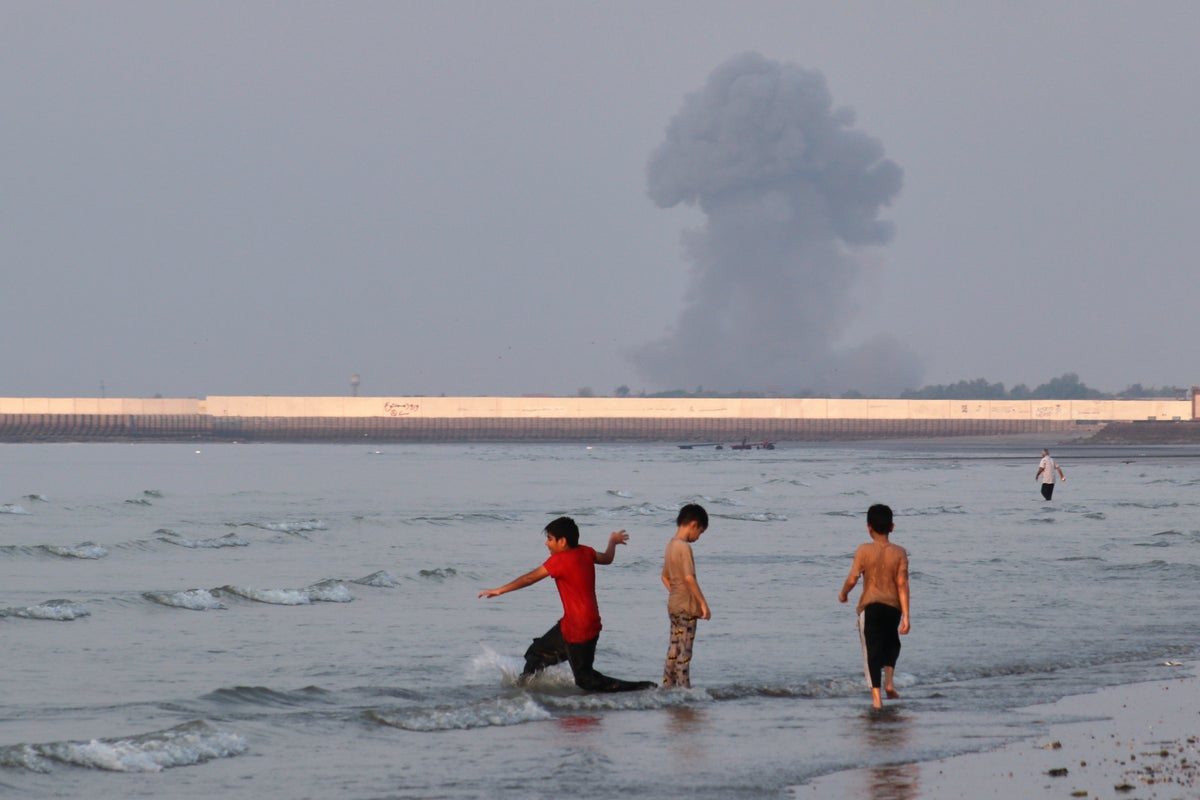
Ираны мөргөлдөөний улмаас стратегийн ач холбогдолтой Ормузын хоолойг ашиглах боломжгүй болсон тул Персийн булангийн улсууд эдийн засгийн аюулгүй байдлаа хангах үүднээс логистикийн шинэ маршрут, дэд бүтцийг яаралтай хөгжүүлж эхэллээ.
АНУ болон Израйл улс Ираны эсрэг цэргийн ажиллагаа явуулж эхэлсэн хоёрдугаар сарын 28-наас хойш Арабын Нэгдсэн Эмират Улс (АНЭУ) 3,000 орчим пуужин болон дроны халдлагад өртөөд байна. Үүний улмаас тус улсын гол боомт болох Jebel Ali болон бусад дэд бүтцэд хохирол учирч, олон улсын худалдааны урсгалд саад учраад байгаа юм. Үүсээд буй нөхцөл байдалтай холбогдуулан DP World компани Фужайра хотод шинэ боомт, терминал байгуулах талаар яриа хэлэлцээ хийж эхэлжээ.
Оман улсын хувьд Asyad Group болон Францын CMA CGM компанитай хамтран Сохар хотод 400 сая ам.долларын үнэ бүхий логистикийн шинэ терминал барихаар төлөвлөж байна. Энэ нь газрын холбоосоор дамжуулан Ормузын хоолойг тойрч худалдаа хийх боломжийг бүрдүүлэх зорилготой юм. Түүнчлэн АНЭУ дөрөвдүгээр сарын 28-нд Газрын тос экспортлогч орнуудын байгууллага буюу OPEC-ийн гишүүнчлэлээс гарч, эрчим хүчний экспортоо Фужайра боомтоор дамжуулан нэмэгдүүлэх West-East хоолойн төслийг хурдасгаж байна.
Саудын Араб мөн газрын тос тээвэрлэлтийг Ормузын хоолойноос хамааралгүйгээр Улаан тэнгис хүргэх East-West дамжуулах хоолойгоо өргөтгөх асуудлыг судалж байна. Кувейт, Бахрейн, Катар зэрэг улсууд газарзүйн байршлын хувьд энэхүү хоолойноос бүрэн хамааралтай байгаа нь бүс нутгийн эдийн засагт томоохон эрсдэл учруулж буйг олон улсын шинжээчид анхааруулж байна.
Дэлгэрэнгүйг эх сурвалжаас харах
↓Эх сурвалжийг нээх ↓
As Dubai looks to build a new port and terminal to bypass the beleaguered Strait of Hormuz, it appears that Gulf countries are already preparing for a life without the crucial waterway.
Port operator DP World is in talks to develop new facilities in the coastal area of Fujairah to take pressure off its flagship Jebel Ali port, according to the Financial Times.
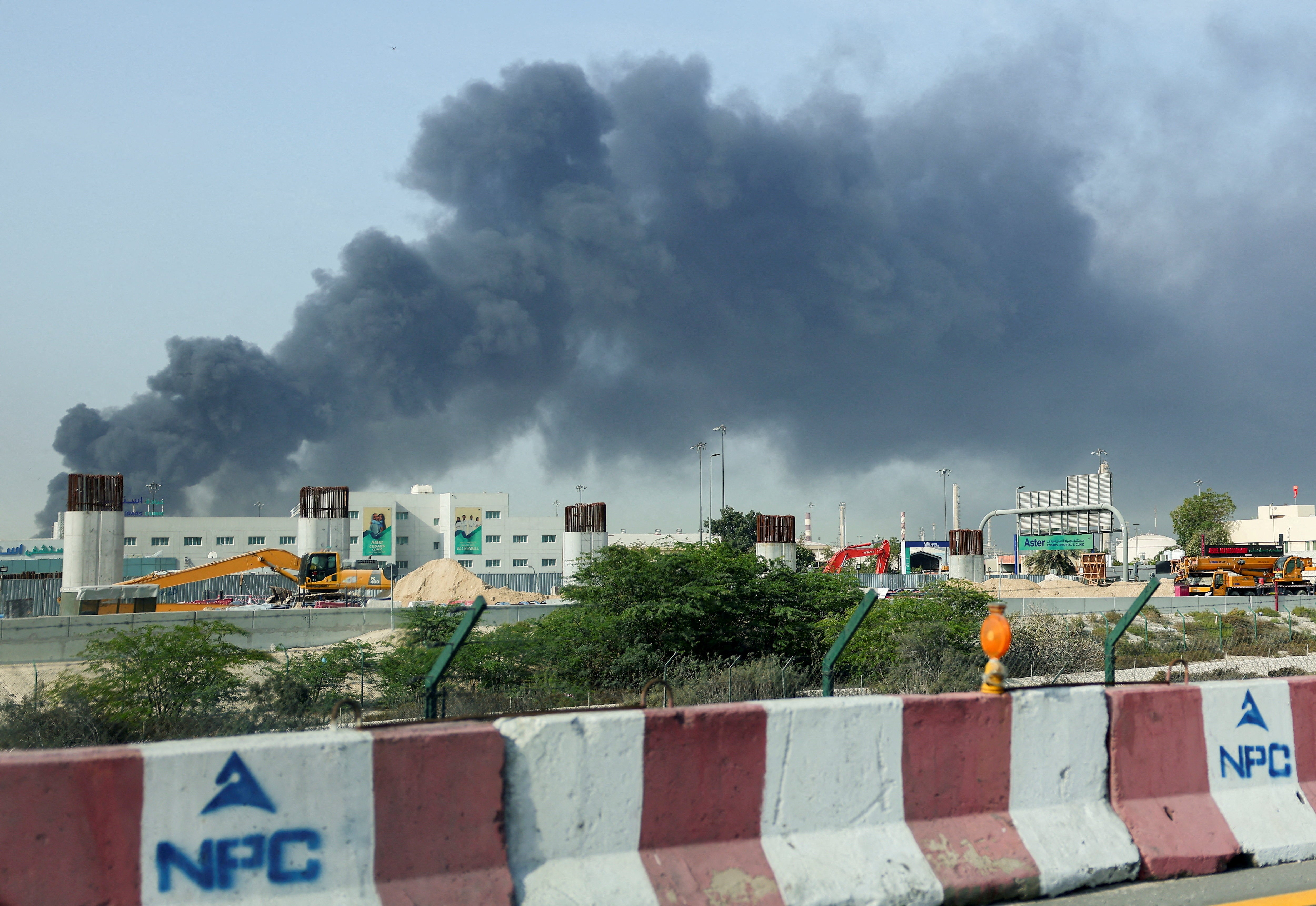
Jebel Ali, built in 1977, has made the UAE a hub of finance and trade, but weeks ago it was set alight by a piece of fallen debris from an Iranian missile. Since then, Dubai International Airport, US military bases and other facilities have come under direct attack.
The UAE has been the hardest hit of all the Gulf countries with the FT reporting that almost 3,000 drones and missiles have hit it since US-Israeli attacks began on Iran on 28 February.
SolAbility, a Swiss-Korean think tank, predicts global GDP loss at $3.05 trillion under a “phantom ceasefire” as the most likely scenario.
Colossal losses are no surprise considering that a huge 20 per cent of global oil supply all passes through the strategic waterway, which has remained deadlocked now for months.
With an interim agreement that was thinly constructed now falling apart by the day, it appears that Gulf countries are hatching plans to protect their own economies.
Oman
The Sultanate of Oman has good ties with both Iran and the US and has been involved in negotiations between the warring nations.
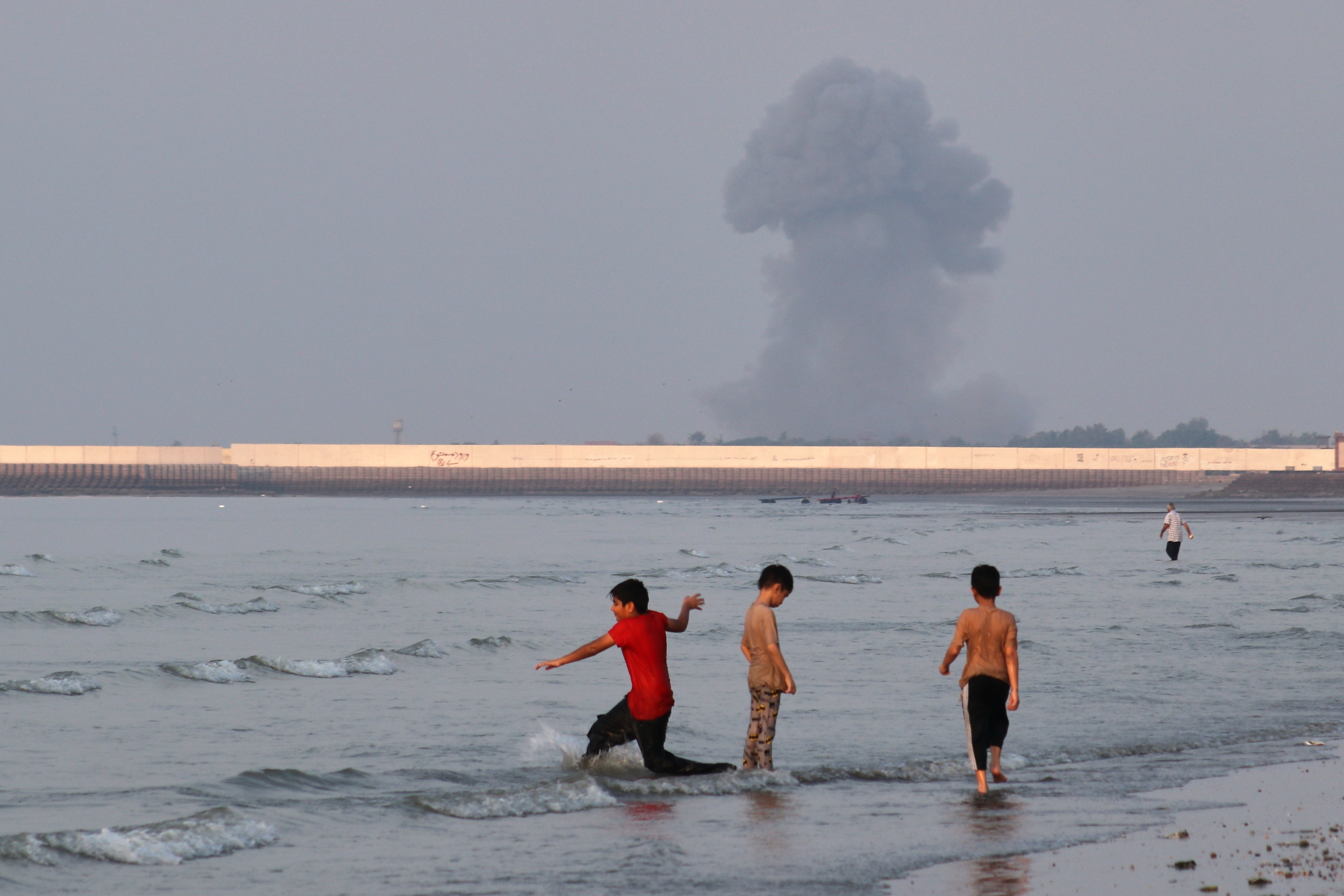
With no US military bases, it is not a significant target unlike its Gulf partners, Kuwait and Bahrain. But Iranian attacks on its ports serve as deterrence for commercial vessels tempted to use the southern corridor of the strait.
As a result, Oman’s Asyad Group – the country’s largest logistics provider controlling ports, shipping and free zones – and French shipping company CMA CGM announced a partnership to develop a multipurpose logistics terminal worth $400m at Sohar in the Gulf of Oman.
The port has become an alternative route for Gulf trade during the Iran war as CMA CGM and other firms look for land connections linking Gulf destinations with ports outside the strait.
Chairman and CEO of CMA CGM Rodolophe Saade said that the future terminal would support “reliable inland access to key trade corridors” as well as “greater resilience and efficiency for our customers’ supply chains”.
United Arab Emirates
On 28 April 2026, the UAE ended its 59-year membership of the Organisation of Petroleum Exporting Companies (OPEC), a move that had been building for years but no doubt expedited following the outbreak of the Iran war.
Membership of OPEC had capped its energy production capacity, which had frustrated Abu Dhabi with the pressures of global energy transition intensifying.
The Middle East Council of Global Affairs called the move “one of the most consequential shifts in global energy governance since Russian joined the OPEC coalition in 2016”.
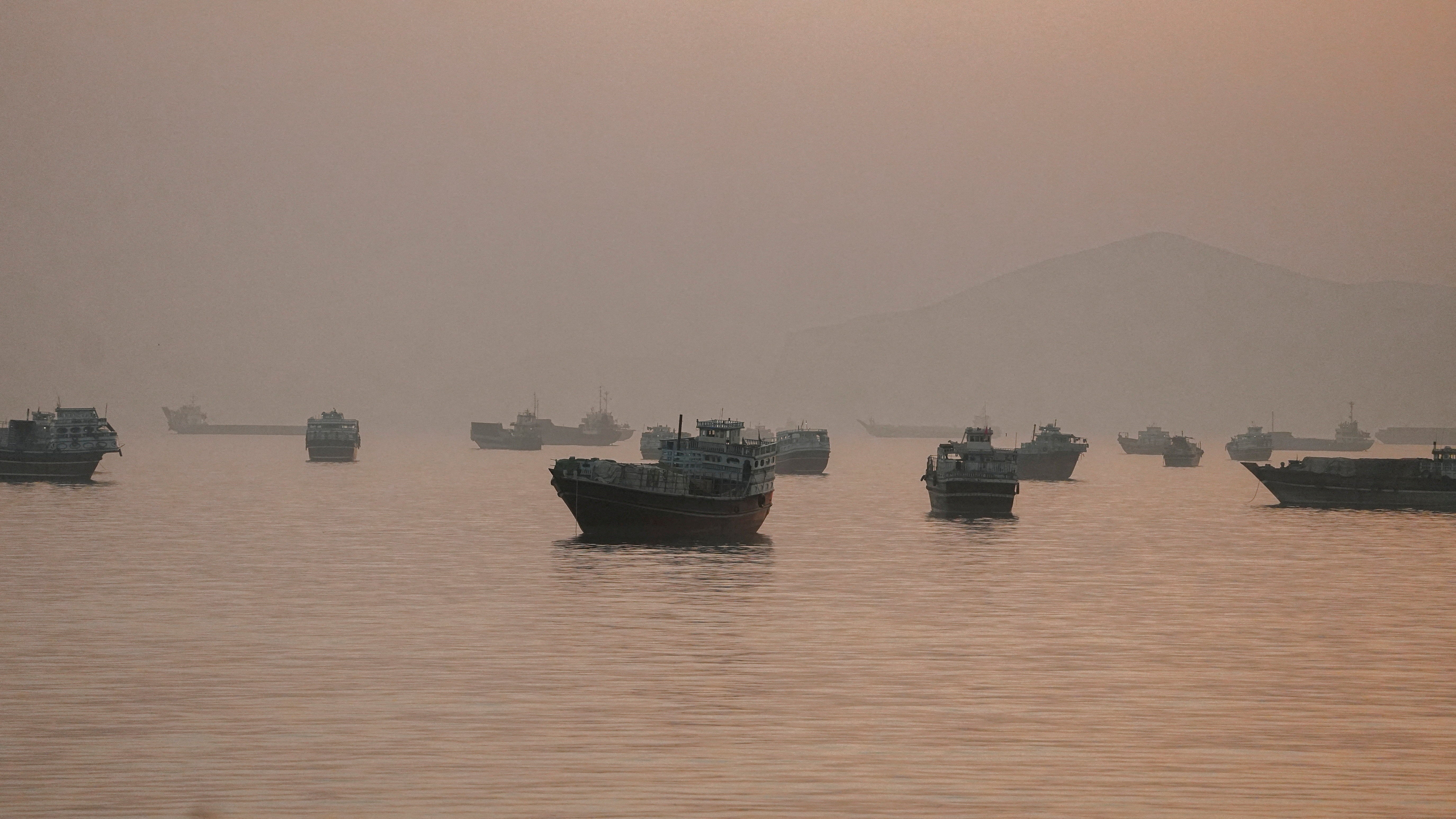
DP World’s new port project would reduce dependence on Jebel Ali port and avoid any transit through Hormuz.
Plans reportedly include a new terminal at the existing harbour and a brand new multipurpose port in Fujairah.
Gulf officials said that the move did not mean that Jebel Ali would be completely replaced.
“Jebel Ali will continue to be Jebel Ali,” a senior company official told the FT. “It will never be downsized.”
However, the company has been at the centre of controversy with its former CEO forced to step down amid reported ties to sex offender Jeffrey Epstein.
In May, Crown Prince Sheikh Khaled bin Mohamed bin Zayed announced the acceleration of the West-East pipeline that would double its export capacity through Fujairah. The royal said that the decision to speed up the process had come in order to “meet global demands”.
According to Bloomberg, the new pipeline would double export capacity bypassing Hormuz by 2027.
Saudi Arabia
Sources told Reuters last week that Saudi Arabia is considering the expansion of its crude oil pipeline to the Red Sea. Five sources told the outlet that this would enable the country and potentially its neighbours to transport more oil without the need to cross the Strait of Hormuz.
The East-West pipeline constructed in the 1980s has seen an exponential increase in demand in the outbreak of war.
Kuwait, Bahrain and Qatar are locked into the the Persian Gulf and have no coastlines or access to the rest of the world outside of passage through Hormuz. They have been some of the worst affected in the Gulf. The International Energy Agency estimates that 93 per cent of Qatar’s Liquefied Natural Gas passes through the strait.
“We are in discussions with our brothers in Saudi Arabia and in the emirates to look at how to expand the pipeline system that they have to accommodate Kuwaiti barrels,” Kuwait Petroleum Corporation CEO Sheikh Nawaf al-Sabah told the Atlantic Council Global Energy Forum in June.

