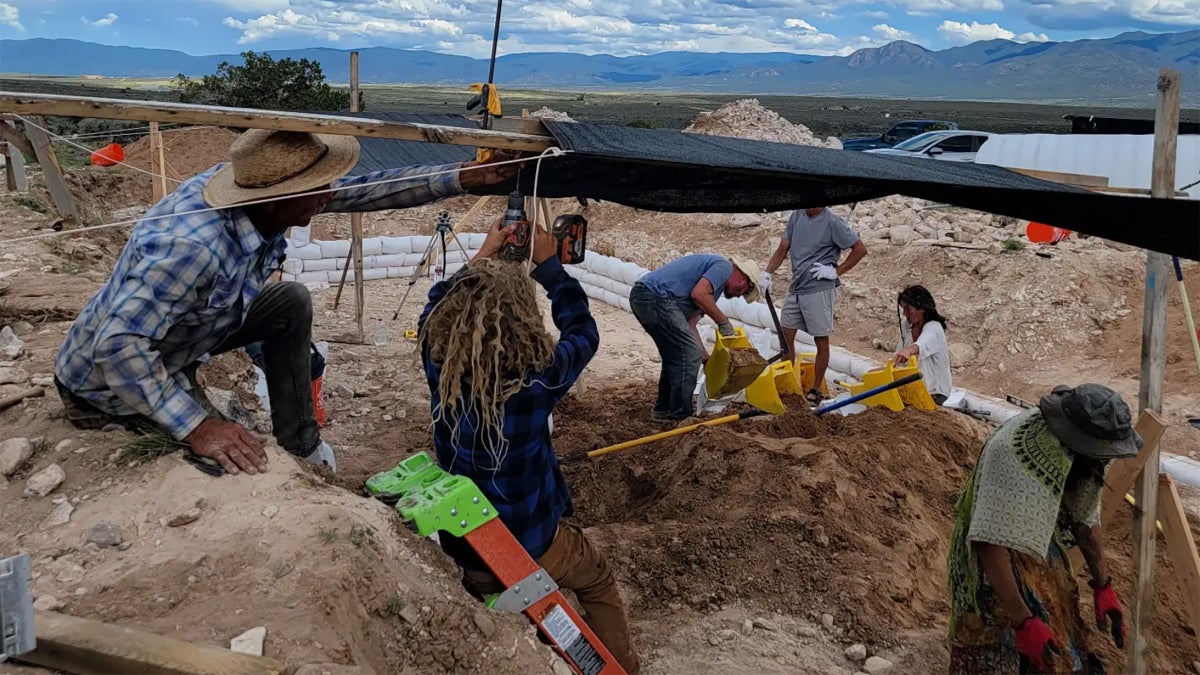
Байгалийн алслагдсан бүс нутагт амьдрах нь цэргийн алба хаагчдын гэмтлийн дараах стрессийн эмгэгийг (PTSD) анагаах боломжтой эсэхийг туршиж байна.
Нью-Мексико мужийн Таос хотын баруун хэсэгт орших өндөрлөг тал нь аялагчдын хувьд төөрөх магадлал өндөртэй, зэрлэг байгальтай бүс юм. Цэргийн албанд тагнуулын чиглэлээр ажиллаж байсан Райан Тиммерманс тус бүс нутагт аялахдаа орчин үеийн технологийн тусламжтайгаар маршрутаа баримталсан ч өөрийгөө төөрөгдөлд орсон мэт мэдэрч байв. Афганистанаас эх орондоо эргэн ирсэн түүнд нийгмийн амьдрал болон эмнэлгийн тусламж үйлчилгээ сэтгэл зүйн дарамтыг нь намжаахад хангалтгүй байжээ.
Таосын бартаат замаар явах явцад тэрээр эхлээд тэгш тал, улмаар гол гаталж, хадан хясаа өгссөн маршрутыг туулсан байна. Энэхүү аяллын туршид байгалийн эрс тэс уур амьсгал, салхи шуургатай таарсан ч гэнэт гарч ирсэн солонго болон зэрлэг аргаль хонь нь түүнд Афганистаныг сануулж, улмаар өөрийгөө гэртээ ирсэн мэт мэдрэмж төрүүлжээ.
Ийм төрлийн алслагдсан бүс нутагт аялах эсвэл түр амьдрах нь цэргийн алба хаагчдад сэтгэл зүйн хувьд тайвшрал авчрах боломжтой гэж тэрээр үзэж байна. Гэвч аялагчид ийм бүс нутагт явахдаа холбооны хэрэгсэлгүй болох эрсдэлийг тооцоолж, газрын зураг болон луужин ашиглах чадвартай байх нь чухал юм.
Дэлгэрэнгүйг эх сурвалжаас харах
↓Эх сурвалжийг нээх ↓
If you or someone you know is having thoughts of suicide or self-harm, call the National Suicide Prevention Lifeline toll-free from anywhere in the U.S. at 1-800-273-8255.
He hadn’t made a wrong turn. Most people who drive out to the mesa west of Taos, New Mexico manage to get lost once or twice, even in the era of smartphones. Here he was, without a cell signal, using printed pages from MapQuest. He had worked intelligence in the military—he knew how to use a compass, to follow the sun and scope out the land. Still, even though his dashboard Garmin device insisted he was going the right way, he was convinced he was lost.
This was familiar enough. He had been lost ever since he returned from Afghanistan. He had contacted the U.S. Department of Veterans Affairs to put his name on a list to see a doctor. He finally saw someone five months later. But the doctor prescribed painkillers, and he didn’t feel any better, and he didn’t know who to talk to. He still had a military security clearance at the time, so he couldn’t tell the doctor he was thinking about suicide.
Like so many other military veterans, Ryan Timmermans felt that society wouldn’t open up a place for him, wouldn’t calm the unrelenting tension in his brain, and instead it spit him out here, all the way across the country and out the backdoor of Taos and to this winding unpaved road that didn’t feel like the right way at all. It had been flat, then it had descended and crossed a river and now it was precariously hugging a cliff, switchbacking its way up until a final corner threw him onto the open mesa. The howling winds blew balls of sagebrush, the land looking barren at first glance, until suddenly a rainbow cracked through the clouds and, when he looked back down at the road, he was staring down a bighorn sheep.
I’m back in Afghanistan, Ryan thought. Then, strangely, he thought: I’m home.
The post Can Living Off-Grid Heal Soldiers with PTSD? An Afghanistan War Vet in New Mexico Believes So. appeared first on Outside Online.

