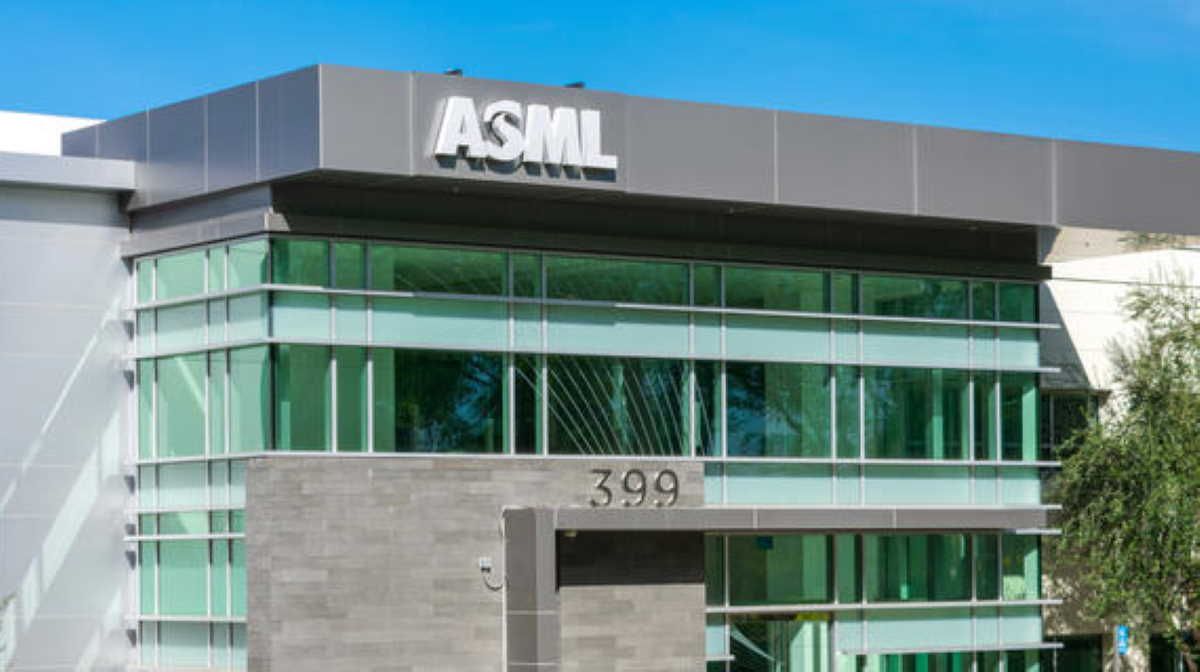
Хиймэл оюун ухааны салбарын хөгжлөөс үүдэлтэй техник хангамжийн эрэлт нэмэгдэж байгаатай холбогдуулан ASML компани энэ онд хийх борлуулалтын таамаглалаа ахиуллаа.
Хагас дамжуулагч үйлдвэрлэлийн машин тоног төхөөрөмж нийлүүлэгч ASML компани DRAM болон дэвшилтэт логик чипүүдийн эрэлт өндөр байгаа тул энэ оны санхүүгийн төлөвлөгөөгөө нэмэгдүүлсэн байна. Тус компанийн гүйцэтгэх захирлын мэдээлснээр, үйлчлүүлэгчид урт хугацааны гэрээ байгуулж, үйлдвэрлэлийн хүчин чадлаа эрчимтэй өргөжүүлж байгаа нь борлуулалт өсөх гол хөшүүрэг болжээ. Тухайлбал, дэвшилтэт логик чипүүдийн борлуулалт 25 хувиас давж, EUV системийн нийлүүлэлт 45 хувиар өсөх төлөвтэй байна.
Энэхүү өсөлтөд хиймэл оюун ухааны салбарын хурдацтай хөгжил болон үүнийг дагасан DRAM санах ойн хомсдол гол нөлөө үзүүлж байна. TSMC тэргүүтэй томоохон үйлдвэрлэгчид хиймэл оюун ухаанд зориулсан 3 nm болон түүнээс дээш дэвшилтэт технологиудын үйлдвэрлэлд их хэмжээний хөрөнгө оруулалт хийж байгаа бөгөөд 1.4 nm технологийн хөгжүүлэлт ч төлөвлөгөөний дагуу урагшилж байна.
Хэдийгээр үйлдвэрлэгчид хүчин чадлаа нэмэгдүүлж байгаа ч судалгаагаар 2030 он гэхэд DRAM санах ойн нийлүүлэлт эрэлтээ гүйцэхгүй байх эрсдэлтэй хэвээр байна. Энэ нь эцсийн хэрэглэгчдийн хувьд бүрэлдэхүүн хэсгүүдийн үнэ буурах магадлал бага байгааг илтгэж байгаа бөгөөд хиймэл оюун ухааны салбарын зах зээл хэрхэн өөрчлөгдөхөөс үнэ хамаарах төлөвтэй байна.
Дэлгэрэнгүйг эх сурвалжаас харах
↓Эх сурвалжийг нээх ↓
ASML, the company that makes the semiconductor machines that every big Western chipmaker uses to make their chips, has “raised its guidance“—i.e., increased its predictions over how well it’s going to do—for the year. It says this is thanks to being able to keep up with customer demand coming from both memory and processor/accelerator chipmakers.
The CEO explains: “The dynamics are very similar in both advanced logic and DRAM, and the plans to build up capacity are equally aggressive. Our customers in both segments are entering into long-term agreements with their customer, providing them with longer term visibility and the confidence to add significant capacity to support demand.”
“We now expect advanced logic foundry-related net system sales to grow over 25% this year. In DRAM, the supply challenges driving up both DDR and HBM prices have prompted significant investments in fab expansion. Our customers are adding meaningful capacity this year, while at the same time they plan further capacity expansion, as indicated by the plans to build multiple mega fabs.”
The executive VP and CFO adds: “We now expect to ship around 65 Low-NA EUV systems this year, resulting in year-over-year EUV net system sales growth of over 45%. This demand is being fueled by very strong momentum in both DRAM and advanced logic.”
The cause of this strong momentum and “aggressive” plans to build more DRAM and logic (processor/accelerator) facilities is, of course, the AI boom. And in the case of DRAM, the resultant global memory shortage, or “supply challenges” as the ASML CEO puts it.
This is just confirmation from another front that there are indeed concrete physical changes taking place in the industry to try to meet all the insatiable demand for hardware that’s coming from AI companies.
Earlier today, TSMC, the world’s biggest chipmaker and ASML’s biggest customer, announced that it’s planning on investing another $100 billion in the US in the form of chip manufacturing. “Significant investments in fab expansion” is about right, then.
ASML explains that some of the demand and investment is for 3 nm capacity for AI accelerators (presumably Nvidia Blackwell and Rubin chips, which are made using TSMC’s 3 nm processes) as well as 4 nm and 5 nm nodes “to support the diverse set of chips required by AI product.”
The company also says that customers are already planning on investing to support 1.4 nm development. That will be TSMC’s A14 and Intel’s 14A processes, the former of which is apparently getting close to being production-ready and the latter of which seems to be ramping up smoothly.
All this increased production is of course a welcome sight during a global memory shortage, especially with China stepping up, too. However, recent research shows that even with lots of increased production, we’ll still be facing a DRAM supply shortfall compared to demand, come 2030.
In which case, perhaps our main hope for lower component prices rests with demand imploding and the AI bubble popping, though the economic ramifications of that aren’t likely to be pretty, either.

