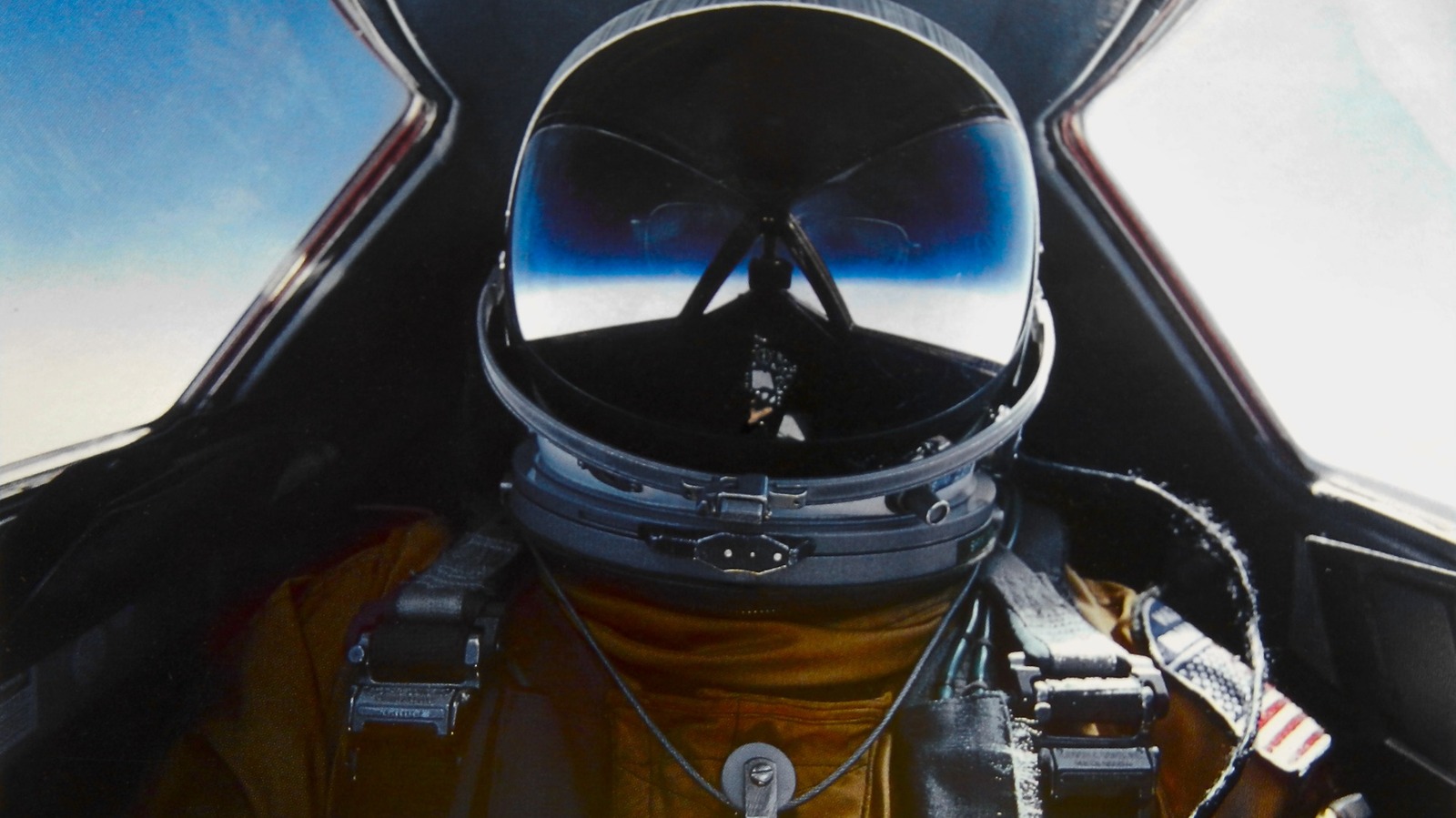
Стратегийн тагнуулын зориулалттай SR-71 Blackbird онгоцыг жолоодох нь сансрын нисгэгчийн бэлтгэлтэй дүйцэхүйц өндөр шаардлага, тусгай тоног төхөөрөмж шаарддаг байв.
Lockheed компанийн Skunk Works хэлтсийн бүтээсэн SR-71 Blackbird онгоц нь 1960-аад оноос 1990 он хүртэл АНУ-ын Агаарын цэргийн хүчинд алба хааж, улмаар 1999 он хүртэл NASA-д ашиглагдсан түүхтэй. Энэхүү хурдны үзүүлэлтээрээ алдартай стратегийн тагнуулын онгоц нь тухайн үеийн бусад байлдааны онгоцноос эрс ялгаатай бүтэц, чадамжтай байсан тул нисгэгчдээс онцгой бэлтгэл шаарддаг байв.
Нисгэгчид энгийн нислэгийн хувцас бус, харин сансрын нисгэгчийнхтэй ижил төстэй даралтат хувцас өмсдөг байв. 1970 оноос ашиглаж эхэлсэн David Clark компанийн S1030 загварын хувцас нь олон давхаргат бүтэцтэй, хүчилтөрөгчийн систем, тусгай гутал болон бусад нэмэлт хэрэгслүүдээс бүрддэг байжээ.
Нисгэгч болох хүсэлт гаргагчид сансрын нисгэгчийн түвшний эрүүл мэндийн үзлэг, ярилцлага, туршилтын нислэгүүдийг амжилттай давах шаардлагатай байв. Нислэгийн өмнө нисгэгчид зөвхөн SR-71 болон U-2 онгоцны багийнханд зориулсан өндөр уураг бүхий хоолны дэглэм баримталж, олон давхаргат хувцсаа өмсөх, даралтат дуулга бэхлэх зэрэг нарийн ажиллагааг гүйцэтгэдэг байв.
Нислэгийн үеэр онгоцны гаднах үрэлтийн улмаас кварц бүрхүүл бүхий салхины шил 580 хэм хүртэл халдаг байсан тул нисгэгчдэд зориулсан зөөврийн хөргөлтийн систем шаардлагатай болдог байв. Мөн хөдөлгүүрийг асаахын тулд тосыг урьдчилан халаах, урт хугацааны нислэгийн үеэр шээс цуглуулах төхөөрөмж ашиглах зэрэг техникийн онцлог процедурыг тогтмол мөрддөг байсан юм.
Дэлгэрэнгүйг эх сурвалжаас харах
Эх сурвалжийг нээх ↓
The SR-71 Blackbird is one of the best-known aircraft the United States has ever produced, and it has a long list of record-breaking achievements to explain why. Lockheed’s Skunk Works developed the legendary strategic reconnaissance plane in the 1960s, and it continued to operate, on and off, for the U.S. Air Force until 1990. It, however, continued to fly for NASA before finally being retired in 1999. Since then, SR-71 displays at museums have allowed more people to get up close to the iconic plane.
While the SR-71’s incredible speed is probably its best-known feature, few likely consider the pilots who flew the plane. The SR-71 was unlike anything else in the Air Force’s inventory, and its makeup and capabilities made it unique, requiring specialized equipment to get it into the air. SR-71 pilots were more like astronauts than their predecessors who flew the McDonnell Douglas F-4 Phantom II, one of the most iconic fighters of the ’60s.
SR-71 pilots didn’t wear flight suits, for one; instead, they donned pressurized suits that evolved over the years, as new tech and capabilities were introduced. One such model, the David Clark-produced S1030 Full Pressure suit, used first in 1970, looked very much like what a NASA astronaut might don while boarding a Space Shuttle. The suit included multiple layers, oxygen hoses, leather flight boots, and a couple of pockets below the knee, and was the culmination of years’ worth of development.
Pilots and flight preparation
Prospective SR-71 pilots had to volunteer for the program before being allowed to fly the highly secretive reconnaissance aircraft. New pilots had to go through an astronaut’s physical, interviews, and test flights before they could be considered. Once accepted, new pilots would still need to undergo more training before they were allowed to fly an SR-71. Before every mission, pilots had to eat a specific high-protein diet, served by a dedicated dining facility that catered only to SR-71 and U-2 Dragon Lady pilots, who wore similar suits.
Actual flight preparation also involved procedures that pilots of other jets didn’t have to go through. These included a lengthy suit inspection process due to the pressure suit’s numerous layers, including a comfort liner, a thermal layer, and more. Pilots had to put on a parachute harness and boots alongside their sealed helmet, all of which were heavy and unwieldy. A brief physical followed, and pilots then switched to breathing pure oxygen before takeoff.The SR-71 itself required careful preparation, too, includingheating its oilso the engines could start.
Because of the high heat endured throughout flight, pilots carried a portable cooling unit to prevent overheating.Because the missions were often long, pilots would wear a urine-collection device; to eat, they placed their food against the cockpit window. It heated quickly because friction outside the aircraft was so high that the SR-71’s unique quartz windshield reached 580 degrees Fahrenheit.

