
Олон улсын судлаачдын баг эрүүл урт наслалтын судалгааг насанд хүрэгчдээс илүүтэйгээр амьдралын эхэн үе буюу төрөхөөс өмнөх үеэс эхлүүлэх шаардлагатай гэж үзэж байна.
Nature Health сэтгүүлд нийтлэгдсэн уг судалгааны саналд PROSPER буюу “Жирэмсний болон хүүхдийн эрүүл мэнд, амьдралын эхэн үеийн тэсвэр тэвчээрийг судлах консорциум”-ыг байгуулах санаачилгыг дэвшүүлжээ. Судлаачдын үзэж буйгаар, өнөөгийн урт наслалтын анагаах ухаан нь хөгшрөлтийн улмаас бие махбодод хуримтлагдсан өөрчлөлтүүд нэгэнт үүссэн хойно арга хэмжээ авдаг тул хөгшрөлтийг судлах чухал боломжийг алдаж байна.
Одоогийн судалгааны арга зүй нь нас бие гүйцсэн хүмүүст зориулагдсан байдаг нь хүүхэд болон өсвөр насныхны биологийн хөгжлийн онцлогт тохирохгүй байгааг эрдэмтэд онцоллоо. Иймд хүүхдийн насны онцлогт тохирсон биологийн маркер, оношилгоо, эмчилгээний загварыг боловсруулж, урьдчилан сэргийлэх чиглэлээр цогц судалгаа хийх шаардлагатай байна.
Энэхүү консорциум нь амьдралын бүх үе шатыг хамарсан олон талт өгөгдөл, эмнэлзүйн үзүүлэлтүүдийг нэгтгэн, хүн бүрийн “оргил үе”-ийн гүйцэтгэлийг уртасгах зорилготой аж. Судалгааны энэхүү шинэ хандлага нь өвчнийг эмчлэхээс илүүтэйгээр амьдралын туршид эрүүл мэндийн оновчтой төлөвийг хадгалахыг зорьж байгаа юм.
Дэлгэрэнгүйг эх сурвалжаас харах
↓Эх сурвалжийг нээх ↓
The science of longevity is an important topic for many researchers: how we might add years to our lifespans, and avoid disease and age-related decline at the same time.
There are a multitude of angles to approach the topic from too, whether it’s the genetics we’re born with or the food we eat along life’s journey.
Now, an international team of researchers is proposing that longevity interventions and research should start at the earliest ages possible – even before birth.
In a Correspondence paper published in Nature Health, the researchers make the case for a “life-course consortium for healthy longevity medicine” called PROSPER. That’s Pregestational and Pediatric Research for Optimal Healthspan and Early-life Resilience.
The main argument put forward for a PROSPER consortium is that too much longevity research focuses on the latter years of our lives, a point when a lot of the damage and wear-and-tear on our bodies might already have been done.
“Healthy longevity medicine – which seeks to translate insights from biogerontology into clinical practice – has primarily focused on adult populations, and interventions are applied only after decades of accumulated molecular and cellular changes associated with aging,” write the researchers.
“This approach overlooks a critical window of opportunity.”
As the new paper points out, while plenty of past research has already looked at factors in childhood that can affect lifespan, there’s still a lack of cohesive thinking when it comes to assessing different aspects of aging across a whole lifetime.
For example, the same aging markers used in adults can’t be used in children, the researchers argue: At younger ages, they might mean something different. That’s one of the areas of inconsistency that a consortium could tackle.
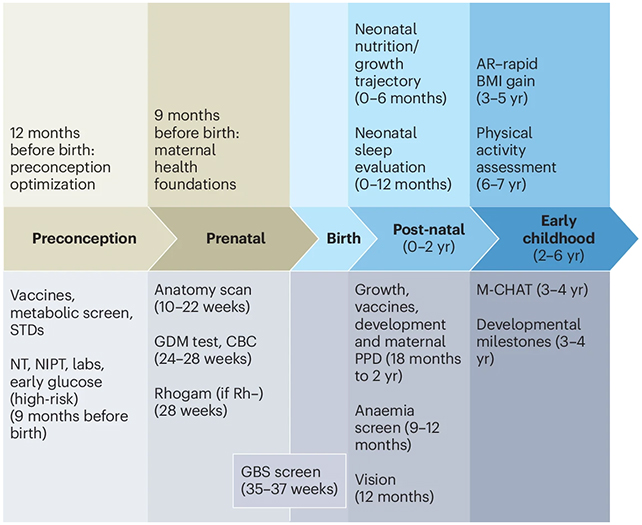
“Central to this effort is the recognition that biological age in early life reflects developmental synchrony and resilience rather than cumulative damage, which necessitates age-specific models, biomarkers and interpretative frameworks,” write the researchers.
The researchers proposing PROSPER also mention ‘peakspan’, that part of life when we’re at “peak performance” – and we all have it, at one point or another (though you might not notice it as it goes by).
It’s another way of thinking about aging: Not just how many years we clock up, or how many of those years are free of disease, but also what proportion of our lives we spend in what might be considered our prime.

“This involves the systematic integration of multiomics data, clinical phenotypes and functional measures across developmental stages, which will enable the construction of longitudinal biological trajectories that can inform risk prediction and intervention,” write the researchers.
“In parallel, the consortium seeks to develop age-specific diagnostic and therapeutic frameworks that can be embedded within routine obstetric and pediatric care, and thereby shift the focus from reactive disease management to proactive trajectory optimization.”
This is all at a very early stage right now, and the proposal is light in terms of detail. Essentially, PROSPER would be set up to work on everything from clinical guidelines to medical trials, pulling together data in a way that’s not been done before.
And if this does come to pass, presumably Dick van Dyke will be in line for at least a consultancy role.

The researchers behind the idea are all longevity experts, and if the proposal is indeed accepted by the wider scientific community, it should mean more discoveries around longevity – not just for those in later life, but for people at any age.
“The establishment of a life-course consortium for healthy longevity medicine should improve research and clinical practice,” write the researchers.
Related: People Who Live to 100 Have One Thing in Common – And It’s Not Just Diet
“By aligning disciplines that have traditionally operated in isolation, it becomes possible to address the full continuum of biological aging from its earliest determinants to its clinical manifestations.”
The research has been published in Nature Health.
This article was fact-checked by Rachel Garner and edited by Michael Irving. While we pride ourselves on our process, we are only human. If you spot a mistake, please let us know.

