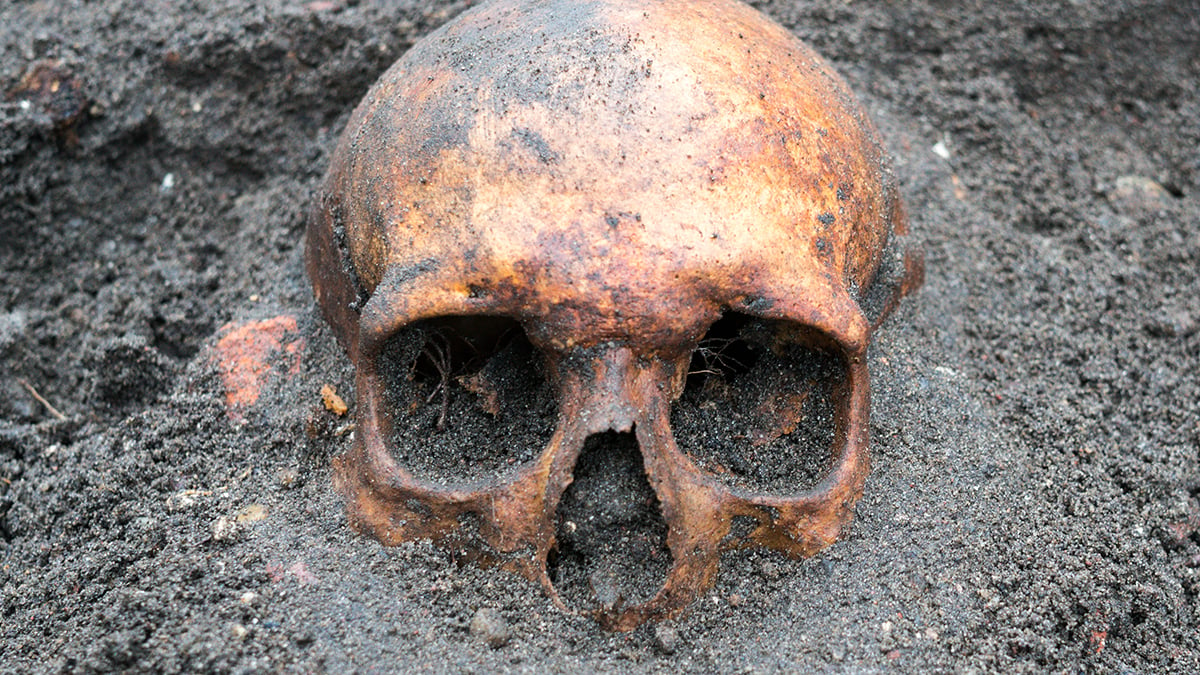
Италийн Тосканы гүн Франческо де Медичигийн 1587 онд тохиолдсон гэнэтийн үхэл нь хорлогдсон байж болзошгүй гэсэн таамаглалыг үгүйсгэж, малари өвчний улмаас нас барсан болохыг генетикийн шинжилгээгээр баталлаа.
Йелийн их сургууль болон Пизагийн их сургуулийн судлаачид Франческо де Медичи болон түүний дүү, кардинал Жованни де Медичи нарын ясны үлдэгдэлд шинжилгээ хийжээ. Судлаачид эдгээр үлдэгдлээс шумуулаар дамждаг малари өвчнийг үүсгэгч Plasmodium шимэгчийн ДНХ-г илрүүлсэн байна. Түүхэн баримтуудад Франческо болон түүний эхнэр Бьянка Каппелло нар нас барахаасаа өмнө малари өвчний шинж тэмдэг болох үе үе чичрэн халуурах шинж тэмдэг илэрч байсныг тэмдэглэжээ.
Энэхүү судалгаагаар малари өвчнийг үүсгэгч Plasmodium falciparum шимэгчийн өмнө нь бүртгэгдээгүй, өвөрмөц мутаци бүхий шинэ төрлийг илрүүлсэн нь уг эмгэгийн хувьсал болон тархалтыг ойлгоход чухал ач холбогдолтой юм. Судлаач Серена Туччигийн хэлснээр, эртний ДНХ-г шинжлэх дэвшилтэт арга нь малари өвчний түүх болон түүний хувьслыг таньж мэдэх боломжийг олгож байна.
Гэсэн хэдий ч судалгааны баг эртний ДНХ-ийн хэлтэрхий нь богино, хялбар бохирдох эрсдэлтэй зэрэг хязгаарлалттайг онцолсон байна. Малари өвчин нь 1970-аад онд Италид бүрэн устгагдсан хэдий ч өнөөдөр дэлхийн 80 орчим оронд жил бүр 610,000 орчим хүний аминд хүрдэг нийгмийн эрүүл мэндийн ноцтой асуудал хэвээр байна. Шинжлэх ухааны энэхүү ололт нь малари өвчнийг үүсгэгч шимэгчийн тэсвэрлэх чадвар болон мутацийн механизмыг судлахад хувь нэмэр оруулах юм.
Дэлгэрэнгүйг эх сурвалжаас харах
↓Эх сурвалжийг нээх ↓
The Grand Duke Francesco de Medici, a prominent politician in the Tuscany region of Italy in the 16th century, died under mysterious circumstances in 1587 – with the suddenness of his death giving rise to rumors that he’d been poisoned.
According to historical documents, Francesco’s brother and political rival, Cardinal Ferdinando de Medici, was the prime suspect, especially as Francesco’s wife, Bianca Cappello, also died within a day of her husband.
In a new study published in iScience, researchers from Yale University in the US and the University of Pisa in Italy have confirmed the real killer.
The team analyzed genetic material extracted from the skeletal remains of Francesco de Medici to find two species of Plasmodium parasites, single-celled organisms known as protozoans that cause malaria and are spread by mosquitoes.
Malaria was widespread in central Italy for centuries, so the clues stack up.
Mosquito-borne malaria did it.
“Our study is a great example of how we can use advanced ancient DNA laboratory methods to map the history of this deadly pathogen,” says anthropologist Serena Tucci, from Yale University.
Indeed, the poisoning theory had already been debunked to some extent, though this is the first time the actual DNA of malaria parasites has been identified in the remains.
We know that Francesco and Bianca were visiting the family villa in Poggio, dominated by wet rice fields where mosquitoes would have been abundant. Reports at the time also mentioned a fever consistent with malaria.
“At the time, both were diagnosed with symptoms, such as intermittent fevers, consistent with malaria,” says paleopathologist Valentina Giuffra, from the University of Pisa.
“This genetic analysis confirms the historical accounts as well as prior research. Now we can say with scientific certainty that malaria, not poisoning, killed Grand Duke Francesco de Medici.”
The researchers also analyzed the remains of Francesco’s younger brother, Cardinal Giovanni de Medici, finding Plasmodium parasite DNA confirming that he too died of malaria 25 years earlier, in 1952.
While the solving of a 400-year-old cold case is a welcome bonus, the main aim of the study was in fact to gather more information about malaria’s spread across the central region of Italy through the Renaissance and beyond.
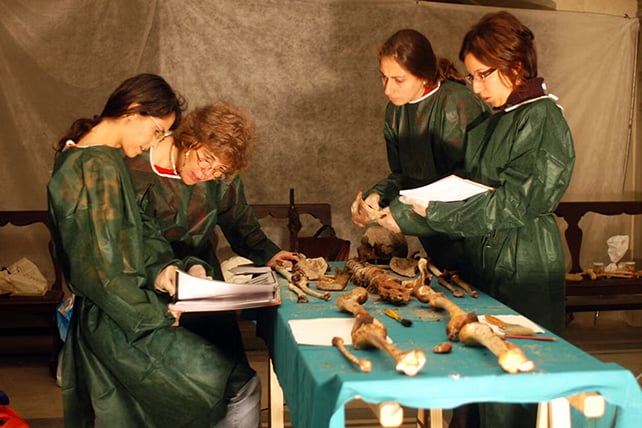
Another significant discovery was evidence of a previously unknown strain of Plasmodium falciparum, which causes the deadliest form of malaria, with the unique mutations of this strain perhaps enabling the parasite’s spread into new territories.
By comparing these species and strains with others, scientists will be able to put together a more comprehensive map of how the disease moved around and affected communities.
“The study of ancient DNA offers us an opportunity not only to diagnose malaria in the remains of individuals from the past,” says Yale University evolutionary biologist Alexander Ochoa.
“It also offers us a window for understanding the evolution of malaria species – Plasmodium falciparum in this case, which can help scientists better understand how the pathogen adapts over time.”

While malaria was eventually eradicated from Italy in the 1970s, it remains a serious public health concern in other parts of the world today.
It’s thought that around 610,000 people die of the disease each year, across 80 countries, with many more becoming ill.
Researchers continue to work hard to understand how malaria parasites are mutating to survive, and some of the ways that vulnerable people might be protected from infection.
These new discoveries offer potential insights into some of the species that were active in the Tuscany region, through the unfortunate individuals who met their end because of malaria centuries ago.
However, the researchers note the limitations of working with ancient DNA, which is fragmented, and archaeological remains, which can be easily contaminated.
Related: One Key Protein Could Be a Powerful New Target Against Malaria
“[The study] also generated data that can inform current and future research on malaria, which remains a deadly disease that afflicts millions of people worldwide,” says evolutionary biologist Adalgisa Caccone, from Yale University.
The research has been published in iScience.
This article was fact-checked by Clare Watson and edited by Rebecca Dyer. While we pride ourselves on our process, we are only human. If you spot a mistake, please let us know.

