.png?width=1200&auto=webp&trim=0%2C0%2C0%2C0 "Аризона муж сургуулийн хоол хүнсэнд хориглосон бодисын хэрэглээг хязгаарлав")
Аризона мужийн сургуулиуд наймдугаар сараас эхлэн эрүүл мэндэд хортой нэмэлт бодис агуулсан боловсруулсан хүнсний бүтээгдэхүүнийг хэрэглээнээс хасаж эхэллээ.
Аризонагийн Эрүүл сургуулийн тухай хуулийн дагуу сургуулийн үдийн хоол, анги танхимын арга хэмжээ болон сурагчдын үдэшлэгт кали бромат, пропилпарабен, титаны давхар исэл, шар болон цэнхэр өнгийн будагч бодис зэрэг нэр бүхий хортой нэмэлтүүд агуулсан хүнсийг худалдаалах, түгээхийг хориглов. Энэхүү шийдвэр нь өнгөрсөн онд батлагдсан бөгөөд энэ жилээс сургуулийн дүүргүүд хуулийг албан ёсоор мөрдөж эхэлж байна. Зарим дүүрэг ханган нийлүүлэгчидтэйгээ хамтран бүтээгдэхүүний найрлагыг өөрчлөх эсвэл тухайн бүтээгдэхүүнийг цэснээс бүрмөсөн хасах арга хэмжээ авч байна.
Хууль санаачлагч, төлөөлөгч Лео Биасиуччигийн мэдээлснээр, энэхүү санаачилга нь Европын орнуудын хүнсний стандартыг судалсны үндсэн дээр гарчээ. АНУ-ын Эрүүл мэнд, хүний үйлчилгээний сайд Роберт Ф. Кеннеди (бага) хүүхдийн эрүүл мэндэд эрсдэлтэй, тэжээллэг чанаргүй химийн бодисуудыг хүнсний үйлдвэрлэлээс халах нь “Make America Healthy Again” (MAHA) хөдөлгөөний нэг хэсэг гэдгийг онцолсон байна. Хиймэл будагч бодисууд нь хүүхдийн хэт идэвхжил, мэдрэлийн үйл ажиллагааны доголдол болон хорт хавдрын эрсдэлтэй холбоотой байж болзошгүй гэж үздэг.
Аляска, Калифорни, Делавэр, Луизиана, Техас, Баруун Виржиниа зэрэг мужууд сургуулийн хоол хүнсэнд хэрэглэх будагч бодисыг зохицуулах хуулийг мөн батлаад байна. Томоохон хүнсний үйлдвэрлэгч компаниуд ч уг шаардлагын дагуу байгалийн гаралтай будагч бодис руу шилжиж эхэлсэн боловч зарим салбарт өөрчлөлт удаашралтай байгааг мэргэжилтнүүд шүүмжилж байна. Нөгөө талаас, АНУ-ын засаг захиргаа хүнсний бүтээгдэхүүний шошгололтын дүрэмд өөрчлөлт оруулж, газрын тосноос гаралтай будагч бодис агуулаагүй тохиолдолд “хиймэл будагч бодисгүй” гэсэн тэмдэглэгээ хийхийг зөвшөөрсөн нь зарим судлаачдын дургүйцлийг төрүүлээд байна.
Дэлгэрэнгүйг эх сурвалжаас харах
↓Эх сурвалжийг нээх ↓
Arizona students head back to class at the beginning of August, and when they do, things will look a little different. Schools will no longer be allowed to serve or sell highly processed foods containing a list of banned ingredients — including at student birthday parties and holiday celebrations.
Passed last year, the Arizona Healthy Schools Act bars schools from giving students food containing potassium bromate, propylparaben, titanium dioxide, brominated vegetable oil, yellow dye 5 or 6, blue dye 1 or 2, green dye 3, or red dye 3 or 40. This is the first year when districts must comply with the law.
“It’s a huge adjustment period from what we’ve seen,” Tyler Ross, director of child nutrition at the Phoenix Elementary School District, told ABC 15. “Even the conversations we’ve had among the principals, like what do we do? We have student stores; we have classroom celebrations. We have special events. How do we comply with this?”
The law, which covers food served by schools and food brought to class to share with all by parents, has prompted some districts to reformulate recipes with suppliers or eliminate offerings entirely.
Others, such as the Lake Havasu United School District, already had anti-processed food policies in place before the state law was signed last April.
.png)
Arizona Representative Leo Biasiucci has said he was inspired to sponsor the bill after a family trip to Europe, where he noticed eating rich foods such as pasta and pizza did not leave him feeling unhealthy as they might have in the U.S., which traditionally has less strict requirements about additives in foods.
He said that even the same products, such as a box of Froot Loops, had different ingredients in the U.S. than the ones he saw in Italy.
The Trump administration has pushed states and corporations alike to remove artificial additives from the food supply, with a focus on colored food dyes.
“For too long, some food producers have been feeding Americans petroleum-based chemicals without their knowledge or consent,” Health and Human Services Secretary Robert F. Kennedy, Jr., said last year, as he was touting the campaign. “These poisonous compounds offer no nutritional benefit and pose real, measurable dangers to our children’s health and development. That era is coming to an end.”
Artificial dyes have been linked to elevated cancer risks, as well as hyperactivity and neurobehavioral issues in children.
States including Alaska, California, Delaware, Louisiana, Texas and West Virginia have passed laws regulating dyes in school food.
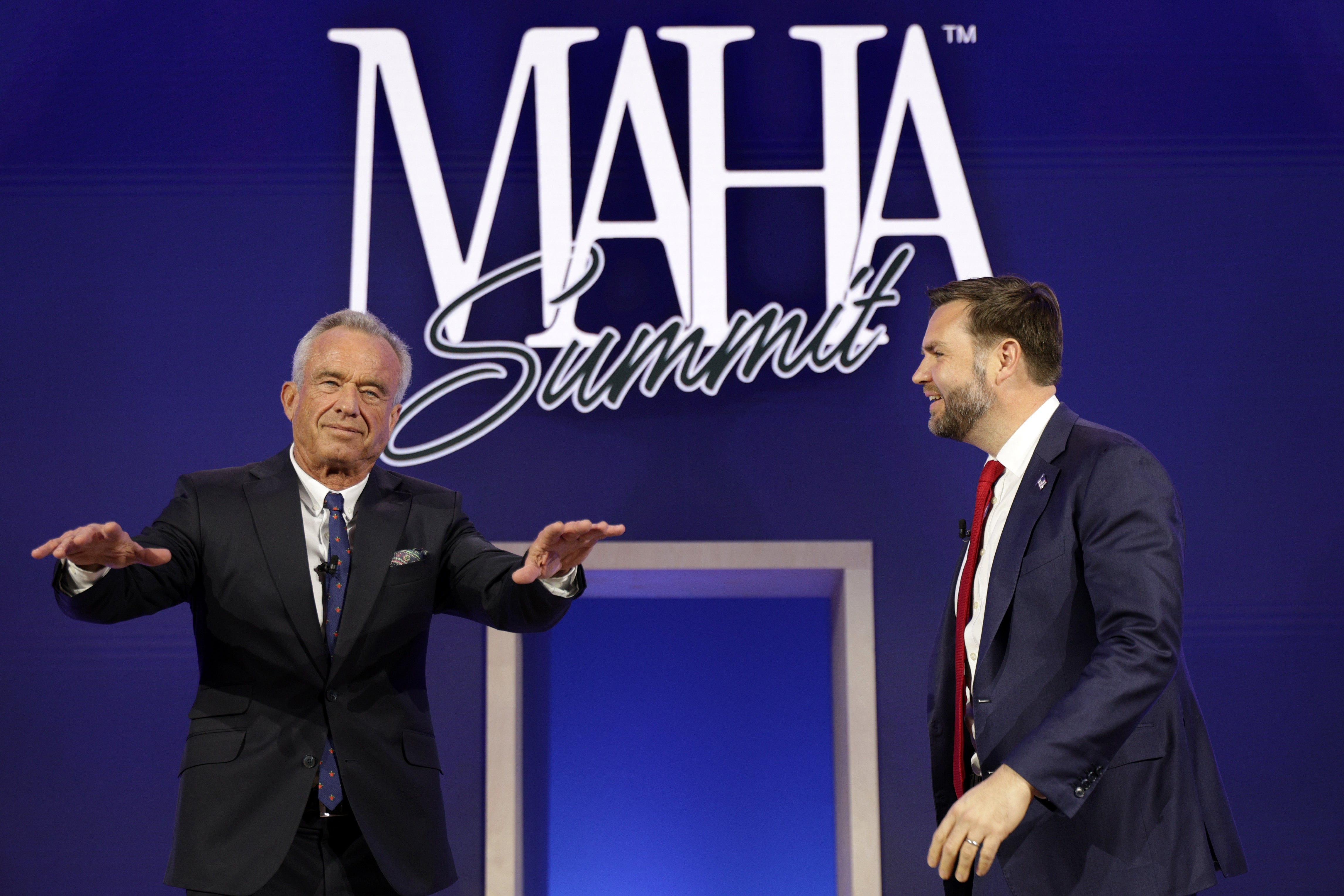
Corporations have responded to the White House’s call, which has largely taken the form of pushing for voluntary changes rather than outright bans of ingredients.
The makers of Doritos chips, plus M&Ms and Skittles candies, have rolled out naturally colored options.
Last June, Kraft Heinz, the maker of pantry staples including Jell-O, Kool-Aid, and its name-brand macaroni and cheese, announced it would remove chemical dyes by the end of 2027.
Observers say some companies have been slow to follow their lead, even though natural alternatives are available.
“The infrastructure is already in place, so it’s just a matter of flipping the switch on the domestic side, but many of them haven’t,” Brian Ronholm, director of food policy for Consumer Reports, told the outlet in April.
In February, the Trump administration angered critics by relaxing Food and Drug Administration rules around claiming products had no artificial dyes.
Under the new regime, companies can advertise products contain “no artificial colors” as long as they don’t use petroleum-based dyes.
“It’s frustrating, especially when the rhetoric suggests they are solving the problem, but in practice they’re just letting industry do whatever they want,” Thomas Galligan, principal scientist with the Center for Science in the Public Interest, told The Guardian in February.

